



Introduction
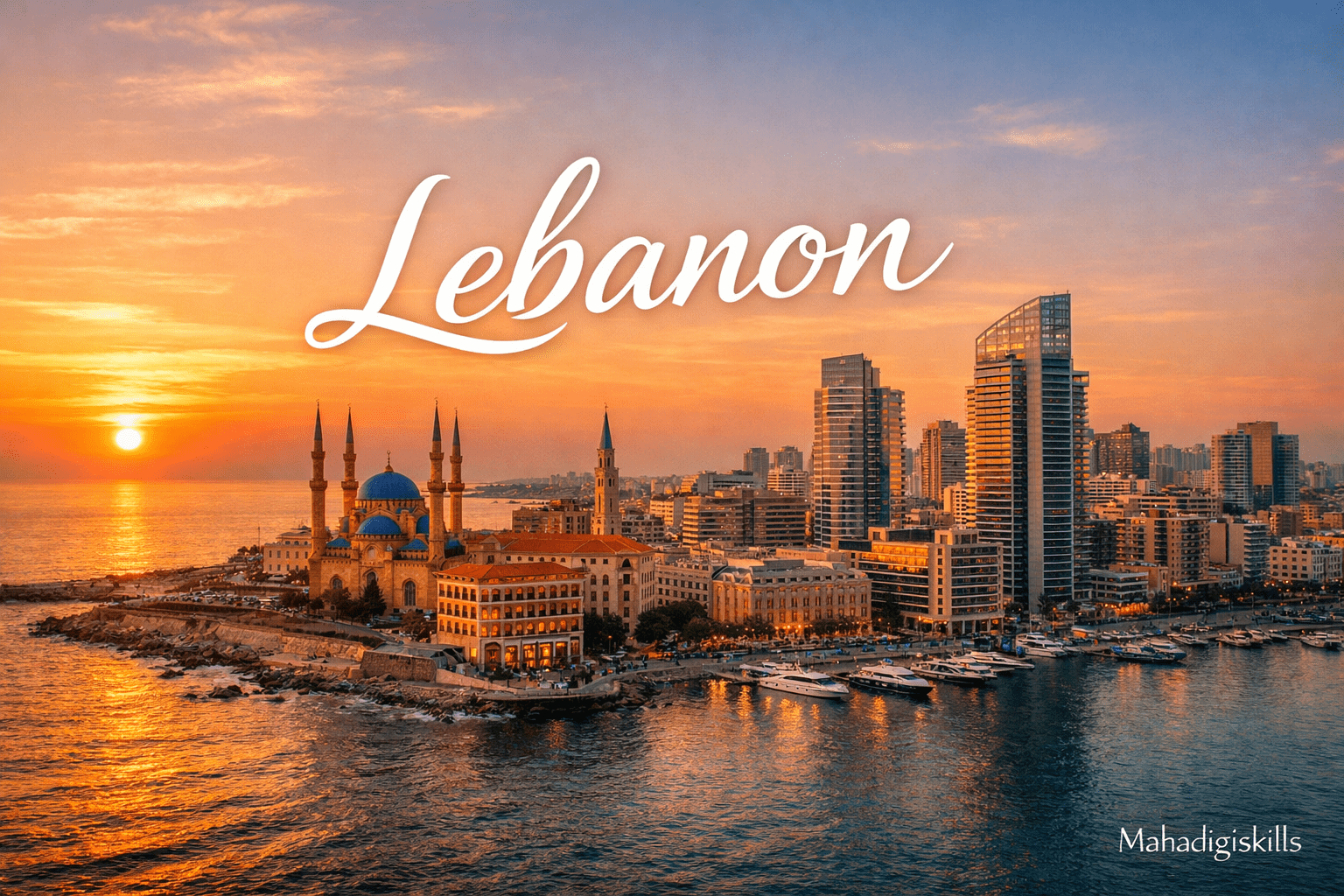
Nestled along the eastern shore of the Mediterranean Sea, this nation offers a captivating blend of ancient history, cultural diversity, and natural beauty. Known for its historic cities, stunning coastline, and mountainous landscapes, it has long been a crossroads of civilizations.
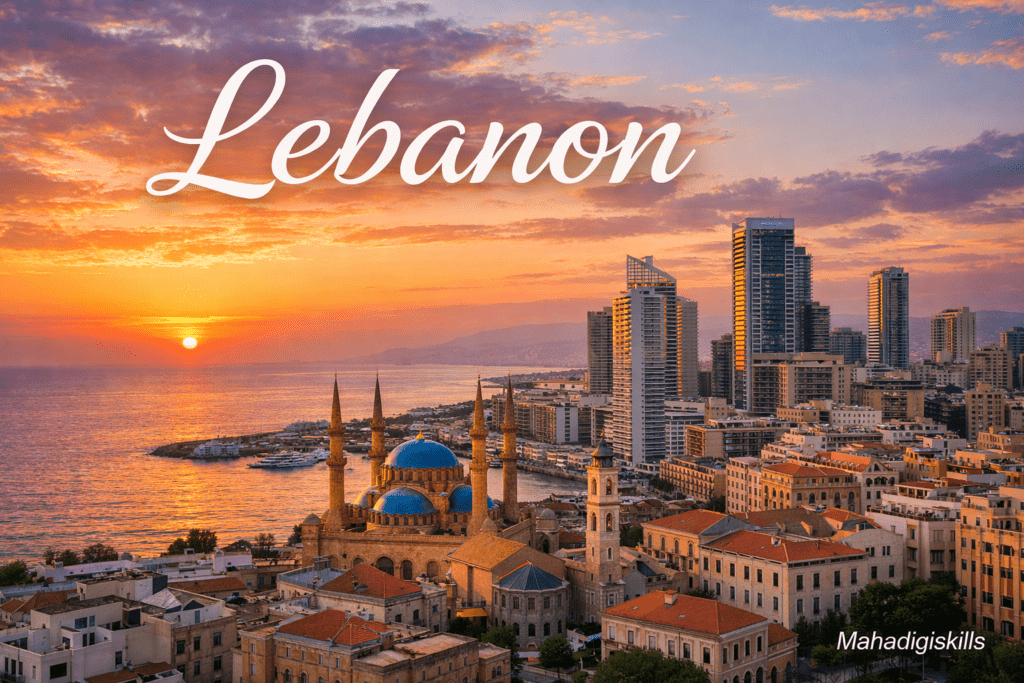
Visitors can explore bustling urban centers, picturesque villages, Roman ruins, and vibrant souks, making the country a unique destination for history enthusiasts, food lovers, and adventure travelers alike. This guide covers geography, culture, economy, major cities, attractions, and travel tips.
History
Ancient Civilizations
The territory has been inhabited for millennia, with ancient civilizations like the Phoenicians, who pioneered maritime trade and established cities along the Mediterranean. Their legacy includes advanced shipbuilding, trade networks, and the invention of one of the first alphabets.
Middle Ages and Ottoman Era
The region later became part of the Ottoman Empire, influencing architecture, urban planning, and cultural practices. During this period, diverse religious communities coexisted, shaping the country’s rich cultural tapestry.
Modern History
In the 20th century, the nation gained independence and navigated complex political challenges, including regional conflicts and internal civil strife. Today, it is recognized for its resilient society, thriving arts scene, and commitment to preserving heritage.
Geography
Location and Borders
Situated in the Levant region, it shares borders with:
- North and East: Syria
- South: Israel
- West: Mediterranean Sea
Covering roughly 10,400 sq km, the country is known for its dramatic landscapes, including coastal plains, fertile valleys, and rugged mountains.
Topography and Climate
- Coastal plains: Home to urban centers and ports
- Lebanese Mountains: Popular for skiing, hiking, and scenic views
- Bekaa Valley: Fertile agricultural region producing wine, vegetables, and grains
- Climate: Mediterranean; wet winters with snow in mountains, hot dry summers along the coast
Culture
Language and Ethnic Composition
The official language is Arabic, with French and English widely spoken in business, education, and tourism. The population is ethnically diverse, with communities of Maronite Christians, Sunni and Shia Muslims, Druze, and other minority groups.
Religion and Traditions
Religion plays a central role in society, with multiple faiths contributing to vibrant traditions and festivals. Key celebrations include religious holidays, cultural festivals, and seasonal events.
Arts, Music, and Cuisine
Arts and Architecture
- Ancient ruins, mosques, churches, and Ottoman-era architecture reflect the country’s layered history
- Modern art galleries and cultural centers promote contemporary artistic expression
Music and Dance
- Traditional music includes instruments such as the oud and darbuka
- Dabke is a popular folk dance performed at weddings and festivals
Culinary Heritage
- Mezze: A variety of small dishes, often shared among family and friends
- Kibbeh: Spiced meat and bulgur combination
- Tabbouleh and Fattoush: Fresh salads highlighting local vegetables
- Baklava and Kanafeh: Popular desserts
- Lebanese coffee and Arak: Integral to social gatherings
Major Cities
Beirut (Capital)
A cosmopolitan hub known for nightlife, cultural venues, shopping, and historic districts. Beirut balances modern skyscrapers with remnants of ancient history.
Tripoli
Known for medieval architecture, historic mosques, souks, and a thriving port.
Byblos
Considered one of the oldest continuously inhabited cities in the world, featuring Roman ruins, ancient churches, and coastal charm.
Sidon
Famous for its sea castle, traditional markets, and Mediterranean cuisine.
Zahle
Located in the Bekaa Valley, known for vineyards, wineries, and scenic landscapes.
Economy, Trade, and Tourism in Lebanon
Economy Overview
The country’s economy is diverse, blending traditional industries with modern services. Historically, trade, banking, and tourism have been major contributors to GDP. Despite economic challenges in recent years, it remains a key hub for finance, commerce, and entrepreneurship in the Levant.(worldbank.org)
Key Industries
Banking and Finance
- Beirut is a regional center for banking and financial services
- Strong tradition in private banking and investment management
Tourism and Hospitality
- Coastal resorts, mountain retreats, and historical sites attract international travelers
- Wine tourism in the Bekaa Valley has grown significantly
Agriculture and Food Production
- Fertile valleys produce fruits, vegetables, and grains
- Renowned for wine, olive oil, and citrus exports
Industry and Manufacturing
- Cement, textiles, and light manufacturing
- Food processing and handicrafts are traditional economic activities
Currency
The official currency is the Lebanese Pound (LBP). Although cash is common, credit cards and digital payments are widely accepted in urban areas. Exchange rates can fluctuate, so travelers are advised to check before conversion.
Trade Partners
Key international trade relationships include:
- European Union: Machinery, technology, and food products
- United States: Machinery, technology, and services
- Gulf States: Regional trade in goods and investment
- Asia: Exports of food products, wine, and crafts
Tourism in Lebanon
Tourism remains a cultural and economic highlight, offering a mix of historic sites, natural landscapes, and vibrant city life.
Must-Visit Sites
Cultural and Historical Landmarks
- Baalbek: Roman temples and archaeological ruins, UNESCO World Heritage Site
- Byblos: Ancient port city with Crusader castles and Roman amphitheater
- Beiteddine Palace: Ottoman-era palace featuring art, architecture, and gardens
- National Museum of Beirut: Preserves Phoenician, Roman, and medieval artifacts
- Jeita Grotto: Stunning limestone caves with underground rivers
Natural Attractions
- Cedars of God (Bsharri): Ancient cedar forests iconic in national identity
- Chouf Mountains: Hiking, historical palaces, and traditional villages
- Mediterranean Coastline: Beaches, resorts, and water sports
- Qadisha Valley: Scenic gorge with monasteries and religious heritage
UNESCO World Heritage Sites
Lebanon is home to multiple globally recognized sites, reflecting its rich history:
- Baalbek Temples – Roman-era structures
- Byblos Ancient City – One of the world’s oldest continuously inhabited cities
- Qadisha Valley and Cedars Forest – Cultural and natural heritage
- Tyre Ancient City – Phoenician and Roman ruins along the coast
Transportation
Despite its compact size, the country has a well-developed transportation network.
Airports
- Beirut-Rafic Hariri International Airport: Main international gateway, connecting Europe, Asia, and the Middle East
Roads
- Extensive road network links major cities, mountains, and coastal towns
- Taxis, ride-hailing services, and buses are commonly used
- Driving is convenient but traffic congestion can occur in Beirut
Local Travel Tips
- Renting a car is ideal for exploring rural and mountain areas
- Public transport is limited outside major cities
- Coastal travel by ferries is occasionally available for short distances
Best Time to Visit
- Spring (March–May): Pleasant weather, wildflowers, and mild temperatures
- Autumn (September–November): Ideal for hiking, sightseeing, and cultural festivals
- Winter (December–February): Skiing in mountain resorts
- Summer (June–August): Warm coastal weather, ideal for beaches but can be hot inland
References (DoFollow)
- UNESCO World Heritage: https://whc.unesco.org/en/statesparties/lb
- World Bank Lebanon Overview: https://www.worldbank.org/en/country/lebanon
- CIA World Factbook: https://www.cia.gov/the-world-factbook/countries/lebanon/
Unique Facts, Global Role & Travel Tips in Lebanon
Fascinating Facts About Lebanon
- Phoenician Legacy: This country was the heart of the ancient Phoenician civilization, whose maritime trade and alphabet influenced the Mediterranean world.
- Cultural Diversity: A remarkable blend of religious and ethnic communities, including Maronite Christians, Sunni and Shia Muslims, Druze, and Armenians, coexist, enriching cultural practices and festivals.
- Culinary Heritage: Lebanese cuisine is celebrated worldwide; mezze, kibbeh, tabbouleh, and traditional desserts reflect centuries of culinary evolution.
- Wine and Vineyards: The Bekaa Valley has been producing wine for thousands of years, continuing a Phoenician tradition of viticulture.
- Natural Beauty: From cedar forests to Mediterranean beaches and mountain peaks, the landscape offers both adventure and relaxation.
- Resilience and Creativity: Despite political and economic challenges, the nation maintains a vibrant arts scene, including literature, music, film, and contemporary art galleries.
Lebanon in International Organizations
The country maintains an active presence in regional and global diplomacy:
- United Nations (UN): Member state, participating in peacekeeping, humanitarian aid, and development programs
- Arab League: Engages in regional political, economic, and cultural cooperation
- Organisation of Islamic Cooperation (OIC): Promotes cultural and humanitarian initiatives within the Islamic world
- World Bank & IMF: Partners in economic development, infrastructure, and financial stability projects
- Mediterranean Union Initiatives: Collaborates on environmental and trade programs
These memberships underscore the nation’s influence in regional diplomacy, culture, and economic cooperation.
Travel Tips for Visitors
Entry Requirements
- Passport valid for at least six months
- Tourist visa required for most international travelers
- Health insurance is recommended
Safety Guidelines
- Urban areas and tourist sites are generally safe
- Avoid political demonstrations or unregulated areas
- Observe local customs and dress codes
Currency & Payments
- Official currency: Lebanese Pound (LBP)
- Cash is widely used, while credit cards are accepted in hotels, restaurants, and shopping centers
Local Etiquette
- Dress modestly in public areas
- Respect religious sites and prayer times
- Greetings are formal; hospitality is highly valued
- Tipping is customary in restaurants and services
Major Cities Recap
- Beirut: Capital, cultural and economic hub, vibrant nightlife and arts
- Tripoli: Historical city with souks, mosques, and port activity
- Byblos: One of the world’s oldest continuously inhabited cities, with Roman and Crusader heritage
- Sidon: Known for its medieval sea castle and markets
- Zahle: Heart of the Bekaa Valley, famous for vineyards and scenic landscapes
Internal Link Example
For travelers exploring neighboring countries, consider reading:
Jordan Travel Guide
This internal link strengthens SEO and provides readers with additional Middle Eastern travel insights.
External References (DoFollow)
- UNESCO World Heritage: https://whc.unesco.org/en/statesparties/lb
- World Bank Lebanon Overview: https://www.worldbank.org/en/country/lebanon
- CIA World Factbook: https://www.cia.gov/the-world-factbook/countries/lebanon/
Final Summary
This Mediterranean nation offers a captivating mix of history, culture, and natural beauty. From the ancient ruins of Byblos and Baalbek to the bustling streets of Beirut, visitors can experience a country that has long served as a cultural crossroads.
The mountainous landscapes, cedar forests, and coastal resorts provide adventure and relaxation, while a rich culinary tradition and vibrant arts scene showcase centuries of heritage. This country remains a unique destination for history enthusiasts, food lovers, and travelers seeking both cultural immersion and scenic exploration.
Key Facts About Lebanon
| Category | Information |
|---|---|
| Country Name | Lebanon |
| Capital City | Beirut |
| Continent | Asia (Middle East) |
| Coordinates | 33.8547° N, 35.8623° E |
| Population | ~6.8 million |
| Official Language | Arabic |
| Other Languages | French and English widely spoken |
| Currency | Lebanese Pound (LBP) |
| Government | Parliamentary Republic |
| Highest Point | Qurnat as Sawda’ (3,088 m) |
| Lowest Point | Mediterranean Sea (0 m) |
| Main Industries | Banking, tourism, agriculture, manufacturing |
| Major Exports | Food products, wine, textiles, chemicals |
| UN Membership | Yes |
List of All 195 Countries
A
- Afghanistan
- Albania
- Algeria
- Andorra
- Angola
- Antigua and Barbuda
- Argentina
- Armenia
- Australia
- Austria
- Azerbaijan
- Bahamas
- Bahrain
- Bangladesh
- Barbados
- Belarus
- Belgium
- Belize
- Benin
- Bhutan
- Bolivia
- Bosnia and Herzegovina
- Botswana
- Brazil
- Brunei
- Bulgaria
- Burkina Faso
- Burundi
- Cabo Verde
- Cambodia
- Cameroon
- Canada
- Central African Republic
- Chad
- Chile
- China
- Colombia
- Comoros
- Congo (Congo-Brazzaville)
- Costa Rica

