



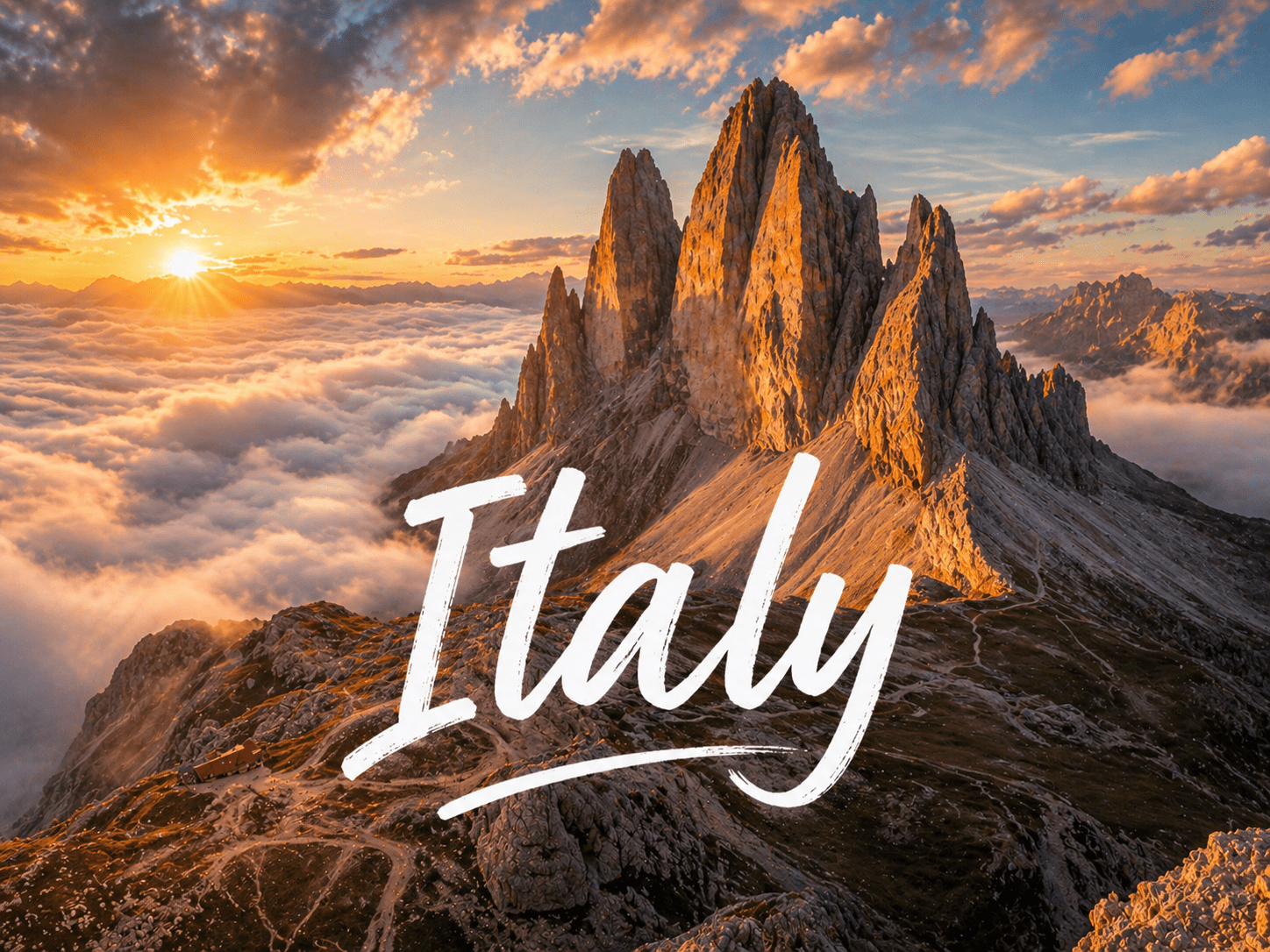
Introduction
Italy is one of the most iconic and culturally rich countries in the world, attracting millions of visitors every year. Located in Southern Europe, Italy is known for its ancient history, world-famous cuisine, artistic heritage, and breathtaking landscapes. From the ruins of ancient civilizations to modern fashion capitals, Italy offers a unique blend of tradition and innovation.
Whether you are exploring historic cities, enjoying Mediterranean coastlines, or experiencing vibrant culture, Italy provides unforgettable travel experiences. With its deep-rooted history and global influence, Italy continues to be a top destination for travelers, historians, and food lovers alike.
🏛 History of Italy
Ancient Italy and Early Civilizations
The history of Italy dates back thousands of years, with early civilizations shaping its identity. However, the most significant period in the history of Italy began with the rise of the
Roman Empire.
The Roman Empire, centered in Italy, became one of the most powerful civilizations in history. It introduced advanced systems of governance, architecture, engineering, and law that still influence the modern world.
Roman Empire Influence
During its peak, the Roman Empire expanded far beyond Italy, covering much of Europe, North Africa, and parts of Asia. The legacy of this empire is still visible across Italy through monuments, roads, and ruins.
One of the most famous structures from this era is the
Colosseum,
an iconic symbol of ancient Rome and a major attraction in Italy.
Middle Ages and Renaissance
After the fall of the Roman Empire, Italy entered the Middle Ages, a period marked by regional kingdoms and city-states. During this time, cities like Florence, Venice, and Milan became powerful cultural and economic centers.
The Renaissance period began in Italy and transformed art, science, and philosophy. Influential figures such as
Leonardo da Vinci
and
Michelangelo
made lasting contributions to global culture.
Unification of Italy
Before becoming a unified nation, Italy was divided into multiple states. In 1861, Italy was unified into a single kingdom, marking a major turning point in its history.
Modern Italy
Today, Italy is a democratic republic and a key member of the global community. The historical evolution of Italy has played a significant role in shaping its modern identity.
🌎 Geography of Italy
Location and Coordinates
Italy is located in Southern Europe and extends into the Mediterranean Sea.
- Coordinates: 41.8719° N, 12.5674° E
- Continent: Europe
Neighboring Countries
Italy shares borders with:
- France
- Switzerland
- Austria
- Slovenia
Physical Features
The geography of Italy is diverse and visually stunning:
- The Alps in the north
- The Apennine Mountains running through the country
- Coastal regions along the Mediterranean
The
Alps
form a natural boundary in northern Italy.
Islands of Italy
Italy includes major islands such as:
- Sicily
- Sardinia
These islands contribute to the geographical and cultural diversity of Italy.
Climate
Italy experiences a Mediterranean climate:
- Hot, dry summers
- Mild, wet winters
🎭 Culture of Italy
Traditions and Lifestyle
Culture in Italy is deeply rooted in history, art, and community life. Family, food, and tradition play an important role in everyday life in Italy.
Religion
Religion has historically influenced Italy, with Roman Catholicism being the dominant faith. The
Vatican City
is located within Rome and is a significant religious center.
Festivals and Celebrations
Festivals in Italy are vibrant and culturally rich:
- Venice Carnival
- Easter
These events reflect the traditions and heritage of Italy.
Art and Architecture
Italy is considered the birthplace of Renaissance art. Museums and galleries across Italy house world-renowned masterpieces.
Music and Fashion
Italy is globally recognized for:
- Opera music
- Fashion industry
Cities like Milan are fashion capitals of Italy.
Food Culture of Italy
Cuisine in Italy is one of its most celebrated aspects:
- Pizza
- Pasta
- Gelato
Food in Italy emphasizes fresh ingredients and regional flavors.
🗣 Language in Italy
Official Language
- Italian
Regional Dialects
Different regions of Italy have their own dialects and linguistic variations, adding to the cultural richness of Italy.
🏙 Major Cities of Italy
Rome (Capital)
Rome is:
- Capital of Italy
- Historical center
Milan
Milan is:
- Financial hub of Italy
- Fashion capital
Venice
Venice is:
- Known for canals
- Unique architecture
Florence
Florence is:
- Cultural heart of Italy
- Center of Renaissance art
🌐 Italy in Global Organizations
Italy is a member of:
G7
United Nations
European Union
💰 Economy of Italy
Overview of the Italian Economy
As one of Europe’s largest economies, this Mediterranean nation has built a strong reputation in manufacturing, design, tourism, and exports. The economic structure combines traditional industries with modern innovation, creating a balanced system that continues to evolve.
Northern regions such as Lombardy and Veneto are highly industrialized, while southern areas maintain a stronger agricultural base. This regional diversity adds both strength and complexity to the national economy.
Key Economic Sectors
1. Manufacturing & Industry
The country is known for high-quality manufacturing, particularly in:
- Automobiles
- Machinery
- Fashion and textiles
- Luxury goods
Brands like
Ferrari
and
Gucci
represent global excellence in design and craftsmanship.
2. Tourism Industry
Tourism plays a major role in economic growth. Millions of travelers visit every year to explore art, architecture, cuisine, and landscapes.
Popular regions include:
- Tuscany
- Amalfi Coast
- Venice
- Rome
Tourism contributes significantly to employment and GDP.
3. Agriculture
Agriculture remains important, especially in rural areas.
Major products:
- Olive oil
- Wine
- Wheat
- Fruits and vegetables
The country is one of the largest wine producers in the world.
4. Services Sector
Banking, retail, and hospitality industries form a large portion of economic activity. Major cities act as hubs for finance and commerce.
Currency and Trade
- Currency: Euro (EUR)
Major trade partners include:
- Germany
- France
- United States
Exports focus on:
- Machinery
- Vehicles
- Fashion
- Food products
Economic Strengths & Challenges
Strengths:
- Strong export market
- Global luxury brands
- Tourism appeal
Challenges:
- Regional economic gaps
- Public debt
- Youth unemployment
Global organizations like the
World Bank
and
International Monetary Fund
provide insights and economic analysis.
🏝 Tourist Attractions
🏛 Historical Landmarks
1. Colosseum
The
Colosseum
remains one of the most recognizable ancient structures in the world.
2. Roman Forum
Located in Rome, the
Roman Forum
offers insight into ancient political and social life.
🎨 Cultural Attractions
1. Florence Cathedral
The
Florence Cathedral
is a masterpiece of Renaissance architecture.
2. Vatican Museums
The
Vatican Museums
house some of the most valuable art collections in the world.
🌿 Natural Attractions
1. Amalfi Coast
The
Amalfi Coast
is famous for its dramatic cliffs, colorful villages, and sea views.
2. Lake Como
The
Lake Como
offers scenic beauty and luxury experiences.
🏖 Coastal & Island Destinations
- Sardinia
- Sicily
- Capri
These destinations provide beaches, culture, and relaxation.
✨ Unique Facts
- This country has more UNESCO World Heritage Sites than any other nation
- The Renaissance began here
- Pizza originated in Naples
- It is home to the smallest country in the world:
Vatican City
🌆 Major Cities Overview
Rome
- Capital city
- Historic center
Milan
- Financial hub
- Fashion capital
Venice
- Built on water
- Famous for canals
Florence
- Birthplace of Renaissance
- Art and culture hub
✈️ Best Time to Visit
Ideal Seasons
- Spring (April–June)
- Autumn (September–October)
These months offer:
- Pleasant weather
- Fewer crowds
Seasonal Breakdown
- Summer: Busy tourist season
- Winter: Quiet but colder
🚗 Transportation Guide
Getting Around
- High-speed trains
- Buses
- Domestic flights
Travel Tips
- Use trains for long distances
- Walk in historic city centers
- Book tickets early
🔗 External DoFollow Links
- United Nations: https://www.un.org
- World Bank: https://www.worldbank.org
- UNESCO: https://whc.unesco.org
🎭 Deep Cultural Insights
Traditions and Daily Life
Life across this Mediterranean country blends centuries-old traditions with modern living. In smaller towns, daily routines still revolve around family, local markets, and long meals, while major cities reflect a fast-paced European lifestyle.
Family plays a central role in society, and gatherings—especially around food—are an important part of everyday life. Respect for history, art, and community is visible in everything from architecture to social customs.
Religion and Spiritual Influence
Roman Catholicism has historically shaped culture, art, and traditions. The presence of
Vatican City
within Rome highlights the global religious significance of the region.
Churches, cathedrals, and basilicas are not just places of worship but also architectural masterpieces.
Festivals and Celebrations
Cultural celebrations are lively and deeply rooted in history.
Venice Carnival
The famous
Venice Carnival
is known for elaborate masks, costumes, and grand celebrations.
Easter Celebrations
Religious events during
Easter
include processions, ceremonies, and traditional meals.
Music, Art & Fashion
- Opera originated here and remains popular worldwide
- Renaissance art continues to influence global creativity
- Fashion cities like Milan set international trends
Art galleries and museums house masterpieces that attract millions of visitors annually.
🍽 Food Guide
Traditional Dishes
Cuisine is one of the biggest highlights for visitors.
Famous dishes include:
- Pizza (originating in Naples)
- Pasta varieties (spaghetti, lasagna, ravioli)
- Risotto
Each region offers unique flavors and cooking styles.
Regional Food Diversity
- Northern regions: creamy sauces, rice-based dishes
- Southern regions: tomato-based sauces, olive oil, seafood
Desserts & Beverages
Popular treats:
- Gelato
- Tiramisu
Drinks:
- Espresso
- Cappuccino
- Regional wines
Food culture emphasizes fresh ingredients and simple preparation techniques.
Dining Culture
Meals are social experiences, often lasting hours. Restaurants typically follow a multi-course structure:
- Antipasto (starter)
- Primo (pasta/rice)
- Secondo (main course)
- Dolce (dessert)
🗺 7-Day Travel Itinerary
Day 1: Arrival in Rome
Explore:
- Historic streets
- Local cuisine
Day 2: Ancient Rome
Visit:
- Colosseum
- Roman Forum
Day 3: Vatican & Culture
Discover:
- Vatican Museums
Day 4: Florence
Travel to Florence and explore:
- Florence Cathedral
Day 5: Venice
Experience:
- Canals
- Gondola rides
Day 6: Coastal Escape
Visit:
- Amalfi Coast
Day 7: Return & Departure
Return and prepare for departure.
🌍 Global Presence
This European nation plays a key role internationally and is a member of:
- United Nations
- European Union
- G7
🤔 Interesting Facts
- Home to the most UNESCO World Heritage Sites globally
- Birthplace of the Renaissance
- Pizza was first created in Naples
- Houses the independent state of
Vatican City
🔗 Internal Link Suggestion
If you enjoyed this guide, explore another destination:
➡️ Argentina Travel Guide (internal link suggestion)
📊 Final Summary
This Mediterranean destination offers an unmatched combination of history, art, cuisine, and natural beauty. From ancient ruins to modern cities, every region provides a unique experience.
Whether you’re exploring historic landmarks, enjoying world-famous dishes, or relaxing along the coast, this country remains one of the most rewarding travel destinations in the world.
📋 Key Facts Table
| Category | Details |
|---|---|
| Country Name | Italy |
| Capital | Rome |
| Continent | Europe |
| Coordinates | 41.8719° N, 12.5674° E |
| Language | Italian |
| Currency | Euro (EUR) |
| Population | ~60 million |
| Independence | 1861 |
| Climate | Mediterranean |
| Major Cities | Rome, Milan, Venice, Florence |
| Famous Landmark | Colosseum |
| UN Membership | Yes |
List of All 195 Countries
- Afghanistan
- Albania
- Algeria
- Andorra
- Angola
- Antigua and Barbuda
- Argentina
- Armenia
- Australia
- Austria
- Azerbaijan
- Bahamas
- Bahrain
- Bangladesh
- Barbados
- Belarus
- Belgium
- Belize
- Benin
- Bhutan
- Bolivia
- Bosnia and Herzegovina
- Botswana
- Brazil
- Brunei
- Bulgaria
- Burkina Faso
- Burundi
- Cabo Verde
- Cambodia
- Cameroon
- Canada
- Central African Republic
- Chad
- Chile
- China
- Colombia
- Comoros
- Congo (Congo-Brazzaville)
- Costa Rica

