



Introduction
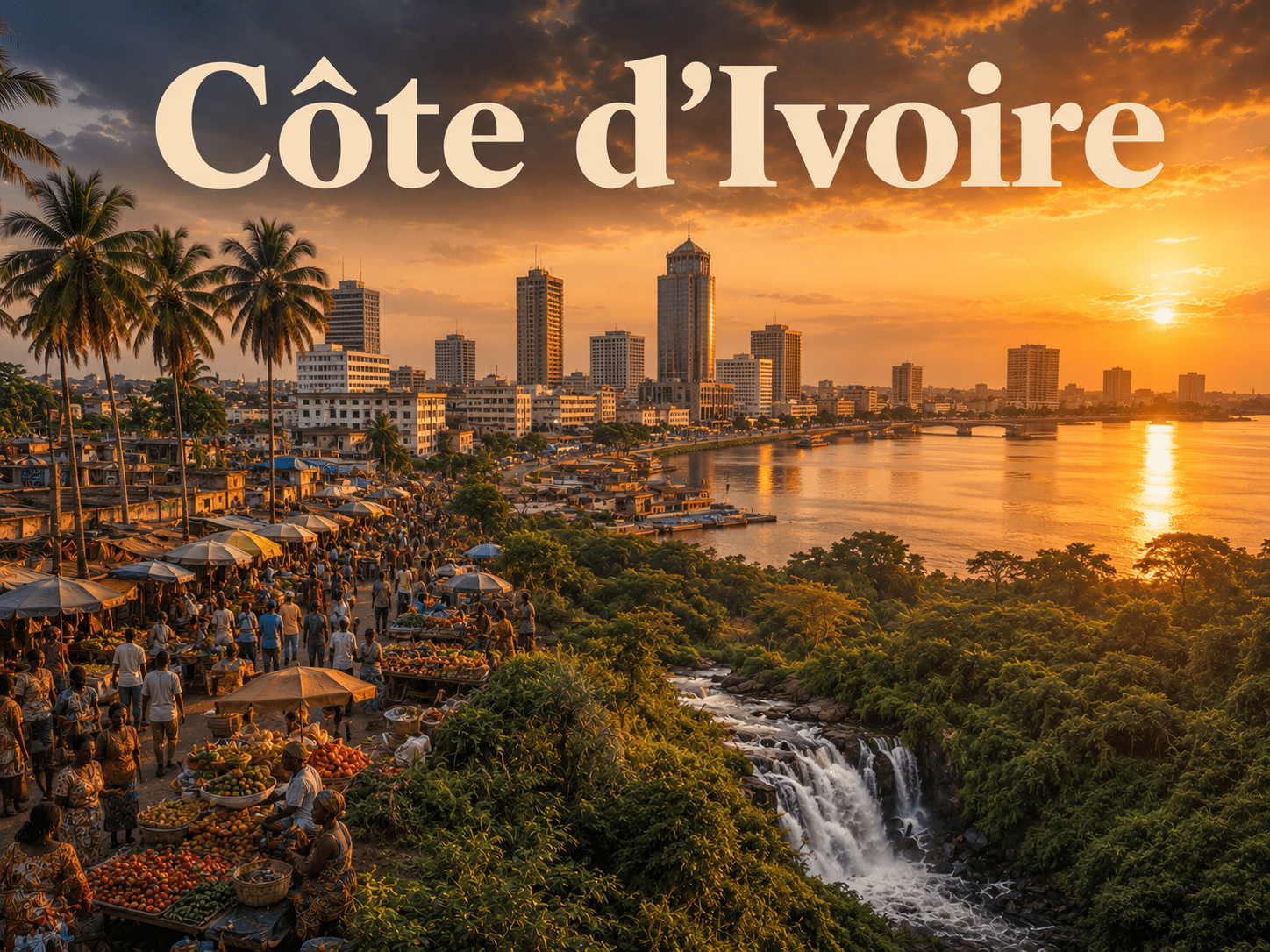
Côte d’Ivoire is one of West Africa’s most dynamic and culturally diverse countries, known for vibrant cities, tropical landscapes, economic importance, and rich traditions. Located along the Gulf of Guinea, the country combines coastal environments, forests, wildlife areas, and rapidly developing urban centers.
Travelers often discover a destination that blends traditional customs with modern growth. Communities preserve cultural identity through music, dance, festivals, and local cuisine while major cities support trade and development.
The country also plays an important role within West Africa because of its economic influence and strategic location.
Historical Background
The history of the region includes migration, trade networks, traditional kingdoms, and colonial influences that shaped modern development.
Early Settlements
Early communities developed agricultural systems and trade activities that supported settlement growth.
Important developments included:
- Farming practices
- Metalworking
- Trade systems
- Community organization
These activities created foundations for later societies.
Traditional Kingdoms and Trade
Several historical kingdoms and communities became important through trade and political organization.
Trade activities involved:
- Gold
- Ivory
- Agricultural products
- Local goods
Trade routes connected communities with neighboring regions across West Africa.
Colonial Period
European influence expanded during the nineteenth century and affected administration, trade systems, and infrastructure.
During this period:
- Transportation networks developed
- Export industries expanded
- Urban centers grew
Independence and Modern Development
The modern state gained independence in 1960.
Since independence, economic growth and infrastructure development have influenced social and political progress.
Geographic Location and Natural Environment
The country occupies an important position in West Africa.
Geographic Coordinates
Approximate location:
8° North latitude and 5° West longitude
Neighboring Countries
Borders are shared with:
- Ghana
- Liberia
- Guinea
- Mali
- Burkina Faso
The southern side faces the Gulf of Guinea.
Natural Landscapes
Landscape diversity includes:
- Tropical forests
- Coastal areas
- Rivers
- Savannah regions
- Lagoons
Natural environments support agriculture, tourism, and wildlife habitats.
Major Rivers
Important river systems include:
- Bandama River
- Sassandra River
- Comoé River
These waterways contribute to ecosystems and agricultural activity.
Culture and Traditions
Culture reflects many ethnic communities and long-standing traditions.
Religion
Major religious traditions include:
- Islam
- Christianity
- Traditional beliefs
Religious practices influence:
- Family life
- Festivals
- Community gatherings
- Cultural traditions
Music and Performing Arts
Music plays an important role in social life.
Popular cultural forms include:
- Traditional drumming
- Dance performances
- Folk music
- Contemporary African music styles
Food and Cuisine
Traditional dishes commonly include:
- Attiéké
- Grilled fish
- Rice dishes
- Stews
- Plantain-based meals
Food traditions often emphasize community and hospitality.
Festivals and Cultural Events
Cultural celebrations frequently include:
- Music performances
- Traditional ceremonies
- Community gatherings
- Local festivals
Internal Links:
External DoFollow Links:
Economy and Industries
The economy is considered one of the largest and most influential in West Africa. Growth has been supported by agriculture, manufacturing, mining, trade, energy production, and services. Urban centers contribute strongly to commercial activities, while rural communities remain important for agricultural production.
Economic development has expanded through infrastructure projects, international investment, and regional trade connections.
Agriculture
Agriculture remains one of the most important sectors and supports millions of livelihoods.
Major agricultural products include:
- Cocoa
- Coffee
- Palm oil
- Rubber
- Bananas
- Cotton
- Cashew nuts
The country is widely recognized as one of the world’s leading cocoa producers.
Agricultural exports continue contributing significantly to economic performance.
Mining and Natural Resources
Mining activities contribute to industrial development and exports.
Major natural resources include:
- Gold
- Manganese
- Nickel
- Petroleum
- Natural gas
- Diamonds
Resource development continues supporting investment and employment opportunities.
Manufacturing and Industry
Manufacturing industries include:
- Food processing
- Textile production
- Construction materials
- Chemical products
- Consumer goods
Industrial growth supports domestic markets and regional trade activities.
Tourism Sector
Tourism contributes through cultural attractions, wildlife experiences, and coastal destinations.
Travelers often visit for:
- Beaches
- National parks
- Cultural festivals
- Historical locations
- Nature exploration
Currency and Trade Information
The official currency used is:
West African CFA Franc (XOF)
Major exports include:
- Cocoa products
- Coffee
- Rubber
- Petroleum products
- Agricultural goods
Common imports include:
- Machinery
- Vehicles
- Fuel products
- Industrial equipment
- Consumer products
International trade relationships support continued economic development.
Official Language and Common Languages
Language diversity reflects the country’s multicultural population.
Official Language
The official language is:
French
French is commonly used in:
- Government institutions
- Education
- Media
- Business communication
Common Local Languages
Many local languages are also spoken across different communities.
Examples include:
- Baoulé
- Dioula
- Sénoufo
- Bété
- Anyin
Language diversity continues contributing to cultural identity and regional traditions.
Major Cities and Urban Centers
Urban centers combine commercial activity, culture, and modern development.
Yamoussoukro — Political Capital
The political capital is Yamoussoukro
Important features include:
- Government institutions
- Monumental architecture
- Administrative centers
Abidjan
Abidjan
Abidjan serves as the country’s largest economic and commercial center.
Important characteristics include:
- Business districts
- Financial institutions
- Shopping areas
- Entertainment venues
Bouaké
Bouaké
Bouaké is known for:
- Trade activity
- Local markets
- Educational institutions
San-Pédro
San-Pédro
San-Pédro is important because of:
- Port facilities
- Commercial activities
- Export operations
Korhogo
Korhogo
Korhogo is recognized for:
- Traditional crafts
- Cultural heritage
- Regional trade
Tourist Attractions and Places to Explore
Travel experiences include natural landscapes, wildlife areas, beaches, and cultural destinations.
Banco National Park
Banco National Park
Visitors enjoy:
- Forest environments
- Nature trails
- Wildlife experiences
- Photography opportunities
Basilica of Our Lady of Peace
Basilica of Our Lady of Peace
Highlights include:
- Monumental architecture
- Religious significance
- Historical importance
Taï National Park
Taï National Park
Features include:
- Tropical rainforest ecosystems
- Wildlife habitats
- Nature exploration
Assinie Coast
Assinie
Popular attractions include:
- Beaches
- Water activities
- Coastal scenery
International Organizations and Global Participation
The country participates in regional and international organizations supporting cooperation and development.
Membership includes:
- United Nations
- African Union
- Economic Community of West African States
- World Trade Organization
Participation supports:
- Economic partnerships
- Regional cooperation
- International development initiatives
- Global engagement
Unique and Interesting Facts
The country contains many fascinating characteristics that make it one of West Africa’s most interesting destinations.
- Basilica of Our Lady of Peace is among the largest churches in the world.
- The nation is recognized globally as one of the leading producers of cocoa beans.
- More than sixty ethnic groups contribute to cultural diversity and traditions.
- Traditional dance and drumming remain important parts of celebrations and community life.
- Tropical rainforests support diverse wildlife habitats and ecosystems.
- Coastal regions along the Gulf of Guinea provide beaches and marine environments.
- Traditional craftsmanship includes weaving, wood carving, and textile production.
- Music styles from the region have influenced contemporary African music culture.
Best Time to Visit
Climate conditions vary throughout the year and can influence travel experiences.
Dry Season (November to April)
This period is frequently considered one of the most comfortable times for visitors because:
- Rainfall is lower
- Travel conditions are easier
- Outdoor activities become more convenient
- Sightseeing conditions improve
Green Season (May to October)
Characteristics of this period include:
- Increased rainfall
- Greener landscapes
- Active natural environments
- Beautiful scenery for photography
Travelers interested in nature and landscapes may appreciate this season.
Transportation and Getting Around
Transportation networks connect major cities and tourism destinations.
Air Transportation
International and domestic air services connect important urban centers.
Major travel hubs include airports serving:
- Abidjan
- Yamoussoukro
- Regional cities
Road Transportation
Road transportation remains one of the most common methods of travel.
Available options include:
- Private vehicles
- Rental cars
- Public buses
- Taxi services
Road quality may vary depending on location and travel distance.
Rail Transportation
Rail services support movement of passengers and commercial goods.
Rail networks help connect economic regions and neighboring countries.
Local Transportation
Urban transportation commonly includes:
- Shared taxis
- Minibuses
- Public transport systems
Travel Tips
Helpful suggestions for visitors include:
- Carry local currency for local purchases
- Keep travel documents accessible
- Confirm transportation arrangements before long journeys
- Carry clothing appropriate for tropical weather conditions
- Learn a few basic French phrases for easier communication
Final Summary
Côte d’Ivoire combines cultural diversity, economic importance, tropical landscapes, and historical heritage into a destination that offers a wide variety of experiences. Coastal areas, forests, cities, and cultural traditions create an environment shaped by centuries of development and interaction.
Communities continue preserving traditions through music, cuisine, festivals, and local customs while modern cities support economic growth and international trade. Historical sites and natural environments provide opportunities for visitors interested in culture, history, and nature.
From wildlife areas and beaches to historic landmarks and vibrant urban centers, Côte d’Ivoire offers memorable experiences for travelers exploring West Africa.
Key Facts Table
| Category | Information |
|---|---|
| Official Name | Republic of Côte d’Ivoire |
| Political Capital | Yamoussoukro |
| Largest City | Abidjan |
| Continent | Africa |
| Region | West Africa |
| Coordinates | Approximately 8°N, 5°W |
| Official Language | French |
| Currency | West African CFA Franc (XOF) |
| Major Industries | Agriculture, mining, manufacturing, trade |
| Major Exports | Cocoa, coffee, rubber, petroleum products |
| Major Religions | Islam, Christianity, traditional beliefs |
| Major Cities | Abidjan, Yamoussoukro, Bouaké, San-Pédro, Korhogo |
| Major Attractions | Taï National Park, Banco National Park, Basilica of Our Lady of Peace |
| Best Travel Season | November–April |

