



🌟 Introduction
The vibrant North American nation known as Mexico is one of the most diverse and culturally rich destinations in the world. From ancient civilizations and colonial cities to modern urban life and tropical beaches, this country offers something for every traveler.
This Latin American destination is famous for its colorful traditions, world-class cuisine, and breathtaking landscapes that range from deserts to jungles and coastlines.
Travelers visiting this cultural powerhouse often experience a unique blend of history, art, and natural beauty.
🏛 History of the Country
Ancient Civilizations
The region was home to advanced civilizations such as:
- Maya
- Aztec
These cultures built:
- Cities
- Temples
- Astronomical systems
Spanish Colonial Era
In the 16th century, Spanish colonization reshaped culture, architecture, and religion across the region.
Independence and Modern Era
The country gained independence in 1821 and developed into a modern republic with a strong cultural identity.
🌍 Geography
Location and Coordinates
- Coordinates: 23.6345° N, 102.5528° W
- Region: North America
Landscape Diversity
The geography includes:
- Mountains
- Deserts
- Tropical forests
- Coastal regions
Climate
The climate varies by region:
- Tropical (south)
- Desert (north)
- Temperate (central highlands)
🏙 Major Cities
Mexico City (Capital)
Mexico City
One of the largest cities in the world, known for:
- Museums
- Historic landmarks
- Urban culture
Cancún
Cancún
Famous for:
- Beaches
- Resorts
- Nightlife
Guadalajara
Guadalajara
Known for:
- Traditional music
- Cultural festivals
- Historic architecture
🏖 Beaches & Coastline
Caribbean Coast
The eastern coast offers:
- White sand beaches
- Turquoise waters
- Coral reefs
Pacific Coast
The western coast features:
- Surfing beaches
- Cliffside views
- Fishing towns
🎭 Culture
Cultural Identity
Culture in this Latin American nation blends:
- Indigenous traditions
- Spanish influence
- Modern creativity
Language
- Spanish (official language)
- Indigenous languages in some regions
Religion
Roman Catholicism plays a major role in cultural traditions.
🌐 International Membership
The country is part of:
World Trade Organization
United Nations
💰 Economy of the Country
Overview of the Economy
The economy of this Latin American nation is one of the largest and most dynamic in the region. It is supported by a mix of industrial production, agriculture, services, and a powerful tourism sector.
This North American destination has strong trade connections and plays an important role in global manufacturing and exports.
Key Economic Sectors
1. Manufacturing & Industry
Industrial production includes:
- Automobiles
- Electronics
- Machinery
Factories are located across major urban regions, contributing significantly to exports.
2. Tourism Industry
Tourism is a major economic driver. Visitors are drawn to:
- Beaches
- Cultural heritage sites
- Food and festivals
This travel destination attracts millions of tourists every year.
3. Agriculture
Agriculture includes:
- Corn production
- Coffee farming
- Avocado exports
The country is one of the world’s leading producers of several crops.
4. Oil & Energy
Energy resources include:
- Oil reserves
- Natural gas
- Renewable energy initiatives
Currency and Trade
- Currency: Mexican Peso (MXN)
Major trade partners include:
- United States
- Canada
- China
The country is part of international trade agreements that strengthen economic growth.
Economic Strengths & Challenges
Strengths:
- Large workforce
- Strong manufacturing base
- Tourism growth
Challenges:
- Income inequality
- Infrastructure gaps in rural areas
- Environmental concerns
Support from:
- World Bank
helps drive development initiatives.
🍽 Food Culture
Overview of Cuisine
Cuisine in this Latin American destination is one of the most famous in the world. It blends indigenous ingredients with Spanish culinary traditions.
Traditional Dishes
Popular foods include:
- Tacos
- Tamales
- Enchiladas
These dishes vary by region and use local ingredients.
Street Food Culture
Street food is an essential part of daily life:
- Food stalls in cities
- Freshly prepared snacks
- Affordable and flavorful meals
Regional Diversity
Food changes by region:
- Coastal areas → seafood
- Central regions → corn-based dishes
- Northern areas → grilled meats
Beverages
Common drinks include:
- Fresh fruit juices
- Traditional beverages
- Coffee
🌄 Nature & Landscapes
Natural Diversity
This North American country offers diverse environments:
- Deserts
- Jungles
- Mountains
- Beaches
Famous Natural Attractions
Chichén Itzá
Chichén Itzá
One of the most famous archaeological sites, known for:
- Pyramid structures
- Historical significance
- Tourism importance
Copper Canyon
Copper Canyon
Features:
- Deep canyons
- Scenic views
- Adventure tourism
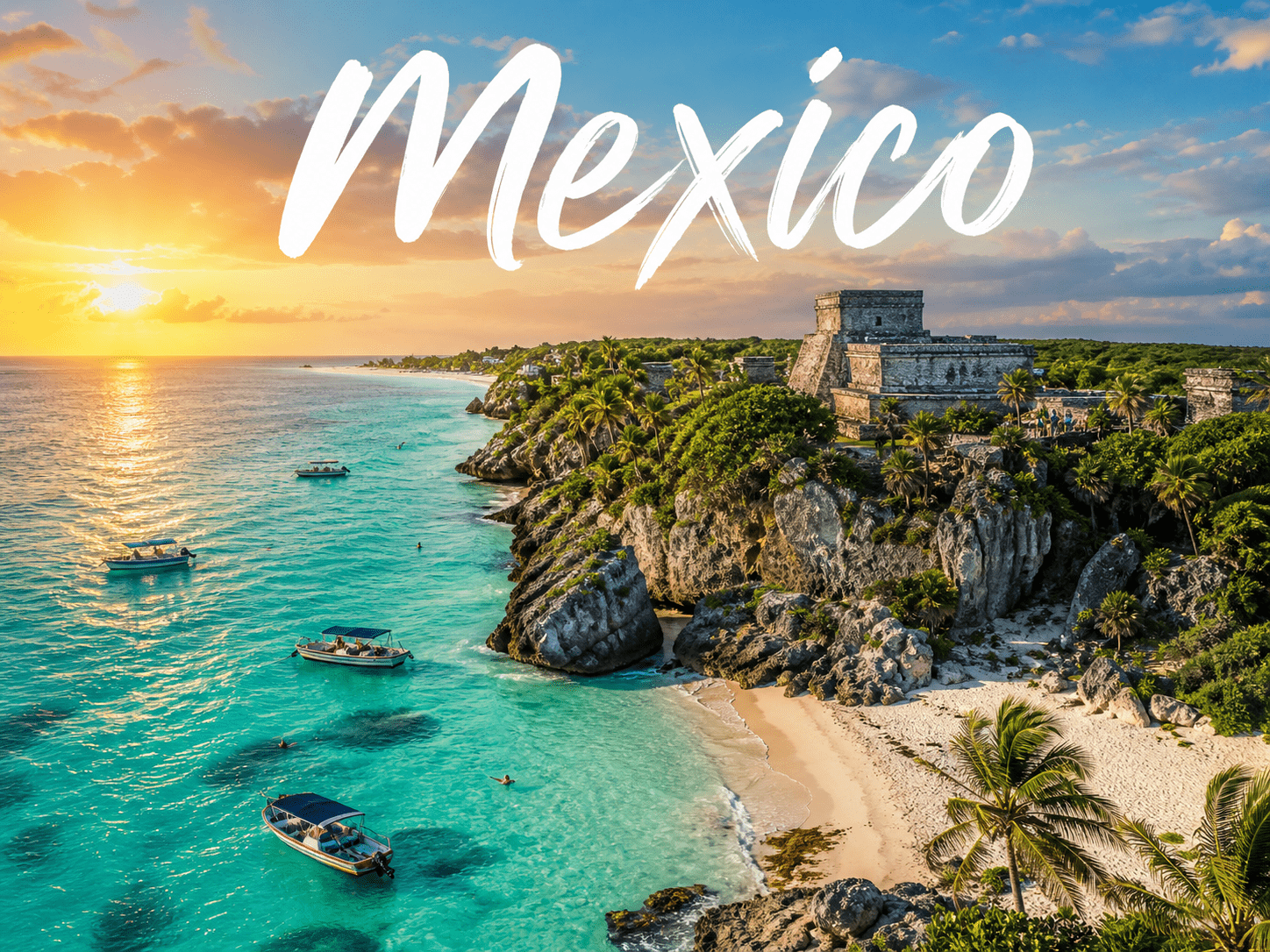
Tulum
Tulum
Known for:
- Beachfront ruins
- Caribbean coastline
- Eco-tourism
🏝 Tourism Experience
Overview
Tourism in this Latin American nation is highly developed and diverse.
Beach Tourism
Popular beach destinations include:
- Cancún
- Riviera Maya
- Pacific coast resorts
Cultural Tourism
Visitors explore:
- Historic cities
- Museums
- Ancient ruins
Adventure Tourism
Activities include:
- Hiking
- Diving
- Zip-lining
Urban Tourism
Cities offer:
- Nightlife
- Shopping
- Food experiences
🚤 Transportation & Travel
Air Travel
International airports connect the country globally.
Road Travel
Extensive road networks allow travel between cities and regions.
Rail & Bus Systems
Affordable public transport options are widely available.
🌐 Global Importance
This North American nation plays a role in:
- International trade
- Cultural exchange
- Tourism industry
It is part of:
- United Nations
- World Trade Organization
✨ Unique Facts
- One of the most visited countries in the world
- Rich blend of indigenous and Spanish culture
- Famous global cuisine
- Diverse landscapes and climates
- Strong tourism economy
- Historic archaeological sites
🎭 Culture and Daily Life
Cultural Identity
Culture in Mexico is one of the most vibrant in the world, blending ancient indigenous traditions with Spanish colonial influence and modern creativity.
This Latin American destination is known for colorful expressions in art, music, architecture, and everyday life. From small villages to major cities, cultural identity is deeply rooted in tradition and community.
Language and Society
- Spanish (primary language)
- Indigenous languages in some regions
Communication reflects a mix of ancient heritage and colonial history.
Religion and Traditions
Roman Catholicism plays a significant role in shaping traditions, festivals, and cultural practices across this North American nation.
Music and Dance
Popular cultural expressions include:
- Mariachi music
- Folk dances
- Regional performances
Music is an essential part of celebrations and social gatherings.
🎉 Festivals and Celebrations
Day of the Dead
One of the most famous festivals:
- Celebrates ancestors
- Features colorful altars
- Includes parades and traditional foods
Independence Day
Celebrated annually with:
- Fireworks
- Public events
- Cultural performances
Regional Festivals
Each region has unique festivals celebrating:
- Food
- Music
- Local traditions
🍽 Food Culture (Deep Dive)
Culinary Identity
Cuisine in this Latin American nation is recognized globally for its bold flavors and rich history.
Popular Foods
- Tacos
- Tamales
- Enchiladas
- Mole sauces
Street Food Scene
Street food culture is vibrant and widely accessible in cities and towns.
Desserts & Drinks
- Traditional sweets
- Chocolate-based desserts
- Coffee and fruit beverages
🗺 7-Day Travel Itinerary
Day 1: Arrival in Mexico City
Explore:
- Mexico City
- Historic center
- Museums
Day 2: Cultural Exploration
Visit:
- Local markets
- Art galleries
- Cultural landmarks
Day 3: Chichén Itzá Trip
Explore:
- Chichén Itzá
Learn about ancient civilization.
Day 4: Beach Day in Cancún
Relax in:
- Cancún
Enjoy beaches and water activities.
Day 5: Tulum Visit
Explore:
- Tulum
Experience coastal ruins and eco-tourism.
Day 6: Adventure & Nature
Activities:
- Jungle tours
- Snorkeling
- Outdoor adventures
Day 7: Shopping & Departure
Final shopping and local experiences.
🌐 External Links (High Authority SEO Sources)
Here are 5 strong external links you can use in your blog:
1. 🏛 UNESCO World Heritage Centre
https://whc.unesco.org
For cultural and historical heritage sites like ancient ruins.
2. ✈️ UN Tourism (World Tourism Organization)
https://www.unwto.org
For global tourism insights and travel data.
3. 🌐 World Bank Data
https://data.worldbank.org
For economic and population statistics.
4. 🌍 Government of Mexico Tourism Portal
https://www.visitmexico.com
Official tourism website for travel planning.
5. 🗺 Google Arts & Culture
https://artsandculture.google.com
For cultural history, art, and heritage content.
🌍 Global Importance
This North American country plays a major role in:
- Global tourism
- Cultural influence
- International trade
It is part of:
- United Nations
- World Trade Organization
🤔 Interesting Facts
- One of the most visited countries globally
- Rich indigenous heritage
- Famous worldwide cuisine
- Diverse landscapes and ecosystems
- Strong cultural identity
- Major tourism economy
📊 Final Summary
Mexico stands out as a destination that combines history, culture, nature, and modern experiences in one place.
Travelers exploring this Latin American destination can enjoy everything from ancient ruins and vibrant cities to stunning beaches and world-famous cuisine. Its diversity makes it one of the most exciting places to visit in the world.
Whether you are interested in culture, adventure, or relaxation, this North American nation offers an unforgettable journey.
📋 Key Facts Table
| Category | Details |
|---|---|
| Country | Mexico |
| Capital | Mexico City |
| Region | North America |
| Coordinates | 23.6345° N, 102.5528° W |
| Language | Spanish |
| Currency | Mexican Peso (MXN) |
| Population | ~126 million |
| Geography | Mountains, beaches, jungles |
| Famous Feature | Ancient ruins & cuisine |
| Climate | Varies by region |
| UN Membership | Yes |

