



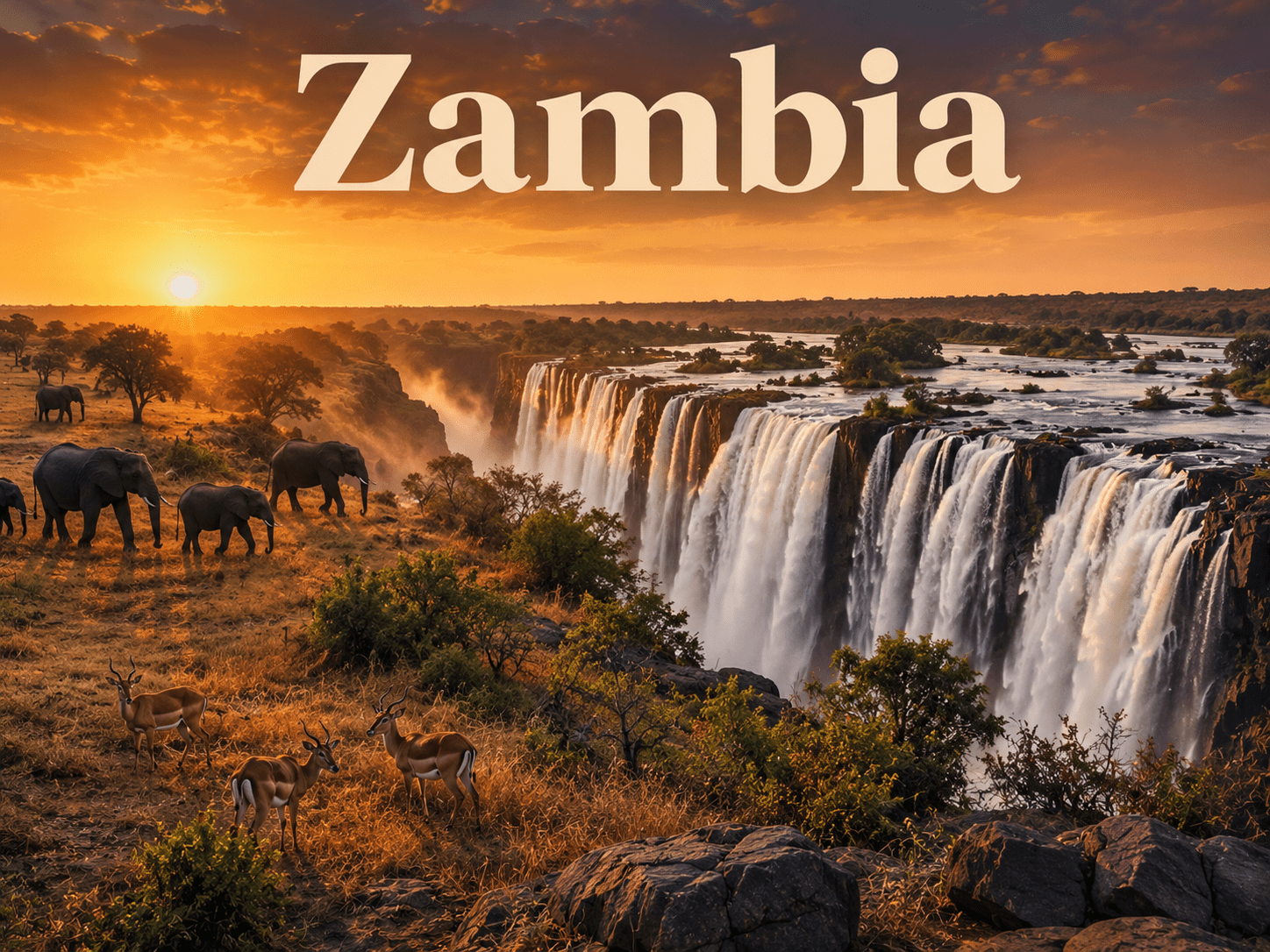
Introduction
Zambia is a fascinating country located in southern Africa and is widely known for extraordinary wildlife, powerful rivers, cultural diversity, and remarkable landscapes. This landlocked nation attracts travelers seeking natural beauty, adventure tourism, and rich traditions that have developed over centuries. From large national parks and waterfalls to vibrant cities and cultural festivals, the country offers experiences that appeal to visitors with different interests.
Historically, the region has witnessed migration, trade, and the rise of organized societies long before modern political structures appeared. Today, communities maintain traditions while embracing urban growth and economic development.
The nation is particularly famous for natural environments that support large populations of wildlife and for landscapes that include rivers, plateaus, forests, and wetlands.
Historical Background
The history of this African nation stretches back thousands of years and reflects the movement of people and civilizations across the continent.
Early Settlements
Archaeological evidence suggests that hunter-gatherer communities inhabited this region for long periods before larger organized societies emerged.
Bantu-speaking populations later migrated into the area and introduced:
- Agriculture
- Ironworking
- Trade systems
- New cultural traditions
Communities developed agricultural systems and local economies that influenced future social structures.
Trade and Kingdoms
Several historical kingdoms and chiefdoms expanded through trade and political organization.
Trade networks exchanged goods such as:
- Copper
- Salt
- Ivory
- Agricultural products
These exchanges connected local communities with wider regions of Africa.
Colonial Period
European influence expanded during the nineteenth century and changed political and economic systems.
During colonial administration, infrastructure projects and mining activities increased.
Independence Era
The modern nation gained independence in 1964.
Following independence, political and economic institutions gradually developed while the country strengthened international relationships.
Geographic Location and Natural Environment
The country occupies a central position within southern Africa.
Geographic Coordinates
Approximate coordinates:
15° South latitude and 30° East longitude
Neighboring Countries
Borders are shared with:
- Angola
- Democratic Republic of the Congo
- Tanzania
- Malawi
- Mozambique
- Zimbabwe
- Botswana
- Namibia
The location creates important regional connections for trade and transportation.
Major Landscapes
Natural environments include:
- Rivers
- Plateaus
- Forest regions
- Wetlands
- Valleys
- Grasslands
The country contains extensive natural ecosystems supporting many animal species.
Major Rivers
Several rivers shape landscapes and economic activity.
Important waterways include:
- Zambezi River
- Kafue River
- Luangwa River
These rivers contribute to agriculture, tourism, and wildlife habitats.
Culture and Traditions
Cultural diversity remains one of the strongest characteristics of this nation.
More than seventy ethnic communities contribute to traditions and social life.
Religion
Christianity represents the dominant religion, while traditional beliefs also continue to influence cultural practices.
Religion often shapes:
- Community gatherings
- Festivals
- Family traditions
- Social values
Traditional Music and Dance
Music and dance play significant roles in celebrations and ceremonies.
Traditional instruments may include:
- Drums
- String instruments
- Percussion tools
Dance performances often occur during:
- Weddings
- Harvest celebrations
- Cultural festivals
- Community events
Food and Cuisine
Traditional dishes commonly include locally produced ingredients.
Popular foods include:
- Nshima
- Fish dishes
- Meat stews
- Vegetables
- Groundnut-based meals
Meals frequently represent social experiences shared among families and communities.
Festivals and Celebrations
Cultural festivals preserve historical traditions and community identity.
Examples include:
- Traditional ceremonies
- Harvest celebrations
- Cultural events
- Music festivals
Internal Links:
External DoFollow Links:
Economy and Industries
The economy has developed through a combination of mining activity, agriculture, trade, manufacturing, and service industries. Natural resources have historically played a major role in economic growth, while expanding sectors such as tourism and commerce continue creating opportunities.
Economic activity differs across regions, with urban centers emphasizing business and services while rural areas often depend on farming and local markets.
Mining Industry
Mining remains one of the most significant sectors of the economy.
Major mineral resources include:
- Copper
- Cobalt
- Emeralds
- Gold
- Nickel
Copper production has historically been especially important and has contributed significantly to exports and industrial development.
Mining regions have helped create employment opportunities and infrastructure growth.
Agriculture
Agriculture supports many communities and contributes to food production and trade.
Major agricultural products include:
- Maize
- Sugarcane
- Tobacco
- Cotton
- Soybeans
- Wheat
Farming activities range from small local operations to larger commercial agricultural projects.
Livestock production also contributes to economic activity.
Manufacturing and Industry
Manufacturing industries include:
- Food processing
- Textiles
- Construction materials
- Consumer products
- Chemical products
Urban industrial centers support domestic markets and trade activities.
Tourism Sector
Tourism contributes to economic development through natural attractions, wildlife experiences, and cultural destinations.
Visitors commonly travel for:
- Wildlife safaris
- Adventure activities
- National parks
- Cultural experiences
- Nature photography
Currency and Trade Information
The national currency is:
Zambian Kwacha (ZMW)
Major export products include:
- Copper
- Cobalt
- Agricultural products
- Precious stones
Imports commonly include:
- Machinery
- Fuel products
- Vehicles
- Consumer goods
- Technology products
Regional and international trade relationships support economic development.
Official Language and Common Dialects
Language diversity represents an important characteristic of society.
Official Language
The official language is:
English
English is widely used in:
- Government institutions
- Education systems
- Media
- Business activities
Commonly Spoken Languages
Several local languages are also widely spoken.
Examples include:
- Bemba
- Nyanja
- Tonga
- Lozi
- Kaonde
- Lunda
- Luvale
Different communities use these languages in daily communication and cultural traditions.
Language diversity contributes to national identity and social interaction.
Major Cities and Urban Centers
Urban areas combine modern development with historical and cultural importance.
Lusaka — Capital City
The capital city is Lusaka
Lusaka serves as the country’s major political and economic center.
Important features include:
- Government institutions
- Shopping districts
- Educational facilities
- Business centers
- Cultural locations
Kitwe
Kitwe
Kitwe is recognized for:
- Mining activity
- Commercial development
- Industrial growth
Ndola
Ndola
Ndola functions as an important economic center.
Notable characteristics include:
- Trade activity
- Manufacturing facilities
- Transportation connections
Livingstone
Livingstone
Livingstone is widely known for tourism and access to nearby natural attractions.
Visitors appreciate:
- Adventure activities
- Historical sites
- Wildlife experiences
Kabwe
Kabwe
Kabwe has historical importance and supports industrial and commercial activity.
Tourist Attractions and Places to Explore
Travel experiences include wildlife areas, rivers, waterfalls, and cultural destinations.
Victoria Falls
Victoria Falls
This destination is among the world’s most famous waterfalls.
Popular activities include:
- Scenic viewpoints
- Photography
- River adventures
- Guided tours
South Luangwa National Park
South Luangwa National Park
Visitors often travel here for:
- Wildlife safaris
- Birdwatching
- Nature photography
- Guided exploration
Animal species commonly include:
- Elephants
- Lions
- Giraffes
- Zebras
- Leopards
Kafue National Park
Kafue National Park
Features include:
- Large grasslands
- Wetlands
- Diverse wildlife habitats
Lower Zambezi National Park
Lower Zambezi National Park
Visitors enjoy:
- Canoeing activities
- Safari experiences
- Wildlife viewing
- River landscapes
International Organizations and Global Participation
The country participates in international organizations and regional cooperation efforts.
Membership includes:
- United Nations
- African Union
- Southern African Development Community
- World Trade Organization
Participation in these organizations supports:
- Economic cooperation
- Regional development
- International partnerships
- Global initiatives
Unique and Interesting Facts
This African nation contains many fascinating characteristics that attract travelers, wildlife enthusiasts, and researchers.
- It is home to one of the world’s most famous waterfalls, Victoria Falls.
- The Zambezi River supports ecosystems, tourism activities, and communities across the region.
- Large protected wildlife areas cover significant parts of the country.
- More than seventy ethnic groups contribute to cultural diversity and traditional practices.
- Walking safaris became especially popular here and remain a distinctive tourism experience.
- Traditional ceremonies continue preserving customs that have been passed across generations.
- Emerald mining contributes to international gemstone markets.
- National parks support populations of elephants, lions, leopards, buffalo, and many bird species.
Best Time to Visit
Climate patterns influence travel experiences throughout the year.
Dry Season (May to October)
This period is often considered the most favorable for tourism because:
- Temperatures are generally comfortable
- Wildlife viewing becomes easier
- Roads are often more accessible
- Outdoor activities become more convenient
Safari experiences frequently improve because animals gather around water sources.
Green Season (November to April)
Characteristics of this season include:
- Increased rainfall
- Greener landscapes
- Migratory bird activity
- Scenic natural environments
Travelers interested in photography and landscapes may appreciate this period.
Transportation and Getting Around
Travel infrastructure connects major cities and tourism regions.
Air Transportation
Domestic and international air services connect important urban centers and tourist destinations.
Travelers frequently use airports near:
- Lusaka
- Livingstone
- Ndola
Road Transportation
Road travel remains one of the most common transportation methods.
Options include:
- Private vehicles
- Rental cars
- Public buses
- Taxis
Road quality may vary depending on region and distance.
Rail Transportation
Rail systems support both passenger and cargo movement.
Rail routes help connect major commercial and industrial areas.
Local Transportation
Urban transportation commonly includes:
- Shared taxis
- Minibuses
- Public transport services
Travel Tips
Helpful travel suggestions include:
- Carry local currency for small purchases
- Keep travel documents available
- Confirm transportation arrangements before long journeys
- Carry suitable clothing for changing weather conditions
- Review travel information before planning trips
Final Summary
Zambia offers a combination of wildlife experiences, cultural richness, natural landscapes, and historical importance. Rivers, forests, waterfalls, and national parks create environments that attract visitors from around the world.
Traditional customs remain important across communities, while urban centers continue expanding and supporting economic growth. Diverse languages, festivals, and local traditions contribute to a distinctive cultural identity.
From wildlife adventures and scenic landscapes to historic communities and vibrant cities, Zambia provides opportunities for travelers seeking nature, culture, and memorable experiences.
Key Facts Table
| Category | Information |
|---|---|
| Official Name | Republic of Zambia |
| Capital | Lusaka |
| Continent | Africa |
| Region | Southern Africa |
| Coordinates | Approximately 15°S, 30°E |
| Official Language | English |
| Currency | Zambian Kwacha (ZMW) |
| Major Industries | Mining, agriculture, tourism, manufacturing |
| Major Exports | Copper, cobalt, gemstones, agricultural products |
| Religion | Christianity |
| UN Membership | Member of United Nations |
| Neighboring Countries | Angola, Democratic Republic of the Congo, Tanzania, Malawi, Mozambique, Zimbabwe, Botswana, Namibia |
| Major Attractions | Victoria Falls, South Luangwa National Park, Kafue National Park |
| Best Travel Season | May–October |

