



Introduction
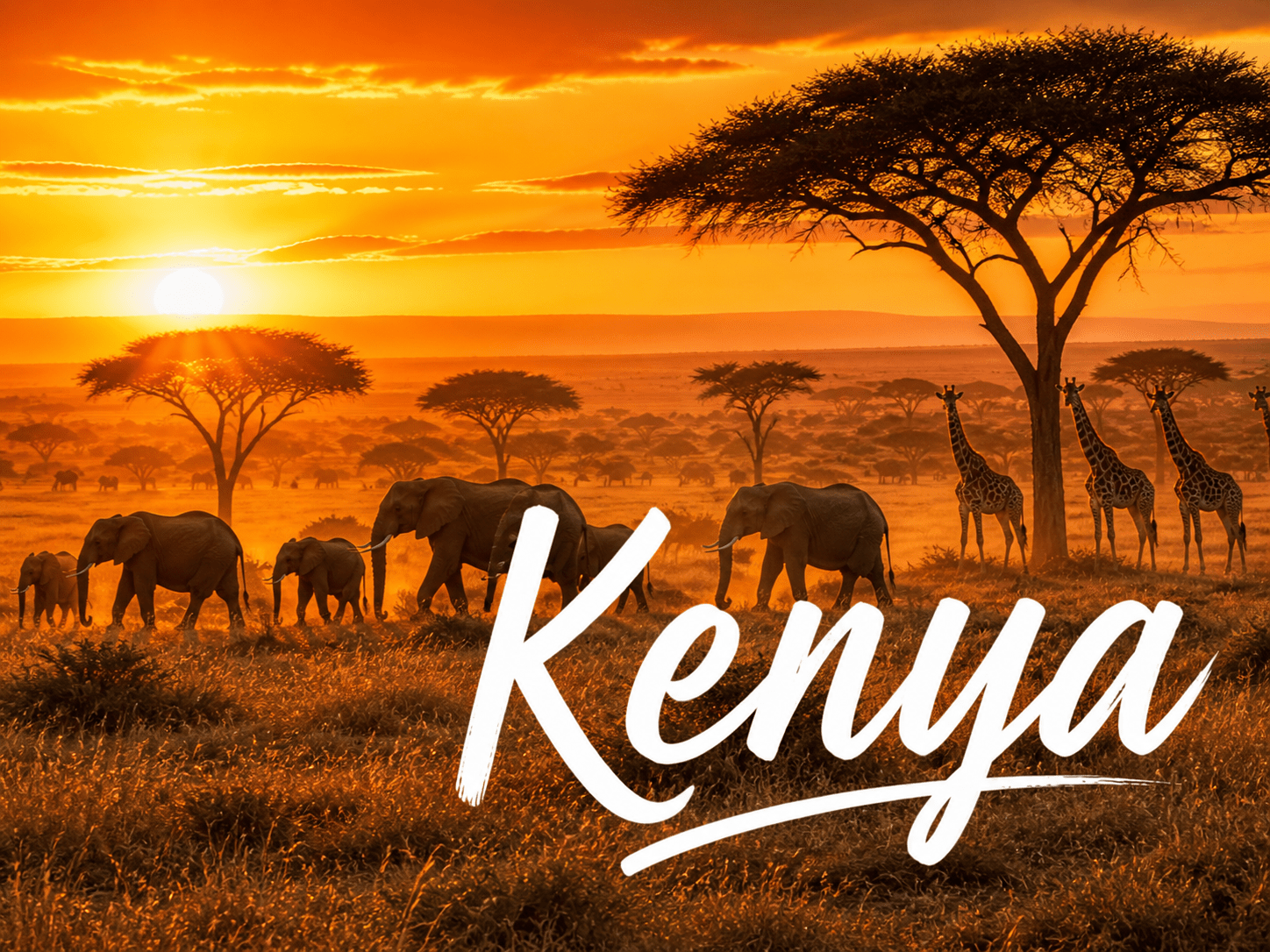
Kenya is one of the most iconic travel destinations in Africa, famous for its wildlife safaris, breathtaking landscapes, and vibrant cultural heritage. Located in East Africa, Kenya offers an incredible mix of savannahs, mountains, lakes, and coastal beaches.
Travelers from around the world visit Kenya to experience the Great Migration, explore national parks, and meet diverse ethnic communities. From modern cities to remote wilderness, Kenya is a country full of natural beauty and cultural richness.
🏛 History of Kenya
Early Human Origins
The history of Kenya is deeply significant because some of the earliest human fossils were discovered here. Archaeological findings suggest that Kenya is part of the “Cradle of Humanity.”
Colonial Period
During the late 19th century, Kenya became part of British East Africa. The construction of railways and infrastructure shaped the early modern development of Kenya.
Independence Movement
After years of struggle, Kenya gained independence in 1963, becoming a sovereign nation. Since then, Kenya has grown into one of the most stable economies in East Africa.
🌍 Geography of Kenya
Location and Coordinates
Kenya is located in East Africa.
- Coordinates: 0.0236° S, 37.9062° E
- Continent: Africa
Neighboring Countries
Kenya shares borders with:
- Tanzania
- Uganda
- South Sudan
- Ethiopia
- Somalia
Landscape of Kenya
The geography of Kenya is extremely diverse:
- Savannas
- Mountains
- Lakes
- Coastal beaches
One of the most famous landscapes is the Great Rift Valley running through Kenya.
Climate
Kenya has a tropical climate with variation by region:
- Warm coastal areas
- Cooler highlands
- Dry northern regions
🎭 Culture of Kenya
Traditions and Lifestyle
Culture in Kenya is diverse due to more than 40 ethnic groups. Each community contributes unique traditions, clothing, and languages.
Hospitality and community life are very important across Kenya.
Major Ethnic Groups
Some major groups in Kenya include:
- Kikuyu
- Luo
- Maasai
- Kalenjin
Maasai Culture
The Maasai community is one of the most recognized cultural groups in Kenya, known for traditional clothing, dance, and cattle herding lifestyle.
Festivals and Celebrations
Festivals in Kenya include:
- Cultural heritage festivals
- National holidays
- Traditional ceremonies
Language in Kenya
- Swahili (national language)
- English (official language)
Many local dialects are also spoken across Kenya.
🏙 Major Cities of Kenya
Nairobi (Capital)
Nairobi is:
- Capital of Kenya
- Economic hub
- Gateway to safari tourism
Mombasa
Mombasa is:
- Coastal city
- Known for beaches and history
Kisumu
Kisumu is:
- Located near Lake Victoria
- Fishing and trade center
🌐 Kenya in Global Organizations
Kenya is a member of:
African Union
United Nations
💰 Economy of Kenya
Overview of the Economy
The economy of Kenya is one of the most developed in East Africa. It is a mixed economy driven by agriculture, tourism, services, and a rapidly growing technology sector.
Over the years, Kenya has become a regional hub for trade and innovation, especially in finance and mobile banking. Despite challenges, Kenya continues to show strong economic growth supported by urban development and international investment.
Key Economic Sectors
1. Agriculture
Agriculture is the backbone of Kenya’s economy, employing a large portion of the population.
Major agricultural products include:
- Tea
- Coffee
- Flowers
- Maize
Exports from Kenya agriculture are important for global trade.
2. Tourism Industry
Tourism is one of the most important sectors in Kenya. Millions of travelers visit Kenya to experience wildlife safaris, national parks, and coastal resorts.
Tourism generates significant foreign exchange and supports thousands of jobs in Kenya.
3. Technology and Innovation
Kenya is often called the “Silicon Savannah” due to its growing tech industry.
Mobile payment systems like M-Pesa have transformed financial services across Kenya and beyond.
4. Manufacturing and Services
Urban centers like Nairobi drive manufacturing and services, including:
- Banking
- Construction
- Telecommunications
Currency of Kenya
The official currency of Kenya is:
- Kenyan Shilling (KES)
Trade Partners
Kenya trades with:
- United States
- China
- United Kingdom
- India
Exports include tea, coffee, and horticultural products.
Economic Strengths & Challenges
Strengths:
- Strong agricultural base
- Growing tech sector
- Strategic location in East Africa
Challenges:
- Income inequality
- Infrastructure gaps
- Climate-related risks
International institutions such as the
- World Bank
- International Monetary Fund
support development and reforms in Kenya.
🦁 Safari Tourism in Kenya
Overview of Safari Tourism
Tourism in Kenya is world-famous for its wildlife safaris. The country offers some of the best safari experiences on the planet, attracting millions of visitors each year.
🏞 Maasai Mara National Reserve
One of the most iconic destinations in Kenya is the Maasai Mara, known for the Great Migration, where millions of wildebeest and zebras move across the plains.
🐘 Amboseli National Park
Amboseli is famous for:
- Large elephant herds
- Views of Mount Kilimanjaro
It is one of the most photographed parks in Kenya.
🦓 Tsavo National Park
Tsavo is one of the largest parks in Kenya, known for:
- Diverse wildlife
- Red elephants
- Vast landscapes
🦒 Nairobi National Park
Located near the capital, this park allows visitors to see wildlife against a city skyline—unique to Kenya.
🌿 Natural Attractions
Great Rift Valley
The Great Rift Valley runs through Kenya, offering lakes, volcanoes, and dramatic landscapes.
Lake Nakuru
Lake Nakuru is famous for:
- Flamingos
- Rhinos
- Birdwatching
Mount Kenya
The second-highest mountain in Africa, Mount Kenya offers:
- Hiking
- Climbing
- Scenic beauty
🏖 Coastal Tourism in Kenya
Mombasa Beaches
The coastal region of Kenya features:
- White sand beaches
- Coral reefs
- Marine life
Diani Beach
Diani is one of the most popular beach destinations in Kenya, known for luxury resorts and clear waters.
✨ Unique Facts About Kenya
- Kenya is home to the Great Migration
- It has one of Africa’s strongest economies
- Nairobi is a major international business hub
- Kenya is known as the “Cradle of Humanity”
- It has both savannah and coastal ecosystems
🌆 Major Cities Overview
Nairobi
- Capital of Kenya
- Business and tech hub
Mombasa
- Coastal tourism center
- Historical port city
Nakuru
- Agricultural region
- Wildlife and lakes
✈️ Best Time to Visit Kenya
Ideal Travel Seasons
The best time to visit Kenya is:
- June to October (dry season)
- January to February
Seasonal Highlights
- Dry season: best for safaris
- Wet season: lush landscapes and birdwatching
🚆 Transportation in Kenya
Getting Around
Travel options in Kenya include:
- Domestic flights
- Safari vehicles
- Matatus (local minibuses)
- Trains between major cities
Travel Tips
- Use guided safari tours
- Carry light clothing for hot climates
- Respect wildlife rules
🔗 External DoFollow Links
- United Nations: https://www.un.org
- World Bank: https://www.worldbank.org
- UNESCO: https://whc.unesco.org
🎭 Deep Cultural Insights
Traditions and Daily Life
Life in Kenya is shaped by strong community values, respect for elders, and cultural diversity. With over 40 ethnic groups, traditions vary widely across regions, but hospitality is a shared cultural trait throughout Kenya.
In both rural and urban areas of Kenya, social life revolves around family, music, storytelling, and community gatherings. Traditional customs are still widely practiced alongside modern lifestyles.
Ethnic Diversity
One of the most remarkable aspects of Kenya is its ethnic diversity. Each group contributes unique traditions, clothing, music, and language.
Major communities include:
- Kikuyu
- Luo
- Luhya
- Kalenjin
- Maasai
This diversity makes cultural life in Kenya rich and dynamic.
Religion in Kenya
Religion plays an important role in daily life across Kenya. The population mainly follows:
- Christianity
- Islam
- Indigenous beliefs
Religious tolerance is widely respected throughout Kenya, contributing to national unity.
Music, Dance & Arts
Music is a powerful cultural expression in Kenya. Traditional drumming, folk songs, and dance are used in ceremonies and celebrations.
Modern Kenya also has a growing music industry, including Afrobeat, hip-hop, and gospel music.
Art in Kenya includes:
- Wood carving
- Beadwork
- Paintings
- Textile design
Festivals and Celebrations
Festivals in Kenya reflect both cultural and national identity.
- Jamhuri Day (Independence celebration)
- Madaraka Day
- Cultural heritage festivals
- Maasai ceremonies
These events highlight unity and tradition across Kenya.
🍽 Food Culture of Kenya
Traditional Cuisine
Food in Kenya is diverse, hearty, and influenced by different ethnic communities.
Popular dishes include:
- Ugali (cornmeal staple)
- Nyama Choma (grilled meat)
- Sukuma Wiki (collard greens)
- Githeri (beans and corn mix)
Meals in Kenya are often shared and eaten in groups, reflecting strong community values.
Coastal Cuisine
Along the coast of Kenya, food is influenced by Swahili culture:
- Coconut rice
- Seafood dishes
- Spiced curries
Street Food Culture
Street food is popular in cities across Kenya:
- Samosas
- Chapati
- Roasted maize
Street food reflects everyday life in urban Kenya.
Drinks and Beverages
Common drinks in Kenya include:
- Chai (tea with milk and spices)
- Fresh fruit juices
- Traditional fermented drinks in rural areas
Tea production is also a major export of Kenya.
🗺 7-Day Travel Itinerary
Day 1: Arrival in Nairobi
Explore:
- City skyline
- Local markets
- Cultural centers
Day 2: Nairobi National Park
Visit:
- Nairobi National Park
Experience wildlife just outside the capital of Kenya.
Day 3: Maasai Mara Safari
Explore:
- Maasai Mara National Reserve
Witness the Great Migration in Kenya.
Day 4: Lake Nakuru
Visit:
- Flamingos
- Rhinos
- Scenic lake views
Day 5: Mount Kenya Region
Explore:
- Hiking trails
- Mountain scenery
Day 6: Mombasa Coast
Enjoy:
- Beaches
- Old town history
Day 7: Relax & Departure
Final shopping and departure from Kenya.
🌍 Kenya in Global Organizations
Kenya plays an active role in global diplomacy and international cooperation:
- United Nations
- African Union
- Commonwealth of Nations
These memberships strengthen trade, security, and development partnerships for Kenya.
🤔 Interesting Facts About Kenya
- Kenya is the global leader in safari tourism
- The Great Rift Valley runs through Kenya
- Nairobi is a major tech hub in Africa
- Kenya has both savannah and coastal ecosystems
- The Maasai culture is internationally recognized
- Wildlife conservation is a national priority in Kenya
🔗 Internal Link Suggestion
If you enjoyed this guide, explore:
➡️ Jordan Travel Guide
📊 Final Summary
Kenya is one of Africa’s most diverse and exciting destinations, offering wildlife safaris, stunning landscapes, rich culture, and modern urban development. From the vast savannahs of Maasai Mara to the beaches of Mombasa, Kenya provides unforgettable travel experiences.
The combination of natural beauty, cultural diversity, and economic growth makes Kenya one of the most important and attractive countries in Africa.
📋 Key Facts Table
| Category | Details |
|---|---|
| Country | Kenya |
| Capital | Nairobi |
| Continent | Africa |
| Coordinates | 0.0236° S, 37.9062° E |
| Language | Swahili, English |
| Currency | Kenyan Shilling (KES) |
| Population | ~55 million |
| Government | Presidential republic |
| Famous Landmark | Maasai Mara |
| Climate | Tropical |
| UN Membership | Yes |
List of All 195 Countries
- Afghanistan
- Albania
- Algeria
- Andorra
- Angola
- Antigua and Barbuda
- Argentina
- Armenia
- Australia
- Austria
- Azerbaijan
- Bahamas
- Bahrain
- Bangladesh
- Barbados
- Belarus
- Belgium
- Belize
- Benin
- Bhutan
- Bolivia
- Bosnia and Herzegovina
- Botswana
- Brazil
- Brunei
- Bulgaria
- Burkina Faso
- Burundi
- Cabo Verde
- Cambodia
- Cameroon
- Canada
- Central African Republic
- Chad
- Chile
- China
- Colombia
- Comoros
- Congo (Congo-Brazzaville)
- Costa Rica

