



🌍 Introduction
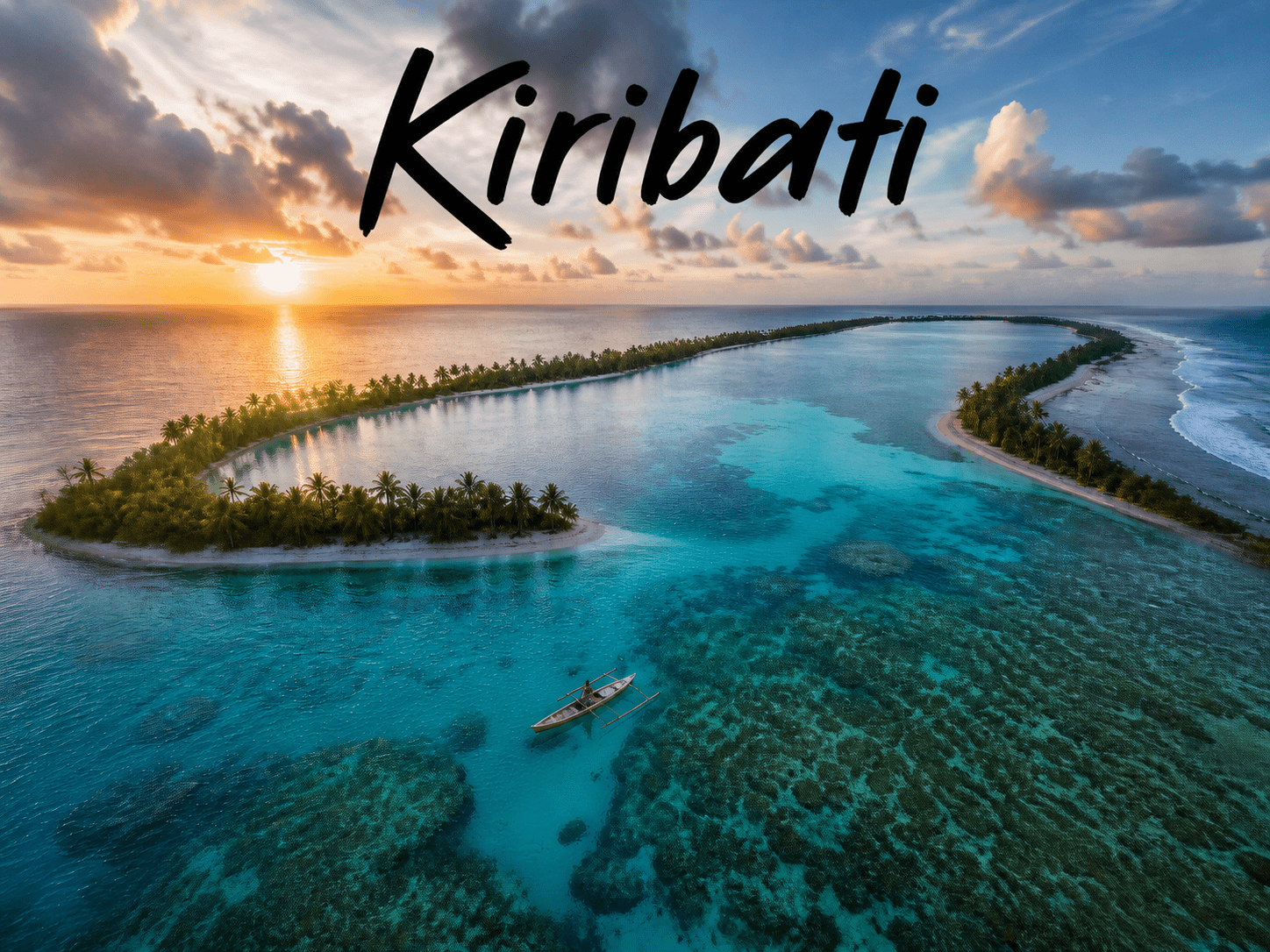
Kiribati is a remote island nation located in the central Pacific Ocean, known for its stunning coral atolls, vast ocean territory, and unique island culture. Spread across a massive stretch of the Pacific, this country is unlike any other on Earth.
Life in Kiribati is deeply connected to the sea, with fishing, canoe traditions, and coastal living forming the foundation of everyday life. Despite its small land area, this island nation has one of the largest ocean territories in the world.
Travelers and researchers are often fascinated by Kiribati because of its geographical uniqueness, cultural heritage, and environmental importance.
🏛 History of Kiribati
Early Settlement
The earliest inhabitants arrived thousands of years ago from Micronesia and Polynesia. These communities developed strong maritime skills, shaping the identity of modern island life.
Colonial Influence
In the 19th century, the islands came under British control as part of the Gilbert and Ellice Islands Colony. During this period, Christianity and Western administrative systems were introduced.
Independence
In 1979, independence was achieved, and the nation became a sovereign state. Since then, it has maintained its cultural identity while adapting to global challenges.
🌎 Geography of Kiribati
Location and Coordinates
This island nation is located in the central Pacific Ocean:
- Coordinates: 1.8709° N, 157.3627° W
- Region: Micronesia / Pacific Islands
Island Structure
The country is made up of three main island groups:
- Gilbert Islands
- Phoenix Islands
- Line Islands
These islands are spread across a vast ocean area, making the nation one of the most geographically dispersed in the world.
Landscape Features
The geography consists mainly of:
- Coral atolls
- Lagoons
- Sandy beaches
- Shallow reef systems
Most land is flat and low-lying, making it highly sensitive to rising sea levels.
Climate
The climate is tropical and oceanic:
- Warm temperatures year-round
- High humidity
- Seasonal rainfall variations
- Influenced by ocean currents and El Niño cycles
🎭 Culture and Traditions
Island Lifestyle
Daily life is closely tied to the ocean. Fishing, canoe building, and community living are central to culture across the islands.
Villages are tightly connected, and cooperation plays an important role in survival and social life.
Traditional Practices
Cultural traditions include:
- Navigation using stars and ocean patterns
- Handcrafted canoes
- Storytelling and oral history
- Traditional dances and songs
These customs preserve ancient knowledge passed through generations.
Religion and Beliefs
Christianity is the dominant religion, introduced during colonial times. Churches play a central role in community life and social gatherings.
Language
Two main languages are spoken:
- Gilbertese (I-Kiribati)
- English (official language)
Local dialects are also present across different islands.
🏙 Major Regions
South Tarawa (Capital Area)
This is the administrative and population center:
- Government offices
- Main infrastructure
- Most developed region
Kiritimati Island
Also known as Christmas Island, it is:
- The largest coral atoll in the world
- Important for fishing and conservation
- Sparsely populated
Outer Islands
These islands are:
- Remote and less developed
- Strongly traditional
- Less influenced by urbanization
🌐 Global Memberships
The nation actively participates in global organizations such as:
- United Nations
- Pacific Islands Forum
These partnerships support development, climate action, and international cooperation.
💰 Economy of Kiribati
Overview of the Economy
The economy of this Pacific island nation is small, remote, and heavily dependent on natural resources and external support. Due to its isolated geography and limited land area, economic activities are mainly centered around fishing, government services, and international aid.
Despite its challenges, this island country maintains a strong cultural economy based on community cooperation and marine resources.
Key Economic Sectors
1. Fishing Industry
Fishing is the backbone of the economy. Tuna fisheries in surrounding ocean waters generate most export revenue. Licensing foreign fishing vessels is also a major source of income.
The ocean plays a central role in daily life and survival for local communities.
2. Public Sector and Government Services
Government employment is one of the largest formal sectors. Many people rely on public services for income and infrastructure support.
3. Remittances
A significant portion of income comes from citizens working abroad, especially in maritime industries. These remittances support families and local economies.
4. International Aid
Due to climate and geographic challenges, international aid plays an important role in development, infrastructure, and climate resilience programs.
Organizations like the
- World Bank
provide financial and technical assistance for long-term sustainability.
Currency and Trade
- Currency: Australian Dollar (AUD)
Exports mainly include:
- Fish products
- Copra (dried coconut)
Imports include:
- Food
- Fuel
- Construction materials
Economic Challenges
Major challenges include:
- Geographic isolation
- Limited natural resources
- Climate change threats
- Rising sea levels
These challenges significantly impact development and long-term planning.
🌊 Environment & Climate Challenges
Rising Sea Levels
One of the most serious threats to this island nation is rising sea levels. Since most land is only a few meters above sea level, even small changes in ocean levels can have major impacts.
Climate Conditions
The climate is:
- Hot and humid year-round
- Affected by El Niño and La Niña cycles
- Prone to occasional droughts
Environmental Protection Efforts
Conservation programs focus on:
- Marine ecosystem protection
- Coral reef preservation
- Sustainable fishing practices
International organizations like the
- United Nations
support climate adaptation initiatives.
🏝 Tourism in Kiribati
Overview of Tourism
Tourism is still developing due to remote location, but travelers who visit experience untouched natural beauty and authentic island culture.
🌴 Island Attractions
1. Tarawa Lagoon
The capital region features calm lagoons, traditional villages, and historical WWII sites.
2. Kiritimati Island
This large coral atoll is famous for:
- Fishing
- Birdwatching
- Remote beaches
It is one of the largest coral atolls in the world.
3. Phoenix Islands Protected Area
A UNESCO-recognized marine conservation zone with rich biodiversity and coral ecosystems.
🌊 Ocean Activities
Visitors enjoy:
- Snorkeling
- Fishing
- Canoeing
- Lagoon swimming
The ocean is the central attraction across all islands.
✨ Unique Facts
- The country spans across all four hemispheres
- It is one of the most remote nations on Earth
- Some islands are almost untouched by tourism
- Traditional canoe navigation is still practiced
- Time zones differ widely across island groups
🌆 Settlements Overview
South Tarawa
- Capital region
- Administrative center
- Most populated area
Kiritimati Island
- Largest atoll globally
- Important fishing hub
Outer Islands
- Traditional lifestyle
- Low population density
- Strong cultural preservation
✈️ Best Time to Visit
Ideal Season
The best time to visit is:
- May to October (drier season)
Weather Notes
- Warm year-round
- Occasional heavy rain
- High humidity
🚤 Transportation
Getting Around
Travel options are limited:
- Small domestic flights
- Boats between islands
- Walking in villages
Travel Tips
- Plan transport in advance
- Carry essentials due to limited stores
- Respect local customs
🔗 External Links
- United Nations: https://www.un.org
- World Bank: https://www.worldbank.org
- UNESCO: https://whc.unesco.org
🎭 Deep Cultural Insights
Daily Life and Community Values
Life in this Pacific island nation is strongly centered around community, family, and cooperation. People live in close-knit villages where sharing resources and supporting neighbors is an essential part of daily life.
Even in modern times, traditional values remain strong, and cultural identity is deeply respected across the islands.
Ocean-Based Culture
The ocean is not just geography—it is lifestyle, food source, and cultural foundation. Fishing plays a vital role in survival and social life.
Traditional canoe building and navigation skills are still practiced, reflecting centuries of maritime knowledge passed through generations.
Religion and Society
Christianity is the dominant religion, and churches are central to community life. Religious events, Sunday gatherings, and festivals are widely observed across all islands.
Faith plays a strong role in unity and social structure.
Music, Dance & Storytelling
Cultural expression is rich and vibrant. Traditional songs and dances are performed during celebrations and community events.
Storytelling is an important way of preserving history, myths, and navigation knowledge.
Festivals and Celebrations
Major events include:
- Independence Day celebrations
- Church festivals
- Community feasts and gatherings
These celebrations bring together entire villages and highlight cultural unity.
🍽 Food Culture
Traditional Diet
Food is simple, fresh, and heavily based on ocean resources.
Common foods include:
- Fresh fish
- Coconut-based dishes
- Breadfruit
- Pandanus fruit
Meals are often shared communally, reflecting strong social bonds.
Cooking Style
Cooking methods are traditional:
- Earth ovens
- Open fire grilling
- Coconut-based preparations
Food preparation is often a communal activity.
Drinks and Local Refreshments
Popular drinks include:
- Coconut water
- Fresh juice from local fruits
- Traditional herbal infusions
Water and coconut products are essential in daily life.
🗺 7-Day Travel Itinerary
Day 1: Arrival in South Tarawa
Explore:
- Local villages
- Lagoon views
- Cultural introduction
Day 2: Coastal Exploration
Visit:
- Lagoon beaches
- Fishing communities
Day 3: Cultural Experience Day
Learn about:
- Traditional canoe building
- Local crafts
- Storytelling sessions
Day 4: Ocean Activities
Enjoy:
- Snorkeling
- Canoe rides
- Lagoon swimming
Day 5: Kiritimati Island
Travel to:
- Kiritimati Island
Explore its vast coral landscapes.
Day 6: Nature & Wildlife
Experience:
- Birdwatching
- Marine ecosystems
- Coral reefs
Day 7: Relax & Departure
Final village visit and departure.
🌍 Global Importance
This island nation plays a key role in global climate discussions due to its vulnerability to rising sea levels.
It actively participates in international cooperation through:
- United Nations
- Climate change programs
- Pacific regional partnerships
🌊 Environmental Challenges
Rising Sea Levels
One of the biggest challenges is climate change. Since most land is extremely low-lying, even small increases in ocean levels can impact settlements and infrastructure.
Coastal Erosion
Shoreline erosion is affecting villages and freshwater sources.
Sustainability Efforts
Efforts focus on:
- Marine conservation
- Sustainable fishing
- Environmental awareness
✨ Unique Facts
- The country spans all four hemispheres
- One of the most remote nations on Earth
- Time zones vary across island groups
- Traditional navigation is still used
- Some islands are almost untouched by tourism
🔗 Internal Link Suggestion
Explore next:
➡️ Kenya Travel Guide
📊 Final Summary
This Pacific island nation is one of the most geographically unique countries in the world. With its scattered coral atolls, ocean-based lifestyle, and deep cultural traditions, it offers a rare glimpse into a way of life closely connected to nature.
Despite environmental challenges, the community remains resilient, preserving traditions while adapting to modern global changes.
📋 Key Facts Table
| Category | Details |
|---|---|
| Country | Kiribati |
| Capital | South Tarawa |
| Region | Pacific Ocean |
| Coordinates | 1.8709° N, 157.3627° W |
| Language | Gilbertese, English |
| Currency | Australian Dollar (AUD) |
| Population | ~120,000 |
| Government | Republic |
| Famous Feature | Coral atolls |
| Climate | Tropical oceanic |
| UN Membership | Yes |
List of All 195 Countries
- Afghanistan
- Albania
- Algeria
- Andorra
- Angola
- Antigua and Barbuda
- Argentina
- Armenia
- Australia
- Austria
- Azerbaijan
- Bahamas
- Bahrain
- Bangladesh
- Barbados
- Belarus
- Belgium
- Belize
- Benin
- Bhutan
- Bolivia
- Bosnia and Herzegovina
- Botswana
- Brazil
- Brunei
- Bulgaria
- Burkina Faso
- Burundi
- Cabo Verde
- Cambodia
- Cameroon
- Canada
- Central African Republic
- Chad
- Chile
- China
- Colombia
- Comoros
- Congo (Congo-Brazzaville)
- Costa Rica

