



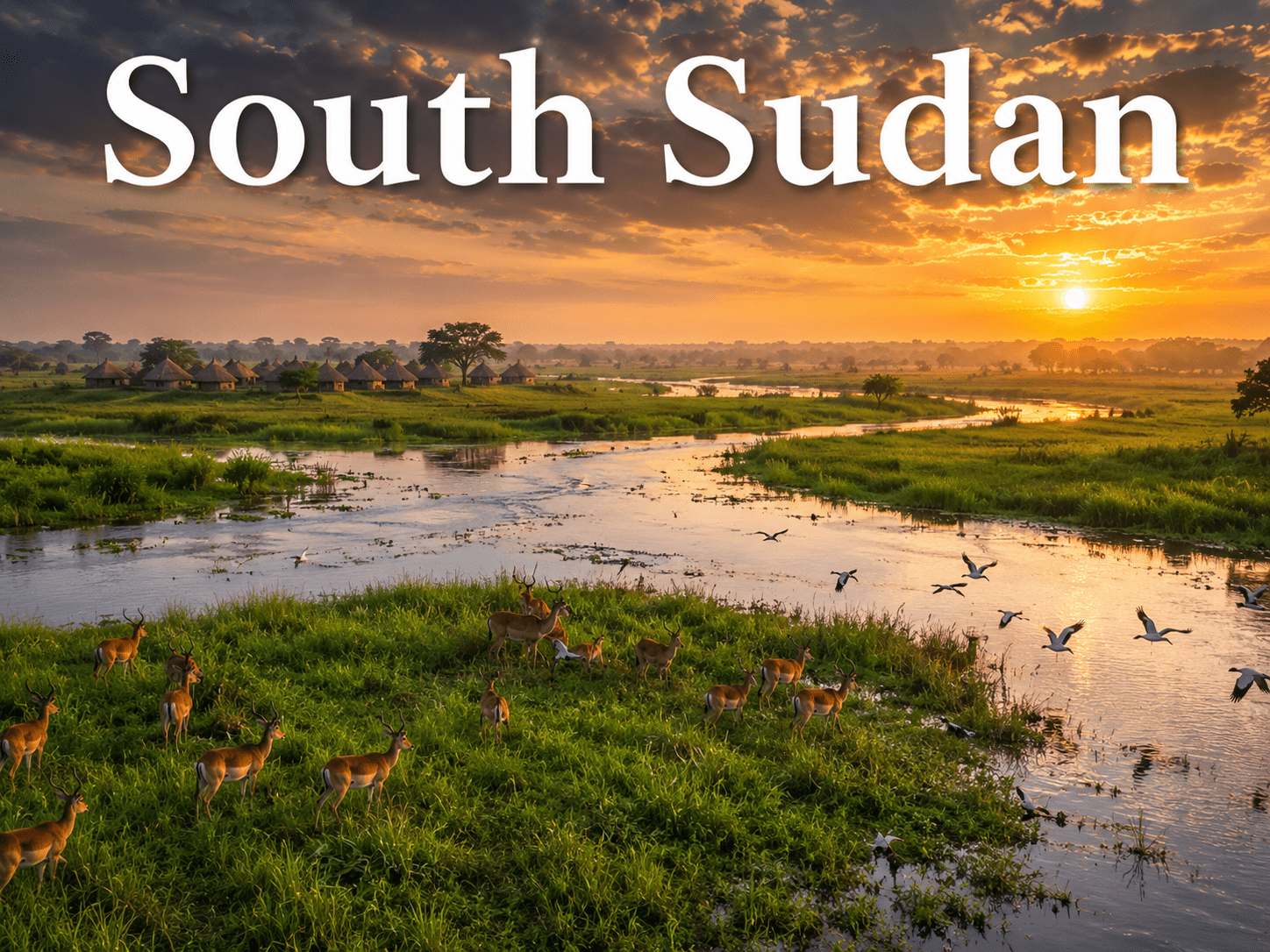
Introduction to South Sudan
South Sudan is a fascinating country located in East-Central Africa and is known as the world’s youngest independent nation. Rich in cultural diversity, wildlife, river landscapes, and traditional heritage, South Sudan offers unique experiences connected to African history and natural beauty.
The country is recognized for:
- Nile River landscapes
- Wildlife migrations
- Tribal traditions
- Wetlands
- Cultural diversity
- Traditional music and dance
Modern South Sudan continues developing its infrastructure and tourism potential while preserving strong community traditions and cultural identity.
Travelers interested in authentic African experiences may find South Sudan especially fascinating because of its untouched landscapes and traditional lifestyles.
Historical Background of South Sudan
Early History of South Sudan
The territory of South Sudan has been inhabited for thousands of years by different ethnic communities with rich cultural traditions and social systems.
Ancient communities developed:
- Farming practices
- Fishing traditions
- Livestock culture
- River trade
- Tribal leadership systems
The Nile River played a central role in shaping life and settlement patterns in South Sudan.
Colonial Influence
During the colonial period, the region that is now South Sudan came under British administration as part of Anglo-Egyptian Sudan.
Colonial rule influenced:
- Administration
- Transportation
- Education
- Trade routes
Independence of South Sudan
After decades of political conflict and negotiations, South Sudan officially became independent in 2011.
Independence marked a historic moment for the people of South Sudan and established the country as the newest sovereign state in the world.
Geography and Location of South Sudan
Where Is South Sudan Located?
South Sudan is located in East-Central Africa.
Neighboring countries include:
- Sudan
- Ethiopia
- Kenya
- Uganda
- Democratic Republic of the Congo
- Central African Republic
The country is landlocked and heavily influenced by the Nile River system.
Geographic Coordinates
- Latitude: Approximately 7° North
- Longitude: Approximately 30° East
Landscapes and Natural Features
The geography of South Sudan includes:
- Grasslands
- Wetlands
- Savannahs
- River systems
- Forest regions
One of the country’s most important natural features is the Sudd, one of the world’s largest wetlands.
Climate of South Sudan
South Sudan generally experiences a tropical climate with wet and dry seasons.
Climate Features
- Warm temperatures
- Seasonal rainfall
- Humid wetlands
- Dry savannah regions
Rainfall patterns strongly affect agriculture and transportation.
Culture and Traditions in South Sudan
Cultural Diversity in South Sudan
South Sudan is home to many ethnic groups, each with unique languages, customs, music, and traditions.
Cultural life includes:
- Tribal ceremonies
- Traditional dances
- Oral storytelling
- Community gatherings
- Livestock traditions
Traditional heritage remains deeply important across South Sudan.
Traditional Lifestyle
Many communities in South Sudan maintain traditional lifestyles connected to:
- Cattle herding
- Farming
- Fishing
- River culture
Livestock often plays an important social and economic role.
Religion in South Sudan
Religion in South Sudan includes:
- Christianity
- Traditional African beliefs
- Islam
Religious traditions influence social and community life.
Music and Dance
Music and dance are important cultural expressions in South Sudan.
Traditional performances often feature:
- Drumming
- Singing
- Ceremonial dances
- Storytelling traditions
These performances are commonly seen during festivals and celebrations.
Cuisine of South Sudan
Food Culture in South Sudan
The cuisine of South Sudan is influenced by local agriculture, river resources, and East African traditions.
Meals commonly include:
- Sorghum
- Millet
- Fish
- Vegetables
- Meat stews
Traditional foods are often prepared using locally grown ingredients.
Popular Dishes in South Sudan
Kisra
Kisra is a thin bread made from sorghum and commonly eaten in South Sudan.
Stews and Soups
Traditional stews in South Sudan often include:
- Vegetables
- Meat
- Groundnuts
- Spices
Fish Dishes
Fish from rivers and wetlands is widely consumed in South Sudan.
Languages Spoken in South Sudan
Official Language
The official language of South Sudan is English.
Indigenous Languages
Many indigenous languages are spoken throughout South Sudan, reflecting the country’s cultural diversity.
These include:
- Dinka
- Nuer
- Bari
- Zande
Major Cities in South Sudan
Juba – Capital of South Sudan
Juba is the capital and largest city of South Sudan.
The city is important for:
- Government administration
- Trade
- Transportation
- Education
Juba continues developing as the political and economic center of the country.
Wau
Wau is one of the major urban centers in South Sudan and serves as an important regional trade hub.
Malakal
Malakal is located along the Nile River and is historically important in South Sudan because of trade and river transportation.
Tourism in South Sudan
Why Visit South Sudan?
Tourism in South Sudan offers opportunities to experience:
- Traditional African cultures
- Wildlife migrations
- River landscapes
- Wetlands
- Tribal heritage
- Untouched nature
Travelers interested in adventure and cultural exploration may find South Sudan highly unique.
Famous Tourist Attractions in South Sudan
The Sudd Wetlands
The Sudd is one of the largest wetlands in the world and one of the most important natural attractions in South Sudan.
Nile River Landscapes
The Nile River creates scenic environments and supports communities across South Sudan.
Wildlife Migration Areas
Wildlife migration routes in South Sudan are internationally important for conservation and biodiversity.
Traditional Villages
Visitors exploring rural regions of South Sudan can experience authentic cultural traditions and community lifestyles.
Food and Culinary Experiences in South Sudan
Traditional Cuisine of South Sudan
The cuisine of South Sudan reflects East African traditions, local agriculture, river resources, and community-based cooking styles. Meals are often simple, nutritious, and prepared using fresh local ingredients.
Food culture in South Sudan is closely connected to:
- Family gatherings
- Tribal traditions
- Farming communities
- Livestock culture
- River life
Traditional cooking methods remain widely practiced across rural and urban regions.
Popular Dishes in South Sudan
Kisra
Kisra is one of the most common foods in South Sudan.
This thin bread is usually made from sorghum flour and served with:
- Meat stews
- Vegetable sauces
- Fish dishes
Asida
Asida is a traditional porridge-like dish eaten throughout South Sudan.
It is commonly prepared with:
- Sorghum
- Millet
- Flour-based mixtures
Fish Dishes
River fish plays an important role in the cuisine of South Sudan, especially near the Nile River and wetland areas.
Popular preparations include:
- Grilled fish
- Spiced fish stew
- Smoked fish
Meat and Stews
Traditional meals in South Sudan often include:
- Goat meat
- Beef
- Lamb
- Vegetable stews
Meals are usually flavored with regional spices and herbs.
Shopping in South Sudan
Shopping Experiences in South Sudan
Shopping in South Sudan mainly revolves around local markets, handmade crafts, and traditional products.
Visitors can purchase:
- Handmade baskets
- Traditional clothing
- Wood carvings
- Jewelry
- Beaded crafts
Markets provide opportunities to experience local culture and community interaction.
Traditional Markets
Traditional markets in South Sudan are important centers for:
- Trade
- Social gatherings
- Local agriculture
- Livestock exchange
Fresh produce and handcrafted goods are commonly available.
Handicrafts and Cultural Products
Artisan traditions in South Sudan include:
- Beadwork
- Woven products
- Decorative carvings
- Traditional fabrics
These products reflect the country’s cultural diversity and tribal identity.
Education System in South Sudan
Development of Education
Education in South Sudan continues expanding through government programs and international support initiatives.
The education system includes:
- Primary schools
- Secondary schools
- Vocational institutions
- Universities
Improving literacy and educational access remains an important national goal.
Higher Education
Universities and colleges in South Sudan offer programs in:
- Agriculture
- Education
- Public administration
- Health sciences
- Engineering
Educational development plays an important role in the country’s future growth.
Sports and Recreation in South Sudan
Popular Sports in South Sudan
Sports are increasingly popular in South Sudan, especially among younger generations.
Popular sports include:
- Football
- Basketball
- Athletics
- Volleyball
Community sports events are important social activities.
Basketball Development
Basketball has gained international attention in South Sudan because of talented athletes and growing sports programs.
The sport continues inspiring young players across the country.
Outdoor Activities
Outdoor recreation in South Sudan includes:
- Fishing
- River activities
- Wildlife observation
- Community games
The natural landscapes provide opportunities for eco-tourism and outdoor exploration.
Travel Tips for South Sudan
Entry and Visa Information
Travel requirements for South Sudan vary depending on nationality.
Visitors should check:
- Visa regulations
- Passport validity
- Health requirements
- Travel advisories
Careful travel planning is recommended.
Currency and Payments
The official currency of South Sudan is the South Sudanese pound.
Cash is commonly used for daily transactions across many areas.
Internet and Communication
Telecommunications infrastructure in South Sudan continues developing, especially in urban areas.
Internet access may be limited in remote regions.
Safety and Health in South Sudan
Travel Safety Considerations
Travel conditions in South Sudan may vary by region.
Visitors should:
- Follow official travel advisories
- Use trusted transportation
- Stay informed about local conditions
- Arrange travel plans carefully
Responsible planning is important for safe travel experiences.
Healthcare Services
Healthcare infrastructure in South Sudan continues improving, although medical services may be limited in rural areas.
Travel insurance is strongly recommended for international visitors.
Wildlife and Nature in South Sudan
Wildlife Diversity
Wildlife in South Sudan includes:
- Antelopes
- Elephants
- Giraffes
- Buffalo
- Bird species
The country contains important ecosystems and migration routes.
The Sudd Wetlands
The Sudd wetlands remain one of the most remarkable natural environments in South Sudan.
The wetlands support:
- Birdlife
- Fishing communities
- Wildlife habitats
- River ecosystems
Nile River Landscapes
The Nile River is one of the most important natural features in South Sudan.
The river supports:
- Agriculture
- Fishing
- Transportation
- Community life
Scenic river environments contribute to the country’s natural beauty.
Why South Sudan Is Unique
The Identity of South Sudan
The uniqueness of South Sudan comes from its combination of:
- Cultural diversity
- Tribal heritage
- Wetland ecosystems
- Wildlife migrations
- Nile River landscapes
- Traditional lifestyles
The country remains one of Africa’s most culturally rich and naturally untouched destinations.
Travelers interested in authentic African traditions and adventure tourism may find South Sudan especially rewarding.
Final Summary
South Sudan is a culturally diverse and naturally fascinating country located in East-Central Africa. As the world’s youngest nation, the country continues developing while preserving strong traditions, wildlife ecosystems, and river-based lifestyles.
From the wetlands of the Sudd to the communities along the Nile River, South Sudan offers unique experiences connected to African heritage and untouched landscapes.
Travelers exploring South Sudan can experience:
- Tribal traditions
- River landscapes
- Wildlife migration areas
- Cultural festivals
- Traditional markets
- Wetland ecosystems
- Authentic East African lifestyles
With remarkable cultural diversity and extraordinary natural environments, South Sudan remains one of Africa’s most unique destinations for cultural exploration and eco-tourism.
Key Facts About South Sudan
| Category | Information |
|---|---|
| Country Name | South Sudan |
| Continent | Africa |
| Region | East-Central Africa |
| Capital City | Juba |
| Official Language | English |
| Currency | South Sudanese Pound |
| Climate | Tropical |
| Main Industries | Agriculture, Oil, Livestock |
| Famous Natural Feature | The Sudd Wetlands |
| Major River | Nile River |
| Independence Year | 2011 |
| Best Time to Visit | Dry Season |
External DoFollow Links
- United Nations South Sudan Profile: https://www.un.org/en/member-states/south-sudan
- UNESCO Information: https://whc.unesco.org
- World Bank South Sudan Overview: https://www.worldbank.org/en/country/southsudan

