



🌟 Introduction
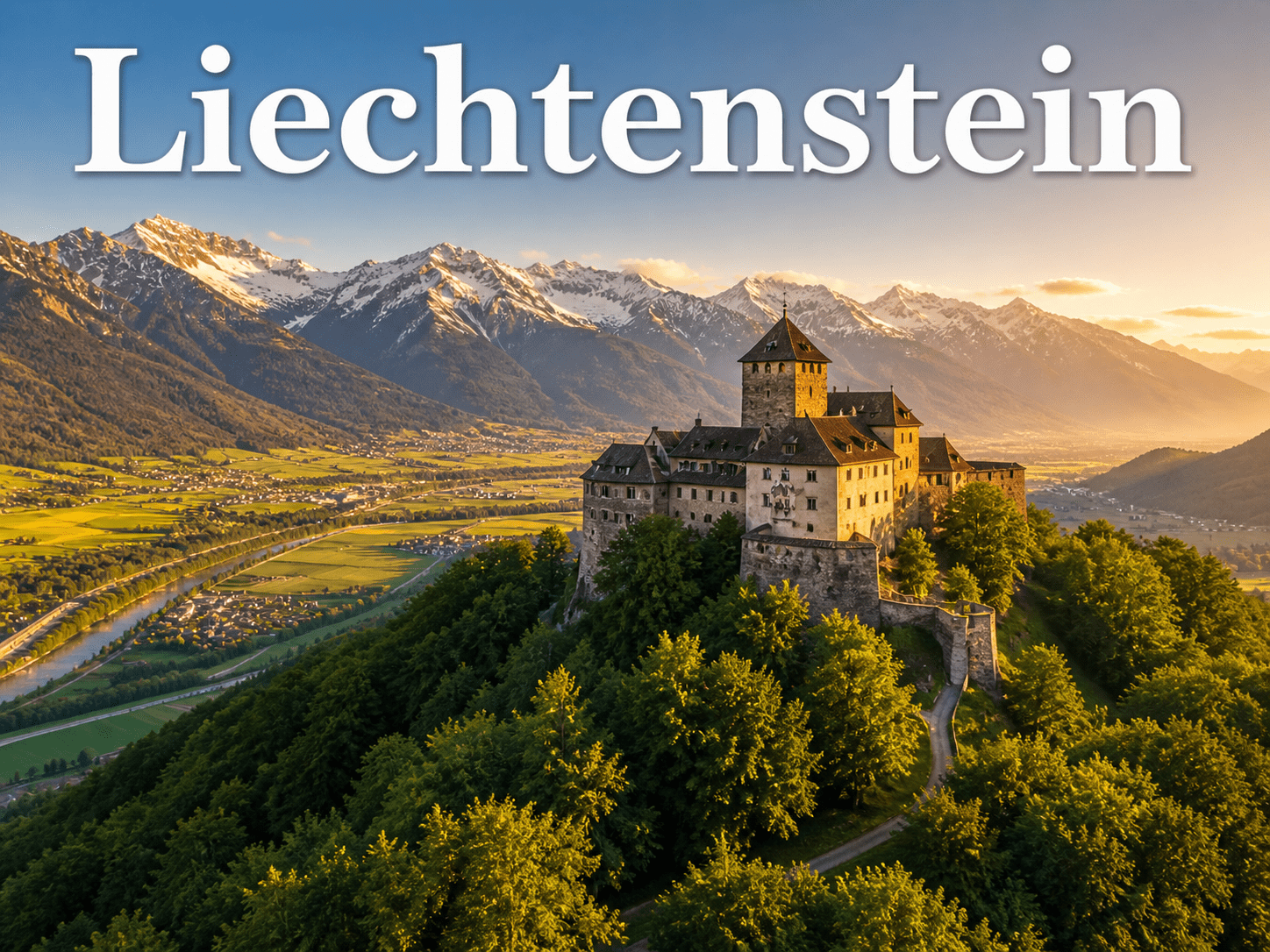
Liechtenstein is a small yet fascinating country nestled in the Alps between Switzerland and Austria. Despite its size, it offers breathtaking mountain scenery, rich history, and a high standard of living.
Traveling through Liechtenstein reveals a peaceful and scenic destination filled with castles, alpine trails, and charming villages. It is one of Europe’s hidden gems, perfect for travelers seeking tranquility and natural beauty.
Visitors to Liechtenstein often appreciate its blend of modern infrastructure and traditional alpine culture.
🏛 History of Liechtenstein
Early History
The region has been inhabited since ancient times and was influenced by Roman and medieval European cultures.
Formation of the Principality
The country was established in 1719 when the territories of Vaduz and Schellenberg were unified under the House of Liechtenstein.
Political Development
It became a sovereign principality and developed a constitutional monarchy system that continues today.
Modern Era
In modern times, Liechtenstein has become one of the wealthiest countries in the world, known for financial services and stability.
🌍 Geography of Liechtenstein
Location and Coordinates
Liechtenstein is located in Central Europe.
- Coordinates: 47.1660° N, 9.5554° E
- Region: Alpine Europe
Neighboring Countries
Liechtenstein borders:
- Switzerland (west and south)
- Austria (east and north)
Landscape Features
The geography includes:
- Alpine mountains
- River valleys
- Forested areas
The Rhine River forms part of the western border.
Climate
The climate is:
- Alpine
- Cold winters
- Mild summers
🎭 Culture of Liechtenstein
Cultural Identity
Culture reflects a mix of Swiss, Austrian, and local traditions, with a strong connection to alpine life.
Language
- German (official language)
Religion
The majority of the population practices Roman Catholicism.
Traditions
Cultural life includes:
- Festivals
- Music
- Local crafts
🏙 Major Cities of Liechtenstein
Vaduz (Capital)
Vaduz is:
- The capital city
- Political center
- Known for its castle overlooking the city
Schaan
Schaan is:
- Largest municipality
- Economic hub
Balzers
Balzers is:
- Known for historic sites
- Scenic location
🌐 Liechtenstein in Global Organizations
Liechtenstein is a member of:
European Free Trade Association
United Nations
💰 Economy of Liechtenstein
Overview of the Economy
The economy of Liechtenstein is one of the most advanced and prosperous in the world. Despite its small size, it has built a strong financial and industrial base, making it a global example of economic efficiency.
Its success comes from a combination of innovation, skilled workforce, and strategic partnerships with neighboring countries.
Key Economic Sectors
1. Financial Services
Financial services are a major pillar of the economy. The country is known for:
- Banking
- Wealth management
- Investment services
Its stable regulatory environment attracts international businesses.
2. Manufacturing and Industry
Unlike many small nations, Liechtenstein has a strong industrial sector, including:
- Precision instruments
- Machinery
- Electronics
Many companies export high-quality products worldwide.
3. Technology and Innovation
Innovation plays a key role in economic growth. Businesses focus on:
- Engineering
- Advanced manufacturing
- Research and development
4. Tourism
Tourism contributes to the economy through:
- Alpine travel
- Cultural attractions
- Outdoor activities
Visitors are drawn to the scenic landscapes and peaceful environment.
Currency and Trade
- Currency: Swiss Franc (CHF)
Trade relationships are closely tied with:
- Switzerland
- Austria
Exports include industrial goods and manufactured products.
Economic Strengths & Challenges
Strengths:
- High income levels
- Strong financial sector
- Political stability
Challenges:
- Limited land and resources
- Dependence on global markets
Organizations like the
- World Bank
recognize it as a high-income, well-developed economy.
🏰 Castles and Historical Attractions
Vaduz Castle
- Vaduz Castle
This castle overlooks the capital and serves as the residence of the royal family. It is one of the most iconic landmarks.
Gutenberg Castle
Another historic site located in Balzers, known for:
- Medieval architecture
- Scenic surroundings
🌲 Alpine Nature & Landscapes
Mountain Scenery
The country is dominated by Alpine landscapes featuring:
- Snow-capped peaks
- Forests
- Valleys
Nature is one of the biggest attractions in Liechtenstein.
Rhine Valley
The Rhine River valley offers:
- Scenic views
- Walking paths
- Agricultural land
Nature Reserves
Protected areas help preserve biodiversity and natural beauty.
🏞 Tourism in Liechtenstein
Overview
Tourism is centered around nature, culture, and relaxation. It attracts visitors looking for a quiet alternative to larger European destinations.
🏔 Alpine Tourism
Popular activities include:
- Skiing
- Hiking
- Mountain biking
🏰 Cultural Tourism
Visitors explore:
- Castles
- Museums
- Historic villages
🚶 Walking and Cycling
Well-maintained trails connect towns and scenic areas.
🚵 Outdoor Activities
Hiking
Mountain trails provide panoramic views and fresh alpine air.
Skiing and Winter Sports
Winter offers:
- Ski resorts
- Snowboarding
- Snow hiking
Cycling
Cycling routes pass through valleys and countryside areas.
🌿 Unique Landscapes
Alpine Peaks
High elevations create dramatic views and landscapes.
Green Valleys
Valleys provide fertile land and picturesque scenery.
River Systems
The Rhine River plays an important role in geography and lifestyle.
✨ Unique Facts
- One of the smallest countries in Europe
- Among the richest nations globally
- No airport within the country
- Strong industrial and financial sectors
- Beautiful Alpine landscapes
- Royal family resides in Vaduz Castle
🎭 Culture and Daily Life
Cultural Identity
Culture in Liechtenstein reflects a blend of Alpine traditions and Central European influences. Despite its small size, the country maintains a strong sense of identity rooted in history, community values, and a deep connection to nature.
Language and Communication
The official language is German, but local dialects are widely spoken in everyday life. These dialects add a unique cultural flavor to communication across Liechtenstein.
Religion and Traditions
Roman Catholicism plays an important role in cultural life, influencing festivals, holidays, and social customs. Churches and religious traditions are integral to community life.
Lifestyle and Society
The standard of living is very high, and communities emphasize:
- Clean environment
- Safety
- Quality of life
Residents enjoy a peaceful lifestyle surrounded by alpine scenery.
Arts and Culture
Cultural life includes:
- Museums
- Music events
- Art exhibitions
Traditional crafts and modern art both contribute to cultural richness.
🎉 Festivals and Celebrations
National Day
The national celebration on August 15 is one of the most important events. It includes:
- Fireworks
- Cultural performances
- Public gatherings
Seasonal Festivals
Other events celebrate:
- Music
- Food
- Alpine traditions
Christmas and Winter Events
Winter brings festive markets and seasonal celebrations across towns.
🍽 Food Culture
Traditional Cuisine
Cuisine in Liechtenstein reflects Alpine and Central European influences.
Popular dishes include:
- Cheese-based meals
- Meat dishes
- Hearty soups
Local Specialties
Typical foods include:
- Käsknöpfle (cheese dumplings)
- Rösti
- Sausages
Dairy and Bread
Dairy products and bread are important parts of daily meals.
Desserts
Sweet treats include:
- Cakes
- Pastries
- Chocolate-based desserts
Beverages
Popular drinks include:
- Coffee
- Wine
- Herbal teas
🗺 7-Day Travel Itinerary
Day 1: Arrival in Vaduz
Explore:
- Vaduz
- Museums
- City center
Day 2: Vaduz Cultural Tour
Visit:
- Vaduz Castle
- Art galleries
Day 3: Rhine Valley
Experience:
- Scenic walks
- Cycling routes
Day 4: Mountain Adventure
Head into the Alps for:
- Hiking
- Nature exploration
Day 5: Winter Sports (Seasonal)
Enjoy:
- Skiing
- Snowboarding
Day 6: Village Exploration
Visit:
- Balzers
- Triesen
Experience local culture and traditions.
Day 7: Relax & Departure
Final exploration and departure.
🌐 International Role
This Alpine country participates in global cooperation and economic partnerships.
It is a member of:
- United Nations
- European Free Trade Association
🤔 Interesting Facts
- One of the smallest countries in the world
- No airport within its borders
- Extremely high standard of living
- Strong financial and industrial economy
- Surrounded by mountains
- Royal family resides in Vaduz Castle
🔗 Internal Link Suggestion
Explore next:
➡️ Kenya Travel Guide
📊 Final Summary
This Alpine principality offers a unique travel experience defined by scenic mountains, peaceful towns, and rich cultural heritage. It is a perfect destination for those seeking relaxation, nature, and a high-quality European experience.
From the capital city to the alpine peaks, Liechtenstein combines tradition with modern living in a way few countries can match.
Visitors can enjoy hiking, cultural exploration, and a tranquil atmosphere that makes it one of Europe’s most charming destinations.
📋 Key Facts Table
| Category | Details |
|---|---|
| Country | Liechtenstein |
| Capital | Vaduz |
| Region | Central Europe |
| Coordinates | 47.1660° N, 9.5554° E |
| Language | German |
| Currency | Swiss Franc (CHF) |
| Population | ~39,000 |
| Geography | Alpine mountains |
| Famous Landmark | Vaduz Castle |
| Climate | Alpine |
| UN Membership | Yes |
List of All 195 Countries
- Afghanistan
- Albania
- Algeria
- Andorra
- Angola
- Antigua and Barbuda
- Argentina
- Armenia
- Australia
- Austria
- Azerbaijan
- Bahamas
- Bahrain
- Bangladesh
- Barbados
- Belarus
- Belgium
- Belize
- Benin
- Bhutan
- Bolivia
- Bosnia and Herzegovina
- Botswana
- Brazil
- Brunei
- Bulgaria
- Burkina Faso
- Burundi
- Cabo Verde
- Cambodia
- Cameroon
- Canada
- Central African Republic
- Chad
- Chile
- China
- Colombia
- Comoros
- Congo (Congo-Brazzaville)
- Costa Rica

