



🌟 Introduction
The Saharan desert republic in West Africa is one of the most unique and least explored countries in the world. Stretching from the Atlantic Ocean deep into the Sahara Desert, it offers a dramatic contrast between coastal life and endless sand dunes.
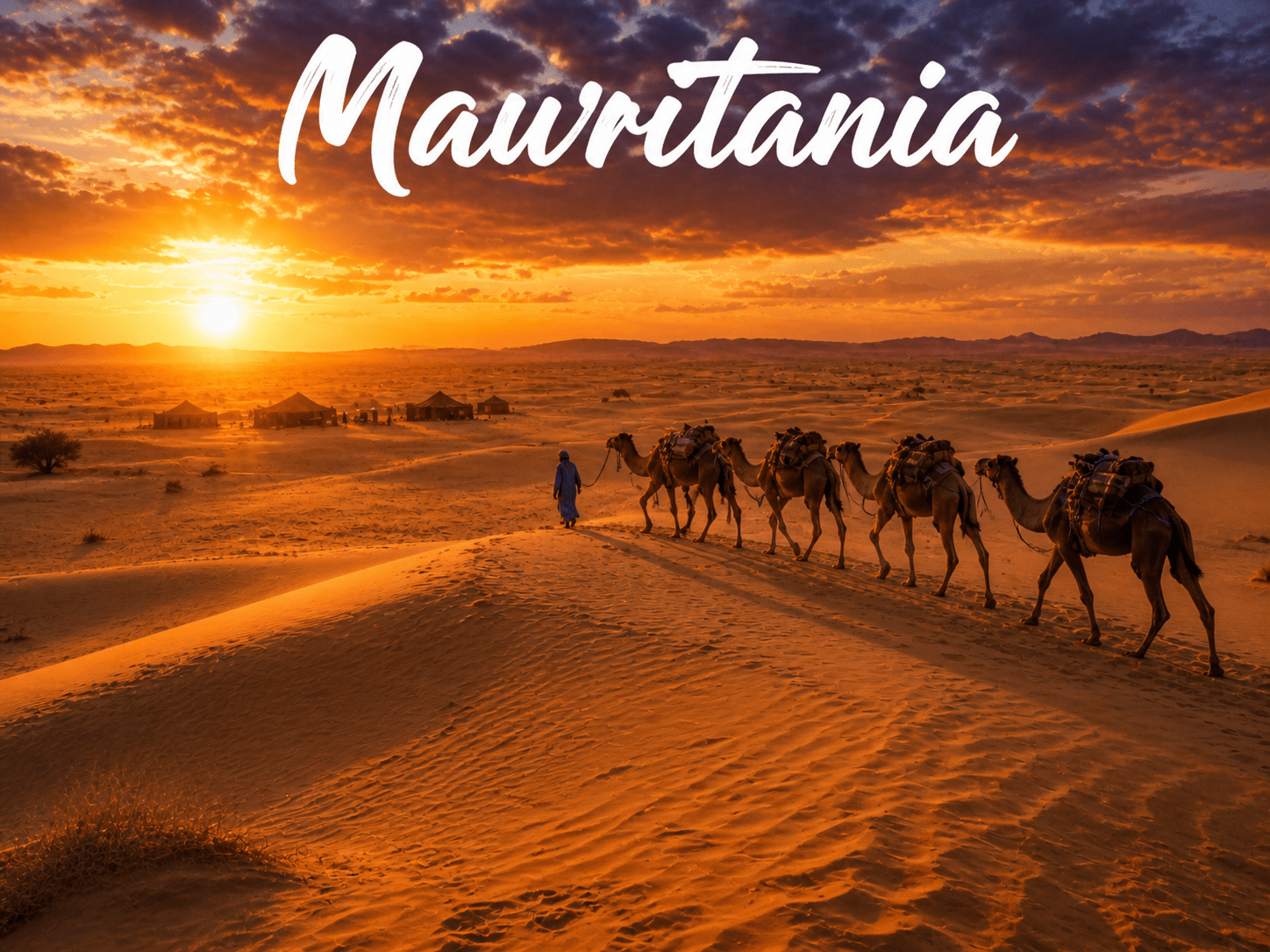
This West African nation is known for ancient caravan routes, desert landscapes, and a deeply rooted nomadic culture. Travelers visiting this desert country experience raw natural beauty and authentic traditions far from modern tourism crowds.
🏛 History of the Desert Nation
Ancient Trade Routes
For centuries, this region was part of trans-Saharan trade routes connecting:
- North Africa
- Sub-Saharan Africa
- Mediterranean civilizations
Gold, salt, and textiles were exchanged across desert caravans.
Islamic Influence
Islam spread across the region during early trade periods and became deeply embedded in culture and law.
Colonial Period
The territory later came under French colonial administration in West Africa.
Independence
The nation gained independence in 1960 and developed its modern identity as a desert republic.
🌍 Geography of the Saharan Country
Location and Coordinates
- Coordinates: 21.0079° N, 10.9408° W
- Region: West Africa / Sahara Desert
Landscape Overview
The geography includes:
- Sahara Desert
- Coastal Atlantic region
- Rocky plateaus
- Sand dune fields
Climate
The climate is extremely arid:
- Very hot summers
- Minimal rainfall
- Large temperature variation
🏜 Sahara Desert Region
Endless Sand Dunes
A large part of this desert republic is covered by the Sahara, featuring:
- Rolling dunes
- Rocky desert plains
- Wind-shaped landscapes
Desert Life
Nomadic communities live by:
- Camel herding
- Seasonal migration
- Traditional tents
Caravan History
Ancient trade caravans shaped cultural identity and economy for centuries.
🌊 Coastal Region
Atlantic Coastline
The western side of this Saharan nation touches the Atlantic Ocean, offering:
- Fishing communities
- Port cities
- Coastal dunes
Nouakchott (Capital)
Nouakchott
Nouakchott is:
- Administrative capital
- Economic hub
- Coastal city
🎭 Culture of the Desert Nation
Cultural Identity
Culture in this West African desert country blends Arab, Berber, and African influences.
Language
- Arabic (official language)
- French widely used
- Local dialects
Nomadic Traditions
Nomadic life includes:
- Camel herding
- Tent living
- Seasonal movement
Music and Poetry
Cultural expression includes:
- Desert blues music
- Oral poetry traditions
- Storytelling
🌐 International Membership
The country is part of:
African Union
United Nations
💰 Economy of the Desert Republic
Overview of the Economy
The economy of this West African desert country is shaped by geography, climate, and limited natural resources. Economic activity is concentrated along the Atlantic coastline and a few inland urban centers, while vast desert regions remain sparsely populated.
Despite environmental challenges, this Saharan nation has key sectors that support its population and regional trade.
Key Economic Sectors
1. Fishing Industry
Fishing along the Atlantic coast is one of the most important economic activities. It includes:
- Small-scale fishing communities
- Fish exports
- Coastal trade networks
2. Mining Sector
The country is rich in natural resources such as:
- Iron ore
- Gold (in limited areas)
- Copper deposits
Mining plays a role in export earnings.
3. Livestock & Nomadic Economy
In desert regions, traditional economic life includes:
- Camel herding
- Goat and sheep farming
- Nomadic trade systems
4. Trade & Services
Urban areas support:
- Local markets
- Import-export businesses
- Government services
Currency and Trade
- Currency: Mauritanian Ouguiya (MRU)
Major trade partners include:
- China
- France
- Morocco
Exports include iron ore, fish, and livestock products.
Economic Challenges
Key challenges include:
- Desertification
- Water scarcity
- Infrastructure limitations
- Climate vulnerability
Development support is provided by organizations such as:
- World Bank
🏝 Tourism in the Saharan Nation
Overview
Tourism in this desert republic is niche but growing. Visitors are attracted to:
- Sahara desert landscapes
- Ancient trade routes
- Cultural heritage
🐪 Sahara Desert Tourism
The Sahara offers:
- Camel trekking
- Desert camping
- Sand dune exploration
🏛 Cultural Tourism
Travelers explore:
- Ancient towns
- Traditional markets
- Nomadic communities
🌊 Coastal Tourism
The Atlantic coast provides:
- Fishing villages
- Beach landscapes
- Port city experiences
🏜 Desert Life & Culture
Nomadic Communities
Nomadic groups live by:
- Herding livestock
- Seasonal migration
- Traditional tents
Traditional Clothing
Clothing is adapted to desert life:
- Loose robes
- Head coverings for sun protection
Desert Survival Skills
Survival depends on:
- Water conservation
- Navigation skills
- Animal husbandry
🏙 Key Urban & Historic Areas
Nouakchott (Capital City)
Nouakchott
Nouakchott is:
- Administrative center
- Coastal capital
- Trade hub
Ancient Caravan Routes
Historically, the region was part of:
- Trans-Saharan trade routes
- Salt and gold caravans
- Cultural exchange systems
🐫 Sahara Ecosystem
Desert Environment
The Sahara region includes:
- Sand dunes
- Rocky plateaus
- Dry valleys
Wildlife Adaptation
Animals adapted to desert life include:
- Camels
- Desert foxes
- Reptiles
Environmental Issues
Challenges include:
- Expanding desert zones
- Water scarcity
- Climate change impact
🌐 Global Importance
This Saharan West African nation plays a role in:
- Regional African cooperation
- Desert climate studies
- Migration and trade routes
It is part of:
- United Nations
- African Union
✨ Unique Facts
- Over 80% covered by Sahara Desert
- Blend of Arab and African culture
- Strong nomadic heritage
- Important historical trade routes
- Atlantic coastline + desert contrast
- Rich iron ore reserves
🎭 Culture and Daily Life
Cultural Identity
Culture in this West African desert republic is a rich blend of Arab, Berber, and Sub-Saharan African influences. Life is deeply shaped by desert conditions, where survival, hospitality, and tradition are central to society.
In both cities and rural areas, customs remain strong, and oral traditions continue to preserve history and identity across generations.
Language and Communication
- Arabic (official language)
- French (widely used in administration and education)
- Local dialects across regions
Language reflects centuries of trade, migration, and cultural exchange.
Nomadic Traditions
Nomadic life remains an important cultural identity:
- Camel herding
- Seasonal migration
- Desert tent communities
Hospitality is highly valued, especially toward travelers and guests.
Music and Poetry
Music and poetry are central to cultural expression in this Saharan nation:
- Traditional desert blues
- Oral storytelling
- Griot-style performances
Music often reflects desert life, love, and history.
🎉 Festivals and Celebrations
Religious Festivals
Islam plays a major role in daily life, and major celebrations include:
- Eid al-Fitr
- Eid al-Adha
These are marked with prayers, feasts, and community gatherings.
Cultural Gatherings
Events include:
- Poetry recitals
- Traditional music performances
- Nomadic festivals
Community Life
Strong community bonds are reflected in:
- Shared meals
- Group celebrations
- Social cooperation
🍽 Food Culture
Traditional Cuisine
Food in this desert republic is simple, hearty, and adapted to harsh climate conditions.
Common dishes include:
- Couscous
- Rice with meat or fish
- Lamb-based stews
Coastal Cuisine
Along the Atlantic coast, seafood plays an important role:
- Grilled fish
- Fish stews
- Seafood rice dishes
Nomadic Diet
In desert regions, food includes:
- Dried meat
- Milk from camels and goats
- Grain-based meals
Beverages
Popular drinks include:
- Sweet green tea (very important culturally)
- Milk-based drinks
- Imported soft beverages
Tea ceremonies are an important social tradition.
🗺 7-Day Travel Itinerary
Day 1: Arrival in Nouakchott
Explore:
- Nouakchott
- Local markets
- Coastal views
Day 2: City Exploration
Visit:
- Fish market
- Port areas
- Cultural centers
Day 3: Coastal Experience
Enjoy:
- Atlantic beaches
- Fishing villages
- Sunset views
Day 4: Sahara Desert Journey
Travel inland into:
- Sand dunes
- Desert camps
- Camel trekking routes
Day 5: Nomadic Experience
Meet local communities and experience:
- Tent living
- Traditional food
- Cultural storytelling
Day 6: Historic Caravan Routes
Explore ancient trade paths used for centuries across the Sahara.
Day 7: Return & Departure
Final shopping and cultural exploration before departure.
🌐 International Role
This Saharan West African nation plays an important role in:
- Regional African cooperation
- Climate change discussions
- Desert ecosystem studies
It is part of:
- United Nations
- African Union
🤔 Interesting Facts
- One of the most desert-dominated countries in Africa
- Strong nomadic cultural heritage
- Important historic caravan trade routes
- Atlantic Ocean + Sahara Desert contrast
- Rich iron ore reserves
- Traditional tea culture is central to society
🔗 Internal Link Suggestion
Explore next:
➡️ Madagascar Travel Guide
1. 🏛 UNESCO World Heritage Centre
Official global authority for heritage sites, culture, and protected landmarks.
2. ✈️ UN Tourism (World Tourism Organization)
Trusted source for global tourism data, travel trends, and destination insights.
3. 🌐 World Bank Data
Reliable economic data source for population, GDP, and development statistics.
4. 🌍 African Union Official Website
Regional authority covering African development, cooperation, and policy.
5. 🗺 Google Arts & Culture
https://artsandculture.google.com
Excellent for cultural heritage, history, and visual storytelling content.
📊 Final Summary
This Saharan desert republic is a land of striking contrasts—where endless sand dunes meet the Atlantic Ocean, and ancient caravan traditions blend with modern life.
Travelers exploring this West African nation experience raw desert beauty, deep cultural heritage, and warm hospitality rooted in nomadic traditions. From camel trekking in the Sahara to exploring coastal cities, it offers one of the most authentic travel experiences in Africa.
Despite its challenges, the country remains culturally rich and historically significant, especially for its role in trans-Saharan trade and desert civilization.
📋 Key Facts Table
| Category | Details |
|---|---|
| Country | Mauritania (Saharan desert republic) |
| Capital | Nouakchott |
| Region | West Africa / Sahara |
| Coordinates | 21.0079° N, 10.9408° W |
| Language | Arabic, French |
| Currency | Mauritanian Ouguiya (MRU) |
| Population | ~4.5 million |
| Geography | Sahara desert + Atlantic coast |
| Famous Feature | Sand dunes & nomadic culture |
| Climate | Hot desert climate |
| UN Membership | Yes |

