



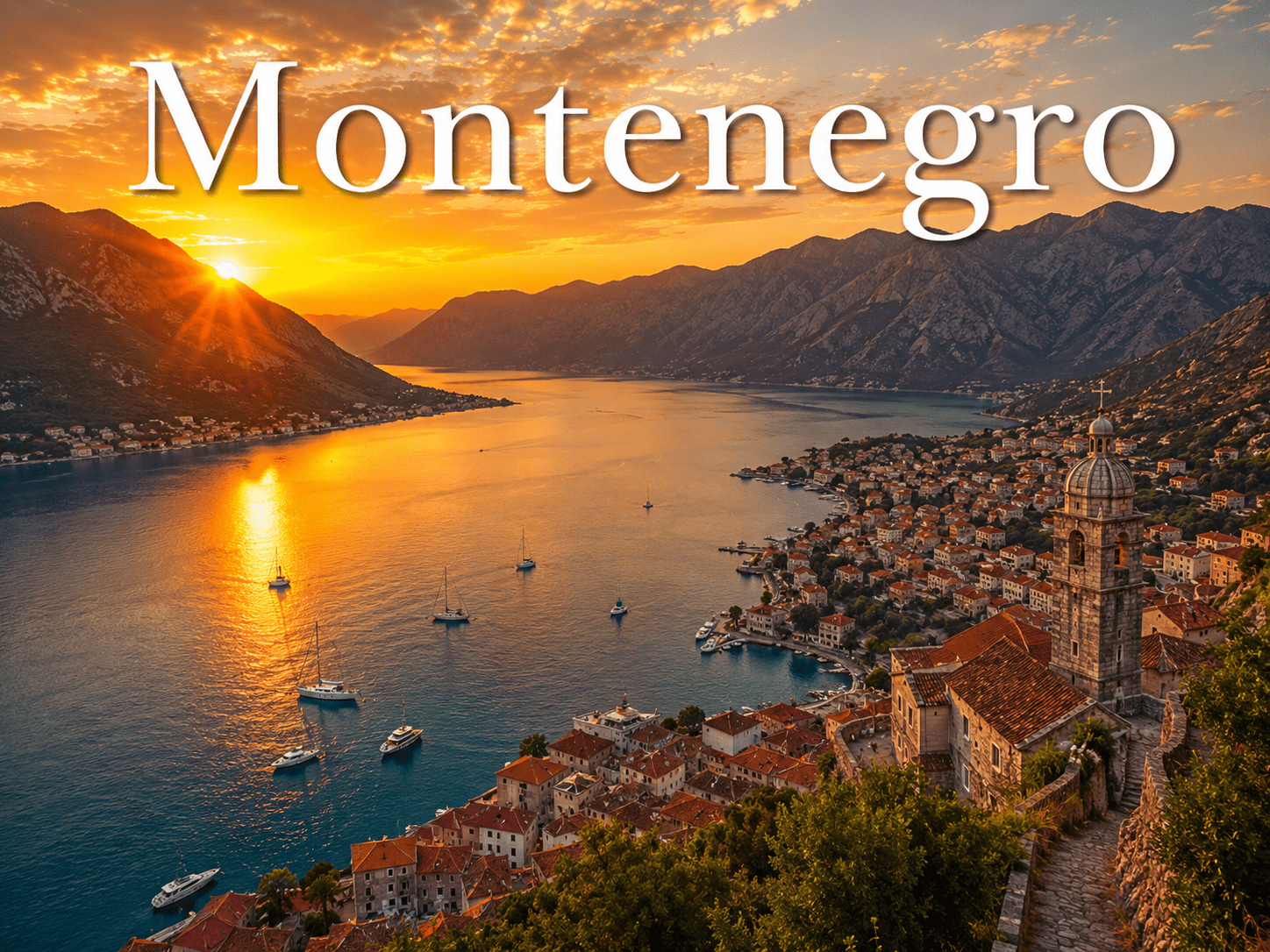
Montenegro Introduction
Montenegro is one of Europe’s most breathtaking travel destinations, famous for dramatic mountains, medieval coastal towns, crystal-clear Adriatic beaches, and rich Balkan culture. Located in Southeastern Europe along the Adriatic Sea, Montenegro attracts travelers looking for natural beauty, historical architecture, adventure tourism, and authentic Mediterranean experiences.
Although relatively small in size, Montenegro offers extraordinary diversity. Visitors can explore ancient walled cities, scenic bays, rugged mountain landscapes, deep river canyons, and peaceful lakes within a short distance. The country combines coastal charm with alpine wilderness, creating one of the most visually stunning regions in Europe.
Montenegro is internationally recognized for destinations such as Kotor, Budva, Durmitor National Park, and the Bay of Kotor. Travelers visiting Montenegro often enjoy hiking, rafting, beach holidays, cultural festivals, and historical sightseeing.
The country’s culture reflects centuries of influence from the Byzantine Empire, Venetian Republic, Ottoman Empire, and Slavic traditions. These historical layers can still be seen in architecture, cuisine, religion, and local customs.
Modern Montenegro continues growing as a major tourism destination because of its affordability, scenic landscapes, and welcoming atmosphere.
Quick Facts About Montenegro
| Feature | Details |
|---|---|
| Official Name | Montenegro |
| Capital City | Podgorica |
| Continent | Europe |
| Population | Around 620,000 |
| Official Language | Montenegrin |
| Currency | Euro (€) |
| Government Type | Parliamentary Republic |
| Major Religion | Eastern Orthodox Christianity |
| Area | Approximately 13,812 sq km |
| Independence | 2006 |
History of Montenegro
Early History of Montenegro
The territory of Montenegro has been inhabited since ancient times. Early Illyrian tribes lived in the region before Roman expansion brought the area under Roman control.
Due to its strategic Adriatic location, Montenegro became an important crossroads between Mediterranean and Balkan civilizations.
Medieval Montenegro
During the Middle Ages, several local kingdoms and principalities emerged in the region.
Christianity spread widely, leading to the construction of monasteries, churches, and fortified settlements.
Medieval rulers defended mountainous territories against foreign invasions while preserving local traditions and independence.
Venetian and Ottoman Influence
Coastal parts of Montenegro experienced strong Venetian influence, especially in towns like Kotor and Budva.
Meanwhile, inland regions often resisted Ottoman expansion and maintained relative autonomy through mountain strongholds.
These historical interactions shaped Montenegro’s architecture, cuisine, and cultural identity.
Modern Independence
Montenegro became part of Yugoslavia during the twentieth century.
Following political changes in the Balkans, Montenegro peacefully declared independence from Serbia in 2006 after a national referendum.
Today, Montenegro is an independent European country known for tourism, natural beauty, and growing international partnerships.
Geography of Montenegro
Where Is Montenegro Located?
Montenegro is located in Southeastern Europe on the Balkan Peninsula.
Geographic Coordinates
- Latitude: 42.7087° N
- Longitude: 19.3744° E
The country borders:
- Croatia
- Bosnia and Herzegovina
- Serbia
- Kosovo
- Albania
The Adriatic Sea forms Montenegro’s southwestern coastline.
Landscape and Natural Features
Montenegro is famous for extraordinary geographical diversity.
Main Natural Features
- Adriatic coastline
- Mountain ranges
- National parks
- Deep canyons
- Glacial lakes
- Forests and rivers
The country’s landscapes make it ideal for both beach tourism and outdoor adventure activities.
Bay of Kotor
The Bay of Kotor is one of Montenegro’s most famous natural attractions.
Surrounded by steep mountains and medieval towns, the bay resembles a Scandinavian fjord despite being technically a ria.
Highlights of the Bay
- Kotor Old Town
- Scenic coastal villages
- Historic churches
- Cruise tourism
- Waterfront restaurants
The area is recognized for outstanding beauty and cultural importance.
Durmitor Mountains
The Durmitor mountain region attracts hikers, climbers, skiers, and nature enthusiasts.
Popular Activities
- Hiking
- Rafting
- Skiing
- Wildlife observation
- Mountain photography
Durmitor National Park is also a UNESCO World Heritage Site.
Climate of Montenegro
Mediterranean and Mountain Climate
Montenegro has diverse climate zones because of its coastal and mountainous geography.
Coastal Climate
The Adriatic coast experiences warm summers and mild winters.
Mountain Climate
Higher elevations receive colder temperatures and snowfall during winter.
This climate diversity allows visitors to enjoy beaches and mountain adventures within the same trip.
Culture and Traditions of Montenegro
Cultural Identity of Montenegro
Montenegro has a rich cultural identity influenced by Slavic, Mediterranean, and Balkan traditions.
Music, dance, folklore, and family traditions remain important aspects of daily life.
Traditional hospitality is highly valued throughout the country.
Religion in Montenegro
Eastern Orthodox Christianity is the dominant religion in Montenegro.
Churches and monasteries hold important historical and cultural significance.
Catholic and Muslim communities also contribute to the country’s multicultural atmosphere.
Traditional Music and Dance
Traditional Montenegrin music includes folk songs, gusle performances, and regional dances.
Cultural Elements
- Epic poetry
- Traditional instruments
- Folk costumes
- Community festivals
Music often celebrates history, bravery, and local heritage.
Food and Cuisine in Montenegro
Traditional Montenegrin Cuisine
Montenegrin cuisine combines Mediterranean and Balkan flavors.
Fresh seafood, grilled meats, cheeses, and vegetables are common ingredients.
Popular Dishes
Njeguški Pršut
Traditional smoked ham from the mountain village of Njeguši.
Kačamak
A hearty dish made from potatoes and cornmeal.
Seafood Specialties
Fresh fish and octopus are popular along the Adriatic coast.
Burek
A savory pastry filled with cheese, meat, or spinach.
Local wines and rakija fruit brandy are also widely enjoyed.
Official Language of Montenegro
Montenegrin Language
The official language of Montenegro is Montenegrin.
The language is closely related to Serbian, Croatian, and Bosnian.
Both Latin and Cyrillic alphabets are used.
Other Languages Spoken
Additional languages commonly spoken include:
- Serbian
- Bosnian
- Albanian
- Croatian
- English in tourist areas
Multilingual communication is common, especially in coastal tourism regions.
Major Cities in Montenegro
Podgorica
Podgorica is the capital and largest city of Montenegro.
Main Attractions
- Millennium Bridge
- Museums
- Parks
- Cafés and shopping areas
The city serves as the country’s political and economic center.
Kotor
Kotor is one of Montenegro’s most famous tourist destinations.
Highlights
- Medieval old town
- Stone streets
- Historic fortifications
- Bay views
The city is a UNESCO World Heritage Site.
Budva
Budva is known for beaches, nightlife, and tourism.
Popular Features
- Adriatic beaches
- Historic center
- Luxury resorts
- Summer festivals
Budva attracts visitors from across Europe during summer.
Cetinje
Cetinje is considered the historical and cultural capital of Montenegro.
Attractions
- Monasteries
- Museums
- Historic architecture
The city preserves important national heritage.
Tourism in Montenegro
Why Visit Montenegro?
Montenegro offers a combination of coastal relaxation, mountain adventures, historical exploration, and affordable European travel experiences.
Top Reasons Tourists Visit
- Adriatic beaches
- Medieval towns
- Mountain landscapes
- National parks
- Outdoor activities
- Historic architecture
Tourism continues growing rapidly because of Montenegro’s natural beauty and accessibilit.
External DoFollow Links
- Official Montenegro Tourism Website
- United Nations Montenegro Profile
- UNESCO Official Website
- World Bank Montenegro Data
Economy of Montenegro
Montenegro Economy Overview
Montenegro has a developing economy supported mainly by tourism, services, energy production, agriculture, and foreign investment. Since gaining independence in 2006, the country has focused strongly on economic modernization, infrastructure growth, and tourism expansion.
The Adriatic coastline plays a major role in economic activity because beach tourism, hospitality, and real estate development attract international visitors and investors throughout the year.
The economy of Montenegro continues integrating with European markets while improving transportation, business sectors, and sustainable tourism projects.
Currency of Montenegro
The official currency used in Montenegro is the Euro (€).
Although Montenegro is not a member of the European Union, it adopted the euro as its primary currency.
Currency Facts
| Feature | Details |
|---|---|
| Official Currency | Euro (€) |
| Currency Code | EUR |
| Common Payment Methods | Cash and cards |
| Banking Access | Widely available |
Tourism areas commonly accept international payment cards.
Tourism Industry in Montenegro
Tourism is one of the most important sectors of the Montenegro economy.
Millions of visitors travel to Montenegro every year for beaches, coastal towns, mountains, and outdoor adventure activities.
Main Tourism Regions
- Bay of Kotor
- Budva Riviera
- Durmitor Mountains
- Adriatic coastline
- National parks
Luxury tourism has also grown significantly in recent years.
Agriculture and Wine Production
Agriculture remains important in rural areas of Montenegro.
Main Agricultural Products
- Grapes
- Olives
- Citrus fruits
- Vegetables
- Dairy products
Wine production has a long tradition, especially around Lake Skadar and southern regions.
Energy and Infrastructure
Montenegro invests in renewable energy projects, transportation networks, and tourism infrastructure.
Hydropower contributes significantly to electricity production because of the country’s rivers and mountainous terrain.
Top Tourist Attractions in Montenegro
Kotor Old Town
Kotor Old Town is one of the most famous historical destinations in Montenegro.
Surrounded by medieval walls and mountain scenery, the town attracts visitors interested in history, architecture, and photography.
Main Highlights
- Stone streets
- Ancient churches
- Fortress walls
- Historic squares
- Bay viewpoints
The town becomes especially lively during summer tourism season.
Budva Riviera
The Budva Riviera is famous for beaches, nightlife, and Mediterranean scenery.
Popular Attractions
- Sandy beaches
- Luxury resorts
- Beach clubs
- Historic old town
- Waterfront restaurants
Budva is considered one of the most energetic tourism destinations in the Balkans.
Sveti Stefan
Sveti Stefan is a small island resort connected to the mainland by a narrow causeway.
The location has become one of the most photographed places in Montenegro.
Why Visitors Love Sveti Stefan
- Luxury accommodations
- Adriatic views
- Historic architecture
- Scenic beaches
The island symbolizes luxury tourism in Montenegro.
Durmitor National Park
Durmitor National Park is one of Montenegro’s most spectacular natural destinations.
Outdoor Activities
- Hiking
- Mountain climbing
- Skiing
- Rafting
- Wildlife observation
The park contains dramatic mountain peaks, forests, and glacial lakes.
Tara River Canyon
The Tara River Canyon is among the deepest canyons in Europe.
Adventure Experiences
- White-water rafting
- Ziplining
- Hiking
- Scenic photography
Crystal-clear water and dramatic cliffs attract nature enthusiasts from around the world.
Lake Skadar
Lake Skadar is the largest lake in the Balkans and an important biodiversity area.
Popular Activities
- Boat tours
- Birdwatching
- Wine tasting
- Fishing
- Village exploration
The lake region combines natural beauty with cultural heritage.
Beaches in Montenegro
Adriatic Coastline
The Adriatic coast is one of Montenegro’s greatest tourism attractions.
Famous Beaches
- Jaz Beach
- Mogren Beach
- Velika Plaža
- Becici Beach
- Petrovac Beach
Visitors enjoy clear blue waters, coastal cafés, and mountain scenery.
Luxury Coastal Resorts
Luxury resorts and marinas have become increasingly popular.
International travelers visit Montenegro for premium beach holidays and yacht tourism experiences.
Adventure Tourism in Montenegro
Hiking in Montenegro
Montenegro is an excellent destination for hikers and mountain explorers.
Popular Hiking Areas
- Durmitor Mountains
- Lovćen National Park
- Prokletije Mountains
Trails offer panoramic views of forests, lakes, and mountain valleys.
White-Water Rafting
The Tara River provides some of Europe’s best rafting experiences.
Adventure companies organize rafting tours suitable for beginners and experienced travelers.
Paragliding and Ziplining
Mountain landscapes and coastal cliffs create ideal conditions for adventure sports.
Popular Activities
- Paragliding
- Ziplining
- Rock climbing
- Mountain biking
Outdoor tourism continues growing rapidly across Montenegro.
National Parks of Montenegro
Lovćen National Park
Lovćen National Park is associated strongly with Montenegrin national identity.
Main Attractions
- Mountain scenery
- Njegoš Mausoleum
- Hiking trails
- Panoramic viewpoints
Visitors often enjoy spectacular views of the Adriatic coast.
Biogradska Gora National Park
This protected forest region contains one of Europe’s last remaining primeval forests.
Features
- Ancient trees
- Mountain lakes
- Wildlife habitats
- Nature trails
The park is ideal for eco-tourism and photography.
Prokletije National Park
Located near the Albanian border, this rugged mountain area attracts experienced hikers and climbers.
The region is famous for dramatic peaks and remote landscapes.
Festivals and Events in Montenegro
Kotor Carnival
The Kotor Carnival is one of the country’s most colorful cultural celebrations.
Festival Highlights
- Traditional costumes
- Music performances
- Street parades
- Cultural events
Sea Dance Festival
This popular music festival attracts international performers and visitors to Montenegro’s Adriatic coast.
Beachside concerts create a vibrant summer atmosphere.
Traditional Celebrations
Religious and regional festivals remain important parts of community life throughout Montenegro.
Local celebrations often include traditional music, dance, and cuisine.
Transportation in Montenegro
Getting to Montenegro
Travelers can reach Montenegro by air, road, rail, and sea.
Main Airports
- Podgorica Airport
- Tivat Airport
Cruise ships also frequently visit the Adriatic coast.
Traveling Around Montenegro
Due to its compact size, many destinations are accessible within a few hours.
Common Transportation Options
- Buses
- Rental cars
- Boats
- Taxis
Scenic mountain roads and coastal highways provide beautiful travel experiences.
Best Time to Visit Montenegro
Summer Season
Summer is the most popular season for tourism in Montenegro.
Best For
- Beach holidays
- Festivals
- Yacht tourism
- Outdoor dining
Warm temperatures attract large numbers of visitors to coastal regions.
Spring and Autumn
These seasons provide comfortable temperatures and fewer tourist crowds.
Advantages
- Hiking weather
- Scenic landscapes
- Better hotel availability
- Relaxed sightseeing
Winter Season
Winter tourism focuses mainly on mountain regions and skiing.
Snow-covered landscapes create excellent opportunities for winter photography and outdoor sports.
Food Experiences in Montenegro
Seafood Cuisine
Fresh seafood is especially popular along the Adriatic coast.
Common Dishes
- Grilled fish
- Octopus salad
- Black risotto
- Mussels
Mountain Cuisine
Inland regions serve hearty Balkan dishes using meat, potatoes, and dairy products.
Traditional hospitality often includes homemade bread and local cheese.
Wine and Drinks
Montenegro produces quality wines and traditional fruit brandy called rakija.
Local vineyards attract wine tourism throughout the year.
Modern Lifestyle in Montenegro
Urban Development
Cities such as Podgorica and Budva continue modernizing with shopping centers, hotels, cafés, and business developments.
The country balances tourism growth with preservation of cultural heritage and natural landscapes.
Tourism Investment
Luxury resorts, marinas, and eco-tourism projects continue attracting foreign investment.
Montenegro is increasingly recognized as an emerging Mediterranean tourism destination.
External DoFollow Links
- Official Montenegro Tourism Website
- United Nations Montenegro Profile
- UNESCO Official Website
- World Bank Montenegro Data
Unique and Interesting Facts About Montenegro
Montenegro Has One of Europe’s Most Beautiful Coastlines
Montenegro is internationally famous for its Adriatic coastline filled with medieval towns, hidden beaches, luxury resorts, and dramatic mountain scenery.
The coastline stretches for nearly 300 kilometers and contains some of the most scenic views in Southeastern Europe.
Montenegro Means “Black Mountain”
The name Montenegro comes from Venetian terminology meaning “Black Mountain.”
The name reflects the dark forest-covered mountains visible from the Adriatic coast.
The Bay of Kotor Is a UNESCO World Heritage Site
The Bay of Kotor is one of the country’s most important cultural and natural landmarks.
Medieval towns, churches, fortresses, and mountain landscapes combine to create a unique historical environment recognized by UNESCO.
Montenegro Is Home to Europe’s Deepest Canyon
The Tara River Canyon is among the deepest canyons in Europe and one of the country’s top adventure tourism destinations.
The canyon attracts rafting enthusiasts, photographers, and nature lovers from around the world.
Montenegro Has Diverse Landscapes
One of the most remarkable things about Montenegro is the variety of landscapes found within a small territory.
Travelers can visit beaches, mountains, forests, lakes, and canyons during the same trip.
Education and Healthcare in Montenegro
Education System in Montenegro
Montenegro has a modern education system that includes primary schools, secondary schools, universities, and vocational institutions.
Education reforms continue improving digital learning, international cooperation, and academic opportunities.
Common Areas of Study
- Tourism
- Engineering
- Business
- Medicine
- Information technology
Universities in Podgorica attract both domestic and international students.
Healthcare Services in Montenegro
Healthcare services are available through public hospitals, clinics, and private medical centers.
Urban regions generally provide better healthcare infrastructure than remote mountain areas.
Healthcare Features
- Emergency medical services
- Specialized hospitals
- Tourism healthcare support
- Growing private healthcare sector
Travel insurance is recommended for international visitors.
Hidden Attractions in Montenegro
Perast
Perast is a peaceful historic town located near Kotor Bay.
Attractions
- Stone architecture
- Waterfront churches
- Scenic bay views
- Boat excursions
The town offers a quieter atmosphere compared to busier coastal resorts.
Ostrog Monastery
Ostrog Monastery is one of the most important pilgrimage sites in the Balkans.
Built into a vertical cliff face, the monastery attracts religious visitors and tourists alike.
Highlights
- Mountain scenery
- Religious history
- Spiritual atmosphere
- Unique architecture
Ada Bojana
Ada Bojana is a river island famous for sandy beaches and relaxed coastal tourism.
Popular Activities
- Windsurfing
- Seafood dining
- Beach relaxation
- Nature tourism
The area is especially popular during summer months.
Blue Cave
The Blue Cave near the Adriatic coast is famous for glowing blue water created by sunlight reflections.
Boat tours regularly take visitors into the cave for swimming and sightseeing.
Cultural Traditions in Montenegro
Traditional Hospitality
Hospitality is an important cultural value in Montenegro.
Guests are often welcomed with homemade food, coffee, wine, or rakija.
Family gatherings and celebrations play an important role in community life.
Folk Clothing and Music
Traditional clothing varies by region and reflects historical Balkan influences.
Cultural Features
- Embroidered costumes
- Folk dances
- Gusle music
- Epic storytelling traditions
Festivals help preserve cultural heritage for younger generations.
Food and Culinary Experiences in Montenegro
Coastal Cuisine
Coastal regions specialize in Mediterranean dishes using seafood, olive oil, herbs, and fresh vegetables.
Popular Coastal Foods
- Grilled fish
- Octopus dishes
- Seafood risotto
- Mussels
Mountain Cuisine
Northern regions serve hearty traditional meals designed for colder mountain climates.
Popular Mountain Dishes
- Smoked meats
- Cheese platters
- Potato dishes
- Lamb specialties
Wine Tourism
Wine tourism is becoming increasingly popular in Montenegro.
Vineyards near Lake Skadar and southern valleys produce high-quality wines enjoyed both locally and internationally.
Shopping in Montenegro
Traditional Souvenirs
Travelers often purchase local handmade products and regional specialties.
Popular Souvenirs
- Olive oil
- Local wines
- Handmade jewelry
- Traditional textiles
- Woodcrafts
Markets and artisan shops are common in coastal towns and historic centers.
Luxury Shopping
Luxury shopping areas have expanded in tourism centers such as Budva and Porto Montenegro.
International fashion brands, jewelry stores, and designer boutiques attract upscale travelers.
Safety and Travel Tips for Montenegro
Is Montenegro Safe for Tourists?
Montenegro is generally considered safe for tourists.
Violent crime rates remain relatively low, especially in tourism regions.
Visitors usually enjoy a relaxed and welcoming atmosphere.
Important Travel Tips
Carry Comfortable Walking Shoes
Historic towns often contain steep streets and stone pathways.
Book Accommodation Early in Summer
Coastal destinations become busy during peak tourism season.
Respect Religious Sites
Visitors should dress appropriately when entering monasteries and churches.
Use Local Transportation Carefully
Mountain roads can be narrow and winding.
Best Experiences in Montenegro
Exploring Medieval Coastal Towns
Walking through ancient stone streets in towns such as Kotor and Budva offers unforgettable historical experiences.
Watching Sunsets Over the Adriatic Sea
Sunsets along the Montenegro coastline create spectacular photography opportunities.
Rafting Through Tara Canyon
Adventure travelers consider rafting in Tara River Canyon one of the best outdoor experiences in the Balkans.
Hiking in National Parks
National parks provide incredible mountain scenery, wildlife observation, and peaceful nature experiences.
Montenegro and International Organizations
United Nations Membership
Montenegro became a member of the United Nations in 2006 following independence.
The country participates in international diplomacy, environmental cooperation, and development initiatives.
Other International Memberships
Montenegro is associated with several international organizations, including:
- UNESCO
- NATO
- Council of Europe
- World Tourism Organization
International partnerships support economic development and tourism growth.
Final Summary
Montenegro is one of Europe’s most scenic and diverse destinations. The country combines Adriatic beaches, mountain landscapes, medieval towns, national parks, and rich Balkan culture within a compact territory.
From luxury coastal resorts to remote mountain adventures, Montenegro offers experiences suitable for beach travelers, photographers, historians, hikers, and cultural explorers.
The country’s dramatic landscapes, warm hospitality, affordable travel opportunities, and growing tourism infrastructure continue attracting visitors from around the world.
Whether exploring the Bay of Kotor, rafting through Tara Canyon, relaxing on Adriatic beaches, or discovering historic monasteries, travelers experience the extraordinary beauty and cultural richness of Montenegro.
Key Facts About Montenegro
| Category | Information |
|---|---|
| Official Name | Montenegro |
| Capital City | Podgorica |
| Continent | Europe |
| Population | Around 620,000 |
| Official Language | Montenegrin |
| Currency | Euro (€) |
| Major Religion | Eastern Orthodox Christianity |
| Government Type | Parliamentary Republic |
| Area | Approximately 13,812 sq km |
| Famous Attraction | Bay of Kotor |
| Largest Lake | Lake Skadar |
| Famous Canyon | Tara River Canyon |
| Independence | 2006 |
| UN Membership | Joined in 2006 |
Frequently Asked Questions About Montenegro
What is Montenegro famous for?
Montenegro is famous for Adriatic beaches, medieval towns, mountains, national parks, and the Bay of Kotor.
Is Montenegro expensive for tourists?
Montenegro is generally more affordable than many Western European destinations, although luxury resorts can be expensive.
What is the best time to visit Montenegro?
Summer is best for beaches, while spring and autumn are excellent for hiking and sightseeing.
What language is spoken in Montenegro?
Montenegrin is the official language, although Serbian, Bosnian, and English are also widely spoken.
Is Montenegro safe for travelers?
Yes, Montenegro is considered a safe destination for international tourists.
External DoFollow Links
- Official Montenegro Tourism Website
- United Nations Montenegro Profile
- UNESCO Official Website
- World Bank Montenegro Data

