



Introduction to Suriname
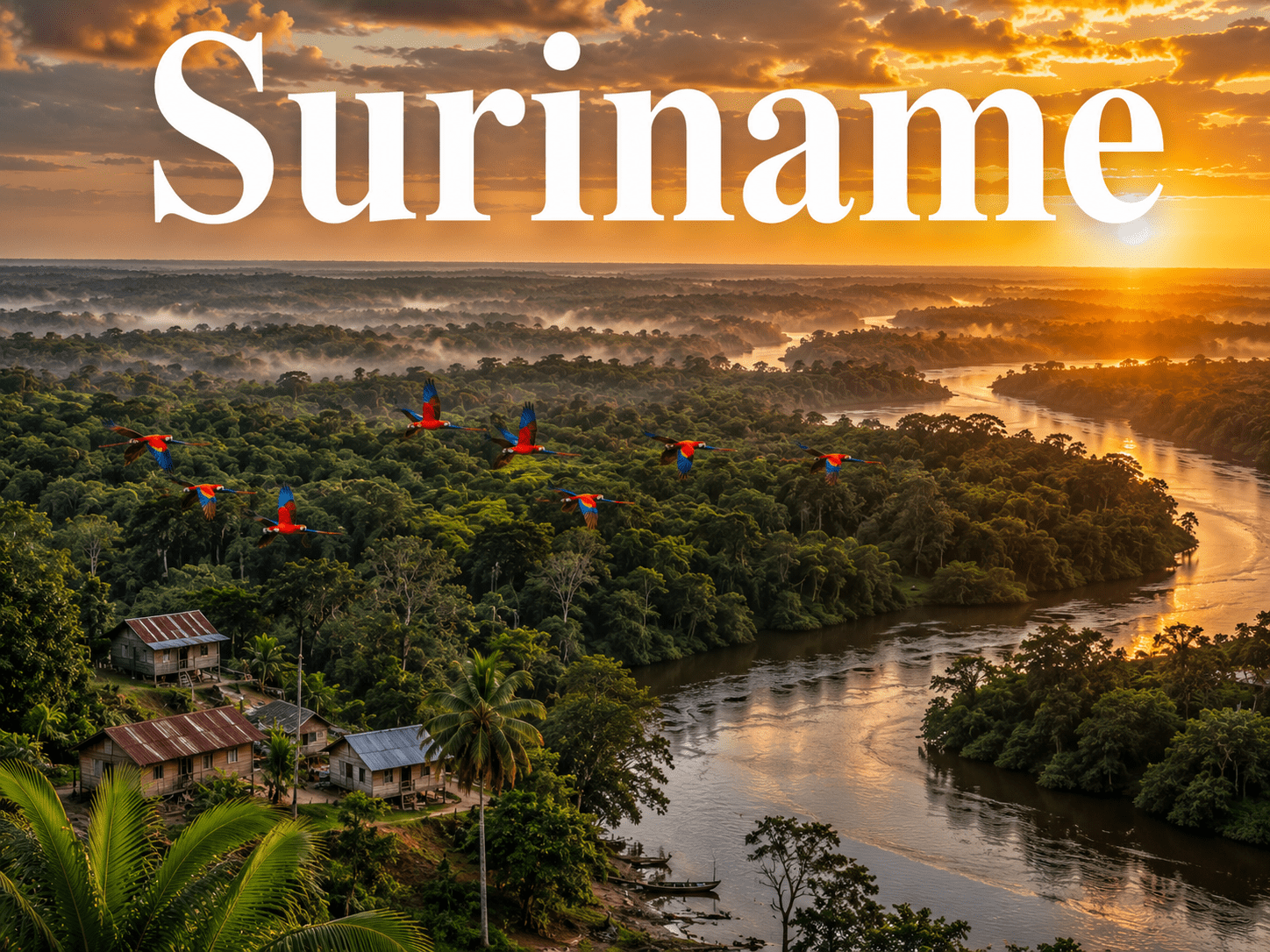
Suriname is a small yet incredibly diverse country located on the northern coast of South America. Known for its dense rainforests, multicultural society, rivers, and colonial architecture, Suriname offers a travel experience that feels untouched and authentic.
Unlike many tourist-heavy destinations, Suriname remains peaceful, natural, and culturally rich, making it ideal for eco-tourism and adventure travel.
The country is especially known for:
- Amazon rainforest coverage
- Cultural diversity
- River-based transportation
- Dutch colonial history
- Wildlife and biodiversity
- Unique fusion cuisine
Modern Suriname is one of the most culturally mixed countries in the world, where African, Indian, Javanese, Indigenous, and European influences coexist.
Historical Background of Suriname
Early Indigenous History
Before colonization, Suriname was inhabited by Indigenous groups who lived along rivers and forests. These communities developed:
- Fishing traditions
- Hunting practices
- River navigation systems
- Forest-based lifestyles
The Amazon rainforest played a central role in shaping life in Suriname.
Colonial Era
Suriname became a Dutch colony in the 17th century. The colonial period significantly influenced the country’s:
- Language
- Architecture
- Agriculture systems
- Plantation economy
Plantations in Suriname relied heavily on sugar, coffee, and cocoa production.
Independence of Suriname
Suriname gained independence from the Netherlands in 1975.
Since independence, Suriname has developed its own national identity while maintaining strong cultural and economic ties with Europe.
Geography and Location of Suriname
Where Is Suriname Located?
Suriname is located on the northeastern coast of South America.
Neighboring countries include:
- Guyana (west)
- French Guiana (east)
- Brazil (south)
The Atlantic Ocean lies to the north of Suriname.
Geographic Features
The geography of Suriname is dominated by:
- Dense rainforests
- River systems
- Coastal plains
- Mountain ranges in the south
Over 90% of Suriname is covered by tropical rainforest.
Climate of Suriname
The climate of Suriname is tropical, with:
- High humidity
- Heavy rainfall
- Warm temperatures year-round
Rainfall patterns strongly influence river levels and transportation in Suriname.
Culture and Society in Suriname
Cultural Diversity of Suriname
One of the most unique aspects of Suriname is its extreme cultural diversity.
Ethnic groups in Suriname include:
- East Indians
- Africans (Maroon communities)
- Javanese
- Indigenous peoples
- Europeans
- Chinese communities
This diversity creates a vibrant cultural mix found nowhere else in South America.
Languages Spoken in Suriname
The official language of Suriname is Dutch, but many languages are spoken including:
- Sranan Tongo (creole language)
- Hindi dialects
- Javanese
- Indigenous languages
Religion in Suriname
Religious diversity in Suriname includes:
- Christianity
- Hinduism
- Islam
- Indigenous beliefs
Religious harmony is a key feature of Suriname society.
Music and Dance
Music in Suriname reflects African, Indian, and Caribbean influences.
Popular styles include:
- Kaseko music
- Traditional drumming
- Folk dance
- Modern Caribbean rhythms
Cuisine of Suriname
Food Culture in Suriname
Food in Suriname reflects its multicultural identity. The cuisine combines African, Indian, Indonesian, and Dutch influences.
Common ingredients include:
- Rice
- Chicken
- Spices
- Coconut
- Beans
Famous Dishes in Suriname
Roti
Roti is one of the most popular dishes in Suriname, influenced by Indian cuisine, served with curry and vegetables.
Pom
Pom is a traditional dish in Suriname made with:
- Root vegetables
- Chicken
- Citrus flavors
Saoto Soup
Saoto soup is a Javanese-influenced dish widely enjoyed in Suriname.
Street Food
Street food in Suriname includes:
- Grilled meats
- Fried snacks
- Spicy noodles
- Fresh juices
Major Cities in Suriname
Paramaribo – Capital City
Paramaribo is the capital of Suriname and a UNESCO World Heritage city known for:
- Dutch colonial architecture
- Riverfront views
- Cultural diversity
- Markets and nightlife
Nieuw Nickerie
Nieuw Nickerie is an important agricultural city in Suriname, known for rice production.
Lelydorp
Lelydorp is a growing urban area in Suriname, located near the capital region.
Tourism in Suriname
Why Visit Suriname?
Tourism in Suriname is ideal for travelers seeking:
- Rainforest adventures
- Wildlife exploration
- River cruises
- Cultural experiences
- Colonial heritage
Unlike crowded destinations, Suriname offers peaceful and eco-friendly tourism.
Famous Attractions in Suriname
Central Suriname Nature Reserve
Central Suriname Nature Reserve is a UNESCO World Heritage Site covering vast rainforest areas in Suriname.
Brownsberg Nature Park
Brownsberg Nature Park offers hiking trails and jungle views in Suriname.
Jodensavanne
Jodensavanne Historic Site is a historic Jewish settlement site in Suriname.
Internal Links
- Read also: Argentina travel guide
- Explore more: Barbados tourism guide
External DoFollow Links
World Bank Suriname Data: https://www.worldbank.org/en/country/suriname
UNESCO Suriname Heritage: https://whc.unesco.org/en/statesparties/sr
Suriname Tourism: https://www.surinametourism.sr
Economy of Suriname
The economy of Suriname is relatively small but resource-rich, relying heavily on natural resources, agriculture, and services. Over the years, Suriname has developed an export-oriented economy supported by mining and energy production.
Key sectors in Suriname include:
- Mining (gold and bauxite)
- Oil and energy
- Agriculture (rice, bananas, palm oil)
- Fishing industry
- Tourism and eco-tourism
- Public services and trade
Natural resources play a central role in shaping the economic structure of Suriname.
Currency of Suriname
The official currency of Suriname is the Surinamese Dollar (SRD).
Currency Facts
- Currency: Surinamese Dollar
- Code: SRD
- Central Bank: Central Bank of Suriname
Cash is widely used in daily life in Suriname, although digital payments are gradually expanding in urban areas.
Mining and Natural Resources in Suriname
Mining is one of the most important industries in Suriname, especially for:
- Gold extraction
- Bauxite mining
- Small-scale artisanal mining
These resources significantly contribute to exports and national revenue in Suriname.
Oil Industry in Suriname
The oil sector is rapidly developing in Suriname, with offshore exploration projects attracting international investment. This sector is expected to play a major role in the future economy of Suriname.
Wildlife and Nature in Suriname
Natural Richness of Suriname
Suriname is one of the most forest-covered countries in the world, with over 90% of its land covered by tropical rainforest. This makes Suriname a biodiversity hotspot.
Wildlife in Suriname includes:
- Jaguars
- Monkeys
- Tapirs
- Sloths
- Exotic birds
- Reptiles and amphibians
Protected Areas in Suriname
Central Suriname Nature Reserve
This UNESCO-listed reserve is one of the largest protected rainforest areas in Suriname, preserving untouched ecosystems and rare wildlife.
Brownsberg Nature Park
A popular eco-tourism destination in Suriname, known for waterfalls, hiking trails, and jungle views.
Galibi Nature Reserve
Famous in Suriname for sea turtle nesting sites and coastal biodiversity.
Transportation in Suriname
Public Transport System
Transportation in Suriname is simple and mainly includes:
- Buses
- Shared taxis
- Private vehicles
- Boats (important for river travel)
River transport plays a crucial role in remote areas of Suriname.
Airports in Suriname
Major airport in Suriname:
- Johan Adolf Pengel International Airport
This airport connects Suriname to:
- Caribbean nations
- South America
- Europe
River Transport
Rivers are essential transportation routes in Suriname, especially for accessing rainforest communities and interior regions.
Culture and Festivals in Suriname
Cultural Diversity in Suriname
Culture in Suriname is one of the most diverse in South America, shaped by African, Indian, Javanese, Indigenous, and European influences.
This diversity is reflected in:
- Festivals
- Food
- Music
- Religious practices
- Clothing styles
Festivals in Suriname
Holi Phagwa
A colorful Hindu festival widely celebrated in Suriname.
Eid Celebrations
Islamic festivals are also widely observed across Suriname.
Keti Koti
A significant cultural event in Suriname marking the abolition of slavery.
Best Time to Visit Suriname
Travel Seasons
The best time to visit Suriname is during the dry seasons:
- February to April
- August to November
These periods are ideal for exploring rainforests and outdoor activities in Suriname.
Interesting Facts About Suriname
- Suriname is the smallest country in South America by population.
- Over 90% of Suriname is covered by rainforest.
- Dutch is the official language, making it unique in the region.
- Suriname has one of the most culturally diverse populations in the world.
- River transport is more common than rail transport.
- The country is part of the Amazon ecosystem.
International Relations of Suriname
United Nations Membership
Suriname is a member of the United Nations and participates in global discussions on development and environmental conservation.
Regional Organizations
Suriname is also part of:
- Caribbean Community (CARICOM)
- Union of South American Nations (UNASUR)
- Organization of American States (OAS)
These memberships help strengthen trade and regional cooperation for Suriname.
Food and Culinary Culture in Suriname
The cuisine of Suriname is one of the most diverse in South America, shaped by Indigenous, African, Indian, Javanese, Chinese, and Dutch influences. This multicultural food heritage makes Suriname a unique culinary destination where flavors from multiple continents blend naturally.
Meals in Suriname often include:
- Rice and legumes
- Spiced curries
- Fresh river fish
- Tropical vegetables
- Coconut-based sauces
- Chili and herb blends
Food culture in Suriname is deeply social, and meals are often shared within families and communities.
Popular Dishes in Suriname
Roti
Roti is one of the most popular dishes in Suriname, influenced by Indian cuisine. It is usually served with:
- Potato curry
- Chicken or goat curry
- Vegetables
- Spicy sauces
Pom
Pom is a traditional dish in Suriname made with root vegetables and chicken, often served at celebrations.
Saoto Soup
Saoto soup reflects Javanese influence in Suriname, made with broth, noodles, eggs, and herbs.
Street Food Culture
Street food in Suriname includes:
- Fried snacks
- Grilled meats
- Noodle dishes
- Sweet desserts
- Fresh fruit juices
Shopping in Suriname
Shopping Experience in Suriname
Shopping in Suriname combines modern stores with traditional local markets. Visitors can find both imported goods and handmade crafts.
Popular items include:
- Spices
- Tropical fruits
- Handmade jewelry
- Wooden crafts
- Local clothing
- Cultural souvenirs
Markets in Suriname
Local markets in Suriname are vibrant cultural spaces where people buy fresh produce and handmade goods.
The markets reflect the multicultural identity of Suriname, with foods and products from different ethnic communities.
Gemstones and Natural Products
Suriname is known for natural resources, including small-scale gemstone mining. Local crafts often use:
- Natural stones
- Wood carvings
- Handmade textiles
Education System in Suriname
Structure of Education in Suriname
Education in Suriname is based on a structured system that includes:
- Primary education
- Secondary education
- Technical and vocational training
- Higher education
Education in Suriname is influenced by Dutch systems due to historical ties.
Universities in Suriname
Higher education in Suriname includes programs in:
- Medicine
- Engineering
- Social sciences
- Business studies
- Environmental sciences
The main university in Suriname plays an important role in national development.
Sports and Recreation in Suriname
Popular Sports in Suriname
Sports in Suriname are an important part of community life, with popular activities including:
- Football (soccer)
- Athletics
- Swimming
- Basketball
- Martial arts
Football Culture
Football is the most popular sport in Suriname, with many talented players having international careers.
Outdoor Activities
Outdoor recreation in Suriname is strongly connected to nature:
- Jungle trekking
- River boating
- Wildlife watching
- Eco-tourism adventures
- Fishing
Travel Safety in Suriname
Safety Tips for Travelers
Suriname is generally safe for tourists, especially in urban and eco-tourism areas. Travelers should:
- Stay aware in unfamiliar areas
- Use trusted transportation
- Follow local guidance
- Avoid isolated areas at night
Health and Travel Advice
Visitors to Suriname should:
- Use mosquito protection (rainforest regions)
- Drink safe bottled water
- Carry travel insurance
- Check weather conditions before jungle trips
Lifestyle and Culture in Suriname
Daily Life in Suriname
Life in Suriname is relaxed and community-focused, with strong cultural traditions and family values.
Clothing and Traditions
Traditional clothing in Suriname varies by ethnic group:
- Indian-style garments
- Javanese cultural clothing
- African-inspired designs
- Modern Western clothing in cities
Why Suriname Is Unique
Cultural and Natural Identity
The uniqueness of Suriname comes from its rare combination of:
- Dense Amazon rainforest
- Multicultural population
- Dutch colonial heritage
- River-based lifestyle
- Biodiversity and wildlife
Few countries in the world offer such a mix of cultures and untouched nature.
Final Summary
Suriname is a hidden gem in South America, offering an authentic travel experience shaped by rainforests, rivers, and cultural diversity. From its colonial capital and tropical forests to its rich food culture and unique traditions, Suriname stands out as one of the most diverse and peaceful destinations in the region.
Travelers exploring Suriname can enjoy:
- Amazon rainforest adventures
- Cultural diversity and festivals
- River journeys
- Unique cuisine
- Wildlife experiences
- Historical landmarks
With its untouched nature and multicultural identity, Suriname remains a truly special destination for eco-tourism and cultural exploration.
Key Facts About Suriname
| Category | Information |
|---|---|
| Country Name | Suriname |
| Continent | South America |
| Capital | Paramaribo |
| Currency | Surinamese Dollar (SRD) |
| Language | Dutch (official), Sranan Tongo |
| Famous For | Rainforests, rivers, diversity |
| Climate | Tropical rainforest |
| Main Industries | Mining, oil, agriculture |
| Major River | Suriname River |
| UNESCO Site | Central Suriname Nature Reserve |
| Best Time to Visit | Dry seasons (Feb–Apr, Aug–Nov) |

