



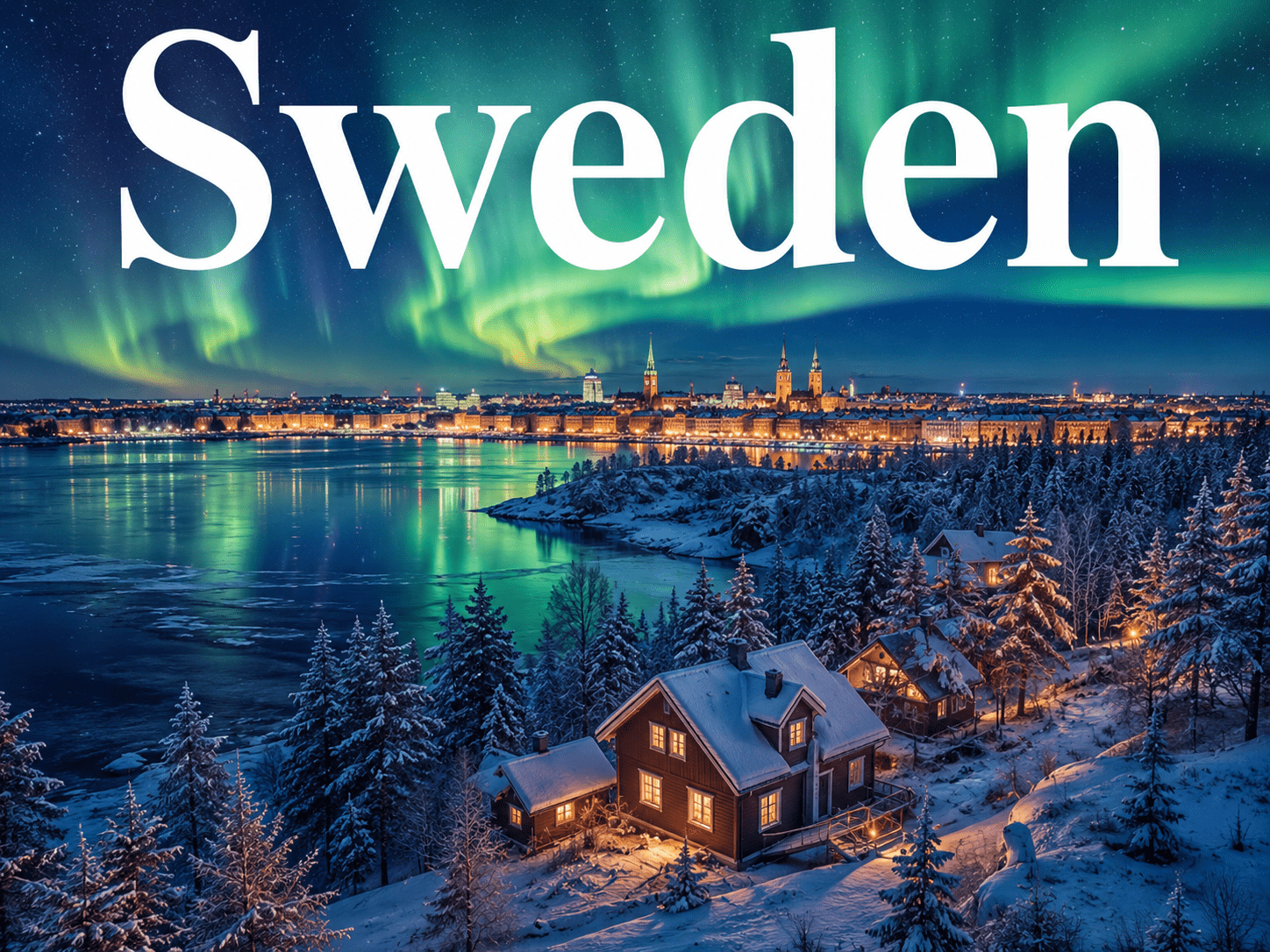
Introduction to Sweden
Sweden is a beautiful Nordic country located in Northern Europe, known for its stunning natural landscapes, modern cities, innovative society, and rich cultural traditions. From Arctic wilderness in the north to vibrant urban life in the south, Sweden offers a unique balance between nature and modern living.
The country is widely recognized for:
- Clean and sustainable living
- High quality of life
- Forests, lakes, and mountains
- Minimalist design culture
- Strong welfare system
- Seasonal natural phenomena like the Northern Lights
Modern Sweden is one of the most developed countries in the world, blending innovation with deep respect for nature.
Historical Background of Sweden
Early History of Sweden
The history of Sweden dates back to ancient Germanic tribes and Viking settlements. During the Viking Age, Sweden played an important role in trade and exploration across Europe and Asia.
Key Viking contributions in Sweden included:
- Maritime exploration
- Trade routes across rivers
- Settlement expansion
- Cultural exchange
Medieval Sweden
During the medieval period, Sweden became a unified kingdom. Christianity spread across the country, influencing architecture, governance, and society.
Castles and churches built during this time still exist in Sweden today.
Modern Sweden
Modern Sweden developed into a constitutional monarchy and later became one of the world’s most stable and prosperous nations.
Today, Sweden is known for:
- Innovation and technology
- Environmental leadership
- Strong social welfare system
- Global cultural influence
Geography and Location of Sweden
Where Is Sweden Located?
Sweden is located in Northern Europe, part of the Scandinavian region.
Neighboring countries include:
- Norway (west)
- Finland (east)
It is also connected culturally and geographically to Denmark via the Øresund Bridge.
Geographic Features
The geography of Sweden includes:
- Vast forests
- Thousands of lakes
- Mountain ranges in the north
- Coastal archipelagos
- Arctic tundra in Lapland
Nearly 70% of Sweden is covered by forest, making it one of Europe’s greenest countries.
Climate of Sweden
The climate in Sweden varies significantly:
- Northern regions: Arctic climate with long winters
- Central regions: Continental climate
- Southern regions: Mild temperate climate
Seasonal changes are very distinct in Sweden, including long summer daylight and dark winter nights.
Culture and Lifestyle in Sweden
Cultural Identity of Sweden
The culture of Sweden is based on simplicity, equality, and respect for nature. Swedish society values balance between work and personal life.
Cultural highlights include:
- Minimalist design
- Music and pop culture
- Outdoor lifestyle
- Social equality
- Sustainability practices
Languages Spoken in Sweden
The official language of Sweden is Swedish, but many people also speak:
- English (widely spoken)
- Finnish (minority communities)
- Sami languages in the north
Religion in Sweden
Sweden is one of the most secular countries in the world, although Christianity has historical roots.
Most people in Sweden identify as non-religious or culturally Christian.
Music and Arts in Sweden
Music is an important part of Sweden’s global identity.
Famous contributions include:
- Pop music industry (global hits)
- Electronic music
- Folk traditions
- Classical compositions
Cuisine of Sweden
Food Culture in Sweden
Food in Sweden is simple, seasonal, and often based on preserved ingredients due to long winters.
Common ingredients include:
- Fish (especially salmon and herring)
- Potatoes
- Dairy products
- Berries
- Bread and grains
Famous Dishes in Sweden
Meatballs (Köttbullar)
Swedish meatballs are one of the most iconic dishes in Sweden, often served with potatoes, cream sauce, and lingonberries.
Gravlax
Gravlax is cured salmon, traditionally served with mustard sauce.
Smörgåsbord
A traditional buffet-style meal found across Sweden.
Cinnamon Buns (Kanelbullar)
A popular sweet pastry widely enjoyed in Sweden during coffee breaks.
Major Cities in Sweden
Stockholm – Capital of Sweden
Stockholm is the capital and largest city of Sweden, known for:
- Islands and waterways
- Museums
- Modern architecture
- Historic old town (Gamla Stan)
Gothenburg
Gothenburg is a major port city in Sweden, known for seafood and maritime culture.
Malmö
Malmö is a diverse city in southern Sweden, connected to Denmark via bridge.
Uppsala
Uppsala is known for its historic university and academic influence in Sweden.
Tourism in Sweden
Why Visit Sweden?
Tourism in Sweden is popular due to:
- Natural landscapes
- Northern Lights
- Modern cities
- Clean environment
- Cultural heritage
- Outdoor adventures
Famous Attractions in Sweden
Gamla Stan
Gamla Stan is the historic old town of Sweden’s capital.
Icehotel
Icehotel is a unique hotel built entirely of ice in northern Sweden.
Abisko National Park
Abisko National Park is one of the best places in Sweden to view the Northern Lights.
External DoFollow Links
- Visit Sweden Official: https://visitsweden.com
- UNESCO Sweden Sites: https://whc.unesco.org/en/statesparties/se
- World Bank Sweden Data: https://www.worldbank.org/en/country/sweden
Economy of Sweden
The economy of Sweden is one of the most advanced and competitive in the world. It is known for innovation, strong industrial output, and a highly skilled workforce. Despite its relatively small population, Sweden has a global economic influence through technology, manufacturing, and exports.
Key sectors of Sweden include:
- Technology and innovation
- Automotive manufacturing
- Telecommunications
- Forestry and paper industry
- Clean energy and sustainability
- Financial services
- Pharmaceutical and biotech industries
A strong welfare system and export-driven economy make Sweden one of the most stable economies in Europe.
Currency of Sweden
The official currency of Sweden is the Swedish Krona (SEK).
Currency Facts:
- Currency: Swedish Krona
- Code: SEK
- Central Bank: Sveriges Riksbank
Although Sweden is part of the European Union, it does not use the Euro, and digital payments are extremely common.
Technology and Innovation in Sweden
Sweden is a global leader in innovation and technology. It is home to many internationally recognized companies and startups.
Major innovation strengths include:
- Green technology
- Mobile communication systems
- Gaming industry development
- Artificial intelligence research
- Sustainable urban planning
Cities in Sweden are often ranked among the most innovative in the world.
Transport System in Sweden
Public Transport in Sweden
Transportation in Sweden is modern, efficient, and eco-friendly. It includes:
- High-speed trains
- Metro systems (Stockholm Tunnelbana)
- Electric buses
- Domestic flights
- Ferries and archipelago transport
Travel across Sweden is highly convenient due to well-connected infrastructure.
Airports in Sweden
Major airports in Sweden include:
- Stockholm Arlanda Airport
- Gothenburg Landvetter Airport
- Malmö Airport
These airports connect Sweden to Europe, Asia, and North America.
Road and Rail Travel
Rail travel in Sweden is known for comfort and scenic views, especially routes passing through forests, lakes, and snowy landscapes.
Festivals and Culture in Sweden
Traditional Festivals in Sweden
Festivals play an important cultural role in Sweden, celebrating seasonal changes and traditions.
Popular festivals include:
- Midsummer Festival
- Lucia Day
- Walpurgis Night
- National Day of Sweden
Midsummer Celebration
The Midsummer Festival is one of the most important traditions in Sweden, celebrating the summer solstice with dancing, flowers, and food.
Lucia Day
Lucia Day is a winter festival in Sweden featuring candlelight processions and traditional songs.
Music and Cultural Life
Music is a major part of modern culture in Sweden, with global influence in:
- Pop music
- Electronic music
- Folk traditions
- Contemporary classical music
Nature and Outdoor Life in Sweden
Natural Beauty of Sweden
Nature is central to life in Sweden, with vast forests, lakes, mountains, and coastal islands.
Major natural features include:
- Thousands of lakes
- Dense boreal forests
- Arctic tundra
- Archipelagos
- National parks
Outdoor lifestyle is deeply rooted in Sweden culture.
National Parks in Sweden
Abisko National Park
Abisko National Park is one of the best places in Sweden to view the Northern Lights and experience Arctic wilderness.
Sarek National Park
Sarek National Park is one of the most remote wilderness areas in Sweden, ideal for experienced hikers.
Tyresta National Park
Located near Stockholm, Tyresta offers forests and hiking trails close to urban Sweden.
Northern Lights in Sweden
The Northern Lights are one of the most magical natural phenomena visible in northern Sweden, especially in Lapland during winter months.
Best Time to Visit Sweden
Seasonal Travel Guide
The best time to visit Sweden depends on travel preferences:
- Summer (June–August): Midnight sun, outdoor activities
- Winter (December–March): Northern Lights, skiing, snow experiences
- Spring (April–May): Blossoming nature and mild weather
- Autumn (September–October): Colorful forests and fewer tourists
Interesting Facts About Sweden
- Sweden is one of the most environmentally friendly countries in the world
- It has thousands of islands along its coastline
- Recycling rates in Sweden are among the highest globally
- The country is famous for minimalist design and fashion
- Many global tech startups originate from Sweden
- Public access to nature is protected by law (Allemansrätten)
International Relations of Sweden
United Nations Membership
Sweden is an active member of the United Nations and participates in global peacekeeping, environmental, and humanitarian efforts.
European Union
Sweden is a member of the European Union and benefits from trade, travel, and cooperation across Europe.
Other Global Organizations
Sweden is also part of:
- OECD
- World Trade Organization
- Nordic Council
- Council of Europe
These memberships strengthen the international role of Sweden.
Food and Culinary Culture in Sweden
The cuisine of Sweden is simple, seasonal, and strongly connected to nature. Because of long winters and short summers, traditional food in Sweden relies heavily on preserved ingredients, dairy products, fish, and locally grown produce.
Meals in Sweden often include:
- Salmon and herring
- Potatoes and root vegetables
- Rye bread and crispbread
- Dairy products like cheese and yogurt
- Berries such as lingonberries and blueberries
Food culture in Sweden is also shaped by “fika,” a daily coffee break tradition that emphasizes relaxation and social connection.
Famous Foods in Sweden
Swedish Meatballs
Swedish meatballs are one of the most iconic dishes in Sweden, usually served with cream sauce, potatoes, and lingonberry jam.
Gravlax
Gravlax is a traditional cured salmon dish in Sweden, flavored with dill, salt, and sugar.
Smörgåsbord
Smörgåsbord is a buffet-style meal common in Sweden, offering a variety of cold and hot dishes.
Kanelbullar (Cinnamon Buns)
Cinnamon buns are a beloved pastry in Sweden, often enjoyed during fika breaks.
Shopping and Lifestyle in Sweden
Shopping Experience in Sweden
Shopping in Sweden combines modern design, sustainability, and minimalism. Cities like Stockholm and Gothenburg offer:
- Fashion boutiques
- Scandinavian design stores
- Eco-friendly products
- Local craft markets
Popular Products from Sweden
Sweden is known globally for:
- Minimalist furniture design
- Fashion brands
- Sustainable home products
- Electronics and innovation goods
Lifestyle in Sweden
Life in Sweden is focused on balance, equality, and environmental awareness. People value:
- Work-life balance
- Outdoor activities
- Clean living environments
- Social equality
Education System in Sweden
Structure of Education
Education in Sweden is free and highly developed. The system includes:
- Preschool education
- Primary and secondary schooling
- Upper secondary education
- Universities and research institutions
Higher Education in Sweden
Universities in Sweden are internationally respected and offer programs in:
- Engineering
- Medicine
- Environmental science
- Information technology
- Social sciences
Many international students choose Sweden for its high academic standards and innovation-driven learning environment.
Sports and Recreation in Sweden
Popular Sports in Sweden
Sports are an important part of life in Sweden, especially:
- Football (soccer)
- Ice hockey
- Skiing
- Handball
- Athletics
Winter Sports Culture
Winter sports are extremely popular in Sweden, especially in northern regions where snow covers the landscape for several months.
Common activities include:
- Cross-country skiing
- Alpine skiing
- Ice skating
- Snowboarding
Outdoor Lifestyle
Outdoor life is a key part of culture in Sweden, with activities like:
- Hiking in forests
- Camping near lakes
- Kayaking in archipelagos
- Berry picking in summer
Travel Safety in Sweden
Safety for Tourists
Sweden is considered one of the safest countries in the world. However, travelers should still:
- Stay aware in crowded areas
- Keep valuables secure in cities
- Follow local laws and guidelines
Health and Travel Tips
Visitors to Sweden should:
- Dress according to weather conditions
- Prepare for cold winters
- Use public transport for convenience
- Respect environmental rules
Why Sweden Is Unique
Cultural and Natural Identity
The uniqueness of Sweden comes from its combination of:
- Vast natural landscapes
- High-tech modern society
- Strong environmental values
- Deep cultural traditions
- Balanced lifestyle philosophy
Few countries in the world combine nature, innovation, and quality of life as seamlessly as Sweden.
Final Summary
Sweden is a Scandinavian country that perfectly blends natural beauty with modern innovation. From northern forests and Arctic landscapes to vibrant cities like Stockholm, Sweden offers a high-quality travel experience for nature lovers, culture seekers, and urban explorers alike.
Travelers to Sweden can enjoy:
- Northern Lights in Lapland
- Scenic lakes and forests
- Modern Scandinavian cities
- Rich cultural traditions
- Unique cuisine and fika culture
- Safe and clean environment
With its strong commitment to sustainability, innovation, and quality of life, Sweden remains one of the most admired countries in the world.
Key Facts About Sweden
| Category | Information |
|---|---|
| Country Name | Sweden |
| Continent | Europe |
| Capital | Stockholm |
| Currency | Swedish Krona (SEK) |
| Language | Swedish |
| Famous For | Nature, innovation, design |
| Climate | Temperate to Arctic |
| Major Industries | Technology, manufacturing, services |
| Famous Sport | Ice hockey |
| UNESCO Sites | Multiple heritage sites |
| Best Time to Visit | June–August / December–March |

