



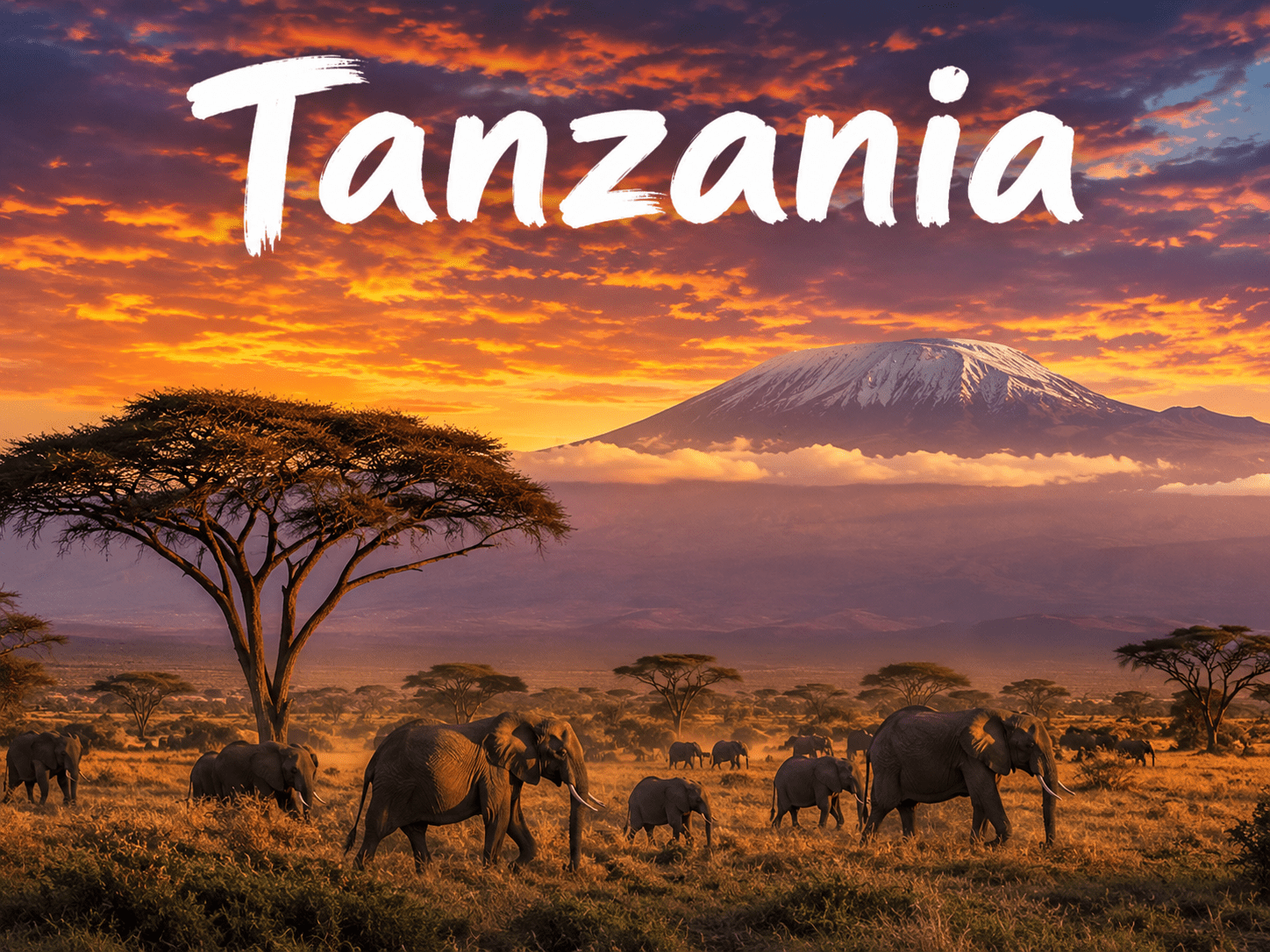
Introduction to Tanzania
Tanzania is one of Africa’s most famous travel destinations, known for spectacular wildlife safaris, Mount Kilimanjaro, tropical beaches, and rich cultural heritage. Located in East Africa, Tanzania offers a combination of nature, adventure, and traditional African experiences.
Travelers visit Tanzania for:
- Wildlife safaris
- The Serengeti ecosystem
- Mount Kilimanjaro climbing
- Zanzibar beaches
- Traditional cultures
- National parks and conservation areas
Modern Tanzania is admired for its biodiversity, scenic beauty, and welcoming culture.
Historical Background of Tanzania
Early History of Tanzania
The history of Tanzania stretches back thousands of years, with evidence of some of the earliest human settlements discovered in East Africa.
Ancient communities in Tanzania developed:
- Farming and fishing traditions
- Coastal trade networks
- Cultural exchanges with Arab and Asian traders
Colonial Period
During the colonial era, Tanzania experienced foreign influence under German and later British administration.
This period shaped:
- Infrastructure development
- Urban growth
- Trade systems
- Educational institutions
Modern Tanzania
Modern Tanzania gained independence in the 20th century and later united mainland Tanganyika with Zanzibar.
Today, Tanzania is known for:
- Political stability
- Wildlife conservation
- Tourism industry
- Cultural diversity
Geography and Location of Tanzania
Where Is Tanzania Located?
Tanzania is located in East Africa and borders:
- Kenya
- Uganda
- Rwanda
- Burundi
- Zambia
- Malawi
- Mozambique
- Democratic Republic of the Congo
The Indian Ocean lies to the east of Tanzania.
Geographic Features
The geography of Tanzania includes:
- Savannah grasslands
- Mountain ranges
- Tropical coastlines
- Great Rift Valley landscapes
- Lakes and rivers
Mount Kilimanjaro
Mount Kilimanjaro is the highest mountain in Africa and one of the most famous attractions in Tanzania.
Climate of Tanzania
The climate in Tanzania varies by region:
- Coastal areas: Tropical and humid
- Highlands: Cooler temperatures
- Northern safari areas: Warm and dry seasons
Culture and Society in Tanzania
Cultural Identity of Tanzania
Culture in Tanzania is shaped by African, Arab, and coastal influences.
Key cultural features of Tanzania include:
- Traditional dance and music
- Community-based lifestyles
- Handicrafts and carving
- Swahili heritage
- Strong hospitality traditions
Languages Spoken in Tanzania
The official languages of Tanzania are:
- Swahili
- English
Swahili is widely spoken throughout Tanzania and plays an important role in national identity.
Religion in Tanzania
Religion in Tanzania includes:
- Christianity
- Islam
- Traditional African beliefs
Religious coexistence is an important aspect of society in Tanzania.
Music and Arts in Tanzania
Music culture in Tanzania includes:
- Traditional tribal music
- Taarab coastal music
- Afro-pop and Bongo Flava
Artistic traditions in Tanzania include:
- Wood carvings
- Paintings
- Beadwork and textiles
Cuisine of Tanzania
Food Culture in Tanzania
Food in Tanzania reflects African, Arab, and Indian influences.
Common ingredients in Tanzania include:
- Rice
- Maize
- Coconut
- Fish and seafood
- Bananas and cassava
Famous Foods in Tanzania
Ugali
Ugali is a staple dish in Tanzania, made from maize flour and served with vegetables or meat.
Nyama Choma
Nyama Choma is grilled meat popular across Tanzania, especially during social gatherings.
Pilau Rice
Pilau rice in Tanzania is flavored with spices influenced by Indian Ocean trade traditions.
Zanzibar Cuisine
The island cuisine of Tanzania includes seafood dishes with coconut and spices.
Major Cities in Tanzania
Dodoma – Capital City
Dodoma is the official capital of Tanzania, serving as the political center of the country.
Dar es Salaam
Dar es Salaam is the largest city and economic hub of Tanzania, located on the Indian Ocean coast.
Arusha
Arusha is a major tourism gateway in Tanzania, especially for safari travelers.
Zanzibar City
Zanzibar City is one of the most historic coastal cities in Tanzania.
Tourism in Tanzania
Why Visit Tanzania?
Tourism in Tanzania is world-famous due to:
- Wildlife safaris
- National parks
- Beaches and islands
- Mountain trekking
- Cultural tourism
Famous Attractions in Tanzania
Serengeti National Park
Serengeti National Park is one of the world’s most famous safari destinations.
Zanzibar
Zanzibar is known for beaches, spice farms, and historic Stone Town.
Ngorongoro Crater
Ngorongoro Conservation Area is a UNESCO-listed wildlife conservation area.
Internal Links
- Read also: Argentina travel guide
- Explore more: Barbados tourism guide
External DoFollow Links
World Bank Tanzania Data: https://www.worldbank.org/en/country/tanzania
Tanzania Tourism Official: https://www.tanzaniatourism.go.tz
UNESCO Tanzania Sites: https://whc.unesco.org/en/statesparties/tz
Economy of Tanzania
The economy of Tanzania is based on agriculture, tourism, mining, trade, and natural resources. Over recent decades, Tanzania has experienced steady economic development supported by infrastructure projects and international investment.
Major economic sectors in Tanzania include:
- Agriculture and farming
- Wildlife tourism
- Mining and natural resources
- Fishing and coastal trade
- Manufacturing and services
Tourism remains one of the most important industries in Tanzania, attracting visitors from around the world.
Agriculture in Tanzania
Agriculture supports a large part of the population in Tanzania.
Key agricultural products in Tanzania include:
- Coffee
- Tea
- Cotton
- Maize
- Cashew nuts
- Bananas and cassava
Rural farming communities are an essential part of life in Tanzania.
Mining Industry in Tanzania
Mining is another major sector in Tanzania, especially:
- Gold mining
- Diamonds
- Tanzanite gemstones
- Nickel and other minerals
Tanzanite, a rare blue gemstone, is found mainly in Tanzania.
Currency of Tanzania
The official currency of Tanzania is the Tanzanian Shilling (TZS).
Currency Details:
- Currency: Tanzanian Shilling
- Code: TZS
- Central Bank: Bank of Tanzania
Cash transactions are common in many regions of Tanzania, though digital payments are increasing in cities.
Wildlife and Conservation in Tanzania
Wildlife Heritage of Tanzania
Wildlife conservation is one of the greatest strengths of Tanzania. The country is home to:
- Lions
- Elephants
- Leopards
- Rhinos
- Buffalo
- Giraffes
- Zebras
The biodiversity of Tanzania attracts safari enthusiasts from around the world.
The Great Migration
One of the most famous wildlife events in Tanzania is the Great Migration, where millions of wildebeest and zebras move across the Serengeti ecosystem.
Conservation Areas in Tanzania
Protected areas cover a significant portion of Tanzania, helping preserve ecosystems and wildlife populations.
National Parks in Tanzania
Serengeti National Park
Serengeti National Park is globally famous for safari experiences and wildlife migration.
Ngorongoro Conservation Area
Ngorongoro Conservation Area is home to one of the world’s largest volcanic craters filled with wildlife.
Tarangire National Park
Tarangire National Park is known for elephants and giant baobab trees.
Selous Game Reserve
Nyerere National Park is one of the largest protected wildlife areas in Africa.
Transportation in Tanzania
Road Transport in Tanzania
Road transport is widely used across Tanzania, including:
- Buses and minibuses
- Shared taxis
- Private safari vehicles
- Coastal transport routes
Railways in Tanzania
Railways in Tanzania connect major inland and coastal regions and support cargo movement and passenger transport.
Airports in Tanzania
Major airports in Tanzania include:
- Julius Nyerere International Airport
- Kilimanjaro International Airport
- Abeid Amani Karume International Airport
These airports connect Tanzania with Africa, Europe, Asia, and the Middle East.
Nature and Landscapes in Tanzania
Natural Beauty of Tanzania
The natural landscapes of Tanzania include:
- Savannah plains
- Tropical islands
- Volcanoes
- Lakes and rivers
- Forest reserves
This diversity makes Tanzania one of Africa’s top eco-tourism destinations.
Lakes in Tanzania
Major lakes in Tanzania include:
- Lake Victoria
- Lake Tanganyika
- Lake Nyasa
These lakes support fishing, biodiversity, and local communities.
Beaches and Islands
The coastline of Tanzania along the Indian Ocean features:
- White-sand beaches
- Coral reefs
- Tropical islands
- Marine biodiversity
Zanzibar is one of the most famous island destinations in Tanzania.
Festivals and Traditions in Tanzania
Cultural Traditions in Tanzania
Traditional culture remains important in Tanzania, especially in rural and tribal communities.
Important cultural elements include:
- Traditional dances
- Oral storytelling
- Tribal ceremonies
- Community festivals
Music in Tanzania
Music in Tanzania includes:
- Bongo Flava
- Traditional drumming
- Coastal Taarab music
- Afro-fusion styles
Handicrafts in Tanzania
Traditional crafts in Tanzania include:
- Wood carving
- Maasai beadwork
- Paintings and textiles
- Handmade jewelry
Best Time to Visit Tanzania
Seasonal Travel Guide
The best time to visit Tanzania depends on travel interests:
- June–October: Best safari season
- January–March: Great wildlife viewing and warm weather
- June–March: Good time for Zanzibar beaches
- April–May: Rainy season with greener landscapes
Interesting Facts About Tanzania
- Tanzania is home to Africa’s highest mountain
- The Serengeti ecosystem is located in Tanzania
- Over 100 ethnic groups live in Tanzania
- Swahili culture strongly influences coastal regions
- Tanzanite gemstones are unique to Tanzania
- The country has some of Africa’s largest national parks
International Relations of Tanzania
United Nations Membership
Tanzania is a member of the United Nations and participates in regional and international cooperation.
Regional Organizations
Tanzania is also part of:
- African Union (AU)
- East African Community (EAC)
- Southern African Development Community (SADC)
Food and Culinary Culture in Tanzania
The cuisine of Tanzania reflects African, Arab, Indian, and coastal influences developed over centuries of trade and cultural exchange. Food culture in Tanzania is rich in spices, grilled meats, seafood, rice dishes, and tropical fruits.
Meals in Tanzania commonly include:
- Rice and maize dishes
- Coconut-based curries
- Fresh seafood
- Grilled meats
- Beans and vegetables
- Tropical fruits such as mangoes and bananas
Traditional hospitality in Tanzania often includes sharing meals with family and guests.
Famous Foods in Tanzania
Ugali
Ugali is one of the staple foods in Tanzania, made from maize flour and served with vegetables, meat, or fish.
Nyama Choma
Nyama Choma is grilled meat that is extremely popular across Tanzania, especially during social events and celebrations.
Pilau Rice
Pilau rice in Tanzania is flavored with spices such as cinnamon, cloves, and cardamom.
Zanzibar Seafood Cuisine
Coastal areas of Tanzania are famous for seafood dishes prepared with coconut milk and aromatic spices.
Shopping and Lifestyle in Tanzania
Shopping Experience in Tanzania
Shopping in Tanzania includes modern city malls as well as traditional markets and craft centers.
Visitors can find:
- Maasai jewelry
- Handmade carvings
- African fabrics and clothing
- Paintings and woven crafts
- Spices and coffee products
Traditional Markets in Tanzania
Markets are important cultural centers in Tanzania, offering:
- Fresh produce
- Local crafts
- Street food
- Traditional textiles
These markets provide insight into daily life in Tanzania.
Lifestyle in Tanzania
Life in Tanzania is strongly influenced by:
- Community relationships
- Traditional customs
- Respect for elders
- Music and dance culture
- Outdoor social activities
The relaxed and welcoming atmosphere is one reason travelers enjoy visiting Tanzania.
Sports and Recreation in Tanzania
Popular Sports in Tanzania
Sports in Tanzania include:
- Football (soccer)
- Athletics
- Boxing
- Basketball
- Traditional tribal competitions
Football is the most popular sport in Tanzania.
Outdoor Activities in Tanzania
Outdoor recreation in Tanzania includes:
- Wildlife safaris
- Mountain trekking
- Diving and snorkeling
- Beach tourism
- Camping and photography tours
Mount Kilimanjaro Climbing
Mount Kilimanjaro attracts climbers from around the world seeking Africa’s highest peak.
Travel Safety in Tanzania
Safety for Tourists
Tanzania is generally considered a welcoming destination for international travelers. Visitors should:
- Follow safari safety instructions
- Respect local customs and traditions
- Stay aware in crowded urban areas
- Use licensed guides for trekking and wildlife tours
Health and Travel Tips
Travelers visiting Tanzania should:
- Stay hydrated in warm climates
- Use mosquito protection in some regions
- Carry travel insurance
- Prepare for different climate zones between coast and mountains
Why Tanzania Is Unique
Cultural and Natural Identity
The uniqueness of Tanzania comes from its extraordinary combination of:
- Wildlife conservation areas
- Mountain landscapes
- Tropical islands
- Rich tribal cultures
- Swahili coastal heritage
Few destinations in Africa combine safari adventure and tropical beaches as successfully as Tanzania.
Final Summary
Tanzania is one of Africa’s most breathtaking destinations, offering unforgettable safari experiences, mountain adventures, coastal beauty, and vibrant culture. From the Serengeti plains and Ngorongoro Crater to Zanzibar beaches and Mount Kilimanjaro, Tanzania provides diverse experiences for every type of traveler.
Visitors to Tanzania can enjoy:
- World-famous wildlife safaris
- Tropical island vacations
- Traditional African culture
- Mountain trekking adventures
- National parks and marine ecosystems
- Friendly hospitality and vibrant local life
With its incredible biodiversity and cultural richness, Tanzania remains one of the world’s top travel destinations.
Key Facts About Tanzania
| Category | Information |
|---|---|
| Country Name | Tanzania |
| Region | East Africa |
| Capital | Dodoma |
| Largest City | Dar es Salaam |
| Currency | Tanzanian Shilling (TZS) |
| Official Languages | Swahili, English |
| Famous For | Safaris, Mount Kilimanjaro |
| Major Attraction | Serengeti National Park |
| Highest Mountain | Mount Kilimanjaro |
| Popular Sport | Football |
| Best Time to Visit | June to October |

