



Introduction
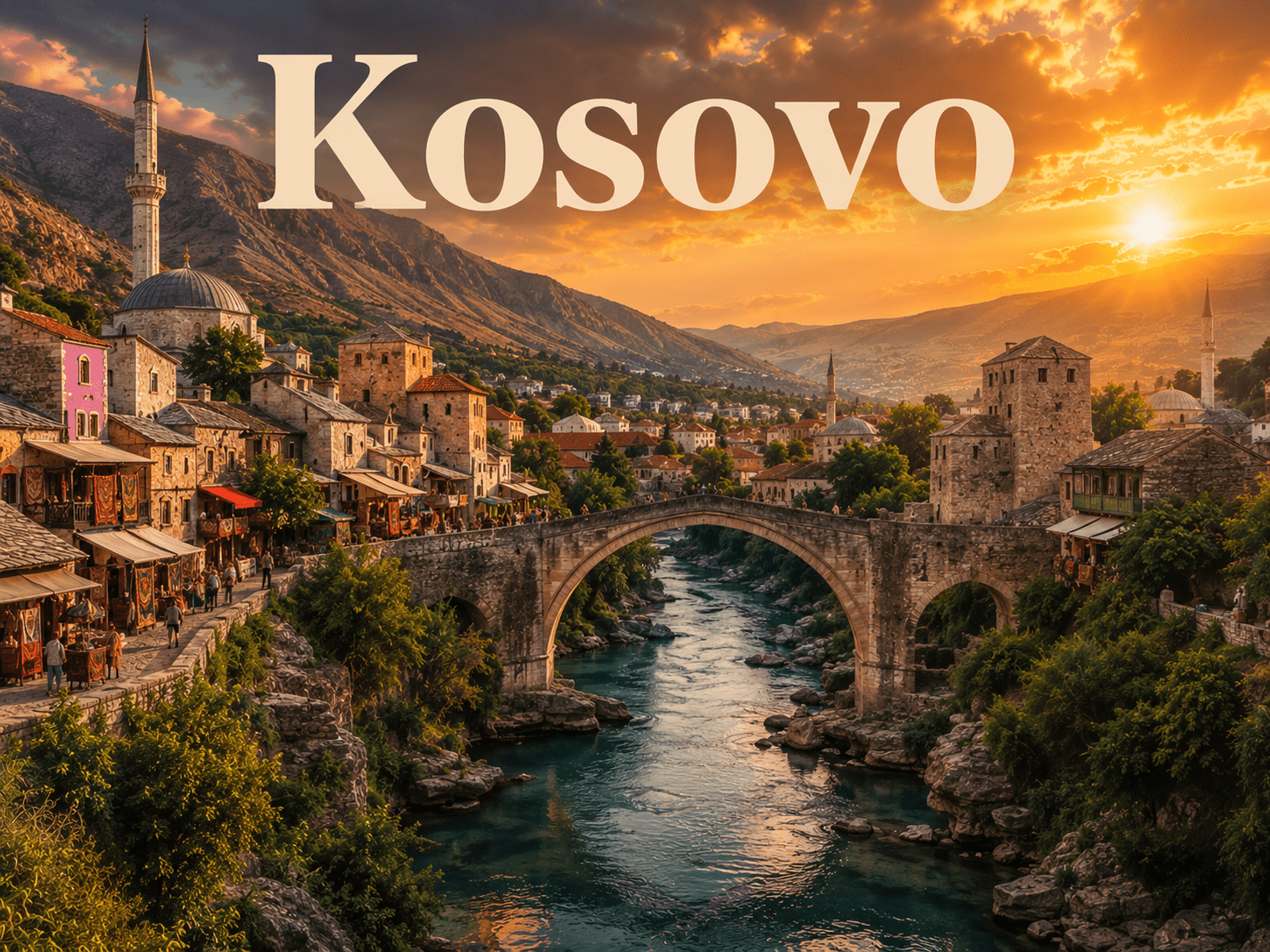
Kosovo is a fascinating destination in Southeast Europe that combines mountain scenery, cultural heritage, historic towns, and modern urban life. Located in the Balkan region, this landlocked territory has gained attention for its historical significance, natural beauty, and traditions that have developed through centuries of cultural interaction.
Travelers visiting the region discover landscapes that include mountains, valleys, rivers, and historical settlements. The area also offers a mixture of architecture, cuisine, and traditions reflecting different historical periods and cultural influences.
Communities continue preserving local customs while supporting modern development and expanding tourism activities.
Historical Background
The history of the region extends across many centuries and includes the influence of different civilizations and empires.
Early Settlements
Archaeological discoveries indicate that ancient communities lived throughout the region long before modern political structures developed.
Early societies introduced:
- Agricultural practices
- Trade systems
- Metalworking
- Settlement development
These activities contributed to social and economic growth.
Medieval Period
During medieval periods, the region became important for trade, religious institutions, and political development.
Historical influences shaped:
- Architecture
- Cultural traditions
- Religious heritage
- Urban development
Many historic structures from these periods remain important today.
Ottoman Influence
Ottoman rule influenced local society for several centuries.
Changes included:
- Urban growth
- Administrative systems
- Cultural exchange
- Architectural development
Modern Development
The twentieth and twenty-first centuries brought significant political and social changes that influenced institutions, infrastructure, and economic activity.
Geographic Location and Natural Environment
The territory occupies a central location within the Balkan Peninsula.
Geographic Coordinates
Approximate location:
42.6° North latitude and 21.0° East longitude
Neighboring Countries
Borders are shared with:
- Serbia
- Albania
- Montenegro
- North Macedonia
Natural Landscapes
Landscape diversity includes:
- Mountain ranges
- Valleys
- Rivers
- Forest regions
- Agricultural areas
Natural environments contribute to tourism, agriculture, and outdoor activities.
Major Rivers
Important waterways include:
- White Drin River
- Ibar River
- Sitnica River
These rivers support ecosystems and local economic activities.
Culture and Traditions
Culture reflects centuries of interaction between different communities and historical influences.
Religion
Religion continues playing an important role within society.
Major religious traditions include:
- Islam
- Christianity
Religious customs often influence:
- Family traditions
- Community events
- Celebrations
- Cultural practices
Music and Performing Arts
Traditional and modern music remain important aspects of cultural life.
Popular forms include:
- Folk music
- Traditional dances
- Instrumental performances
- Cultural festivals
Food and Cuisine
Traditional foods commonly include:
- Flija
- Pite
- Grilled meat dishes
- Bread varieties
- Dairy products
Meals frequently emphasize hospitality and family gatherings.
Festivals and Cultural Events
Cultural events often include:
- Music festivals
- Community celebrations
- Traditional performances
- Local gatherings
Internal Links:
External DoFollow Links:
Economy and Industries
The economy has gradually expanded through trade, manufacturing, agriculture, construction, and service industries. Economic development in recent years has included growth in infrastructure projects, business investment, and tourism activities.
Urban centers typically support commercial and service sectors, while rural regions continue contributing through farming and local production.
Major Economic Sectors
Agriculture
Agriculture remains important for local communities and food production.
Major agricultural products include:
- Wheat
- Corn
- Potatoes
- Fruits
- Vegetables
- Grapes
Livestock farming also contributes to rural economic activity.
Manufacturing
Manufacturing industries include:
- Food processing
- Textile production
- Construction materials
- Metal products
- Consumer goods
Industrial growth supports domestic markets and regional trade.
Energy and Natural Resources
Natural resources contribute to economic development.
Important resources include:
- Lignite coal reserves
- Lead
- Zinc
- Nickel
Energy production and resource development continue influencing industrial activity.
Tourism Sector
Tourism contributes to the economy through natural landscapes, cultural attractions, and historical destinations.
Visitors commonly travel for:
- Historical exploration
- Cultural experiences
- Mountain tourism
- Outdoor activities
- Architecture and heritage sites
Currency and Trade Information
The official currency used is:
Euro (EUR)
Major export products include:
- Metals
- Mineral products
- Agricultural goods
- Manufactured products
Imports commonly include:
- Machinery
- Fuel products
- Vehicles
- Consumer products
Trade relationships with European countries continue supporting economic growth.
Official Language and Common Languages
Language diversity reflects historical and cultural influences across communities.
Official Languages
Official languages include:
- Albanian
- Serbian
These languages are commonly used in:
- Government institutions
- Education
- Media
- Business activities
Additional Languages
Other languages spoken in different communities include:
- Turkish
- Bosnian
- Romani
- English
English is frequently used among younger populations and within tourism and international communication.
Major Cities and Urban Centers
Urban areas combine cultural heritage, commerce, and modern development.
Pristina — Capital City
The capital city is Pristina
Pristina serves as the major political, educational, and economic center.
Important features include:
- Government institutions
- Universities
- Business districts
- Shopping areas
- Cultural venues
Prizren
Prizren
Prizren is known for:
- Historic architecture
- Traditional streets
- Cultural heritage
- Festivals
Peja
Peja
Peja attracts visitors because of:
- Mountain scenery
- Outdoor activities
- Natural landscapes
Gjakova
Gjakova
Important characteristics include:
- Historical markets
- Traditional architecture
- Cultural institutions
Mitrovica
Mitrovica
Mitrovica functions as an important economic and urban center.
Tourist Attractions and Places to Explore
Travel opportunities include mountain landscapes, historical towns, and cultural destinations.
Prizren Historic Center
Prizren Fortress
Visitors appreciate:
- Historic streets
- Traditional buildings
- Scenic viewpoints
- Cultural landmarks
Rugova Canyon
Rugova Canyon
Popular activities include:
- Hiking
- Rock climbing
- Nature photography
- Outdoor exploration
Brezovica Mountains
Brezovica
Visitors enjoy:
- Winter sports
- Scenic landscapes
- Mountain tourism
Gadime Cave
Marble Cave of Gadime
Attractions include:
- Geological formations
- Guided tours
- Natural scenery
International Organizations and Global Participation
The territory participates in various regional and international institutions and programs.
Participation includes cooperation with organizations and initiatives involving:
- Economic development
- International partnerships
- Regional cooperation
- Cultural programs
International engagement supports trade, education, and development opportunities.
Unique and Interesting Facts
The region contains many fascinating characteristics that attract travelers, historians, and nature enthusiasts.
- Prizren is often considered one of the most beautiful historic cities in the Balkans because of its architecture and cultural atmosphere.
- Mountain landscapes cover significant portions of the territory and create opportunities for hiking and winter tourism.
- Traditional stone bridges and historic mosques reflect centuries of architectural influence.
- Coffee culture plays an important role in everyday social life, and cafés are common gathering places.
- Cultural traditions combine influences from various civilizations and historical periods.
- Folk music and dance remain important elements of celebrations and festivals.
- Rural communities continue preserving traditional food preparation methods and handicrafts.
- Historical locations provide insight into medieval and Ottoman-era influences.
Best Time to Visit
Travel experiences vary according to seasons and weather conditions.
Spring Season (April to June)
Spring is considered one of the most comfortable times for visitors because:
- Temperatures are pleasant
- Landscapes become greener
- Outdoor activities become easier
- Cities and mountain areas are comfortable to explore
Autumn Season (September to October)
Advantages include:
- Moderate weather
- Scenic landscapes
- Comfortable sightseeing conditions
- Reduced seasonal crowds in some destinations
Winter Season
Winter months can be attractive for travelers interested in:
- Snow-covered landscapes
- Winter sports
- Mountain experiences
Transportation and Getting Around
Travel infrastructure connects urban centers and tourist destinations.
Air Transportation
The primary international airport serving the region is located near:
Pristina
Air services connect travelers with several European destinations.
Road Transportation
Road transportation remains one of the most common travel methods.
Available options include:
- Private vehicles
- Rental cars
- Taxi services
- Public buses
Road networks connect major cities and surrounding areas.
Public Transportation
Urban and regional transportation commonly includes:
- Bus systems
- Shared transportation services
- Taxi networks
Travel Tips
Helpful suggestions for visitors include:
- Carry local currency for small purchases where necessary
- Keep travel documents available
- Confirm transportation schedules before longer trips
- Carry suitable clothing depending on seasonal weather conditions
- Learn a few local phrases for easier communication
Final Summary
Kosovo offers a combination of cultural heritage, mountain scenery, historical sites, and modern urban experiences. Historic towns, landscapes, and local traditions create a destination that attracts visitors interested in history, nature, and cultural experiences.
Communities continue preserving customs through food, music, festivals, and daily life while cities support economic and social development. Historic architecture and natural attractions contribute to a distinctive travel experience within the Balkan region.
From traditional streets and mountain landscapes to historical sites and local culture, Kosovo provides memorable experiences for travelers seeking history, nature, and cultural diversity.
Key Facts Table
| Category | Information |
|---|---|
| Official Name | Republic of Kosovo |
| Capital | Pristina |
| Continent | Europe |
| Region | Balkan Peninsula |
| Coordinates | Approximately 42.6°N, 21.0°E |
| Official Languages | Albanian, Serbian |
| Currency | Euro (EUR) |
| Major Industries | Agriculture, manufacturing, trade, services |
| Major Exports | Metals, mineral products, agricultural goods |
| Major Religions | Islam and Christianity |
| Major Cities | Pristina, Prizren, Peja, Gjakova, Mitrovica |
| Major Attractions | Prizren Fortress, Rugova Canyon, Brezovica, Marble Cave of Gadime |
| Best Travel Season | April–June and September–October |

