



Discover Sudan: Land of Ancient Civilizations and Natural Beauty
Sudan, a northeast African nation, is a land of ancient kingdoms, sprawling deserts, and life-giving rivers. From the bustling streets of Khartoum, the capital, to the archaeological marvels of Nubia, Sudan presents travelers with a unique blend of historical richness and cultural diversity. The country is known for its pyramids, vibrant markets, and the majestic Nile River, which nourishes agriculture and daily life throughout the region.
Historical Overview of Sudan
The region has been inhabited for millennia, giving rise to some of Africa’s earliest civilizations. The Kingdom of Kush, centered around Nubia, rivaled ancient Egypt in wealth and power. Later periods saw Ottoman influence, Mahdist rule, and eventually integration into modern statehood after independence in 1956.
Key Historical Landmarks:
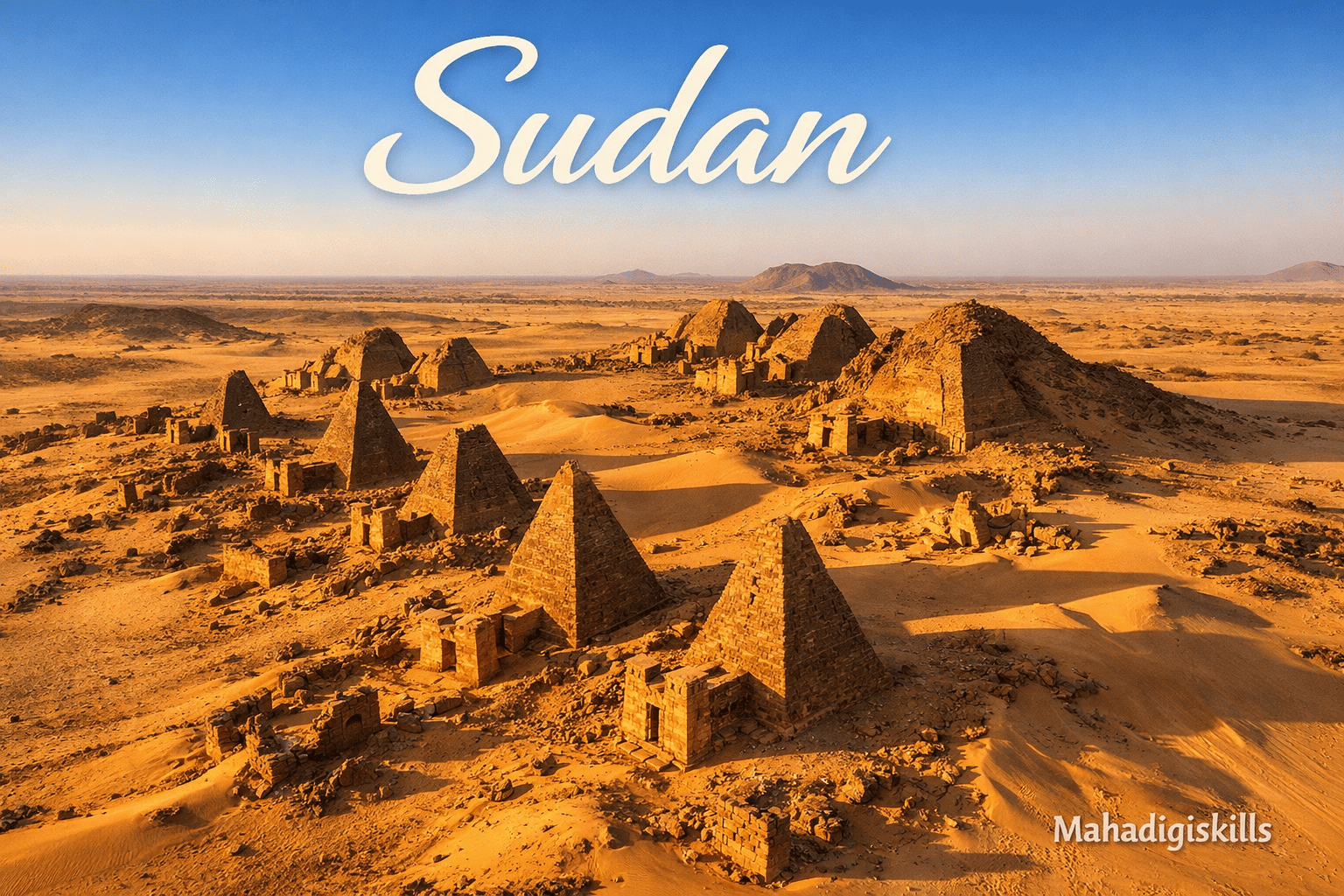
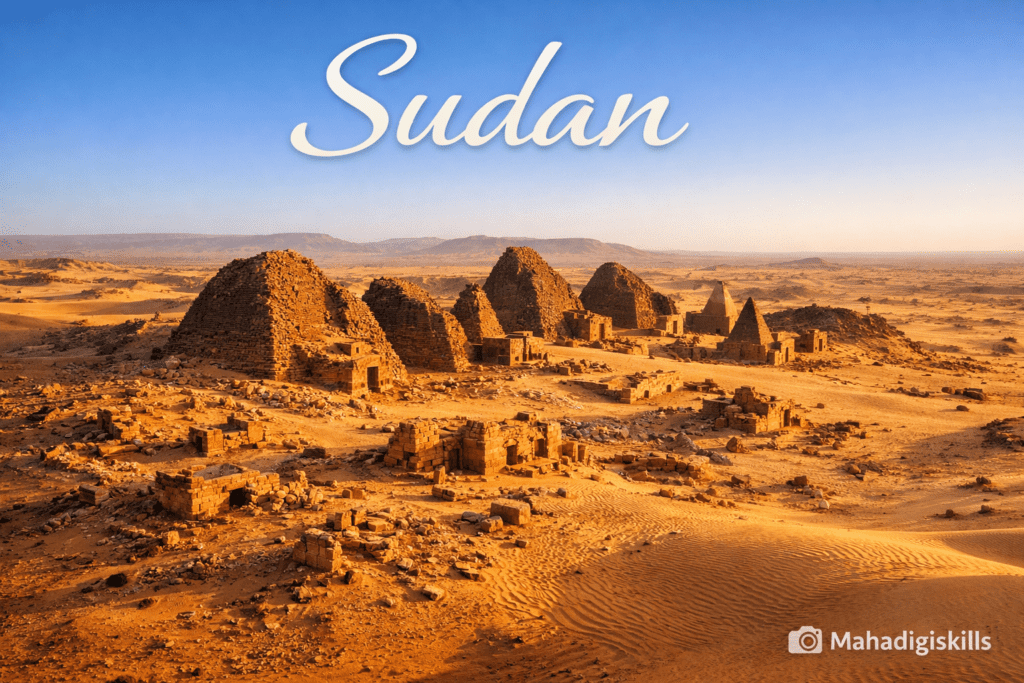
- Pyramids of Meroë: Nubian pyramids reflecting ancient royalty and engineering
- Jebel Barkal: Sacred mountain and ancient religious center
- Old Dongola: Former capital of the medieval Christian kingdom
For more historical context, you can visit UNESCO World Heritage Sites in Sudan.
Geography and Location
Situated in Northeast Africa, Sudan shares borders with Egypt, Libya, Chad, the Central African Republic, South Sudan, Ethiopia, and Eritrea. Its coordinates are approximately 15°N latitude and 30°E longitude. Covering roughly 1.9 million square kilometers, the nation features diverse landscapes:
- Nile River: Central lifeline for agriculture and settlements
- Bayuda Desert: Vast desert terrain ideal for adventure exploration
- Red Sea Hills: Mountainous areas with unique wildlife
- Savannas and Grasslands: Supporting farming and pastoral communities
The climate varies from arid desert in the north to tropical wet-and-dry conditions in the south. Seasonal planning is essential for travelers, especially for desert treks or river cruises.
Culture and Traditions
The culture of this northeast African nation reflects Arab, African, and Nubian influences, shaped by centuries of trade, migration, and empire.
Language and Religion
- Official Language: Arabic
- Local Languages: Nubian, Beja, Fur, and other indigenous dialects
- Religion: Predominantly Islam, with small Christian and indigenous communities
Festivals and Music
- Traditional music, drumming, and dance form the heart of celebrations.
- Cultural festivals preserve folklore and traditional crafts, offering visitors immersive experiences.
Cuisine
- Kisra: Fermented flatbread staple
- Tagine-style stews: Often made with meat, lentils, or vegetables
- Spices: Cumin, coriander, and fenugreek feature prominently
Cities like Khartoum showcase a blend of modern life and traditional markets, while villages along the Nile maintain centuries-old cultural practices.
Economy and Trade Overview
The economy of this northeast African nation is diverse, with agriculture, natural resources, and trade as key pillars. Historically reliant on cotton and gum arabic exports, the country has also developed mining and energy sectors.
Currency and Financial System
- Currency: Sudanese Pound (SDG)
- Major Trade Partners: China, United Arab Emirates, Saudi Arabia, Egypt, and European nations
- Key Industries:
- Agriculture: Sorghum, millet, wheat, and livestock
- Mining: Gold and other minerals
- Energy: Oil production and refining
- Manufacturing: Food processing, textiles, and construction materials
Efforts are underway to modernize infrastructure and attract foreign investment, particularly in energy, mining, and agricultural exports. For economic details, visit the World Bank – Sudan Overview.
Major Cities and Capitals
Khartoum – The Capital and Urban Hub
Khartoum is the political, economic, and cultural heart of the country. Located at the confluence of the Blue and White Nile, it is a center for commerce, government, and modern amenities. Attractions include the National Museum, lively markets, and riverside promenades.
Omdurman – Historic and Cultural Center
Across the Nile from Khartoum, Omdurman is famous for traditional souks, Sufi shrines, and cultural festivals that preserve the nation’s heritage.
Port Sudan – Coastal Gateway
Situated on the Red Sea, this port city supports trade and tourism, with coral reefs and diving opportunities along the coastline.
Other Key Cities
- Nyala: Gateway to the Darfur region
- Kassala: Known for its scenic mountains and cultural diversity
- Al-Fashir: Historic center in western Sudan
Tourism Attractions
This country offers a wealth of historic, cultural, and natural experiences:
Historical and Archaeological Sites
- Pyramids of Meroë: Nubian pyramids with royal tombs
- Jebel Barkal: Sacred mountain and religious ruins
- Old Dongola: Medieval Christian kingdom relics
Natural Wonders
- Dinder National Park: Wildlife safaris and birdwatching
- Red Sea Coast: Coral reefs and water sports
- Bayuda Desert: Adventure trekking and desert landscapes
Cultural Experiences
- Traditional markets and festivals in Khartoum and Omdurman
- Nubian villages along the Nile offering crafts, music, and culinary tours
Best Times to Visit and Travel Tips
- Winter (November–March): Cooler, ideal for sightseeing and desert treks
- Summer (April–October): Extremely hot; outdoor activities may be challenging
- Transportation:
- Domestic flights between major cities
- Riverboats along the Nile for scenic travel
- Buses and taxis in urban areas
Travelers should plan for desert conditions, cultural sensitivities, and local customs.
Unique and Interesting Facts
- The country has been inhabited for over 5000 years, home to one of Africa’s earliest kingdoms.
- The Nile River splits at the capital, sustaining agriculture and communities.
- Mud-brick architecture and Nubian villages are still prominent in rural areas.
- The nation is a member of the United Nations, African Union, and Arab League.
- The region hosts numerous archaeological treasures that remain lesser-known to international tourists.
Sudan in Global Organizations
This northeast African nation plays an important role in international relations and global governance.
United Nations Membership
- Member Since: 12 November 1956
- Status: Active participant in UN programs and initiatives
- Contributions: Peacekeeping, humanitarian aid, and policy discussions
Other International Memberships
- African Union (AU): Regional political and economic collaboration
- Arab League: Political, cultural, and economic partnership with Arab nations
- UNESCO World Heritage Sites: Protects Nubian pyramids and other historical landmarks
Cultural and Social Insights
Arts and Literature
- Known for ancient Nubian art, Islamic calligraphy, and traditional crafts
- Oral storytelling and poetry remain central in cultural expression
Folk Traditions and Music
- Drumming, folk dances, and Sufi-inspired music feature in festivals
- Traditional garments and jewelry reflect centuries-old heritage
Cuisine and Dining
- Meals often include kisra, stews, and spiced meat dishes
- Tea culture is widespread, with social gatherings centering around tea ceremonies
Travel Itineraries and Exploration Tips
Sudan’s vast size requires thoughtful travel planning.
Suggested 7-Day Itinerary
- Day 1-2 – Khartoum: Visit the National Museum, Nile confluence, and local markets
- Day 3 – Omdurman: Explore cultural festivals, Sufi shrines, and historic souks
- Day 4 – Pyramids of Meroë: Archaeological tours and photography of ancient Nubian pyramids
- Day 5 – Red Sea Coast: Relaxation, diving, and exploring coral reefs
- Day 6 – Dinder National Park: Wildlife safaris and nature walks
- Day 7 – Bayuda Desert: Desert trekking and cultural immersion with local communities
Transportation Tips
- Domestic Flights: Ideal for long distances between northern and southern cities
- Riverboats: Scenic travel along the Nile
- Road Travel: Buses, taxis, and private tours for local exploration
Best Times to Visit Recap
- Winter (Nov–Mar): Cool and comfortable for sightseeing
- Summer (Apr–Oct): Hot and dry; suitable for coastal or Nile River trips
- Spring & Autumn: Moderate temperatures, fewer tourists, perfect for cultural tours
Final Summary
Exploring Sudan is a journey through ancient history, diverse culture, and stunning landscapes. From the pyramids of Meroë to the vibrant streets of Khartoum and the peaceful banks of the Nile, the country offers experiences that are unique and memorable. Travelers can enjoy archaeological treasures, natural beauty, culinary delights, and traditional festivals, all while learning about a nation with a rich and resilient heritage.
Sudan’s global engagement, UNESCO heritage sites, and role in regional organizations further enhance its significance as a destination for both cultural and educational exploration.
Key Facts Table
| Feature | Details |
|---|---|
| Capital | Khartoum |
| Largest City | Khartoum |
| Official Language | Arabic |
| Local Languages | Nubian, Beja, Fur, and others |
| Currency | Sudanese Pound (SDG) |
| Population | ~46 million |
| Area | 1.9 million km² |
| Borders | Egypt, Libya, Chad, Central African Republic, South Sudan, Ethiopia, Eritrea |
| Famous Rivers | Nile River (Blue and White) |
| Climate | Desert to tropical savanna |
| UNESCO Sites | Pyramids of Meroë, Jebel Barkal |
| Major Industries | Agriculture, mining, oil, manufacturing |
| Best Time to Visit | Winter (Nov–Mar) |
| UN Status | Member since 1956, active participant |
List of All 195 Countries
A
- Afghanistan
- Albania
- Algeria
- Andorra
- Angola
- Antigua and Barbuda
- Argentina
- Armenia
- Australia
- Austria
- Azerbaijan
- Bahamas
- Bahrain
- Bangladesh
- Barbados
- Belarus
- Belgium
- Belize
- Benin
- Bhutan
- Bolivia
- Bosnia and Herzegovina
- Botswana
- Brazil
- Brunei
- Bulgaria
- Burkina Faso
- Burundi
- Cabo Verde
- Cambodia
- Cameroon
- Canada
- Central African Republic
- Chad
- Chile
- China
- Colombia
- Comoros
- Congo (Congo-Brazzaville)
- Costa Rica

