



Introduction
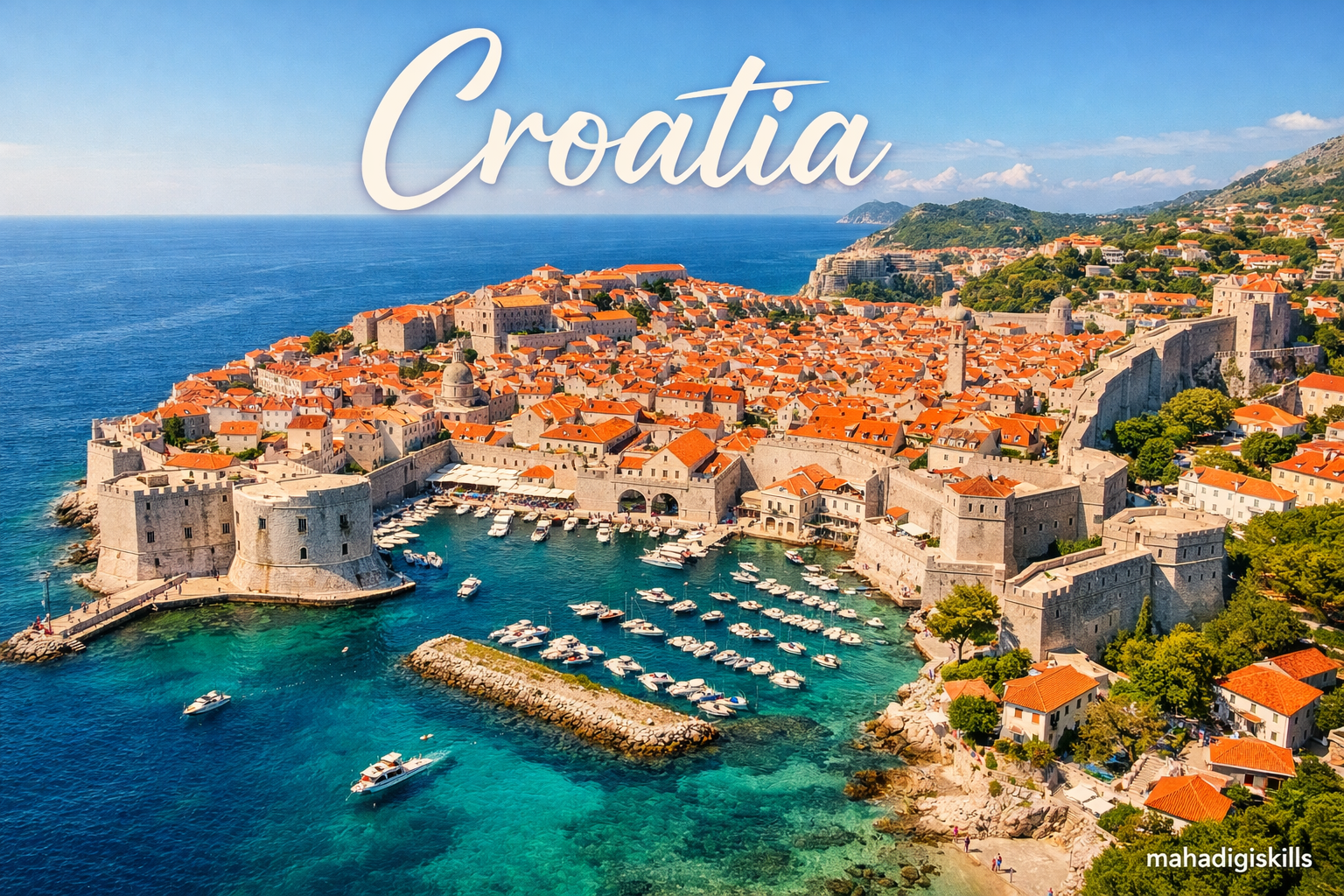
Croatia is one of the most fascinating destinations in Southeast Europe, attracting travelers with its turquoise coastline, historic towns, and vibrant Mediterranean lifestyle. Situated along the Adriatic Sea, this European nation offers a rare combination of natural beauty, cultural heritage, and modern tourism.
Visitors exploring this Adriatic destination often discover charming medieval cities, scenic islands, and breathtaking national parks. Over the past decade, tourism has grown rapidly as travelers from around the world come to experience the country’s beaches, ancient architecture, and welcoming culture.
Beyond tourism, Croatia also has a rich historical legacy shaped by many civilizations. Romans, Venetians, Austro-Hungarians, and Slavic communities have all left their mark on the country’s culture and architecture. Because of this unique historical influence, the nation presents an extraordinary mix of Mediterranean and Central European traditions.
Today, Croatia stands as an independent democratic country and an active member of several international organizations, including the European Union, NATO, and the United Nations. Its strategic location between Central Europe and the Balkans continues to make it an important cultural and economic hub in the region.
Historical Background
Ancient Settlements and Roman Influence
The territory that forms modern Croatia has been inhabited since prehistoric times. Archaeological evidence shows that early communities lived along the Adriatic coast thousands of years ago. Among the earliest known inhabitants were the Illyrian tribes, who settled throughout the region and developed trade networks across the Mediterranean.
Greek traders later established small coastal colonies, introducing Mediterranean culture and commerce. However, the most significant early transformation occurred when the Roman Empire expanded into the region.
Under Roman rule, cities, roads, and infrastructure were developed across the Adriatic coast and inland areas. Roman architecture can still be seen today, especially in the famous Diocletian’s Palace in Split, which remains one of the most impressive historical monuments in Southeast Europe.
Roman influence shaped urban planning, governance, and culture in the region for centuries, leaving a legacy that continues to attract historians and tourists alike.
Medieval Kingdom
During the early Middle Ages, Slavic groups migrated into the area and gradually formed political communities. These communities eventually evolved into a unified medieval state.
By the 10th century, the Kingdom reached its peak under King Tomislav, who is widely recognized as the first king of Croatia. His reign strengthened political organization and military power, allowing the kingdom to defend its territories and expand influence across nearby regions.
In the early 12th century, the kingdom entered a political union with Hungary. Although the two states shared a monarch, local governance and traditions remained distinct, allowing the Croatian identity to continue developing throughout the centuries.
Venetian and Ottoman Period
Between the 15th and 18th centuries, the Adriatic region became a strategic area contested by powerful empires. Coastal cities fell under the influence of the Venetian Republic, which controlled maritime trade throughout the Adriatic Sea.
Meanwhile, inland territories faced expansion from the Ottoman Empire. These competing powers shaped the culture, architecture, and defensive structures found across the region.
Cities such as Dubrovnik, Split, and Zadar became thriving commercial centers. Dubrovnik, in particular, emerged as an independent maritime republic that maintained strong diplomatic and trade relationships across the Mediterranean.
Austro-Hungarian Era
By the 19th century, much of the territory was incorporated into the Austro-Hungarian Empire. During this period, infrastructure improved, trade increased, and cultural institutions flourished.
A movement known as the Croatian National Revival emerged during this era. Intellectuals, writers, and political leaders began promoting the national language, literature, and cultural traditions. These efforts played a significant role in strengthening national identity.
Yugoslav Period and Independence
After the First World War, the region became part of the Kingdom of Yugoslavia. Following the Second World War, it was integrated into the Socialist Federal Republic of Yugoslavia.
During the Yugoslav era, industrialization expanded and economic modernization accelerated. However, political tensions eventually led to the dissolution of Yugoslavia in the early 1990s.
In 1991, the country declared independence, which triggered the Croatian War of Independence. The conflict lasted until 1995, after which the nation began rebuilding infrastructure and strengthening democratic institutions.
Since then, the country has experienced significant economic growth, particularly in tourism and international trade.
Geography and Location
Where Is Croatia Located?
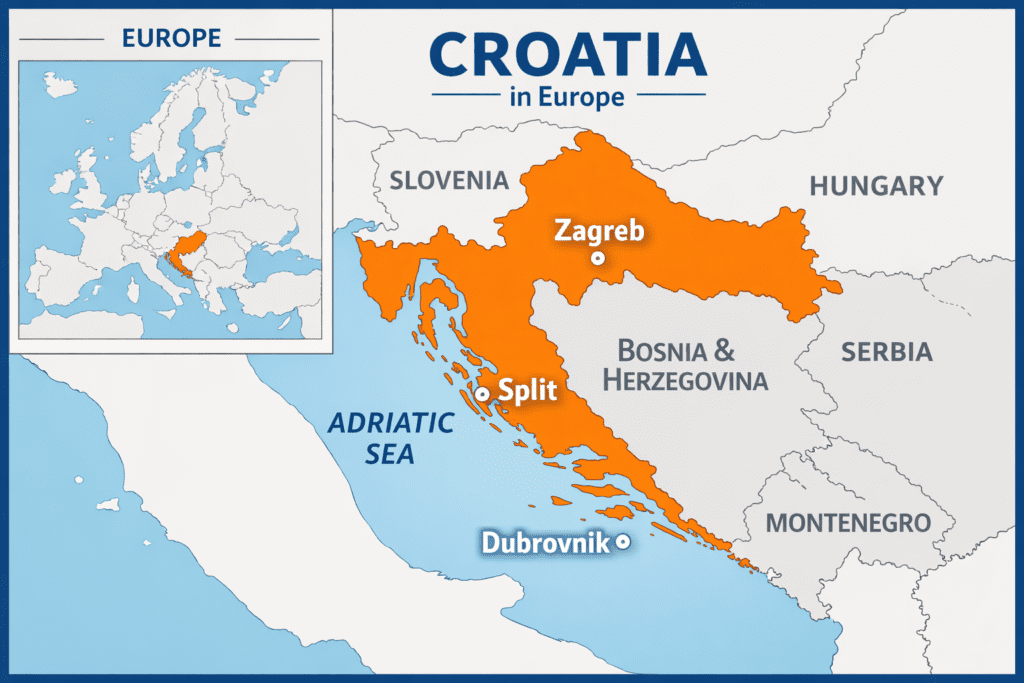
Located in Southeast Europe, this Adriatic country forms a natural bridge between Central Europe, the Balkans, and the Mediterranean region.
Geographical coordinates are approximately:
45° North latitude
15° East longitude
This strategic location has historically made the region a crossroads for cultures, commerce, and political influence.
Neighboring Countries
The nation shares borders with several European states:
- Slovenia to the northwest
- Hungary to the northeast
- Serbia to the east
- Bosnia and Herzegovina to the southeast
- Montenegro to the south
To the west lies the Adriatic Sea, which provides one of Europe’s most scenic coastlines.
Landscapes and Natural Regions
The country features a remarkable diversity of landscapes, ranging from coastal islands to mountainous terrain and fertile plains.
Adriatic Coastline
The coastline stretches for more than 1,700 kilometers, making it one of the most beautiful in Europe. The clear waters, rocky cliffs, and historic towns attract millions of visitors each year.
Mountain Ranges
The Dinaric Alps run through much of the western region, creating dramatic scenery and protected national parks.
Inland Plains
Eastern areas consist of fertile agricultural land that supports farming, vineyards, and rural communities.
Islands
One of the most distinctive features of this Adriatic destination is its large number of islands. More than 1,200 islands and islets are scattered along the coastline, though only about fifty are permanently inhabited.
Popular islands include:
- Hvar – known for nightlife and lavender fields
- Brač – home to the famous Zlatni Rat beach
- Korčula – historic medieval architecture
- Vis – quiet atmosphere and natural beauty
These islands are major highlights for visitors exploring the Adriatic region.
Languages
The official language is Croatian, a South Slavic language written using the Latin alphabet.
Regional dialects include:
- Štokavian
- Kajkavian
- Čakavian
Due to the strong tourism industry, many residents also speak English, German, and Italian, particularly in major cities and coastal destinations.
References (DoFollow)
United Nations
https://www.un.org/en/member-states/croatia
UNESCO World Heritage
https://whc.unesco.org/en/statesparties/hr
World Bank Country Data
https://www.worldbank.org/en/country/croatia
Culture of Croatia
The culture of Croatia reflects centuries of historical influence from Central Europe, the Mediterranean, and the Balkans. This cultural diversity has created a vibrant blend of traditions, art, music, architecture, and cuisine.
Because of its location along major historical trade routes, Croatia has absorbed elements from Roman, Venetian, Ottoman, and Austro-Hungarian civilizations. As a result, visitors can experience a fascinating mixture of architectural styles, culinary traditions, and cultural celebrations throughout the country.
Cultural heritage remains extremely important in Croatia, and many traditions are preserved through festivals, music performances, local crafts, and religious ceremonies. Small towns and villages often celebrate historical customs that have been passed down for generations.
Art galleries, theaters, museums, and historic monuments also play a key role in showcasing the cultural richness of Croatia. Cities such as Zagreb, Split, and Dubrovnik host numerous cultural events that attract international visitors each year.
Religion in Croatia
Religion has historically played an important role in shaping society and traditions across Croatia. The majority of the population identifies as Roman Catholic, making Catholicism the dominant religion in the country.
Catholic traditions influence many aspects of life, including national holidays, festivals, and community celebrations. Churches and cathedrals can be found in nearly every town, many of which date back hundreds of years.
In addition to Catholicism, other religious communities are also present within Croatia, including:
- Eastern Orthodox Christians
- Muslims
- Protestants
- Jewish communities
Religious diversity contributes to the multicultural character of the country while maintaining strong historical traditions.
Many of the oldest churches in Croatia are considered architectural masterpieces and attract visitors interested in history and religious heritage.
Traditional Festivals
Festivals are an essential part of life in Croatia, reflecting the country’s deep cultural roots and community spirit. Throughout the year, cities and towns organize celebrations that highlight music, food, folklore, and historical traditions.
Dubrovnik Summer Festival
One of the most famous cultural events in Croatia is the Dubrovnik Summer Festival, which takes place inside the historic walls of Dubrovnik. The festival features theater performances, concerts, and dance events held in beautiful open-air venues.
Zagreb Christmas Market
The capital city hosts one of the most celebrated winter events in Europe. The Zagreb Advent Festival transforms the city into a festive wonderland with lights, holiday markets, and cultural performances.
Split Summer Festival
This event takes place in the historic city of Split and includes opera, ballet, theater, and musical performances. Many events are held within the ancient Roman structures of Diocletian’s Palace.
Sinjska Alka
A unique medieval knight tournament known as Sinjska Alka is held annually in the town of Sinj. This centuries-old tradition is recognized by UNESCO as an important example of cultural heritage in Croatia.
These festivals demonstrate the strong community traditions that continue to shape cultural life throughout the country.
Music and Arts
Music plays a significant role in the cultural identity of Croatia. Traditional folk music varies by region, often featuring instruments such as the tamburica, a string instrument commonly used in local performances.
Folk songs typically reflect rural life, historical stories, and community celebrations. Traditional dance performances are often accompanied by colorful costumes representing different regions.
Modern music is also widely popular. Contemporary artists from Croatia produce pop, rock, and electronic music that has gained recognition across Europe.
The arts scene is equally vibrant. The country has produced many famous writers, painters, and filmmakers who have contributed to European culture. Museums and art galleries in major cities showcase both traditional and modern artistic expression.
Croatian Cuisine
Food is an important part of daily life and cultural tradition in Croatia. The cuisine reflects regional diversity, combining Mediterranean flavors along the coast with Central European influences inland.
Seafood dishes are particularly popular in coastal areas, while meat-based recipes dominate inland regions.
Popular Traditional Dishes
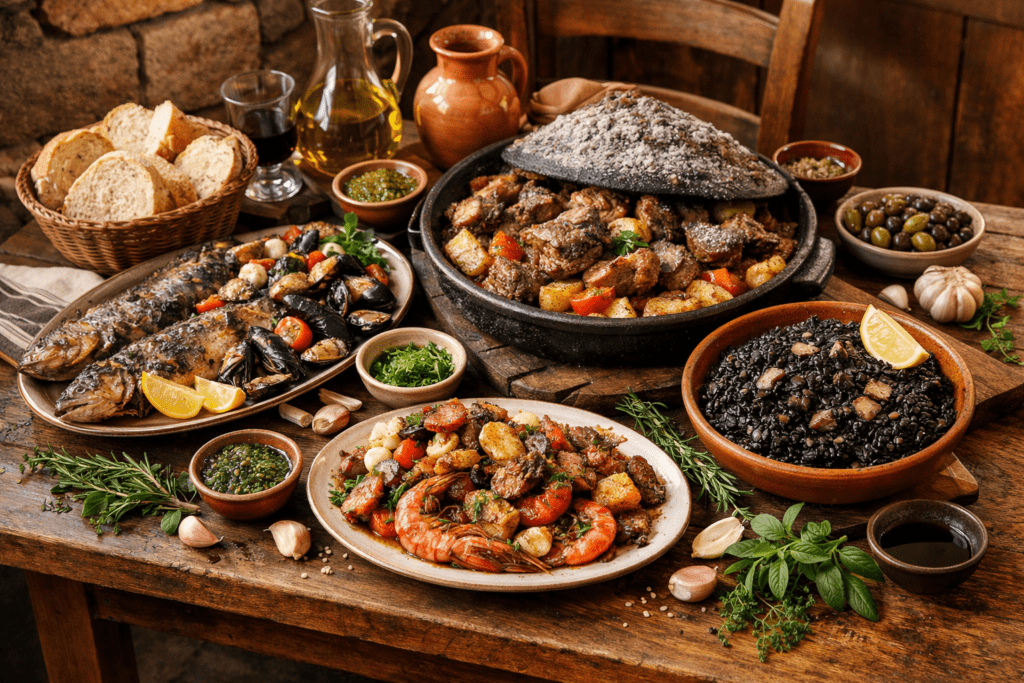
Some of the most famous dishes in Croatia include:
Peka
A slow-cooked dish prepared with meat or seafood, vegetables, and herbs, traditionally cooked under a bell-shaped lid.
Ćevapi
Grilled minced meat sausages commonly served with bread and onions.
Black Risotto
A seafood dish made with squid ink, rice, and spices.
Pašticada
A traditional Dalmatian beef stew served with handmade gnocchi.
Fresh olive oil, herbs, and locally grown vegetables are commonly used in Croatian cooking.
Croatian Desserts
Desserts also play a major role in culinary traditions across Croatia.
Popular sweets include:
- Kremšnita (custard cream cake)
- Fritule (small fried dough pastries)
- Palačinke (thin pancakes similar to crepes)
These desserts are often served during celebrations and family gatherings.
Economy of Croatia
The economy of Croatia has grown significantly since independence in the 1990s. Today, the country has a mixed economy supported by tourism, manufacturing, agriculture, and services.
Economic development has accelerated since joining the European Union in 2013, which opened new trade opportunities and investment channels.
Tourism is one of the most important industries in Croatia, contributing a large portion of the national GDP. Millions of visitors arrive each year to explore coastal destinations, historic cities, and national parks.
Currency
The official currency of Croatia is the Euro (EUR), which replaced the Croatian Kuna in 2023.
Adopting the euro strengthened economic integration with the European Union and simplified travel and trade for international visitors.
Major Industries
Several industries play a key role in the national economy.
Tourism
Tourism remains the largest economic sector in Croatia. The country’s coastline, historic towns, and islands attract visitors from Europe, North America, and Asia.
Shipbuilding
Historically, shipbuilding has been an important industry, particularly in coastal cities such as Rijeka and Split.
Agriculture
Agriculture also contributes to the economy, especially in inland regions where farmers produce grains, fruits, olives, and wine.
Energy and Technology
Renewable energy, information technology, and digital services are growing sectors within the modern Croatian economy.
Trade Partners
The main international trade partners of Croatia include several European countries and global markets.
Major export partners include:
- Germany
- Italy
- Slovenia
- Austria
Imports mainly consist of machinery, fuel, and consumer goods.
Membership in the European Union has made trade within the region more efficient and economically beneficial.
UNESCO Heritage in Croatia
Cultural heritage is strongly protected in Croatia, and the country is home to several UNESCO World Heritage Sites.
Some of the most famous sites include:
- Old City of Dubrovnik
- Plitvice Lakes National Park
- Historic Complex of Split with the Palace of Diocletian
- St. James Cathedral in Šibenik
These sites highlight the remarkable historical and natural beauty found across the country.
References (DoFollow)
United Nations
https://www.un.org/en/member-states/croatia
UNESCO Heritage Sites
https://whc.unesco.org/en/statesparties/hr
World Bank Economic Data
https://www.worldbank.org/en/country/croatia
Major Cities in Croatia
Several cities across Croatia represent the country’s economic, cultural, and historical identity. Each city has its own unique atmosphere, architecture, and attractions.
Zagreb – The Capital City
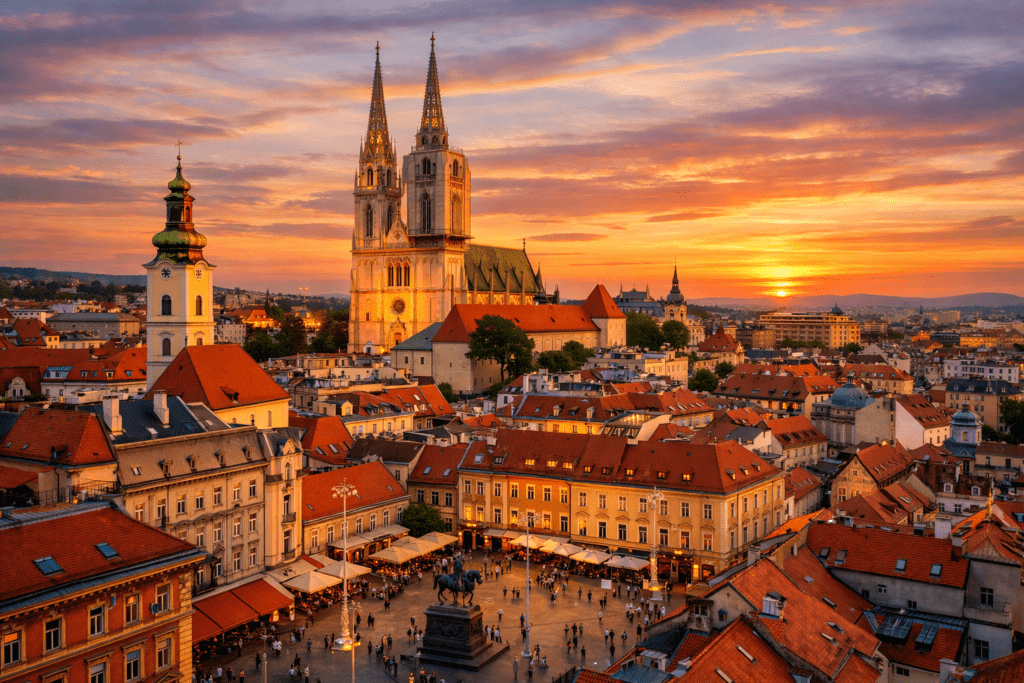
Zagreb, the capital and largest city of Croatia, is located in the northwestern part of the country along the Sava River. The city serves as the political, economic, and cultural center.
Zagreb combines historic charm with modern urban life. Visitors can explore medieval streets, museums, art galleries, and lively cafés.
Popular attractions in Zagreb include:
- Zagreb Cathedral – the tallest building in the country
- Ban Jelačić Square – the central gathering place
- Museum of Broken Relationships – one of the most unique museums in Europe
- Upper Town (Gornji Grad) – historic district with cobblestone streets
The city also hosts the famous Advent Zagreb Christmas Market, which has been ranked among the best Christmas markets in Europe.
Dubrovnik – The Pearl of the Adriatic
Dubrovnik is one of the most famous tourist destinations in Croatia. Known as the “Pearl of the Adriatic,” the city is surrounded by massive stone walls built during the medieval period.
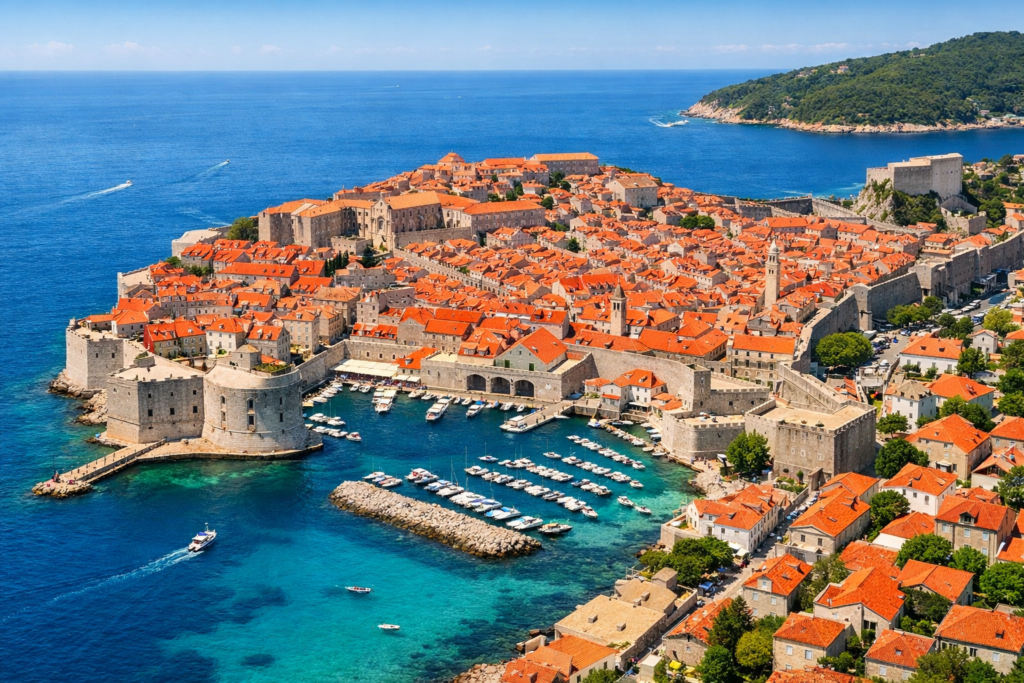
The old town of Dubrovnik is a UNESCO World Heritage Site, famous for its historic architecture and stunning sea views.
Key attractions include:
- Dubrovnik City Walls
- Stradun (main street)
- Rector’s Palace
- Lovrijenac Fortress
Dubrovnik gained worldwide popularity after appearing in the television series Game of Thrones, which brought additional international tourism.
Split – Ancient Roman Heritage
Split is the second-largest city in Croatia and one of the most historically significant destinations in the country.
The heart of the city is Diocletian’s Palace, a massive Roman palace built in the 4th century. Today, the palace complex forms the center of the old town and includes shops, cafés, homes, and museums.
Visitors exploring Split can enjoy:
- Historic Roman architecture
- Beautiful Adriatic beaches
- Coastal promenades
- Ferry connections to nearby islands
Split also serves as an important transportation hub for travelers visiting the Dalmatian islands.
Rijeka – Major Port City
Rijeka is the largest port city in Croatia and a key center for maritime trade. Located on the northern Adriatic coast, the city has historically been influenced by Italian, Austrian, and Hungarian cultures.
Rijeka is known for its lively atmosphere, industrial heritage, and vibrant cultural events.
The city hosts the Rijeka Carnival, one of the largest carnival celebrations in Europe.
Zadar – Historic Coastal Town
Zadar is another remarkable coastal city known for its mix of ancient and modern attractions.
Two famous landmarks in Zadar include:
- Sea Organ – an architectural sound art installation that creates music using sea waves
- Sun Salutation – a solar-powered light installation on the waterfront
The old town also contains Roman ruins, medieval churches, and Venetian architecture.
Tourism in Croatia
Tourism is one of the most important industries in Croatia, attracting millions of international visitors each year. The country’s scenic coastline, historic cities, and national parks make it a top travel destination in Europe.
Travelers visiting Croatia can enjoy a wide variety of experiences, including beach holidays, cultural tours, outdoor adventures, and island exploration.
National Parks
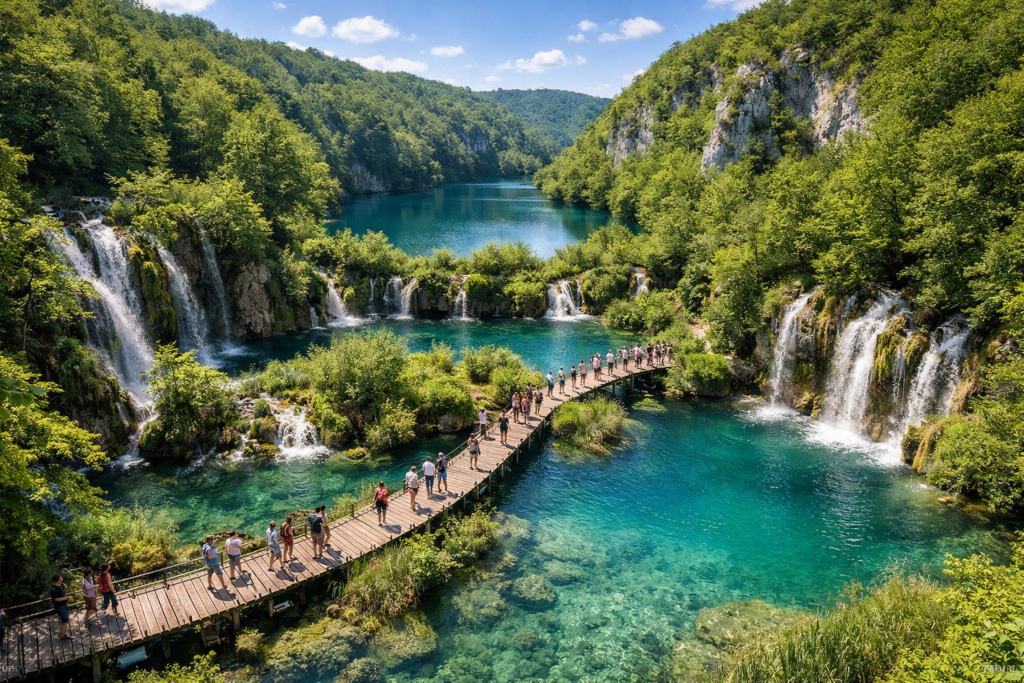
The natural beauty of Croatia is protected through several national parks.
Plitvice Lakes National Park
This UNESCO-listed park is one of the most famous natural attractions in Croatia. It features a series of turquoise lakes connected by waterfalls and surrounded by forest.
Wooden walkways allow visitors to explore the park while protecting the environment.
Krka National Park
Krka National Park is famous for its waterfalls and scenic landscapes. Visitors can walk along nature trails, explore historic monasteries, and enjoy panoramic views.
Paklenica National Park
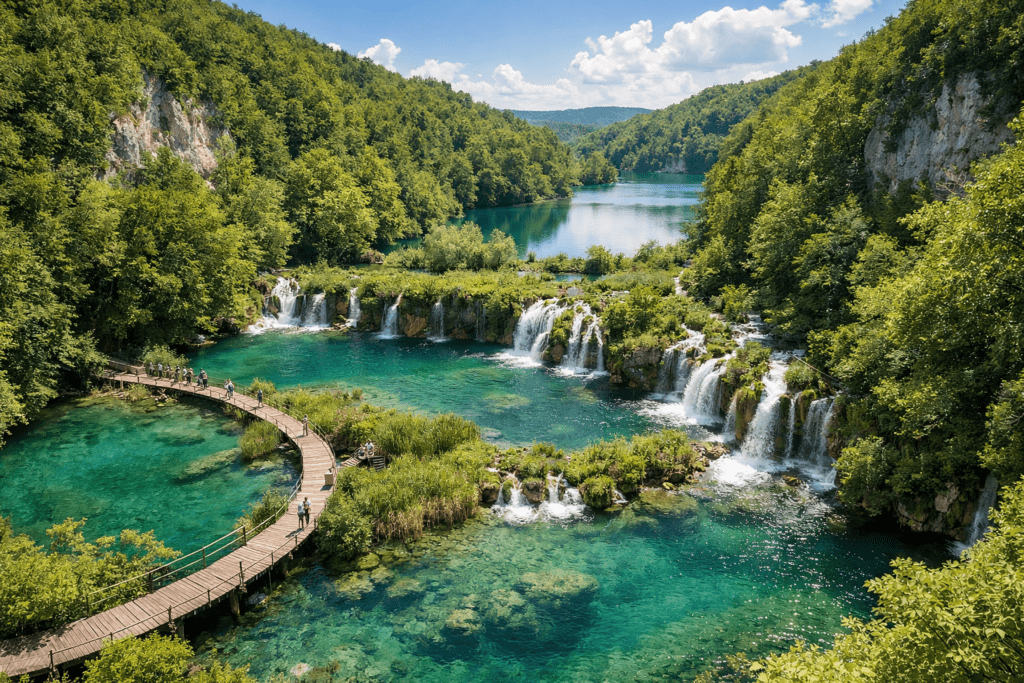
Located in the Velebit mountain range, Paklenica is a paradise for hikers and rock climbers.
Islands Tourism
The islands of Croatia are among the most beautiful destinations in the Mediterranean.
Popular islands include:
Hvar – known for nightlife and lavender fields
Brač – famous for Zlatni Rat beach
Korčula – medieval architecture and vineyards
Vis – peaceful island with crystal-clear waters
Island hopping is a popular activity for travelers exploring the Adriatic Sea.
Best Time to Visit Croatia
The best time to visit Croatia depends on travel preferences.
Summer (June – August)
This is the peak tourist season. Beaches, islands, and coastal towns are lively and full of events.
Spring (April – May)
Spring offers mild weather, fewer crowds, and beautiful landscapes. It is a great time for sightseeing and outdoor activities.
Autumn (September – October)
Autumn provides pleasant temperatures and excellent opportunities to explore cities and vineyards.
Winter (November – March)
Winter is quieter, especially along the coast, but cities like Zagreb host festive holiday markets.
Transportation in Croatia
Traveling around Croatia is relatively easy thanks to a well-developed transportation network.
Airports
Major international airports include:
- Zagreb Airport
- Split Airport
- Dubrovnik Airport
- Zadar Airport
Trains
Railways connect major cities such as Zagreb, Split, and Rijeka.
Buses
Bus networks provide extensive coverage across the country and are often the most convenient way to travel between cities.
Ferries
Ferry services connect the mainland with many islands in the Adriatic Sea.
Interesting Facts About Croatia
Here are some unique facts about Croatia:
- The necktie, or cravat, originated in Croatia during the 17th century.
- The Dalmatian dog breed comes from the Dalmatia region.
- The country has more than 1,200 islands.
- Dubrovnik was one of the first cities in Europe to establish a pharmacy in 1317.
- Nikola Tesla, the famous inventor and electrical engineer, was born in the region that is now part of Croatia.
These fascinating details highlight the cultural and historical contributions of the country to global heritage.
Croatia and the United Nations
Croatia became a member of the United Nations in 1992, shortly after gaining independence.
As a UN member state, the country participates in international cooperation, peacekeeping missions, and global development initiatives.
Croatia is also a member of several major international organizations, including:
- European Union (EU)
- NATO
- World Trade Organization (WTO)
- Council of Europe
These memberships strengthen diplomatic relations and economic partnerships worldwide.
External DoFollow References
United Nations
https://www.un.org/en/member-states/croatia
UNESCO World Heritage
https://whc.unesco.org/en/statesparties/hr
World Bank Country Data
https://www.worldbank.org/en/country/croatia
Final Summary
Croatia is a remarkable European destination that combines natural beauty, historical heritage, and vibrant culture. From medieval cities and Roman ruins to breathtaking islands and national parks, the country offers countless opportunities for exploration.
Tourism continues to play a vital role in the national economy, attracting visitors who want to experience Adriatic beaches, historic architecture, and authentic Mediterranean cuisine.
Major cities like Zagreb, Dubrovnik, and Split showcase the country’s cultural richness, while national parks and coastal islands reveal its extraordinary landscapes.
With its welcoming atmosphere, fascinating history, and growing global presence, Croatia remains one of the most attractive destinations for travelers and cultural explorers.
Key Facts About Croatia
| Category | Information |
|---|---|
| Official Name | Republic of Croatia |
| Capital City | Zagreb |
| Location | Southeast Europe |
| Population | ~4 million |
| Official Language | Croatian |
| Currency | Euro (EUR) |
| Major Religion | Roman Catholic |
| Coastline | Adriatic Sea |
| EU Membership | Since 2013 |
| UN Membership | Since 1992 |
List of All 195 Countries
A
- Afghanistan
- Albania
- Algeria
- Andorra
- Angola
- Antigua and Barbuda
- Argentina
- Armenia
- Australia
- Austria
- Azerbaijan
- Bahamas
- Bahrain
- Bangladesh
- Barbados
- Belarus
- Belgium
- Belize
- Benin
- Bhutan
- Bolivia
- Bosnia and Herzegovina
- Botswana
- Brazil
- Brunei
- Bulgaria
- Burkina Faso
- Burundi
- Cabo Verde
- Cambodia
- Cameroon
- Canada
- Central African Republic
- Chad
- Chile
- China
- Colombia
- Comoros
- Congo (Congo-Brazzaville)
- Costa Rica

