



Introduction
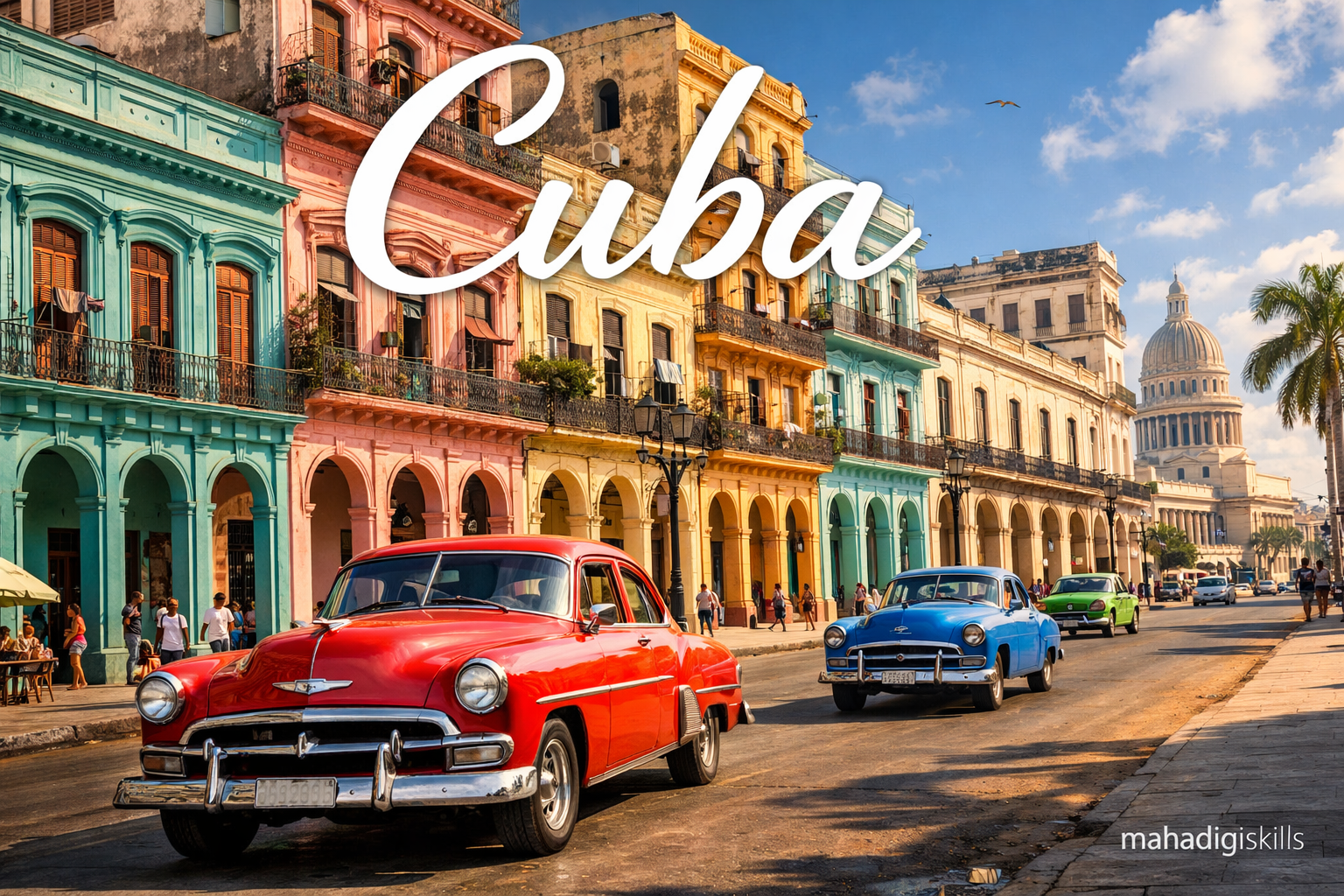
Cuba is one of the most fascinating destinations in the Caribbean, famous for its vibrant culture, historic cities, classic American cars, and tropical beaches. Located at the crossroads of the Caribbean Sea and the Gulf of Mexico, this island nation offers a unique mix of Spanish colonial heritage, revolutionary history, and rich cultural traditions.
Travelers visiting Cuba often experience colorful streets, lively music, and friendly communities that preserve traditions dating back centuries. From the colonial architecture of Havana to the natural beauty of Viñales Valley and the pristine beaches of Varadero, the country presents a wide variety of landscapes and experiences.
Beyond tourism, Cuba has played a significant role in global history and politics. The island has been influenced by Spanish colonization, African heritage, revolutionary movements, and Cold War geopolitics. These historical influences have shaped the nation’s culture, music, food, and identity.
Today, Cuba remains one of the most culturally rich countries in Latin America. Its music, dance, art, and cuisine continue to attract visitors who want to experience authentic Caribbean culture.
History of Cuba
Early Indigenous Civilizations
Before European arrival, the island that is now Cuba was inhabited by indigenous groups such as the Taíno, Guanahatabey, and Ciboney peoples. These communities lived primarily through fishing, farming, and trade.
The Taíno culture developed small villages, practiced agriculture, and created pottery and crafts. Their lifestyle was closely connected to the island’s natural environment.
However, indigenous populations declined significantly after European colonization due to disease, forced labor, and conflict.
Spanish Colonization
In 1492, Christopher Columbus arrived on the island during his first voyage to the Americas and claimed the territory for Spain. Soon after, Spanish settlers began establishing colonies across the island.
By the early 16th century, Cuba had become an important Spanish colonial center in the Caribbean. Havana developed into a strategic port for Spanish ships traveling between Europe and the Americas.
Spanish colonial rule introduced new agricultural systems, including sugar plantations, which became the backbone of the island’s economy.
African Influence and the Sugar Economy
During the colonial period, enslaved Africans were brought to Cuba to work on sugar plantations. This tragic chapter in history also contributed to the rich cultural diversity of the island.
African traditions strongly influenced Cuban music, religion, language, and cuisine. Today, Afro-Cuban heritage remains an essential part of national culture.
The sugar industry grew rapidly during the 18th and 19th centuries, making Cuba one of the world’s largest sugar producers.
Wars of Independence
During the late 19th century, movements for independence from Spain began to grow across the island. Several revolutionary leaders organized uprisings to gain freedom from colonial rule.
The Cuban War of Independence (1895–1898) eventually led to Spain losing control of the island. After the Spanish-American War in 1898, Spain relinquished authority over Cuba.
Although independence was achieved in 1902, the United States maintained significant influence in Cuban politics and economics during the early 20th century.
The Cuban Revolution
One of the most significant events in modern history occurred in 1959 when the Cuban Revolution brought Fidel Castro to power.
The revolution overthrew the government of Fulgencio Batista and established a socialist state. Following the revolution, Cuba aligned politically with the Soviet Union during the Cold War.
This political shift led to major international events such as the Cuban Missile Crisis in 1962, which brought the world close to nuclear conflict.
Despite political challenges and economic sanctions, the country continued developing its education and healthcare systems.
Geography and Location
Where is Cuba Located?
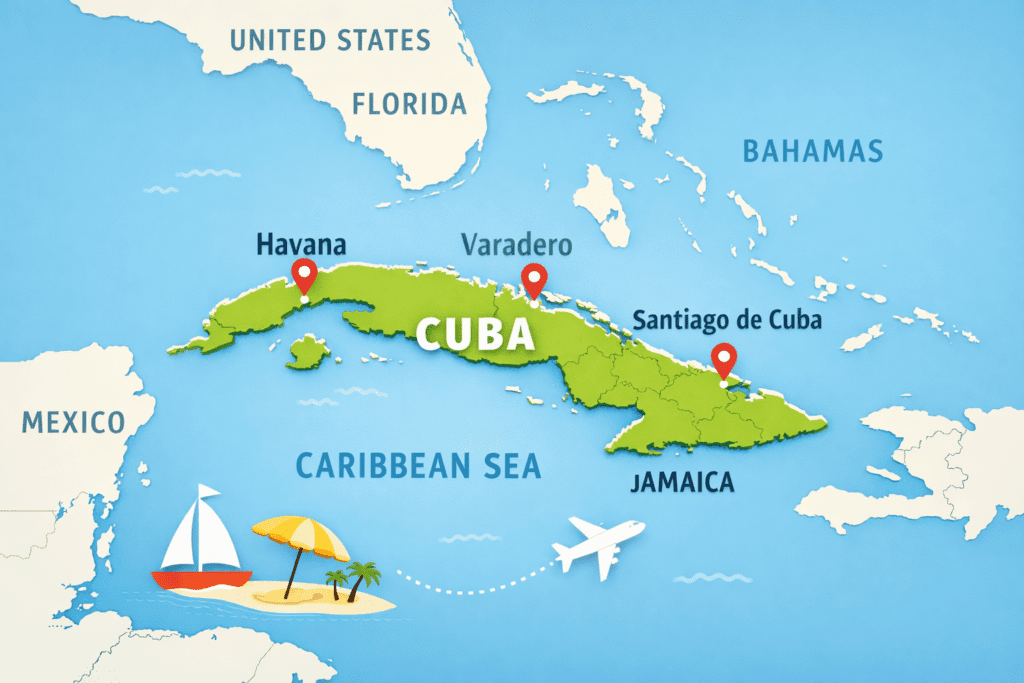
Cuba is located in the Caribbean region of North America, surrounded by several important bodies of water.
Geographical coordinates:
21.5° N latitude
80.0° W longitude
The island sits at a strategic location between the Caribbean Sea, Gulf of Mexico, and Atlantic Ocean, making it historically important for trade and maritime travel.
Neighboring Countries
Although it is an island nation, Cuba lies close to several countries and territories:
- United States (Florida) – north
- Mexico – west across the Yucatán Channel
- Bahamas – northeast
- Jamaica – south
- Haiti and the Dominican Republic – southeast
This location has historically made the island an important link between North America, Central America, and the Caribbean.
Landscape and Natural Regions
The landscape of Cuba includes mountains, fertile plains, forests, and tropical beaches.
Major geographic regions include:
Western Region
The western part of the island is known for the Viñales Valley, a UNESCO World Heritage Site famous for limestone hills and tobacco farms.
Central Region
Central areas contain rolling hills, agricultural land, and historic towns.
Eastern Mountains
The Sierra Maestra mountain range in eastern Cuba is the highest region and played an important role during the Cuban Revolution.
Climate
The island has a tropical climate, characterized by warm temperatures throughout the year.
Two main seasons occur:
Dry season: November to April
Rainy season: May to October
Average temperatures typically range from 24°C to 30°C, making the country a popular beach destination.
Languages Spoken in Cuba
The official language of Cuba is Spanish, which reflects the country’s colonial heritage.
Cuban Spanish has its own pronunciation, vocabulary, and rhythm influenced by African and Caribbean cultures.
Regional Dialects
Different accents and speech patterns exist across the island. Coastal areas often have faster speech rhythms, while rural regions maintain traditional expressions.
Foreign Languages
Due to tourism and international exchange, many people in Cuba also speak:
- English
- French
- Italian
Tourist destinations such as Havana, Varadero, and Trinidad often have multilingual guides and hospitality staff.
DoFollow References
United Nations
https://www.un.org/en/member-states/cuba
UNESCO Heritage Sites
https://whc.unesco.org/en/statesparties/cu
World Bank Country Data
https://www.worldbank.org/en/country/cuba
Culture of Cuba
The culture of Cuba is one of the richest and most vibrant in the Caribbean, shaped by a unique blend of Spanish, African, and indigenous influences. This cultural fusion is visible in everyday life, from music and dance to food, religion, and artistic expression.
Because of its historical background, Cuba developed a strong national identity that reflects both European traditions and Afro-Caribbean heritage. This diversity has made the island a global symbol of rhythm, creativity, and resilience.
Communities across the country take pride in preserving traditional customs while also embracing modern artistic trends. Cultural life is deeply connected to family, social gatherings, and public celebrations.
Art, literature, and theater are also important parts of society in Cuba, with many institutions dedicated to promoting creative expression. The country has produced internationally recognized artists, writers, and filmmakers.
Religion and Traditions
Religion plays a meaningful role in shaping traditions across Cuba. While the country is officially secular, religious beliefs are widely practiced and respected.
The majority of the population identifies as Roman Catholic, a legacy of Spanish colonization. Churches and religious celebrations are common throughout cities and towns.
However, one of the most distinctive aspects of religion in Cuba is Santería, an Afro-Cuban spiritual tradition that blends African Yoruba beliefs with Catholic elements.
Santería includes rituals, music, dance, and symbolic offerings. It remains an important part of cultural identity and is practiced alongside Christianity.
Other religious communities present in Cuba include:
- Protestant Christians
- Jewish communities
- Afro-Caribbean spiritual groups
Religious festivals often combine music, dance, and traditional ceremonies, reflecting the island’s multicultural heritage.
Music and Dance in Cuba
Music is at the heart of life in Cuba. The country is internationally famous for its rhythmic styles, energetic performances, and global influence on music genres.
Cuban music combines African rhythms with Spanish melodies, creating a distinct sound that has influenced music worldwide.
Popular Music Styles
Salsa
Salsa is one of the most popular dance styles associated with Cuba. It features fast-paced rhythms, energetic movements, and strong partner interaction.
Son Cubano
This traditional genre is considered the foundation of many modern Latin music styles. It blends Spanish guitar with African percussion.
Rumba
Rumba is deeply rooted in Afro-Cuban culture and is known for its expressive dance and drum-based rhythms.
Jazz and Contemporary Music
Cuban jazz has gained international recognition, blending traditional rhythms with modern improvisation. Today, artists continue to innovate while preserving musical heritage.
Dance Culture
Dance is an essential part of social life in Cuba. People often gather in public squares, clubs, and homes to enjoy music and dance together.
Popular dance styles include:
- Salsa
- Rumba
- Mambo
- Cha-cha-cha
These dances are not only forms of entertainment but also expressions of cultural identity.
Cuban Cuisine
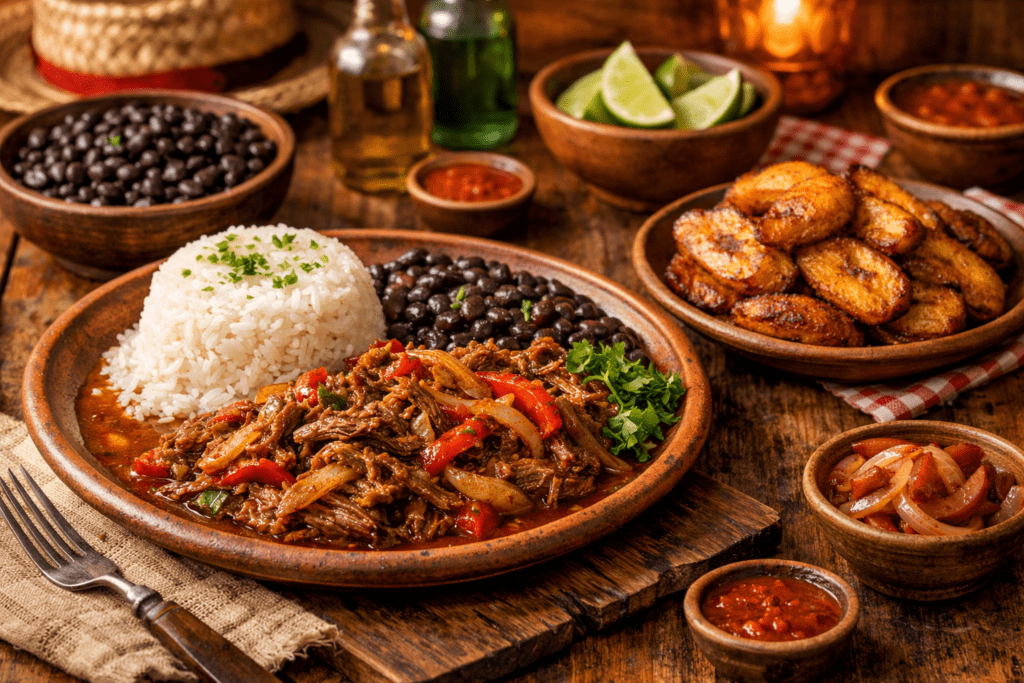
Food in Cuba reflects a combination of Spanish, African, and Caribbean influences. The cuisine is known for its bold flavors, simple ingredients, and traditional cooking methods.
Meals often include rice, beans, meat, vegetables, and tropical fruits.
Popular Dishes
Ropa Vieja
One of the most famous dishes in Cuba, ropa vieja consists of shredded beef cooked with tomatoes, onions, and spices. It is typically served with rice and beans.
Moros y Cristianos
This traditional dish combines black beans and rice, symbolizing cultural unity.
Lechón Asado
Roast pork is a popular dish served during celebrations and special occasions.
Yuca con Mojo
Cassava root served with garlic and citrus sauce is a common side dish.
Street Food and Snacks
Street food is widely available across cities and towns. Popular snacks include:
- Cuban sandwiches
- Fried plantains (tostones)
- Empanadas
These foods are affordable and reflect everyday culinary traditions.
Desserts
Desserts in Cuba are often sweet and made with simple ingredients.
Popular options include:
- Flan (caramel custard)
- Arroz con leche (rice pudding)
- Dulce de leche
Economy of Cuba
The economy of Cuba is unique compared to many other countries. It operates under a socialist system, where the government plays a central role in economic planning and resource management.
Over the years, the country has faced economic challenges due to trade restrictions and global political factors. However, it has also developed strengths in key sectors.
Major Industries
Tourism
Tourism is one of the most important industries in Cuba, attracting visitors from around the world. Travelers come to experience beaches, historic cities, music, and culture.
Popular destinations include:
- Havana
- Varadero
- Trinidad
- Viñales Valley
Tourism generates significant revenue and supports many local businesses.
Agriculture
Agriculture remains a key part of the economy. The country is known for producing:
- Sugar
- Tobacco
- Coffee
Cuban cigars, made from high-quality tobacco, are internationally recognized.
Healthcare and Biotechnology
One of the most notable achievements of Cuba is its healthcare system. The country has developed a strong medical sector and is known for medical research and biotechnology.
Cuba also exports medical services and expertise to other countries.
Currency
The official currency used in Cuba is the Cuban Peso (CUP).
In recent years, economic reforms have simplified the currency system to improve financial stability and transparency.
Trade Partners
Despite economic challenges, Cuba maintains trade relationships with several countries.
Major trade partners include:
- China
- Venezuela
- Spain
- Canada
- Mexico
Exports mainly include:
- Tobacco products
- Pharmaceuticals
- Agricultural goods
Imports include fuel, machinery, and food products.
UNESCO Heritage in Cuba
The country is home to several UNESCO World Heritage Sites, highlighting its cultural and natural importance.
Some notable sites include:
- Old Havana and its fortifications
- Trinidad and the Valley de los Ingenios
- Viñales Valley
- Alejandro de Humboldt National Park
These sites attract tourists and preserve the nation’s heritage.
External DoFollow References
United Nations
https://www.un.org/en/member-states/cuba
UNESCO World Heritage
https://whc.unesco.org/en/statesparties/cu
World Bank Country Data
https://www.worldbank.org/en/country/cuba
Major Cities in Cuba
Several cities across Cuba reflect the island’s cultural heritage, colonial architecture, and vibrant lifestyle. Each city offers unique historical sites, local traditions, and memorable travel experiences.
Havana – The Capital City
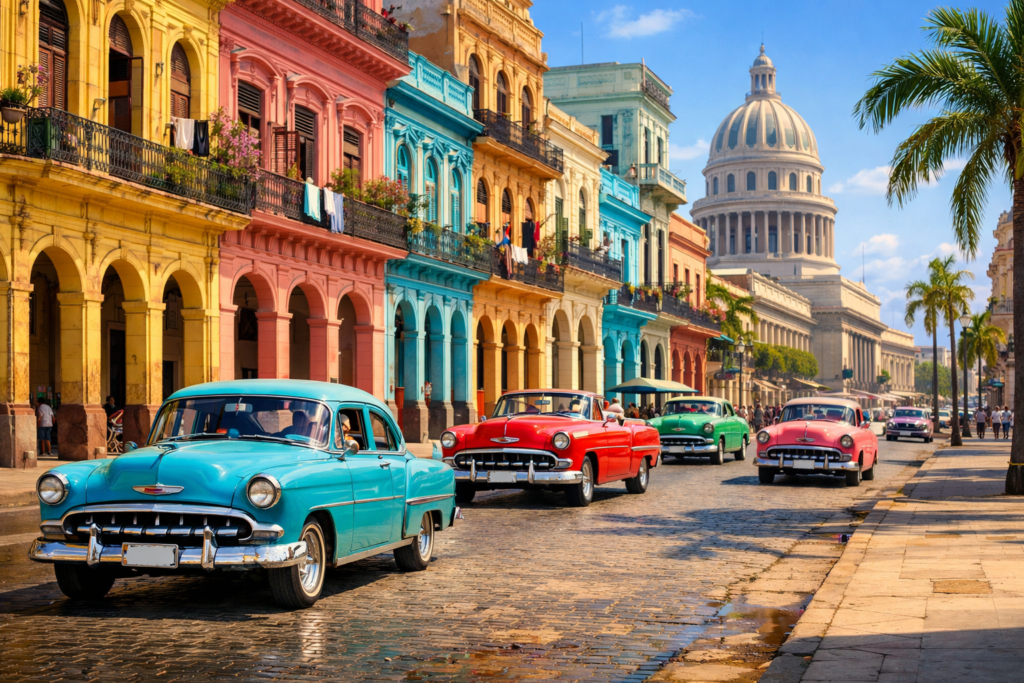
Havana is the capital and largest city of Cuba, serving as the country’s political, economic, and cultural center. Located along the northern coast, Havana is famous for its colorful colonial buildings, lively streets, and historic landmarks.
Visitors walking through Havana often notice classic American cars from the 1950s driving through the streets. These vintage vehicles have become one of the most recognizable symbols of Cuba.
Important attractions in Havana include:
- Old Havana (Habana Vieja) – a UNESCO World Heritage Site
- El Malecón – a famous seaside promenade
- Capitolio Nacional – an iconic historic building
- Plaza de la Revolución – an important political landmark
Havana is also known for its music scene, art galleries, and traditional Cuban restaurants.
Santiago de Cuba – Cultural Heart of the Island
Located in the southeastern region, Santiago de Cuba is considered one of the most culturally rich cities in the country. The city played a major role in the revolutionary movement and continues to be a center of Afro-Cuban traditions.
Santiago is famous for its lively festivals, music, and historical landmarks.
Top attractions include:
- Castillo del Morro, a historic fortress overlooking the sea
- Santiago Cathedral
- Céspedes Park, the historic city square
The annual Santiago Carnival is one of the most vibrant festivals in Cuba, featuring music, dance, and colorful parades.
Trinidad – Colonial Charm
Trinidad is one of the best-preserved colonial towns in the Caribbean. Founded in the 16th century, the city features cobblestone streets, pastel-colored buildings, and historic plazas.
Because of its well-preserved architecture, Trinidad has been recognized as a UNESCO World Heritage Site.
Popular places to explore include:
- Plaza Mayor
- Museo Romántico
- Valle de los Ingenios (Valley of the Sugar Mills)
Travelers often visit Trinidad to experience traditional Cuban culture, art markets, and local music performances.
Varadero – Beach Paradise
Varadero is the most famous beach destination in Cuba. Located on the Hicacos Peninsula, the area is known for its long stretches of white sand and clear turquoise water.
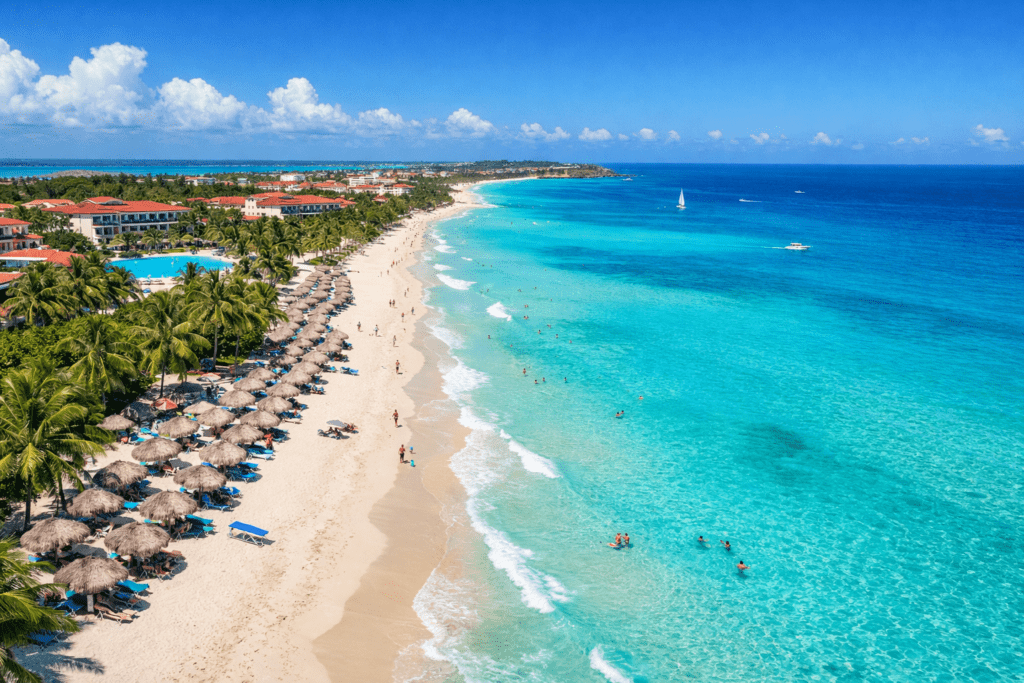
Varadero offers numerous resorts, water sports, and outdoor activities. It is especially popular with international tourists seeking a relaxing Caribbean vacation.
Activities in Varadero include:
- Snorkeling and scuba diving
- Sailing and boat tours
- Beach resorts and spa experiences
Tourism in Cuba
Tourism plays an increasingly important role in the economy of Cuba. Visitors from around the world travel to the island to experience its culture, beaches, and historic cities.
Unlike many other Caribbean destinations, Cuba offers a unique atmosphere where traditional lifestyles and historic architecture remain largely preserved.
Natural Attractions
Viñales Valley
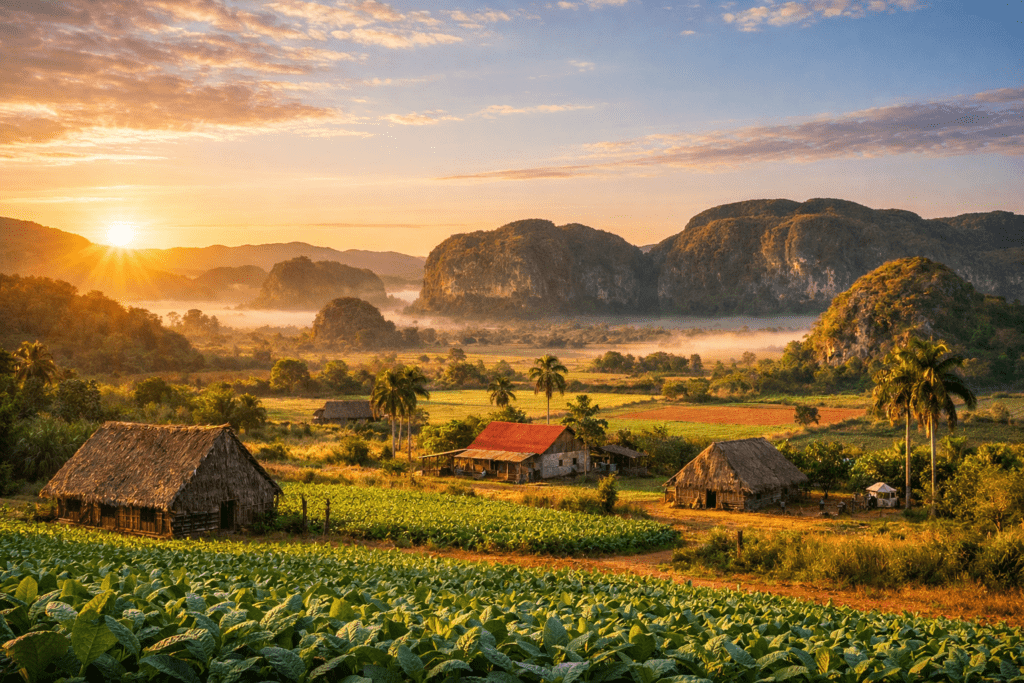
The Viñales Valley is one of the most beautiful landscapes in Cuba. The area is known for its limestone hills called mogotes and traditional tobacco farms.
Visitors can explore the valley through hiking, horseback riding, or guided tours of tobacco plantations.
Alejandro de Humboldt National Park
This protected natural area is one of the most biologically diverse regions in the Caribbean. The park contains rare plant and animal species and dense tropical forests.
Zapata Swamp
The Zapata Swamp is the largest wetland ecosystem in the Caribbean. It is home to crocodiles, birds, and unique wildlife.
Nature lovers often visit this region for birdwatching and ecological tours.
Best Time to Visit Cuba
The best time to visit Cuba depends on weather preferences and travel plans.
Dry Season (November – April)
This period is considered the best time for travel. The weather is warm, sunny, and comfortable for exploring cities and beaches.
Rainy Season (May – October)
The rainy season includes higher humidity and occasional tropical storms. However, the island remains warm and green during this period.
Average temperatures typically range between 24°C and 30°C, making the destination attractive year-round.
Transportation in Cuba
Traveling around Cuba can be an adventure due to the country’s unique transportation system.
Airports
Major international airports include:
- José Martí International Airport (Havana)
- Varadero Airport
- Santiago de Cuba Airport
These airports connect the island with destinations in Europe, Canada, and Latin America.
Classic Cars and Taxis
Vintage American cars are widely used as taxis, particularly in Havana. Riding in one of these cars has become a popular tourist experience.
Buses
Long-distance buses connect major cities and tourist destinations. The Viazul bus service is commonly used by travelers.
Domestic Flights
Flights between major cities allow visitors to travel quickly across the island.
Interesting Facts About Cuba
Here are some fascinating facts about Cuba:
- The island is the largest country in the Caribbean.
- Havana is one of the oldest cities in the Americas.
- Cuban cigars are considered among the best in the world.
- Baseball is the most popular sport in the country.
- The island has nine UNESCO World Heritage Sites.
- Many vintage American cars from the 1950s are still in use.
These unique characteristics contribute to the island’s distinctive identity.
Cuba and the United Nations
Cuba became a member of the United Nations in 1945, shortly after the organization was founded.
As a UN member state, the country participates in international discussions on development, healthcare, education, and environmental protection.
Cuba is also involved in several international organizations, including:
- World Health Organization (WHO)
- UNESCO
- World Trade Organization observer programs
- Non-Aligned Movement
These international partnerships allow the country to engage in global cooperation and diplomacy.
External DoFollow References
United Nations
https://www.un.org/en/member-states/cuba
UNESCO World Heritage
https://whc.unesco.org/en/statesparties/cu
World Bank Country Profile
https://www.worldbank.org/en/country/cuba
Final Summary
Cuba is a remarkable Caribbean nation known for its vibrant culture, historic cities, and tropical landscapes. The island’s history, shaped by indigenous heritage, Spanish colonization, and revolutionary movements, has created a unique national identity.
Travelers exploring the country can enjoy colonial architecture, lively music, scenic valleys, and world-class beaches. Cities such as Havana, Santiago de Cuba, and Trinidad showcase the rich cultural traditions that make the island so distinctive.
Tourism continues to grow as visitors seek authentic experiences, warm hospitality, and beautiful Caribbean scenery. With its colorful streets, rhythmic music, and fascinating history, Cuba remains one of the most memorable destinations in the world.
Key Facts About Cuba
| Category | Information |
|---|---|
| Official Name | Republic of Cuba |
| Capital City | Havana |
| Region | Caribbean, North America |
| Population | ~11 million |
| Official Language | Spanish |
| Currency | Cuban Peso (CUP) |
| Largest Island | Cuba |
| Major Religion | Christianity (mainly Catholic) |
| UN Membership | Since 1945 |
| Famous For | Music, cigars, classic cars, beaches |
List of All 195 Countries
A
- Afghanistan
- Albania
- Algeria
- Andorra
- Angola
- Antigua and Barbuda
- Argentina
- Armenia
- Australia
- Austria
- Azerbaijan
- Bahamas
- Bahrain
- Bangladesh
- Barbados
- Belarus
- Belgium
- Belize
- Benin
- Bhutan
- Bolivia
- Bosnia and Herzegovina
- Botswana
- Brazil
- Brunei
- Bulgaria
- Burkina Faso
- Burundi
- Cabo Verde
- Cambodia
- Cameroon
- Canada
- Central African Republic
- Chad
- Chile
- China
- Colombia
- Comoros
- Congo (Congo-Brazzaville)
- Costa Rica

