



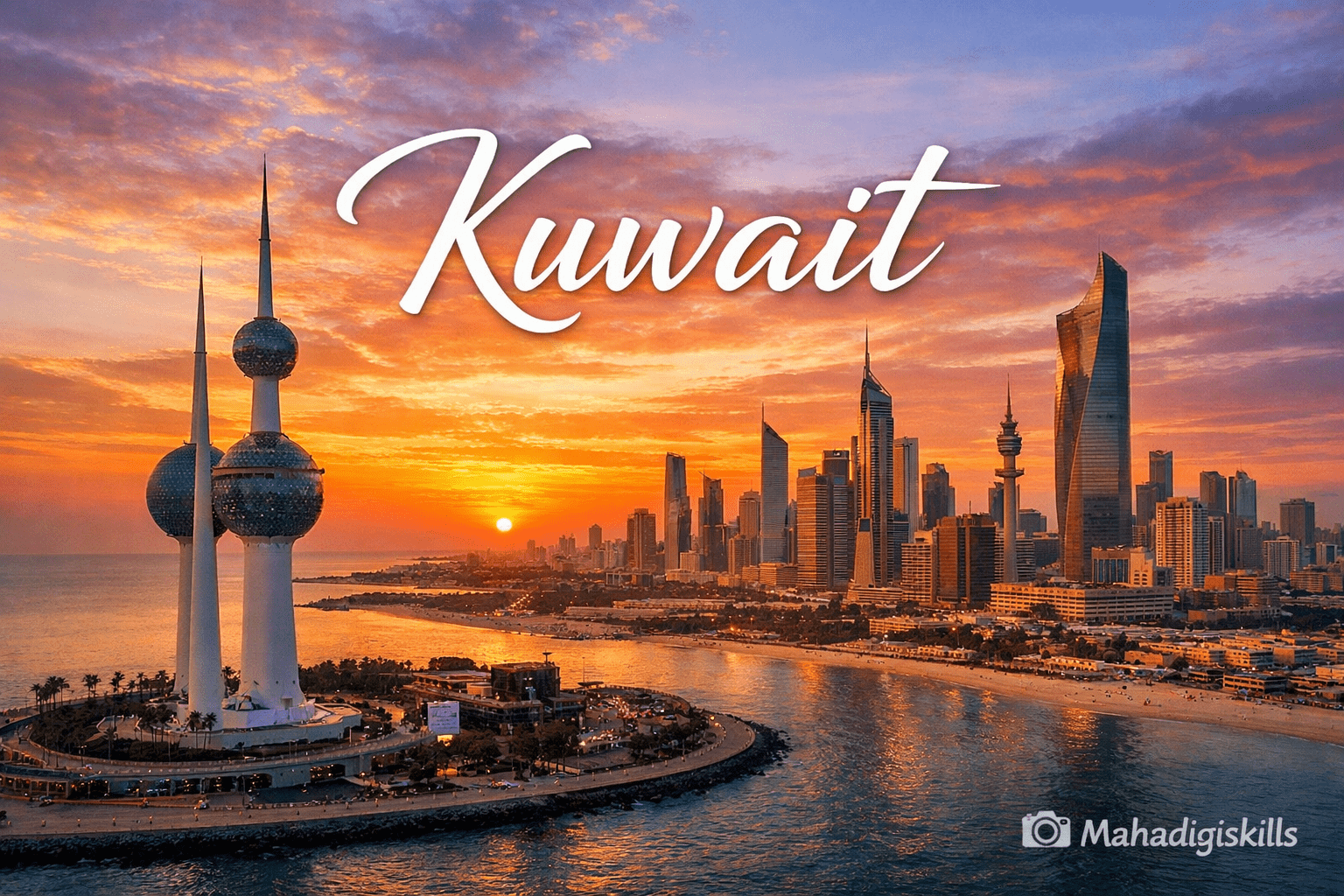
Introduction
Located at the northern edge of the Arabian Gulf, this nation blends a rich historical heritage with modern urban development. Known for its oil wealth and strategic location, it has transformed rapidly over the past century, becoming a hub for commerce, culture, and tourism in the region.
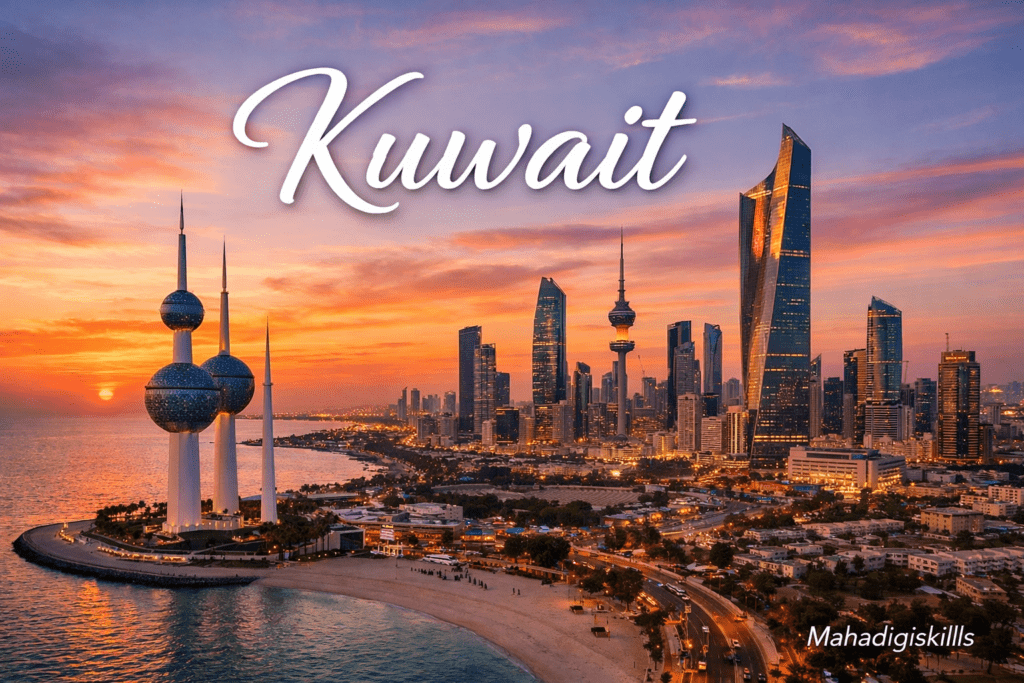
Visitors can experience vibrant city life, traditional markets, and stunning desert landscapes while learning about the legacy of the Gulf’s tribes and maritime trade. This guide explores everything you need to know, including history, geography, culture, economy, cities, and travel tips.
History
Early Settlement and Maritime Heritage
The region has been inhabited for thousands of years, with evidence of Bronze Age settlements and ancient trade routes linking the Arabian Gulf to Mesopotamia and India. Fishing, pearl diving, and maritime commerce were central to the early economy.
Formation of the Modern State
The modern state emerged in the 18th century, evolving from tribal confederations into a recognized sheikhdom. British protection agreements in the 19th and early 20th centuries helped stabilize borders and foster development.
Oil Discovery and Transformation
The discovery of oil in the 1930s revolutionized the economy, enabling infrastructure projects, education, and healthcare. Today, petroleum exports remain a cornerstone of national wealth, but diversification efforts are underway to expand sectors such as finance, tourism, and renewable energy.
Geography
Location and Borders
Situated on the Arabian Peninsula, it shares borders with:
- North and West: Iraq
- South: Saudi Arabia
- East: Arabian Gulf
Its compact area is just under 18,000 sq km, making it one of the smaller Gulf countries but densely populated along the coast.
Topography and Climate
The landscape features:
- Coastal plains along the Arabian Gulf
- Desert interior with sandy dunes
- Salt flats and islands off the coast
The climate is arid, with extremely hot summers, mild winters, and low annual rainfall. Coastal breezes provide some relief during hot months.
Culture
Language and Ethnicity
Arabic is the official language, with English widely spoken in business, government, and urban areas. Most of the population is ethnically Arab, with expatriate communities from South Asia, the Philippines, and other countries.
Religion and Traditions
Islam is the state religion, with the majority following Sunni Islam and a significant Shia minority. Religious practices strongly influence daily life, social norms, and national holidays.
Arts, Music, and Cuisine
Traditional Arts
- Calligraphy, textile weaving, and pottery remain important cultural expressions.
- Modern art galleries and cultural centers showcase contemporary creativity.
Music and Dance
- Traditional music features instruments such as the oud and tabla.
- Folk dances are performed during national festivals and family celebrations.
Cuisine
Local dishes include:
- Machboos: Spiced rice with meat or seafood
- Mutabbaq: Stuffed pastry, often served as street food
- Harees: Wheat and meat porridge prepared during Ramadan
- Dates and Arabic coffee are staple refreshments
Major Cities
Kuwait City (Capital)
The capital serves as the political, economic, and cultural hub. It features modern skyscrapers, historic forts, museums, and vibrant markets known as souks.
Salmiya
A coastal district with shopping, entertainment, and beachfront attractions. Popular for dining and leisure activities.
Jahra
Located inland, it is known for historical sites, oasis landscapes, and traditional farming communities.
Ahmadi
Center for the oil industry, housing refinery facilities and supporting industrial infrastructure.
Economy, Trade, and Tourism in Kuwait
Economy Overview
This Gulf nation’s wealth is primarily derived from oil and gas exports, which account for the majority of government revenue and foreign trade. Petroleum reserves have enabled significant infrastructure, education, and healthcare investments.(worldbank.org)
In recent years, diversification efforts have focused on finance, logistics, tourism, and renewable energy, aiming to reduce dependency on oil revenues and encourage private sector growth.
Key Industries
Oil and Gas
- Largest contributor to national GDP
- Home to extensive offshore and onshore oil fields
- Active member of OPEC, influencing global energy markets
Finance and Banking
- Kuwait has a robust banking sector with international and regional institutions
- Financial services include commercial banking, investment funds, and Islamic finance
Manufacturing and Industry
- Aluminum, steel, and petrochemical production
- Construction materials and logistics services
Agriculture
- Limited due to arid climate
- Dates, vegetables, and livestock are cultivated in oases and irrigated areas
Currency
The official currency is the Kuwaiti Dinar (KWD), one of the strongest currencies worldwide. Cash transactions dominate local markets, while credit cards are common in urban centers and hotels.
Trade Partners
Key international partners include:
- China – Imports of crude oil and industrial equipment
- United States – Technology, machinery, and defense equipment
- India & South Korea – Petrochemical and consumer goods trade
- Gulf Cooperation Council (GCC) nations – Regional trade and investment
Tourism in Kuwait
Tourism is expanding, with attractions ranging from cultural landmarks to modern recreational facilities.
Must-Visit Sites
Cultural and Historical Attractions
- Grand Mosque – Iconic religious site with intricate Islamic architecture
- Kuwait National Museum – Artifacts and exhibits showcasing national history
- Kuwait Towers – Modern symbol of urban development and coastal views
- Sadu House – Preserving traditional Bedouin weaving and crafts
- Failaka Island – Archaeological ruins dating back to the Bronze Age
Natural Attractions
- Beaches and Coastal Areas – Popular for leisure and water sports
- Desert Landscapes – Opportunities for dune bashing, camel rides, and camping
- Marine Life – Coral reefs and fishing along the Arabian Gulf
UNESCO and Heritage Sites
Although the country has fewer UNESCO sites compared to some neighbors, it has ongoing projects to preserve:
- Archaeological remains on Failaka Island
- Traditional Gulf architecture and coastal settlements
Transportation
Kuwait has a well-developed infrastructure for both domestic and international travel.
Airports
- Kuwait International Airport – Main gateway for international flights, connecting Asia, Europe, and the Middle East
Road and Rail
- Extensive road network linking cities, suburbs, and neighboring countries
- Taxis and ride-hailing services are common
- Public transportation is limited but improving with ongoing metro and bus projects
Local Travel Tips
- Renting a car is convenient for exploring urban and coastal areas
- Use licensed taxis for safety
- Roads are generally well-maintained, but traffic can be heavy in Kuwait City
Best Time to Visit
- Winter (November–March): Mild temperatures, ideal for sightseeing and outdoor activities
- Spring (April–May): Pleasant climate, flowering desert landscapes
- Summer (June–September): Extremely hot; coastal visits recommended for water activities
References (DoFollow)
- World Bank Kuwait Overview: https://www.worldbank.org/en/country/kuwait
- UNESCO: https://whc.unesco.org/en/statesparties/kw
- CIA World Factbook: https://www.cia.gov/the-world-factbook/countries/kuwait/
Unique Facts, Global Role & Travel Tips in Kuwait
Fascinating Facts About Kuwait
- Pearl Diving Heritage: Before the discovery of oil, the country’s economy was largely based on pearl diving and fishing, with coastal communities thriving on maritime trade.
- High Human Development: Kuwait has one of the highest standards of living in the Gulf region, with modern infrastructure, healthcare, and education systems.
- Oil Reserves: It is among the top countries in the world for proven oil reserves, significantly influencing global energy markets.
- Cultural Festivals: Annual events include the Kuwait International Film Festival, National Day celebrations, and traditional music and dance festivals.
- Modern Skyline: Kuwait City is home to iconic structures like the Kuwait Towers, blending modernity with architectural symbolism.
- Environmental Initiatives: Efforts are underway to preserve marine life along the Arabian Gulf and protect desert ecosystems.
Kuwait in International Organizations
The nation plays an active role in global diplomacy and regional cooperation:
- United Nations (UN): Full member, participating in peacekeeping and development initiatives
- Gulf Cooperation Council (GCC): Founding member promoting economic and political cooperation
- Organization of Islamic Cooperation (OIC): Advocates for Islamic solidarity and humanitarian aid
- Arab League: Engages in regional diplomacy and cultural exchange
- World Bank & IMF: Partner in economic development programs and financial stability initiatives
These memberships highlight the country’s influence in regional and international affairs.
Travel Tips for Visitors
Entry Requirements
- Passport with at least six months validity
- Tourist visa required for most international travelers
- Health insurance recommended
Safety Guidelines
- Kuwait is generally safe, with low crime rates
- Stick to urban areas and officially recognized tourist sites
- Observe local customs and religious practices
Currency & Payments
- Official currency: Kuwaiti Dinar (KWD)
- Cash is common in markets; credit cards widely accepted in hotels and shopping centers
Local Etiquette
- Dress conservatively, especially in public spaces and religious sites
- Avoid public displays of affection
- Respect prayer times and mosques
- Greet formally; hospitality and politeness are highly valued
Major Cities Recap
- Kuwait City: Political, financial, and cultural hub
- Salmiya: Coastal district with shopping and entertainment
- Jahra: Known for historical sites and oasis landscapes
- Ahmadi: Center of oil industry and industrial activity
External References (DoFollow)
- UNESCO World Heritage: https://whc.unesco.org
- World Bank Kuwait Overview: https://www.worldbank.org/en/country/kuwait
- CIA World Factbook: https://www.cia.gov/the-world-factbook/countries/kuwait/
These links provide authoritative information about Kuwait’s culture, economy, and heritage.
Final Summary
This Gulf nation is a unique blend of historical richness and modern innovation. From pearl diving traditions and desert landscapes to bustling urban centers and iconic towers, visitors can experience a country that has successfully balanced heritage with modernization.
Its strategic location, high standard of living, and cultural hospitality make it a fascinating destination for travelers interested in history, urban experiences, and Gulf culture. Whether exploring coastal attractions, archaeological sites, or modern entertainment venues, visitors gain a deep appreciation of this nation’s heritage and global significance.
Key Facts About Kuwait
| Category | Information |
|---|---|
| Country Name | Kuwait |
| Capital City | Kuwait City |
| Continent | Asia (Middle East) |
| Coordinates | 29.3759° N, 47.9774° E |
| Population | ~4.5 million |
| Official Language | Arabic |
| Other Languages | English widely spoken |
| Currency | Kuwaiti Dinar (KWD) |
| Government | Constitutional Emirate |
| Highest Point | Mutla Ridge (306 m) |
| Lowest Point | Arabian Gulf (0 m) |
| Main Industries | Oil & gas, petrochemicals, finance, manufacturing |
| Major Exports | Crude oil, petroleum products, chemicals, plastics |
| UN Membership | Yes |
List of All 195 Countries
A
- Afghanistan
- Albania
- Algeria
- Andorra
- Angola
- Antigua and Barbuda
- Argentina
- Armenia
- Australia
- Austria
- Azerbaijan
- Bahamas
- Bahrain
- Bangladesh
- Barbados
- Belarus
- Belgium
- Belize
- Benin
- Bhutan
- Bolivia
- Bosnia and Herzegovina
- Botswana
- Brazil
- Brunei
- Bulgaria
- Burkina Faso
- Burundi
- Cabo Verde
- Cambodia
- Cameroon
- Canada
- Central African Republic
- Chad
- Chile
- China
- Colombia
- Comoros
- Congo (Congo-Brazzaville)
- Costa Rica

