



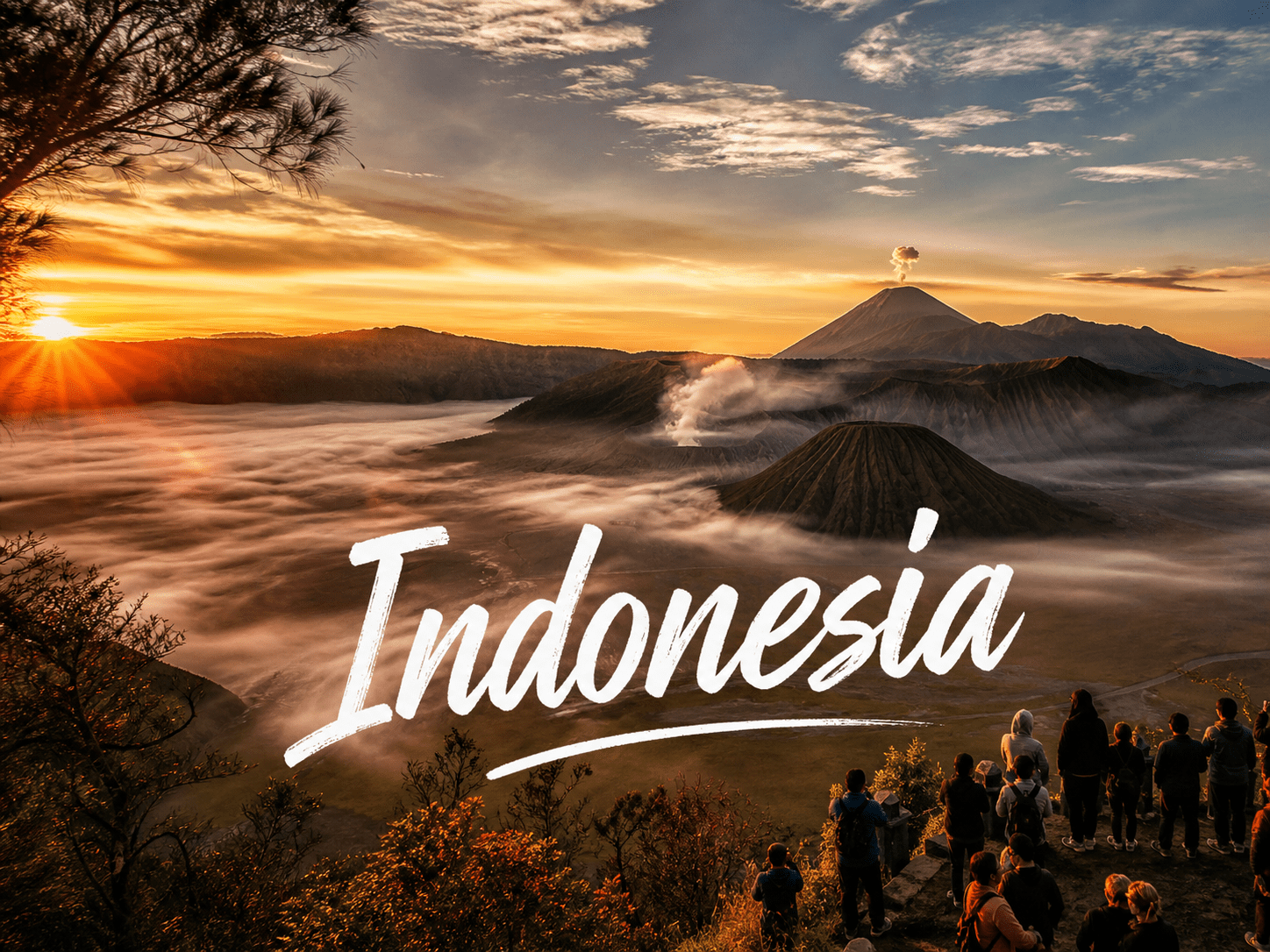
Indonesia
🌍Introduction
Indonesia is the world’s largest archipelago, made up of thousands of islands stretching across Southeast Asia and Oceania. Known for its stunning beaches, volcanic landscapes, rich biodiversity, and vibrant culture, Indonesia is one of the most fascinating destinations in the world.
From the iconic temples of Bali to the dense rainforests of Sumatra and the cultural richness of Java, Indonesia offers endless opportunities for exploration. Whether you are a nature lover, cultural enthusiast, or adventure traveler, Indonesia provides unforgettable experiences.
🏛 History of Indonesia
Early Civilizations and Trade
The history of Indonesia dates back thousands of years, with early civilizations influenced by trade routes connecting Asia and beyond. Ancient kingdoms flourished across Indonesia, especially in Java and Sumatra.
Hindu-Buddhist Kingdoms
Powerful empires such as the Srivijaya and Majapahit played a major role in shaping early Indonesia.
One of the most remarkable historical monuments from this period is
Borobudur,
a UNESCO World Heritage Site and one of the largest Buddhist temples in the world.
Islamic Influence
From the 13th century onward, Islam spread across Indonesia, becoming the dominant religion and influencing culture, traditions, and governance.
European Colonization
Indonesia was colonized by the Dutch for several centuries. The colonial period significantly impacted the economy and political structure of Indonesia.
Independence of Indonesia
Indonesia declared independence in 1945 under the leadership of
Sukarno.
Since then, Indonesia has grown into a major emerging economy and a democratic nation.
🌎 Geography of Indonesia
Location and Coordinates
Indonesia is located in Southeast Asia and Oceania.
- Coordinates: 0.7893° S, 113.9213° E
- Continent: Asia
Archipelago Structure
Indonesia consists of over 17,000 islands, making it the largest island country in the world.
Major islands include:
- Java
- Sumatra
- Borneo (Kalimantan)
- Sulawesi
- Papua
Neighboring Countries
Indonesia shares maritime and land borders with:
- Malaysia
- Papua New Guinea
- East Timor
- Australia
Natural Features
The geography of Indonesia includes:
- Active volcanoes
- Tropical rainforests
- Coral reefs
- Mountains
One of the most famous volcanoes is
Mount Bromo.
Climate
Indonesia has a tropical climate:
- Hot and humid year-round
- Wet and dry seasons
🎭 Culture of Indonesia
Traditions and Diversity
Culture in Indonesia is incredibly diverse, with hundreds of ethnic groups and traditions.
Religion in Indonesia
Indonesia is home to multiple religions:
- Islam (majority)
- Christianity
- Hinduism
- Buddhism
Festivals and Celebrations
Popular festivals in Indonesia include:
- Nyepi
- Eid al-Fitr
Music and Arts
Traditional music in Indonesia includes:
- Gamelan orchestras
- Folk dances
Food Culture of Indonesia
Cuisine in Indonesia is rich and flavorful:
- Nasi goreng (fried rice)
- Satay (grilled skewers)
- Rendang (spiced meat dish)
Food in Indonesia reflects regional diversity and cultural influences.
🗣 Language in Indonesia
Official Language
- Indonesian (Bahasa Indonesia)
Regional Languages
There are hundreds of local languages in Indonesia, including:
- Javanese
- Sundanese
🏙 Major Cities of Indonesia
Jakarta (Capital)
The capital city of Indonesia, Jakarta, is:
- Economic center
- Largest city
Bali (Tourist Hub)
Bali is:
- World-famous destination
- Known for beaches and culture
Surabaya
- Major port city
- Industrial hub
🌐 Indonesia in Global Organizations
Indonesia is a member of:
G20
United Nations
ASEAN
💰 Economy of Indonesia
Overview of Indonesia’s Economy
Indonesia has one of the largest and fastest-growing economies in Southeast Asia. As an emerging market, Indonesia has experienced steady economic growth driven by natural resources, manufacturing, and services. With a large population and expanding middle class, Indonesia plays a crucial role in regional and global trade.
Over the years, Indonesia has shifted from a resource-based economy to a more diversified system that includes industry and digital services. Today, Indonesia is recognized as one of the key economic powers in Asia.
Key Economic Sectors in Indonesia
1. Natural Resources
Natural resources are a major pillar of the economy of Indonesia.
Key resources include:
- Coal
- Palm oil
- Natural gas
- Minerals
Indonesia is one of the world’s largest exporters of palm oil and coal.
2. Manufacturing and Industry
Manufacturing is rapidly expanding in Indonesia.
Major industries include:
- Textiles
- Electronics
- Automotive production
Companies such as
Astra International
play a significant role in industrial growth in Indonesia.
3. Agriculture
Agriculture continues to support livelihoods in Indonesia, especially in rural areas.
Major crops:
- Rice
- Coffee
- Spices
4. Tourism
Tourism is a key contributor to the economy of Indonesia, attracting millions of visitors annually.
Currency of Indonesia
The official currency of Indonesia is:
- Indonesian Rupiah (IDR)
Major Trade Partners
Indonesia’s key trade partners include:
- China
- United States
- Japan
- Singapore
Exports from Indonesia include:
- Commodities
- Manufactured goods
Economic Strengths and Challenges
Strengths:
- Large domestic market
- Abundant natural resources
- Strategic location
Challenges:
- Infrastructure gaps
- Environmental concerns
- Income inequality
Organizations like the
- World Bank
- International Monetary Fund
provide support and economic analysis for Indonesia.
🏝 Tourist Attractions in Indonesia
🏛 Cultural & Historical Attractions
1. Borobudur Temple
The magnificent
Borobudur
is one of the most iconic landmarks in Indonesia and a UNESCO World Heritage Site.
2. Prambanan Temple
Another famous site is
Prambanan,
known for its stunning architecture.
🌋 Natural Attractions
1. Mount Bromo
The dramatic
Mount Bromo
is a must-visit destination in Indonesia, especially for sunrise views.
2. Komodo National Park
Home to the famous Komodo dragons,
Komodo National Park
is a unique attraction in Indonesia.
🏖 Beach Destinations
Indonesia is world-famous for its beaches:
- Bali
- Lombok
- Gili Islands
These destinations offer:
- Crystal-clear waters
- Diving and snorkeling
- Relaxation
🌿 Rainforests and Wildlife
The rainforests of Indonesia are among the richest in biodiversity:
- Orangutans
- Exotic birds
- Rare species
✨ Unique Facts About Indonesia
Here are some interesting facts about Indonesia:
- Indonesia is the largest island country in the world.
- It has over 17,000 islands.
- Indonesia is part of the Pacific Ring of Fire.
- It has one of the highest levels of biodiversity.
- Bahasa Indonesia unites diverse ethnic groups.
🌆 More About Cities in Indonesia
Jakarta – Capital and Business Hub
Jakarta is:
- Economic center of Indonesia
- One of the largest cities in Southeast Asia
Bali – Tourism Capital
Bali is:
- The most visited destination in Indonesia
- Known for culture and beaches
Surabaya – Industrial City
Surabaya is:
- Major port
- Key commercial hub in Indonesia
Bandung – Creative City
Bandung is:
- Known for fashion and creativity
- Popular getaway destination
✈️ Best Time to Visit Indonesia
Ideal Travel Season
The best time to visit Indonesia is:
- May to September (dry season)
Seasonal Travel
- Wet season (October–April): Rainfall increases
- Dry season: Best for tourism in Indonesia
🚗 Transportation in Indonesia
Getting Around
Transportation in Indonesia includes:
- Domestic flights (most efficient)
- Ferries between islands
- Buses and taxis
Island Travel
Due to its geography, traveling in Indonesia often involves:
- Air travel
- Sea transport
🧭 Travel Tips for Indonesia
- Respect local customs and traditions
- Stay hydrated in tropical climate
- Use local currency
- Plan island travel carefully
🔗 External DoFollow Links
- United Nations: https://www.un.org
- World Bank: https://www.worldbank.org
- UNESCO: https://whc.unesco.org
🎭 Deep Cultural Insights of Indonesia
Traditions and Daily Life
Indonesia is a country where tradition and modern life coexist beautifully. Daily life in Indonesia varies across its thousands of islands, each offering unique customs, clothing, architecture, and social practices. In rural areas, Indonesia still preserves ancient traditions, while major cities reflect rapid modernization.
Family and community values are central in Indonesia, and social harmony plays an important role in everyday life. Hospitality is a defining feature of Indonesia, making it a welcoming destination for travelers.
Religion and Spiritual Life
Religion plays a significant role in Indonesia, influencing daily routines, festivals, and cultural identity.
Major religions in Indonesia include:
- Islam (majority)
- Hinduism (especially in Bali)
- Christianity
- Buddhism
Temples, mosques, and shrines are found across Indonesia, reflecting its religious diversity.
Festivals and Celebrations
Festivals in Indonesia are vibrant and deeply rooted in tradition.
Nyepi – Day of Silence
The unique
Nyepi
is observed in Bali with complete silence, meditation, and reflection across Indonesia’s Hindu communities.
Eid Celebrations
Eid al-Fitr
is widely celebrated in Indonesia, marking the end of Ramadan with feasts and family gatherings.
Music and Dance
Traditional music in Indonesia includes:
- Gamelan orchestras
- Folk instruments
Dance is also a vital part of culture in Indonesia, often telling stories through movement and expression.
🍽 Food Guide of Indonesia
Traditional Indonesian Dishes
Cuisine in Indonesia is diverse and flavorful, influenced by regional traditions and spices:
- Nasi goreng (fried rice)
- Satay (grilled skewers)
- Rendang (spiced meat dish)
Each region in Indonesia offers unique culinary experiences.
Street Food Culture
Street food is an essential part of life in Indonesia:
- Fried snacks
- Local desserts
- Traditional beverages
Street food reflects the vibrant and accessible food culture of Indonesia.
Beverages
Popular drinks in Indonesia include:
- Fresh coconut water
- Herbal drinks (jamu)
- Indonesian coffee
🗺 7-Day Travel Itinerary for Indonesia
Day 1: Arrival in Jakarta
Explore:
- City center
- Cultural landmarks
- Local cuisine
Day 2: Cultural Exploration
Visit:
- National Monument
- Museums and markets
Day 3: Yogyakarta & Borobudur
Travel to Yogyakarta and visit:
- Borobudur
Day 4: Prambanan & Culture
Explore:
- Prambanan
Day 5: Bali Travel
Fly to Bali and relax:
- Beaches
- Resorts
Day 6: Nature & Adventure
Visit:
- Mount Bromo
or enjoy island exploration.
Day 7: Return & Departure
Prepare for departure from Indonesia.
🌍 Indonesia and Global Presence
Indonesia plays a significant role in global affairs and is a member of:
- United Nations
- ASEAN
- G20
These memberships strengthen Indonesia’s international influence.
🤔 Interesting & Lesser-Known Facts About Indonesia
- Indonesia has the largest Muslim population in the world.
- It is located on the Pacific Ring of Fire.
- Indonesia has more than 700 languages spoken.
- The Komodo dragon is native to Indonesia.
- Indonesia has one of the richest marine biodiversities globally.
🔗 Internal Link Suggestion
If you enjoyed reading about Indonesia, explore another destination:
➡️ Argentina Travel Guide (internal blog link suggestion)
📊 Final Summary
Indonesia is a land of incredible diversity, offering a unique combination of culture, nature, and adventure. From ancient temples and vibrant festivals to stunning beaches and volcanic landscapes, Indonesia provides unforgettable travel experiences.
Whether you are exploring its islands, tasting local cuisine, or experiencing cultural traditions, Indonesia stands out as one of the most exciting destinations in the world.
📋 Key Facts About Indonesia
| Category | Details |
|---|---|
| Country Name | Indonesia |
| Capital | Jakarta |
| Continent | Asia |
| Coordinates | 0.7893° S, 113.9213° E |
| Official Language | Indonesian |
| Currency | Indonesian Rupiah (IDR) |
| Population | 270+ million |
| Independence | 1945 |
| Climate | Tropical |
| Major Cities | Jakarta, Bali, Surabaya, Bandung |
| Major Attraction | Borobudur |
| UN Membership | Yes |
List of All 195 Countries
- Afghanistan
- Albania
- Algeria
- Andorra
- Angola
- Antigua and Barbuda
- Argentina
- Armenia
- Australia
- Austria
- Azerbaijan
- Bahamas
- Bahrain
- Bangladesh
- Barbados
- Belarus
- Belgium
- Belize
- Benin
- Bhutan
- Bolivia
- Bosnia and Herzegovina
- Botswana
- Brazil
- Brunei
- Bulgaria
- Burkina Faso
- Burundi
- Cabo Verde
- Cambodia
- Cameroon
- Canada
- Central African Republic
- Chad
- Chile
- China
- Colombia
- Comoros
- Congo (Congo-Brazzaville)
- Costa Rica

