



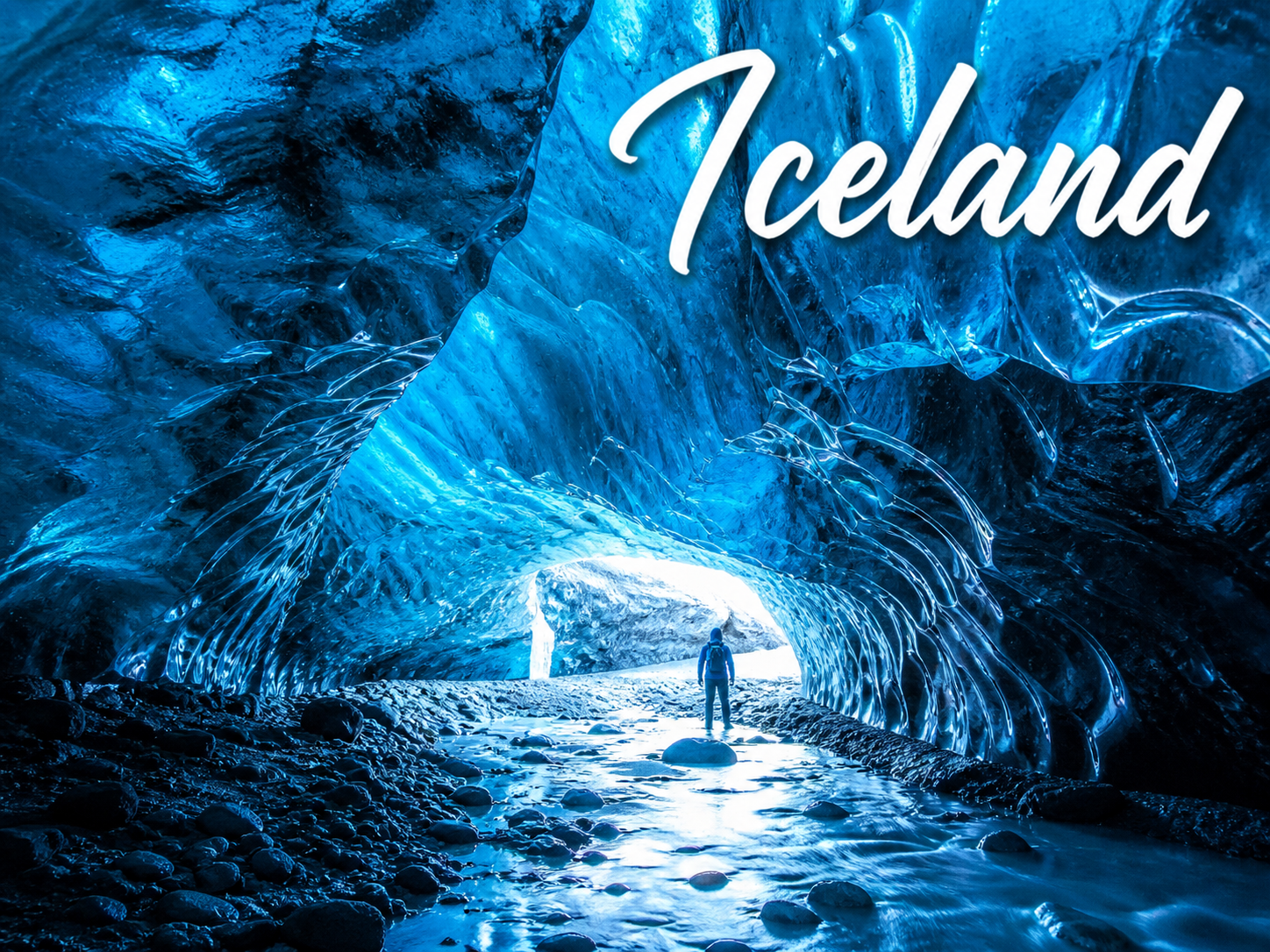
Iceland
🌍 Introduction
Iceland is one of the most unique and visually stunning countries in the world, famous for its dramatic landscapes, volcanic activity, glaciers, waterfalls, and geothermal wonders. Located in the North Atlantic Ocean, Iceland offers travelers an extraordinary mix of natural beauty and Nordic culture.
From the magical Northern Lights to vast lava fields and icy glaciers, Iceland is a dream destination for nature lovers and adventure seekers. Despite its small population, Iceland has a rich cultural heritage and a strong global presence.
🏛 History of Iceland
Early Settlement
The history of Iceland began in the 9th century when Norse settlers arrived. According to tradition, the first permanent settler was
Ingólfr Arnarson,
who established a settlement in present-day Reykjavik.
Viking Age and Commonwealth
During the Viking Age, Iceland developed a unique political system known as the Icelandic Commonwealth. One of the world’s oldest parliaments,
Althing,
was established around 930 AD.
Norwegian and Danish Rule
Iceland later came under the rule of Norway and then Denmark. For centuries, Iceland remained under foreign control, influencing its culture and governance.
Independence
Iceland gained full independence from Denmark in 1944 and became a republic. Since then, Iceland has developed into a modern, prosperous nation.
🌎 Geography of Iceland
Location and Coordinates
Iceland is located in the North Atlantic Ocean between Europe and North America.
- Coordinates: 64.9631° N, 19.0208° W
- Continent: Europe (Nordic region)
Surrounding Geography
Iceland is an island nation with no land borders. It lies near:
- Greenland
- Norway
Landscape and Terrain
The geography of Iceland is extraordinary:
- Volcanoes
- Glaciers
- Lava fields
- Geysers
- Waterfalls
One of the most famous natural attractions is
Geysir,
which gave the English word “geyser.”
Glaciers
Glaciers cover about 11% of Iceland’s land area. The largest glacier is
Vatnajökull.
Climate
Iceland has a subarctic climate:
- Cool summers
- Mild winters (due to Gulf Stream)
- Frequent weather changes
🎭 Culture of Iceland
Traditions and Heritage
Culture in Iceland is deeply rooted in Viking heritage and Nordic traditions.
Religion
Religion in Iceland:
- Evangelical Lutheran (majority)
- Other Christian denominations
Festivals and Celebrations
Popular festivals in Iceland include:
- National Day (June 17)
- Reykjavik Arts Festival
- Winter Lights Festival
Literature and Arts
Iceland has a strong literary tradition, including:
- Sagas (ancient stories)
- Modern literature
Music and Creative Scene
Iceland has produced globally recognized artists like
Björk.
🗣 Language in Iceland
Official Language
- Icelandic
It has remained largely unchanged since the Viking Age.
Other Languages
- English (widely spoken)
- Danish (taught in schools)
🏙 Major Cities of Iceland
Reykjavik (Capital)
The capital of Iceland, Reykjavik, is:
- The northernmost capital in the world
- Cultural and economic center
Akureyri
- Known as the “Capital of North Iceland”
- Scenic and peaceful
Keflavík
- Gateway city (international airport)
🌐 Iceland in Global Organizations
Iceland is a member of:
European Economic Area
United Nations
NATO
💰 Economy of Iceland
Overview of Iceland’s Economy
Iceland has a highly developed and modern economy, known for its strong institutions, high standard of living, and sustainable practices. Despite its small population, Iceland has built a resilient economy based on natural resources, renewable energy, and innovation.
Following the 2008 financial crisis, Iceland made a remarkable recovery and is now considered one of the most stable economies in the world.
Key Economic Sectors in Iceland
1. Fisheries
Fishing has traditionally been the backbone of Iceland’s economy.
Main exports include:
- Cod
- Haddock
- Herring
The fishing industry in Iceland is highly regulated and sustainable.
2. Renewable Energy
Iceland is a global leader in renewable energy:
- Geothermal energy
- Hydropower
Nearly 100% of electricity in Iceland comes from renewable sources, making it one of the most eco-friendly countries.
3. Tourism
Tourism is one of the fastest-growing sectors in Iceland. Millions of visitors travel to Iceland every year to experience its natural wonders.
4. Technology and Innovation
Iceland is also investing in:
- IT services
- Data centers
- Green technology
Currency of Iceland
The official currency of Iceland is:
- Icelandic Króna (ISK)
Major Trade Partners
Iceland’s main trade partners include:
- European Union countries
- United Kingdom
- United States
Exports from Iceland include:
- Fish products
- Aluminum
- Renewable energy expertise
Economic Strengths and Challenges
Strengths:
- Renewable energy leadership
- High quality of life
- Strong governance
Challenges:
- Small domestic market
- Dependence on tourism
- Geographic isolation
International organizations such as the
- World Bank
- International Monetary Fund
provide economic data and analysis for Iceland.
🏝 Tourist Attractions in Iceland
🌋 Natural Wonders
1. Golden Circle
The Golden Circle is one of the most popular routes in Iceland, including:
- Thingvellir National Park
- Geysir
- Gullfoss Waterfall
2. Blue Lagoon
The
Blue Lagoon
is a world-famous geothermal spa known for:
- Milky blue waters
- Relaxation experiences
3. Vatnajökull Glacier
The massive
Vatnajökull
offers:
- Ice caves
- Glacier hiking
🌊 Waterfalls
Iceland is known as the land of waterfalls:
- Seljalandsfoss (walk behind waterfall)
- Skógafoss (massive and powerful)
🌌 Northern Lights
One of the biggest attractions in Iceland is the Northern Lights (Aurora Borealis), visible during winter months.
🐋 Wildlife and Nature
Visitors to Iceland can enjoy:
- Whale watching
- Puffin bird colonies
- Arctic landscapes
✨ Unique Facts About Iceland
Here are some fascinating facts about Iceland:
- Iceland has no standing army.
- It runs almost entirely on renewable energy.
- Horses in Iceland are a unique breed.
- The country has very low crime rates.
- Iceland has more sheep than people.
🌆 More About Cities in Iceland
Reykjavik – Capital & Cultural Hub
Reykjavik is:
- The heart of Iceland’s culture
- Known for art, music, and nightlife
Akureyri – Northern Gem
Akureyri offers:
- Scenic views
- Access to northern attractions
Keflavík – Travel Gateway
Keflavík is:
- Home to the main international airport
- Entry point for travelers to Iceland
✈️ Best Time to Visit Iceland
Summer (June–August)
Best for:
- Midnight sun
- Road trips
- Hiking
Winter (November–March)
Best for:
- Northern Lights
- Ice caves
- Snow landscapes
Shoulder Seasons
Spring and autumn in Iceland offer:
- Fewer tourists
- Lower prices
🚗 Transportation in Iceland
Getting Around
Transportation options in Iceland include:
- Rental cars (most popular)
- Buses
- Domestic flights
Ring Road
The famous Ring Road circles the entire country and connects major attractions.
🧭 Travel Tips for Iceland
- Dress in layers
- Check weather conditions frequently
- Book accommodations in advance
- Respect nature and environmental rules
🔗 External DoFollow Links
- United Nations: https://www.un.org
- World Bank: https://www.worldbank.org
- UNESCO: https://whc.unesco.org
🎭 Deep Cultural Insights of Iceland
Traditions and Daily Life
Iceland is a country where modern living coexists with deep-rooted traditions. Daily life in Iceland reflects a strong connection to nature, sustainability, and community. Despite its small population, Iceland has a vibrant cultural identity shaped by its Viking heritage.
People in Iceland value equality, education, and environmental responsibility. The country consistently ranks high in global happiness and quality-of-life indexes.
Religion and Spiritual Life
Religion in Iceland is primarily:
- Evangelical Lutheran Christianity
However, Iceland is also known for its openness to diverse beliefs and cultural traditions.
Festivals and Celebrations
National Day (June 17)
This day celebrates the independence of Iceland and honors national identity. Festivities include:
- Parades
- Cultural performances
- Public gatherings
Reykjavik Arts Festival
A major cultural event in Iceland, featuring:
- Music
- Theater
- Visual arts
Winter Lights Festival
Celebrated in Reykjavik, this festival showcases:
- Light installations
- Cultural events
- Winter activities
Music and Creative Scene
Iceland has a thriving music and arts scene. The country has produced internationally recognized artists like
Björk.
Music festivals, indie bands, and creative expression are integral parts of life in Iceland.
🍽 Food Guide of Iceland
Traditional Icelandic Dishes
Cuisine in Iceland is influenced by its geography and history:
- Lamb dishes – highly popular due to free-range farming
- Seafood – fresh fish like cod and salmon
- Skyr – traditional dairy product similar to yogurt
Unique Icelandic Foods
Some traditional foods in Iceland include:
- Fermented shark (hákarl)
- Rye bread baked underground using geothermal heat
Modern Food Scene
Modern cuisine in Iceland blends tradition with innovation:
- Fine dining restaurants
- Organic and local ingredients
🗺 7-Day Travel Itinerary for Iceland
Day 1: Arrival in Reykjavik
Explore:
- City center
- Local culture
- Harpa Concert Hall
Day 2: Golden Circle Tour
Visit:
- Thingvellir National Park
- Geysir
- Gullfoss Waterfall
Day 3: South Coast Adventure
Discover:
- Waterfalls
- Black sand beaches
Day 4: Glacier Experience
Explore:
- Vatnajökull
Day 5: Blue Lagoon Relaxation
Visit:
- Blue Lagoon
Day 6: Northern Lights Hunt (Winter)
Experience:
- Aurora Borealis
Day 7: Departure
Return to Reykjavik for departure.
🌍 Iceland and Global Presence
Iceland is an active member of:
- United Nations
- NATO
- European Economic Area
These memberships enhance Iceland’s international cooperation.
🤔 Interesting & Lesser-Known Facts About Iceland
- Iceland has no mosquitoes.
- The country generates almost all energy from renewable sources.
- Icelanders use a unique naming system based on patronymics.
- The country has one of the highest literacy rates in the world.
- Iceland is one of the safest countries globally.
🔗 Internal Link Suggestion
If you enjoyed reading about Iceland, explore another destination:
➡️ Argentina Travel Guide (internal link suggestion)
📊 Final Summary
Iceland is a land of extraordinary contrasts—fire and ice, volcanoes and glaciers, tradition and innovation. With its breathtaking landscapes, rich culture, and commitment to sustainability, Iceland stands out as one of the most unique destinations in the world.
Whether you’re chasing the Northern Lights, exploring glaciers, or relaxing in geothermal spas, Iceland offers unforgettable experiences for every traveler.
📋 Key Facts About Iceland
| Category | Details |
|---|---|
| Country Name | Iceland |
| Capital | Reykjavik |
| Continent | Europe |
| Coordinates | 64.9631° N, 19.0208° W |
| Official Language | Icelandic |
| Currency | Icelandic Króna (ISK) |
| Population | ~370,000 |
| Independence | 1944 |
| Climate | Subarctic |
| Major Cities | Reykjavik, Akureyri |
| Major Attraction | Northern Lights |
| UN Membership | Yes |
List of All 195 Countries
- Afghanistan
- Albania
- Algeria
- Andorra
- Angola
- Antigua and Barbuda
- Argentina
- Armenia
- Australia
- Austria
- Azerbaijan
- Bahamas
- Bahrain
- Bangladesh
- Barbados
- Belarus
- Belgium
- Belize
- Benin
- Bhutan
- Bolivia
- Bosnia and Herzegovina
- Botswana
- Brazil
- Brunei
- Bulgaria
- Burkina Faso
- Burundi
- Cabo Verde
- Cambodia
- Cameroon
- Canada
- Central African Republic
- Chad
- Chile
- China
- Colombia
- Comoros
- Congo (Congo-Brazzaville)
- Costa Rica

