



🌍 Introduction
South Korea is a dynamic and highly developed country located in East Asia on the southern part of the Korean Peninsula. Known for its rapid modernization, cultural exports, and technological innovation, this nation has become one of the most influential countries in the world.
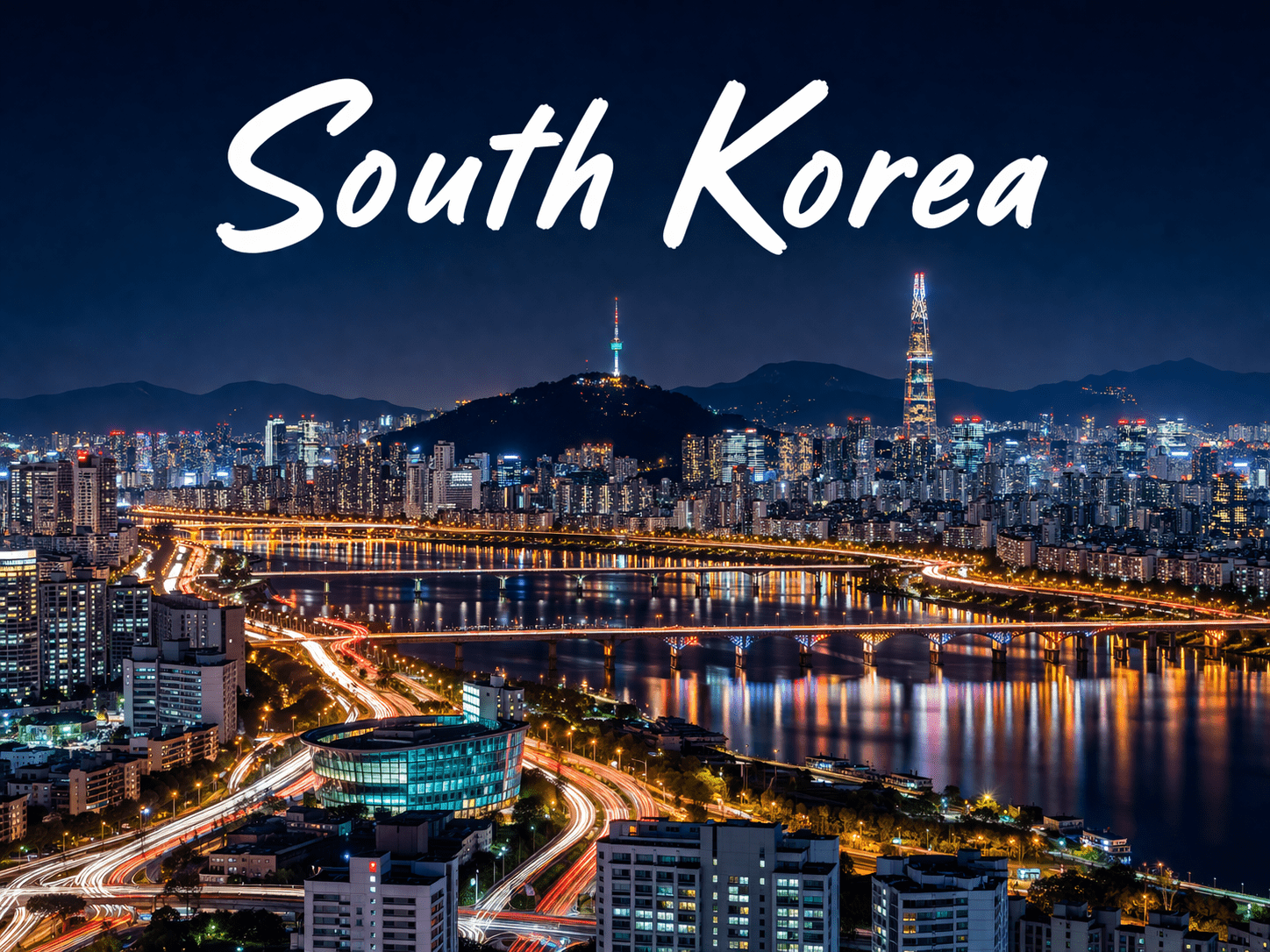
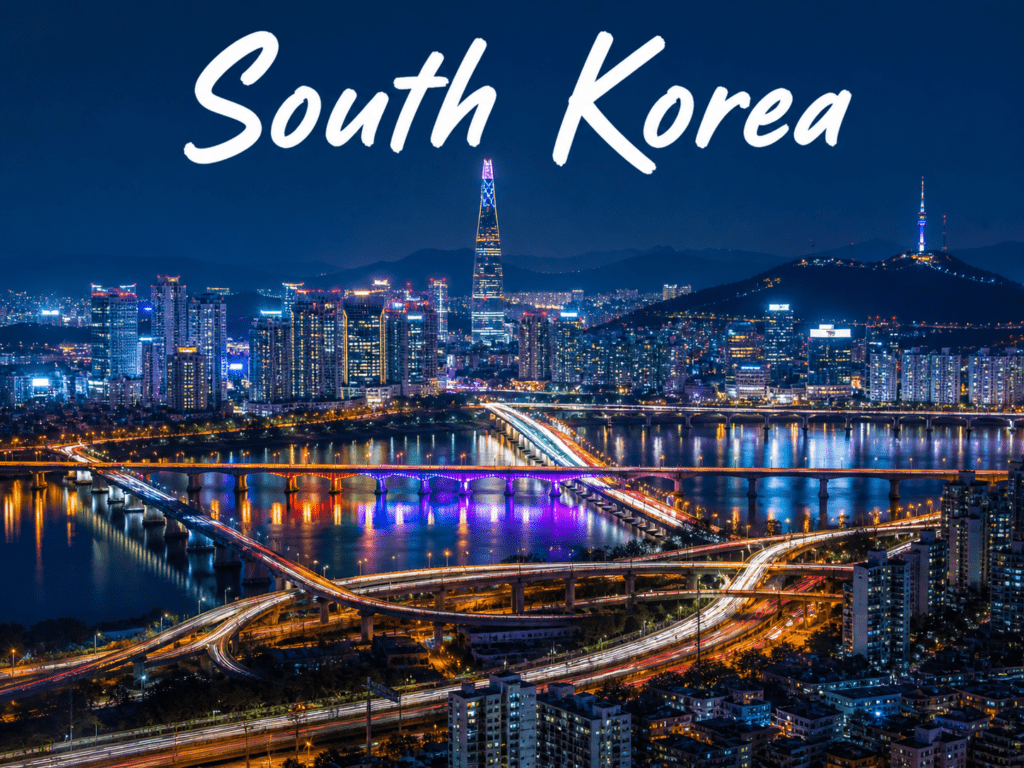
From futuristic cities like Seoul to peaceful islands like Jeju, South Korea offers a perfect balance of tradition and modern lifestyle. It is also globally famous for K-pop, K-dramas, skincare, and cutting-edge technology.
Travelers visiting South Korea experience a unique blend of ancient temples, modern skyscrapers, street food culture, and scenic natural landscapes.
🏛 History of South Korea
Ancient Kingdoms
The history of this region dates back thousands of years, with ancient kingdoms such as:
- Goguryeo
- Baekje
- Silla
These kingdoms shaped the cultural identity of the Korean Peninsula and influenced modern traditions.
Japanese Colonial Era
In the early 20th century, the Korean Peninsula was under Japanese rule, which significantly impacted society, infrastructure, and education systems.
Division of Korea
After World War II, the peninsula was divided into two separate states along the 38th parallel. The southern region developed into a democratic republic, becoming what is now known as South Korea.
Modern Development
Since the 1960s, South Korea has transformed from a war-affected nation into one of the world’s leading economies, known as the “Miracle on the Han River.”
🌍 Geography of South Korea
Location and Coordinates
South Korea is located in East Asia.
- Coordinates: 35.9078° N, 127.7669° E
- Region: Korean Peninsula
Neighboring Region
It shares a border with:
- North Korea (Demilitarized Zone)
It is surrounded by:
- Yellow Sea (west)
- Sea of Japan / East Sea (east)
Landscape Features
The geography of South Korea includes:
- Mountain ranges
- Coastal plains
- Forests
- River valleys
Mountains cover a large portion of the country, influencing settlement patterns.
Climate
South Korea has a temperate climate:
- Cold winters
- Hot, humid summers
- Four distinct seasons
🎭 Culture of South Korea
Cultural Identity
Culture in South Korea blends ancient traditions with modern global influence. Respect, family values, and education are highly important.
Traditional Culture
Traditional elements include:
- Hanbok (traditional clothing)
- Confucian values
- Traditional ceremonies
Modern Pop Culture
South Korea is globally famous for:
- K-pop music industry
- K-dramas
- Film industry
- Fashion trends
This cultural wave is known as the “Hallyu Wave.”
Language
- Korean is the official language
- English is widely studied
🏙 Major Cities of South Korea
Seoul (Capital)
Seoul is:
- Capital city
- Economic hub
- Cultural center
Busan
Busan is:
- Coastal city
- Famous for beaches and ports
Incheon
Incheon is:
- International gateway
- Major airport city
🌐 South Korea in Global Organizations
South Korea is a member of:
OECD
United Nations
World Trade Organization
💰 Economy of South Korea
Overview of the Economy
The economy of this East Asian nation is one of the most advanced and innovative in the world. It transformed rapidly from a developing economy into a global industrial powerhouse within a few decades.
Today, it is known for high-tech industries, strong exports, and global brands that dominate international markets.
Key Economic Sectors
1. Technology and Electronics
One of the strongest pillars of the economy is technology. The country is a global leader in:
- Semiconductors
- Smartphones
- Display technology
- Consumer electronics
Major global companies have originated from this region, shaping modern digital life worldwide.
2. Automotive Industry
The automotive sector is highly developed, producing vehicles exported across continents. The industry is known for:
- Innovation
- Fuel efficiency
- Electric vehicle development
3. Shipbuilding and Heavy Industry
This nation is one of the world’s largest shipbuilders, contributing significantly to global maritime trade.
4. Services and Finance
The service sector includes:
- Banking
- Tourism
- Entertainment
- Education
Urban centers like Seoul act as global financial hubs.
Currency and Trade
- Currency: South Korean Won (KRW)
Major trade partners include:
- United States
- China
- Japan
- European Union
Exports include electronics, automobiles, and machinery.
Economic Strengths & Challenges
Strengths:
- Highly skilled workforce
- Advanced technology
- Strong export economy
Challenges:
- Aging population
- High competition
- Resource dependence on imports
Global organizations such as the
- World Bank
- International Monetary Fund
continue to monitor and support economic stability.
🏝 Tourism in South Korea
Overview of Tourism
Tourism is one of the fastest-growing sectors. Millions of visitors travel to experience modern cities, cultural heritage, shopping districts, and natural landscapes.
🏙 Seoul Attractions
The capital city offers:
- Gyeongbokgung Palace
- Bukchon Hanok Village
- Myeongdong shopping district
- N Seoul Tower
Seoul blends tradition with futuristic city life.
🏝 Jeju Island
One of the most famous destinations is Jeju Island, known for:
- Volcano landscapes
- Waterfalls
- Beaches
- Hiking trails
It is often considered a honeymoon destination.
🌊 Busan Highlights
Busan offers:
- Haeundae Beach
- Jagalchi Fish Market
- Coastal temples
🏔 Natural Attractions
Other scenic destinations include:
- Seoraksan National Park
- Nami Island
- DMZ observation areas
🍜 Food Culture of South Korea
Traditional Cuisine
Food culture is one of the strongest attractions. Popular dishes include:
- Kimchi
- Bibimbap
- Bulgogi
- Tteokbokki
Meals are often shared and deeply cultural.
Street Food Culture
Street food is extremely popular in cities:
- Korean fried chicken
- Hotteok (sweet pancakes)
- Fish cakes
- Skewers
Modern Food Trends
The country also embraces global food trends and fusion cuisine, especially in Seoul.
🎬 Entertainment & Hallyu Culture
K-Pop Industry
The global music industry has been transformed by K-pop, featuring highly trained performers, global fanbases, and advanced production systems.
K-Dramas and Film
Korean dramas and films are globally popular due to strong storytelling and production quality.
Fashion and Beauty
The beauty industry is influential worldwide, especially in skincare innovation and cosmetic trends.
✨ Unique Facts
- One of the fastest-growing economies in modern history
- Global leader in semiconductor production
- Home to global entertainment exports
- Highly advanced internet infrastructure
- Strong influence on global pop culture
🎭 Deep Cultural Insights
Daily Life and Social Values
Life in this East Asian nation is a blend of modern speed and traditional respect. Society places strong importance on education, discipline, and social harmony.
Urban life is fast-paced, especially in major cities, while rural regions maintain a slower, more traditional lifestyle. Respect for elders and social etiquette remains deeply embedded in daily interactions.
Traditional Heritage
Despite rapid modernization, traditional culture is carefully preserved. Elements such as ancestral rituals, tea ceremonies, and Confucian values still influence social behavior.
Traditional clothing like the hanbok is worn during festivals and ceremonies, symbolizing cultural pride.
Language and Communication
The official language is Korean, written in Hangul, one of the most scientific writing systems in the world. English is widely studied, especially among younger generations.
Religion and Beliefs
Religious life is diverse:
- Buddhism
- Christianity
- Irreligious population
Religious freedom exists, and temples and churches are common in cities.
🎉 Festivals and Celebrations
Major National Festivals
Important celebrations include:
- Seollal (Lunar New Year)
- Chuseok (Harvest Festival)
- National Liberation Day
These festivals bring families together and honor ancestors.
Cultural Events
Modern cultural events include:
- Music festivals
- Film festivals
- Street parades
- K-pop concerts
These events highlight the global cultural influence of this nation.
🍽 Food Culture Deep Dive
Traditional Dining Style
Meals are typically served with multiple side dishes known as banchan. Rice is the staple food, accompanied by vegetables, meat, and soups.
Food culture emphasizes balance, flavor, and shared dining experiences.
Regional Cuisine
Different regions offer unique flavors:
- Seoul: modern fusion dishes
- Jeju Island: seafood specialties
- Busan: spicy and coastal cuisine
Popular Street Foods
Street food culture is vibrant:
- Korean corn dogs
- Spicy rice cakes
- Grilled skewers
- Sweet pancakes
Drinks and Beverages
Popular drinks include:
- Soju
- Makgeolli (rice wine)
- Traditional teas
🗺 7-Day Travel Itinerary
Day 1: Arrival in Seoul
Explore:
- City skyline
- Local markets
- Night streets
Day 2: Historical Seoul
Visit:
- Gyeongbokgung Palace
- Bukchon Hanok Village
Day 3: Modern Seoul
Explore:
- Shopping districts
- Digital media city
- River parks
Day 4: DMZ Experience
Visit:
- Korean Demilitarized Zone
Learn about peninsula history and geopolitics.
Day 5: Busan Coastal Trip
Explore:
- Beaches
- Fish markets
- Coastal temples
Day 6: Jeju Island Adventure
Visit:
- Volcano landscapes
- Waterfalls
- Hiking trails
Day 7: Cultural Experience & Departure
Final shopping, cultural shows, and departure.
🌐 Global Influence
This nation plays a major role in global economics, culture, and diplomacy. It is actively involved in international cooperation through major institutions.
It is a member of:
- United Nations
- OECD
- World Trade Organization
🤔 Interesting Facts
- Home of K-pop global phenomenon
- One of the fastest digital economies in the world
- High-speed internet infrastructure nationwide
- Famous for skincare innovation and beauty industry
- Strong blend of ancient tradition and modern innovation
- Popular global film industry (Oscar-winning cinema)
🔗 Internal Link Suggestion
Explore next:
➡️ Kenya Travel Guide
📊 Final Summary
This East Asian nation represents one of the most successful transformations in modern history, evolving from post-war recovery into a global leader in technology, culture, and entertainment.
It offers travelers a unique combination of ancient palaces, futuristic cities, scenic islands, and world-famous cuisine.
From Seoul’s neon-lit streets to Jeju’s volcanic landscapes, this destination delivers a complete cultural and travel experience.
📋 Key Facts Table
| Category | Details |
|---|---|
| Country | South Korea |
| Capital | Seoul |
| Region | East Asia |
| Coordinates | 35.9078° N, 127.7669° E |
| Language | Korean |
| Currency | Korean Won (KRW) |
| Population | ~52 million |
| Government | Democratic republic |
| Famous Landmark | Gyeongbokgung Palace |
| Climate | Temperate, four seasons |
| UN Membership | Yes |
List of All 195 Countries
- Afghanistan
- Albania
- Algeria
- Andorra
- Angola
- Antigua and Barbuda
- Argentina
- Armenia
- Australia
- Austria
- Azerbaijan
- Bahamas
- Bahrain
- Bangladesh
- Barbados
- Belarus
- Belgium
- Belize
- Benin
- Bhutan
- Bolivia
- Bosnia and Herzegovina
- Botswana
- Brazil
- Brunei
- Bulgaria
- Burkina Faso
- Burundi
- Cabo Verde
- Cambodia
- Cameroon
- Canada
- Central African Republic
- Chad
- Chile
- China
- Colombia
- Comoros
- Congo (Congo-Brazzaville)
- Costa Rica

