



🌍 Introduction
Kyrgyzstan is a stunning landlocked country in Central Asia, famous for its dramatic mountain landscapes, alpine lakes, and deep-rooted nomadic traditions. It is one of the most naturally beautiful destinations in the region, often called the “Switzerland of Central Asia.”
Traveling through Kyrgyzstan feels like stepping into a world of untouched nature, where towering peaks, wide valleys, and traditional yurts define everyday life. The country remains one of the most authentic and least commercialized travel destinations.
Visitors to Kyrgyzstan experience a unique blend of adventure, culture, and hospitality that is deeply connected to its nomadic heritage.
🏛 History of Kyrgyzstan
Ancient Nomadic Origins
The history of this region is deeply tied to nomadic tribes who moved across the Eurasian steppe for centuries. These early communities shaped the cultural identity of modern Kyrgyzstan.
Silk Road Influence
The territory played an important role in the ancient Silk Road trade routes, connecting China, the Middle East, and Europe. Caravan routes passed through what is now Kyrgyzstan, bringing trade, culture, and ideas.
Soviet Era
In the 20th century, the region became part of the Soviet Union. During this period, infrastructure, education, and urban development expanded significantly in Kyrgyzstan.
Independence
In 1991, Kyrgyzstan gained independence following the collapse of the Soviet Union and became a sovereign nation.
🌍 Geography of Kyrgyzstan
Location and Coordinates
Kyrgyzstan is located in Central Asia.
- Coordinates: 41.2044° N, 74.7661° E
- Region: Central Asia
Neighboring Countries
Kyrgyzstan shares borders with:
- Kazakhstan
- China
- Tajikistan
- Uzbekistan
Mountain Landscape
Most of Kyrgyzstan is covered by mountains, especially the Tian Shan range. These mountains create dramatic scenery, deep valleys, and alpine ecosystems.
Climate
The climate in Kyrgyzstan is continental:
- Cold winters
- Warm summers
- Low humidity in many regions
🎭 Culture of Kyrgyzstan
Nomadic Heritage
Culture in Kyrgyzstan is deeply influenced by nomadic traditions. Life in rural areas still reflects ancient customs such as herding, horseback travel, and yurt living.
Yurt Culture
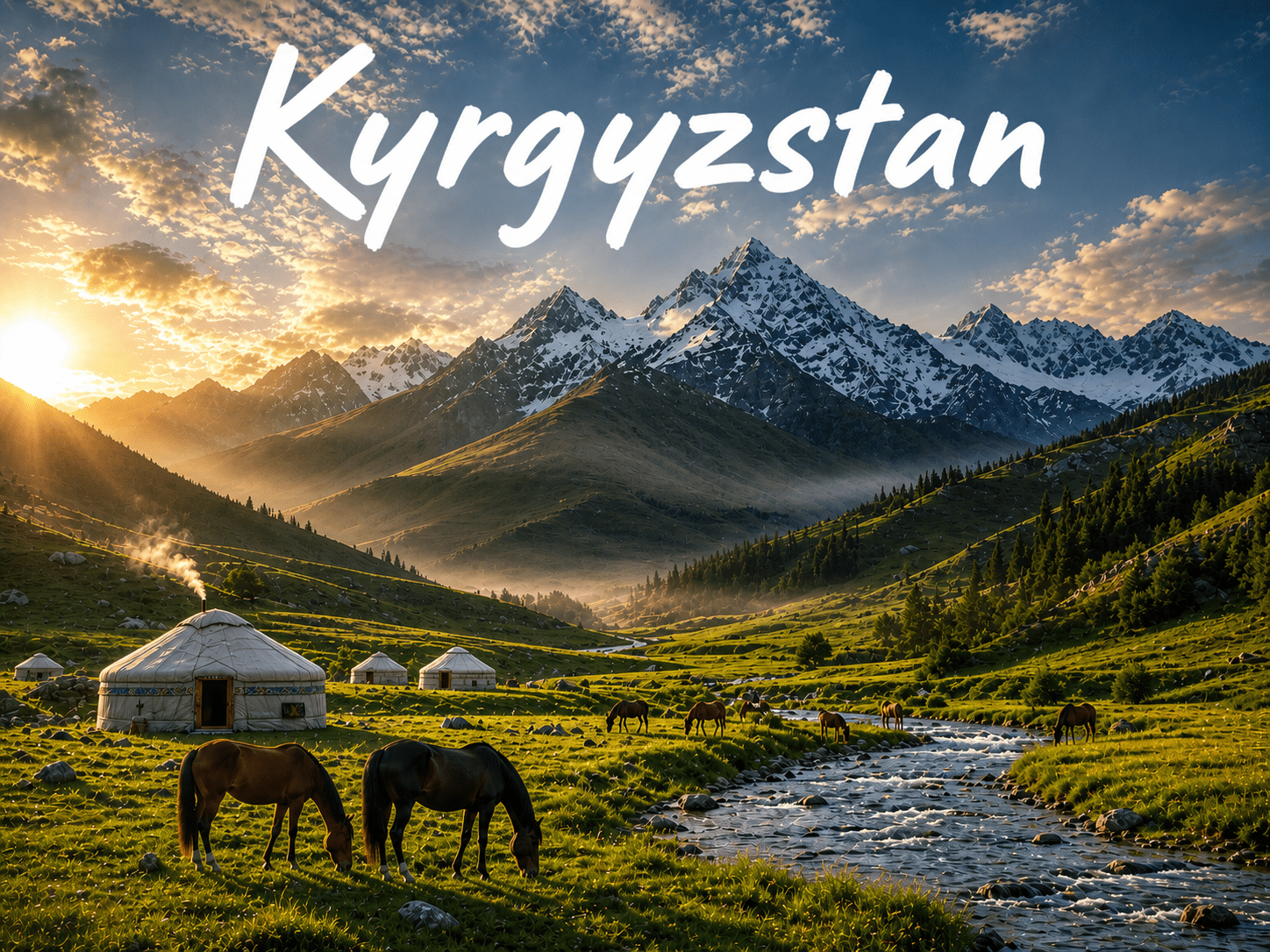
Yurts are traditional portable homes made of felt and wood. They remain an important cultural symbol in Kyrgyzstan and are still used in mountain pastures.
Hospitality Traditions
Hospitality is a core cultural value. Guests are treated with great respect and often offered food and tea upon arrival.
Language
- Kyrgyz (official language)
- Russian (widely spoken)
🏙 Major Cities of Kyrgyzstan
Bishkek (Capital)
Bishkek is:
- Capital city
- Economic and political center
- Green urban environment
Osh
Osh is:
- One of the oldest cities in Central Asia
- Cultural and historical hub
🌐 Kyrgyzstan in Global Organizations
Kyrgyzstan is a member of:
Shanghai Cooperation Organization
United Nations
💰 Economy of Kyrgyzstan
Overview of the Economy
The economy of this Central Asian country is relatively small but developing steadily. It is strongly influenced by agriculture, remittances, mining, and tourism.
Due to its mountainous geography, large-scale industrialization is limited, but natural resources and regional trade play an important role in economic activity.
Key Economic Sectors
1. Agriculture
Agriculture is one of the main livelihoods. Rural communities depend on:
- Livestock farming
- Sheep and horse herding
- Dairy production
The mountainous terrain of Kyrgyzstan supports seasonal grazing systems known as transhumance.
2. Mining and Natural Resources
Mining contributes significantly to the economy. Key resources include:
- Gold
- Coal
- Uranium
Gold mining is one of the most important export sectors.
3. Remittances
A large portion of income comes from citizens working abroad, especially in neighboring countries and Russia. These remittances support families and local economies.
4. Tourism Sector
Tourism is rapidly growing, especially adventure and eco-tourism. Travelers are attracted to:
- Mountains
- Lakes
- Nomadic culture
Currency and Trade
- Currency: Kyrgyzstani Som (KGS)
Trade partners include:
- China
- Russia
- Kazakhstan
- Turkey
Exports include gold, agricultural products, and livestock goods.
Economic Challenges
Key challenges include:
- Geographic isolation
- Limited infrastructure in rural areas
- Dependence on external income sources
- Seasonal economic fluctuations
International support from organizations like the
- World Bank
helps support development projects and infrastructure improvements.
🏞 Natural Beauty & Tourism
Overview of Tourism
Tourism in this mountain-rich nation is centered around nature, adventure, and cultural experiences. It is one of the most scenic destinations in Central Asia.
🏔 Tian Shan Mountains
The Tian Shan mountain range dominates the landscape, offering:
- Hiking trails
- Alpine scenery
- Glacier views
It is one of the most iconic natural features of Kyrgyzstan.
🌊 Issyk-Kul Lake
One of the largest alpine lakes in the world, Issyk-Kul is famous for:
- Clear blue waters
- Mountain surroundings
- Year-round tourism
🏕 Song-Kul Lake
A remote high-altitude lake known for:
- Nomadic camps
- Horse riding experiences
- Yurt stays
🌲 National Parks
Popular protected areas include:
- Ala Archa National Park
- Sary-Chelek Biosphere Reserve
These parks showcase untouched natural beauty.
🚵 Adventure Tourism
Hiking and Trekking
This country is a paradise for trekkers. Trails range from easy valley walks to high-altitude mountain climbs.
Horseback Travel
Horse riding is deeply connected to nomadic tradition and remains a popular way to explore rural landscapes.
Camping in Yurts
Tourists often stay in traditional yurts, experiencing authentic nomadic life in mountain pastures.
Winter Sports
In winter, activities include:
- Skiing
- Snowboarding
- Snow trekking
🌄 Unique Landscapes
Valleys and Grasslands
Wide open valleys are used for grazing livestock during summer months.
Glaciers and Rivers
Glacial melt feeds rivers that support agriculture and ecosystems.
Remote Wilderness
Large areas remain untouched, making the country ideal for eco-tourism.
✨ Unique Facts
- Over 90% of the land is mountainous
- Nomadic traditions are still widely practiced
- Yurts are still used in rural regions
- Horse culture is central to identity
- One of the least urbanized countries in Central Asia
- Issyk-Kul never freezes despite high altitude
🎭 Culture and Traditions
Nomadic Identity
Culture in this Central Asian mountain nation is deeply rooted in nomadic heritage. For centuries, communities have moved seasonally with livestock across valleys and alpine pastures. This lifestyle still influences modern traditions in Kyrgyzstan today.
The relationship between people, animals, and nature remains central to identity and daily life.
Yurt Lifestyle
Traditional yurts are portable round homes made from wood and felt. They are designed for mountain living and harsh climates.
In rural areas, yurts are still widely used during summer migration to highland pastures. Visitors often stay in them to experience authentic nomadic life.
Hospitality Culture
Hospitality is one of the strongest cultural values. Guests are welcomed warmly with tea, bread, and local dishes. Refusing hospitality is considered disrespectful.
Music and Oral Traditions
Music plays an important role in cultural preservation. Traditional instruments include:
- Komuz (string instrument)
- Kyl kiyak (bowed instrument)
Epic storytelling is also important, especially the famous Manas Epic, one of the longest oral epics in the world.
Festivals and Celebrations
Major cultural events include:
- Nooruz (Spring Festival)
- Independence Day celebrations
- Horse games and sports festivals
Horse games such as kok-boru are especially popular and reflect nomadic traditions.
🍽 Food Culture
Traditional Cuisine
Food is simple, hearty, and meat-based, reflecting nomadic roots.
Common dishes include:
- Beshbarmak (meat and noodles)
- Lagman (noodle soup)
- Plov (rice dish)
- Manti (dumplings)
Meals are usually shared among family and guests.
Dairy-Based Foods
Due to livestock culture, dairy products are important:
- Kumis (fermented mare milk)
- Yogurt
- Cheese varieties
These foods are widely consumed in rural regions of Kyrgyzstan.
Bread Culture
Bread is a staple food and is often handmade in traditional ovens. It is always served during meals and hospitality gatherings.
Beverages
Popular drinks include:
- Tea (black and green)
- Fermented dairy drinks
- Herbal mountain teas
🗺 7-Day Travel Itinerary
Day 1: Arrival in Bishkek
Explore:
- Ala-Too Square
- Local markets
- City parks
Day 2: Bishkek Culture Tour
Visit:
- National museums
- Soviet-era architecture
- Local cafés
Day 3: Ala Archa National Park
Experience:
- Hiking trails
- Mountain scenery
- Glacier rivers
Day 4: Issyk-Kul Lake Journey
Travel to:
- Issyk-Kul Lake
Enjoy beaches, mountains, and relaxation.
Day 5: Song-Kul Lake Experience
Stay in:
- Traditional yurts
- Nomadic camps
Activities:
- Horse riding
- Cultural interaction
Day 6: Rural Villages
Explore:
- Local farming communities
- Traditional lifestyles
- Handicrafts
Day 7: Return & Departure
Final shopping and cultural visits in Bishkek.
🌍 International Relations
This country participates in global cooperation through major institutions and regional alliances.
It is a member of:
- United Nations
- Shanghai Cooperation Organization
🤔 Interesting Facts
- Over 90% of land is mountainous
- Nomadic traditions are still actively practiced
- Yurts are still used seasonally
- Horse culture is extremely important
- Issyk-Kul Lake is one of the largest alpine lakes in the world
- One of the most nature-dominant countries in Central Asia
🔗 Internal Link Suggestion
Explore next:
➡️ Ethiopia Travel Guide
📊 Final Summary
This Central Asian destination is one of the most naturally beautiful and culturally rich countries in the region. With its towering mountains, vast alpine lakes, and deeply rooted nomadic traditions, it offers a rare and authentic travel experience.
Unlike highly urbanized destinations, this country preserves a close connection between people and nature, making it a top destination for adventure travelers and cultural explorers.
From yurt stays to mountain trekking, Kyrgyzstan delivers an unforgettable journey through one of the world’s most scenic landscapes.
📋 Key Facts Table
| Category | Details |
|---|---|
| Country | Kyrgyzstan |
| Capital | Bishkek |
| Region | Central Asia |
| Coordinates | 41.2044° N, 74.7661° E |
| Language | Kyrgyz, Russian |
| Currency | Kyrgyzstani Som (KGS) |
| Population | ~7 million |
| Geography | 90% mountainous |
| Famous Lake | Issyk-Kul |
| Lifestyle | Nomadic heritage |
| UN Membership | Yes |
List of All 195 Countries
- Afghanistan
- Albania
- Algeria
- Andorra
- Angola
- Antigua and Barbuda
- Argentina
- Armenia
- Australia
- Austria
- Azerbaijan
- Bahamas
- Bahrain
- Bangladesh
- Barbados
- Belarus
- Belgium
- Belize
- Benin
- Bhutan
- Bolivia
- Bosnia and Herzegovina
- Botswana
- Brazil
- Brunei
- Bulgaria
- Burkina Faso
- Burundi
- Cabo Verde
- Cambodia
- Cameroon
- Canada
- Central African Republic
- Chad
- Chile
- China
- Colombia
- Comoros
- Congo (Congo-Brazzaville)
- Costa Rica

