



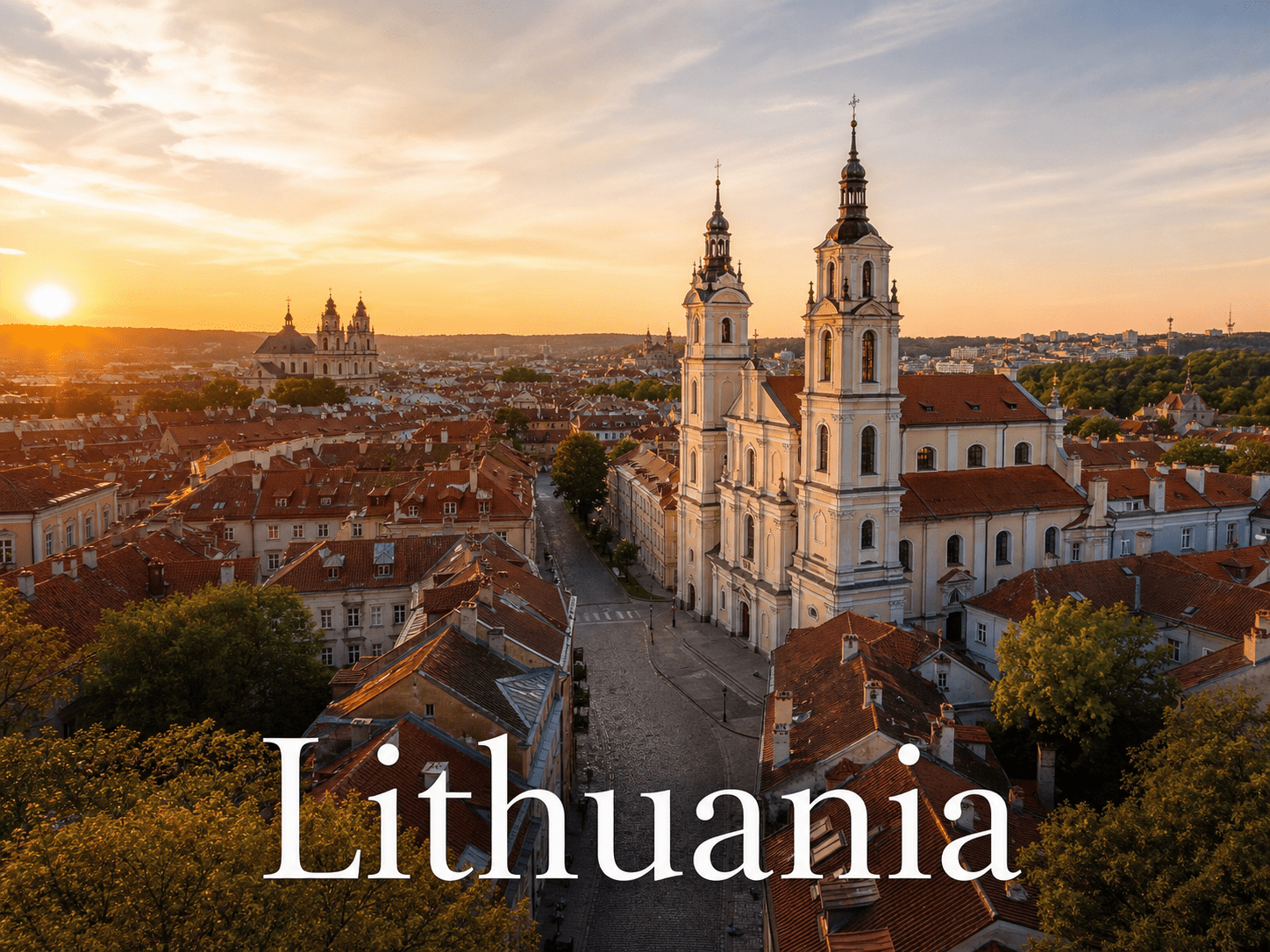
🌟 Introduction
Lithuania is a captivating Baltic country in Northern Europe known for its rich history, medieval cities, and natural beauty. It combines cultural heritage with scenic landscapes, making it an appealing destination for travelers.
Traveling through Lithuania reveals charming old towns, forests, lakes, and a strong sense of identity rooted in history and tradition. It is one of the most culturally rich destinations in the Baltic region.
Visitors to Lithuania appreciate its peaceful atmosphere, historic architecture, and vibrant cultural life.
🏛 History of Lithuania
Early Origins
The region has been inhabited since ancient times by Baltic tribes who developed a unique language and culture.
Grand Duchy Period
During the medieval era, the country became one of the largest states in Europe as part of the Grand Duchy of Lithuania. It played a major role in regional politics and trade.
Union and Foreign Rule
Later, it formed a union with Poland, creating a powerful political entity. Over time, the territory came under the control of the Russian Empire.
Independence and Modern Era
The nation declared independence in 1918 and regained it again in 1990 after the collapse of the Soviet Union. Since then, Lithuania has developed into a modern European country.
🌍 Geography of Lithuania
Location and Coordinates
Lithuania is located in Northern Europe.
- Coordinates: 55.1694° N, 23.8813° E
- Region: Baltic Europe
Neighboring Countries
Lithuania shares borders with:
- Latvia
- Belarus
- Poland
- Russia (Kaliningrad region)
It also has access to the Baltic Sea.
Landscape Features
The geography includes:
- Forests
- Lakes and rivers
- Coastal dunes
Climate
The climate is:
- Temperate
- Cold winters
- Mild summers
🎭 Culture of Lithuania
Cultural Identity
Culture in Lithuania is deeply connected to history, language, and traditions. Folk customs, music, and art play a significant role in preserving heritage.
Language
- Lithuanian (official language)
It is one of the oldest languages in Europe.
Religion
The majority of the population follows Roman Catholicism.
Traditions
Cultural traditions include:
- Folk songs
- Dance festivals
- Handcrafted art
🏙 Major Cities of Lithuania
Vilnius (Capital)
Vilnius is:
- The capital city
- Cultural and political center
- Known for its historic old town
Kaunas
Kaunas is:
- Second-largest city
- Known for architecture and culture
Klaipėda
Klaipėda is:
- Coastal city
- Important port
🌐 Lithuania in Global Organizations
Lithuania is a member of:
NATO
United Nations
European Union
💰 Economy of Lithuania
Overview of the Economy
The economy of Lithuania is modern, diversified, and strongly integrated into the European market. Since gaining independence, it has transitioned from a centrally planned system into a dynamic, export-driven economy.
Today, growth is supported by manufacturing, technology, services, and trade.
Key Economic Sectors
1. Services and Finance
The service sector plays a major role, including:
- Banking
- IT services
- Retail and logistics
Urban centers like Vilnius are hubs of innovation and business development.
2. Manufacturing and Industry
Industrial production includes:
- Machinery
- Electronics
- Chemicals
- Food processing
Export-oriented industries contribute significantly to economic growth.
3. Agriculture
Agriculture remains important in rural areas:
- Grain production
- Dairy farming
- Livestock
Fertile land supports a variety of crops.
4. Technology and Innovation
The country has developed a growing tech sector, focusing on:
- Fintech
- Startups
- Digital services
Currency and Trade
- Currency: Euro (EUR)
Major trade partners include:
- Germany
- Poland
- Latvia
- Sweden
Exports include machinery, food products, and manufactured goods.
Economic Strengths & Challenges
Strengths:
- EU membership
- Skilled workforce
- Strong export sector
Challenges:
- Population decline
- Regional economic differences
- Global market dependence
Organizations such as the
- World Bank
monitor economic development and support policy reforms.
🌲 Nature & Landscapes
Forests and Green Areas
Forests cover a large portion of the land, providing biodiversity and recreational opportunities.
Nature plays a central role in lifestyle and tourism across Lithuania.
Lakes and Rivers
The country is known for:
- Numerous lakes
- Scenic rivers
- Wetlands
These water bodies support ecosystems and tourism.
National Parks
Protected areas preserve natural beauty and wildlife. Key parks include:
- Aukštaitija National Park
- Dzūkija National Park
🌊 Baltic Sea Coast
Coastal Features
The coastline offers:
- Sandy beaches
- Sand dunes
- Seaside resorts
Popular Coastal Areas
- Klaipėda region
- Curonian Spit
The Curonian Spit is a UNESCO World Heritage Site known for its unique dunes and landscapes.
🏙 Tourism in Lithuania
Overview of Tourism
Tourism is a growing sector attracting visitors interested in history, culture, and nature.
The country offers:
- Historic cities
- Natural parks
- Coastal destinations
🏛 Vilnius Old Town
The historic center of Vilnius is one of the largest in Europe, featuring:
- Baroque architecture
- Churches
- Cultural landmarks
🌲 Countryside Travel
Rural areas offer:
- Farm stays
- Nature retreats
- Cultural experiences
🎶 Cultural Tourism
Visitors can enjoy:
- Festivals
- Music events
- Art exhibitions
🚴 Outdoor Activities
Hiking and Nature Walks
Trails across forests and parks provide opportunities for exploration.
Cycling
Cycling routes connect cities, countryside, and coastal regions.
Water Activities
Popular activities include:
- Kayaking
- Boating
- Swimming
🌿 Unique Landscapes
Sand Dunes
The Curonian Spit features some of the most impressive dunes in Europe.
Forest Ecosystems
Dense forests create habitats for wildlife and provide scenic beauty.
Rural Villages
Villages preserve traditional architecture and lifestyle.
✨ Unique Facts
- One of the oldest languages in Europe
- Rich medieval history
- Large number of lakes and forests
- Baltic Sea coastline with unique dunes
- Strong cultural traditions
- Growing tech and startup ecosystem
🎭 Culture and Daily Life
Cultural Identity
Culture in Lithuania is deeply rooted in history, folklore, and national pride. Traditions have been preserved through generations, and cultural identity remains strong in both urban and rural areas.
Folk Traditions
Traditional culture includes:
- Folk songs (dainos)
- Dance festivals
- Handcrafted textiles
These elements reflect the deep cultural heritage of Lithuania.
Music and Arts
Music plays an important role in daily life. Choir singing and large song festivals are especially popular and are recognized internationally.
Art and literature also contribute to cultural expression.
Religion and Values
Roman Catholicism is the dominant religion, influencing festivals and social customs. Community values emphasize:
- Family
- Tradition
- Cultural preservation
Modern Lifestyle
Cities combine historic charm with modern living. People enjoy:
- Cafés
- Cultural events
- Creative industries
🎉 Festivals and Celebrations
Song and Dance Festival
This major event celebrates music and dance, bringing together performers from across the country.
Traditional Holidays
Important celebrations include:
- Christmas
- Easter
- National holidays
Seasonal Events
Seasonal festivals highlight:
- Harvest traditions
- Cultural performances
- Local customs
🍽 Food Culture
Traditional Cuisine
Cuisine in Lithuania is hearty and influenced by local ingredients such as potatoes, meat, and dairy.
Popular dishes include:
- Cepelinai (potato dumplings)
- Cold beet soup
- Meat stews
Bread and Dairy
Bread, especially rye bread, is a staple and holds cultural importance.
Dairy products such as cheese and yogurt are widely consumed.
Desserts
Traditional sweets include:
- Honey cakes
- Pastries
- Berry desserts
Beverages
Popular drinks include:
- Herbal teas
- Beer
- Fruit juices
🗺 7-Day Travel Itinerary
Day 1: Arrival in Vilnius
Explore:
- Vilnius
- Old Town streets
- Historic landmarks
Day 2: Vilnius Cultural Tour
Visit:
- Churches
- Museums
- Cultural sites
Day 3: Kaunas Visit
Travel to Kaunas for:
- Architecture
- Cultural experiences
Day 4: Trakai Castle
Visit:
- Trakai Island Castle
Enjoy scenic lake views and history.
Day 5: Curonian Spit
Explore:
- Curonian Spit
Experience dunes, beaches, and nature.
Day 6: National Park Experience
Visit:
- Forest trails
- Lakes
- Wildlife areas
Day 7: Return & Departure
Return to Vilnius for departure.
🌐 International Role
This Baltic country actively participates in global cooperation and European integration.
It is a member of:
- United Nations
- European Union
- NATO
🤔 Interesting Facts
- One of the oldest living languages in the world
- Strong tradition of song festivals
- Rich medieval and cultural history
- Large forest coverage
- Unique Baltic Sea dunes
- Growing modern economy
🔗 Internal Link Suggestion
Explore next:
➡️ Kenya Travel Guide
📊 Final Summary
This Baltic destination offers a unique blend of history, culture, and natural beauty. From medieval cities to coastal dunes, it provides diverse experiences for travelers.
Visitors can explore historic architecture, enjoy traditional cuisine, and immerse themselves in nature. With its peaceful atmosphere and cultural richness, Lithuania stands out as a rewarding European destination.
📋 Key Facts Table
| Category | Details |
|---|---|
| Country | Lithuania |
| Capital | Vilnius |
| Region | Northern Europe |
| Coordinates | 55.1694° N, 23.8813° E |
| Language | Lithuanian |
| Currency | Euro (EUR) |
| Population | ~2.8 million |
| Geography | Forests, lakes, coastline |
| Famous Site | Trakai Castle |
| Climate | Temperate |
| UN Membership | Yes |

