



🌟 Introduction
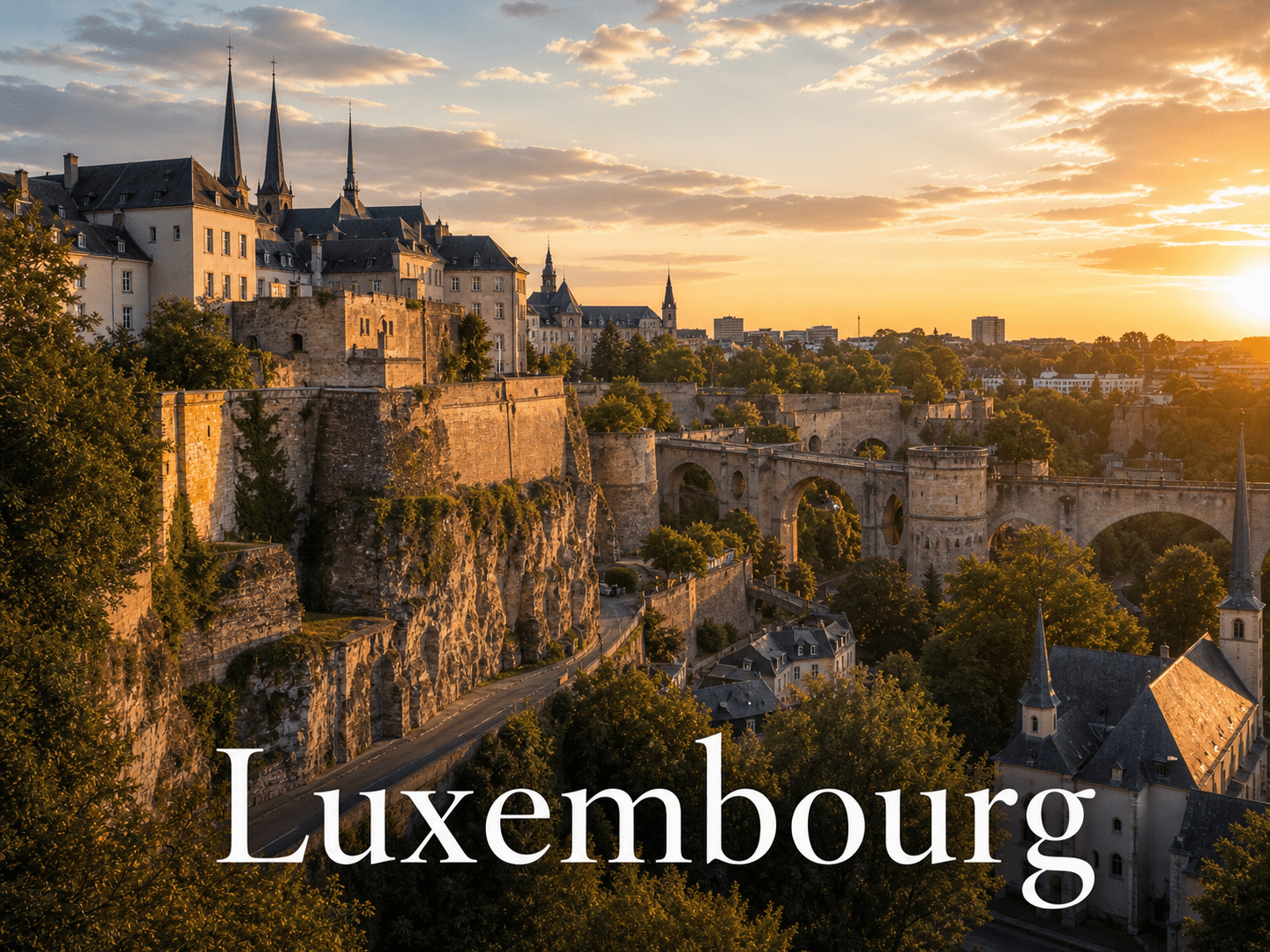
Luxembourg is a small yet fascinating country in Western Europe, known for its historic castles, scenic valleys, and high standard of living. Despite its compact size, it offers a rich blend of history, culture, and natural beauty.
Traveling through Luxembourg reveals charming towns, medieval fortifications, and peaceful countryside landscapes. It is one of Europe’s most underrated travel destinations.
Visitors to Luxembourg enjoy its mix of modern urban life and preserved heritage.
🏛 History of Luxembourg
Early History
The region has a long history dating back to Roman times, with settlements forming around strategic locations.
Medieval Era
The country developed around a fortress built in the 10th century, which became one of the most important strongholds in Europe.
European Influence
Over the centuries, it was ruled by various European powers, including:
- Spain
- France
- Austria
Independence and Modern Era
In the 19th century, the country gained independence and gradually developed into a modern constitutional monarchy.
Today, Luxembourg is one of the wealthiest and most stable countries in the world.
🌍 Geography of Luxembourg
Location and Coordinates
Luxembourg is located in Western Europe.
- Coordinates: 49.8153° N, 6.1296° E
- Region: Western Europe
Neighboring Countries
Luxembourg shares borders with:
- Belgium
- France
- Germany
Landscape Features
The geography includes:
- Rolling hills
- Forests
- River valleys
Climate
The climate is:
- Temperate
- Mild summers
- Cool winters
🎭 Culture of Luxembourg
Cultural Identity
Culture reflects a mix of French, German, and local influences, creating a unique European identity.
Language
- Luxembourgish (national language)
- French
- German
Religion
Roman Catholicism has historically been the dominant religion.
Traditions
Cultural traditions include:
- Festivals
- Music
- Local crafts
🏙 Major Cities of Luxembourg
Luxembourg City (Capital)
Luxembourg City is:
- The capital
- Financial center
- Known for historic fortifications
Esch-sur-Alzette
Esch-sur-Alzette is:
- Industrial and cultural hub
Differdange
Differdange is:
- Known for local heritage and industry
🌐 Luxembourg in Global Organizations
Luxembourg is a member of:
NATO
United Nations
European Union
💰 Economy of Luxembourg
Overview of the Economy
The economy of Luxembourg is one of the strongest and most advanced in the world. Despite its small size, it has built a highly developed system based on finance, services, and innovation.
Its strategic location in Europe and stable political environment make it a global economic hub.
Key Economic Sectors
1. Financial Services
Financial services are the backbone of the economy. The country is known for:
- Banking
- Investment funds
- Wealth management
It is one of the leading financial centers in Europe.
2. Industry and Manufacturing
Historically, steel production played a major role. Today, industry includes:
- Manufacturing
- Technology
- Logistics
3. Technology and Innovation
Innovation is growing rapidly, with focus on:
- Fintech
- Space technology
- Digital services
4. Services Sector
The services sector dominates employment and includes:
- Trade
- Transport
- Public administration
Currency and Trade
- Currency: Euro (EUR)
Major trade partners include:
- Germany
- France
- Belgium
Exports include financial services, industrial goods, and technology.
Economic Strengths & Challenges
Strengths:
- High GDP per capita
- Strong financial sector
- Stable governance
Challenges:
- High cost of living
- Dependence on global markets
Organizations like the
- World Bank
recognize it as a high-income economy.
🏰 Castles and Historical Attractions
Luxembourg City Fortifications
The capital is famous for its:
- Fortified walls
- Underground tunnels
- Historic defenses
These structures are part of a UNESCO World Heritage Site.
Vianden Castle
- Vianden Castle
One of the most beautiful castles in Europe, known for:
- Medieval architecture
- Hilltop views
- Historical significance
Other Historic Sites
- Clervaux Castle
- Bourscheid Castle
These sites showcase medieval history and architecture.
🌲 Nature & Landscapes
Ardennes Region
The northern region offers:
- Forests
- Hills
- Quiet villages
It is ideal for nature lovers.
Mullerthal Region
Known as “Little Switzerland,” this area features:
- Rock formations
- Hiking trails
- Scenic landscapes
River Valleys
Rivers such as the Moselle provide:
- Vineyards
- Scenic views
- Relaxation spots
🏞 Tourism in Luxembourg
Overview
Tourism focuses on:
- Cultural heritage
- Nature
- Relaxation
It is perfect for travelers seeking a peaceful European experience.
🏰 Cultural Tourism
Visitors explore:
- Castles
- Museums
- Historic towns
🌄 Nature Tourism
Activities include:
- Hiking
- Cycling
- Nature walks
🍷 Wine Tourism
The Moselle region is known for:
- Vineyards
- Wine tasting
- Scenic landscapes
🚵 Outdoor Activities
Hiking
Well-marked trails run through forests, hills, and valleys.
Cycling
Cycling routes connect towns and natural areas.
Water Activities
Rivers offer:
- Boating
- Canoeing
- Relaxation
🌿 Unique Landscapes
Cliffs and Valleys
The capital is uniquely built on cliffs overlooking valleys.
Forested Areas
Dense forests create peaceful natural environments.
Vineyards
The Moselle region adds a scenic and cultural dimension.
✨ Unique Facts
- One of the richest countries in the world
- Major financial hub in Europe
- Multilingual society
- Rich medieval history
- Beautiful castles and valleys
- UNESCO-listed fortifications
🎭 Culture and Daily Life
Cultural Identity
Culture in Luxembourg is a rich blend of French, German, and local traditions. Despite its small size, the country maintains a strong cultural identity shaped by history, language, and community values.
Multilingual Society
One of the most unique aspects is its multilingual culture:
- Luxembourgish (national language)
- French (administration)
- German (media and education)
This linguistic diversity reflects its position in Europe.
Lifestyle and Society
Daily life is defined by:
- High quality of living
- Clean environment
- Safety and stability
Communities value balance between work and leisure.
Arts and Culture
Cultural life includes:
- Museums
- Art galleries
- Music festivals
The capital city is a cultural hub with both traditional and modern influences.
🎉 Festivals and Celebrations
National Day
Celebrated on June 23, featuring:
- Fireworks
- Parades
- Public events
Cultural Festivals
Events throughout the year include:
- Music festivals
- Film festivals
- Art exhibitions
Seasonal Celebrations
Christmas markets and seasonal events add charm to towns and cities.
🍽 Food Culture
Traditional Cuisine
Cuisine in Luxembourg reflects European influences and local ingredients.
Popular dishes include:
- Judd mat Gaardebounen (pork with beans)
- Bouneschlupp (green bean soup)
- Potato-based dishes
Meat and Dairy
Meat, especially pork, plays an important role in traditional meals.
Dairy products such as cheese and butter are widely used.
Bread and Pastries
Bread and baked goods are essential, including:
- Fresh breads
- Cakes
- Pastries
Beverages
Popular drinks include:
- Coffee
- Wine (Moselle region)
- Beer
🗺 7-Day Travel Itinerary
Day 1: Arrival in Luxembourg City
Explore:
- Luxembourg City
- Historic center
- Scenic viewpoints
Day 2: Fortifications & Culture
Visit:
- Museums
- Old Town
- Historic fortifications
Day 3: Vianden Castle
Travel to:
- Vianden Castle
Explore medieval architecture and views.
Day 4: Mullerthal Region
Discover:
- Rock formations
- Hiking trails
- Nature landscapes
Day 5: Moselle Valley
Enjoy:
- Vineyards
- Wine tasting
- Scenic river views
Day 6: Ardennes Region
Experience:
- Forests
- Hills
- Rural villages
Day 7: Relax & Departure
Return to the capital for departure.
🌐 International Role
This European nation plays an important role in international cooperation and economic integration.
It is a member of:
- United Nations
- European Union
- NATO
🤔 Interesting Facts
- One of the smallest countries in Europe
- Among the richest nations globally
- Multilingual society
- Strong financial sector
- Famous for castles and fortifications
- High quality of life
🔗 Internal Link Suggestion
Explore next:
➡️ Greece Travel Guide
📊 Final Summary
This European destination offers a unique blend of history, culture, and natural beauty. From medieval castles to scenic valleys, it provides a peaceful yet enriching travel experience.
Visitors can explore historic architecture, enjoy fine cuisine, and experience a high standard of living in a compact and accessible country.
From its capital city to countryside landscapes, Luxembourg stands out as one of Europe’s most charming and sophisticated destinations.
📋 Key Facts Table
| Category | Details |
|---|---|
| Country | Luxembourg |
| Capital | Luxembourg City |
| Region | Western Europe |
| Coordinates | 49.8153° N, 6.1296° E |
| Language | Luxembourgish, French, German |
| Currency | Euro (EUR) |
| Population | ~650,000 |
| Geography | Hills, forests, valleys |
| Famous Site | Vianden Castle |
| Climate | Temperate |
| UN Membership | Yes |

