



🌟 Introduction
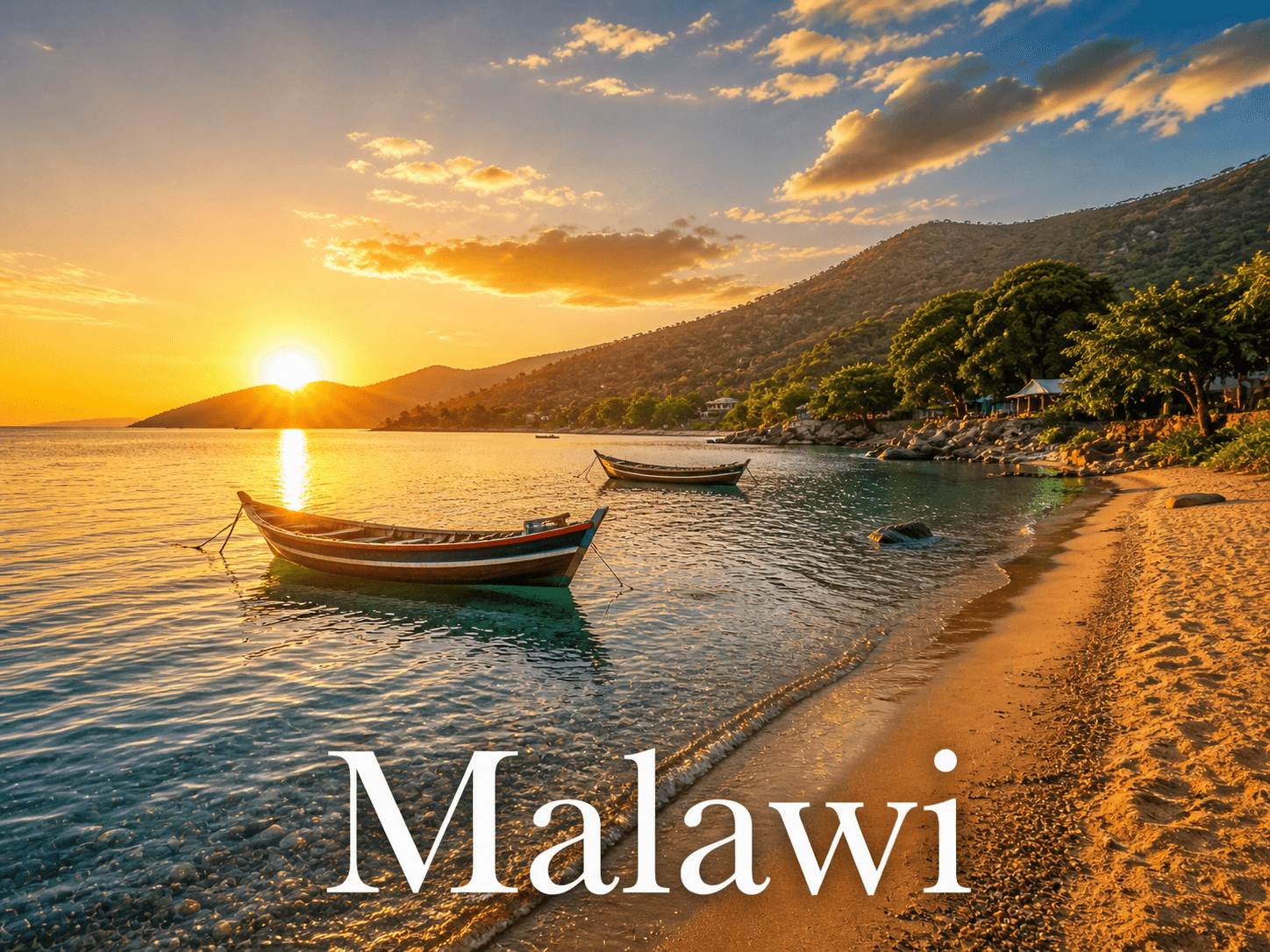
Malawi is a stunning landlocked country in southeastern Africa, often called the “Warm Heart of Africa” due to its friendly people and welcoming culture. It is known for its beautiful landscapes, diverse wildlife, and the massive freshwater lake that defines much of its geography.
Traveling through Malawi reveals a mix of mountains, valleys, wildlife reserves, and lakeside beaches. It is one of Africa’s most underrated travel destinations, offering authentic experiences and natural beauty.
Visitors to Malawi appreciate its peaceful environment, rich traditions, and scenic diversity.
🏛 History of Malawi
Early History
The region has been inhabited for thousands of years by Bantu-speaking communities, forming early societies based on agriculture and trade.
Colonial Period
The area became a British protectorate known as Nyasaland in the late 19th century. Colonial influence shaped infrastructure and governance.
Independence
The country gained independence in 1964 and established itself as a sovereign nation.
Modern Development
Since independence, Malawi has focused on development, agriculture, and improving living standards, while maintaining strong cultural traditions.
🌍 Geography of Malawi
Location and Coordinates
Malawi is located in southeastern Africa.
- Coordinates: 13.2543° S, 34.3015° E
- Region: East/Southern Africa
Neighboring Countries
Malawi borders:
- Tanzania
- Mozambique
- Zambia
Landscape Features
The geography includes:
- Mountains
- Valleys
- Plateaus
- Lakes
Lake Malawi
The most significant feature is:
- Lake Malawi
It is one of the largest lakes in Africa and a UNESCO World Heritage Site.
Climate
The climate is tropical:
- Warm temperatures year-round
- Rainy season (November–April)
- Dry season (May–October)
🐘 Wildlife and Nature
National Parks
The country is home to several protected areas with rich biodiversity.
Key Wildlife
Wildlife includes:
- Elephants
- Lions
- Antelope
- Birds
Conservation Efforts
Efforts are ongoing to protect wildlife and natural habitats.
🎭 Culture of Malawi
Cultural Identity
Culture is deeply rooted in tradition, community, and music. People are known for their friendliness and hospitality.
Language
- English (official)
- Chichewa (widely spoken)
Religion
Christianity is the dominant religion, with some traditional beliefs also practiced.
Traditions
Cultural life includes:
- Music
- Dance
- Storytelling
🏙 Major Cities of Malawi
Lilongwe (Capital)
Lilongwe is:
- The capital city
- Political center
Blantyre
Blantyre is:
- Commercial hub
- Largest city
Mzuzu
Mzuzu is:
- Northern region center
- Known for cooler climate
🌐 Malawi in Global Organizations
Malawi is a member of:
African Union
United Nations
💰 Economy of Malawi
Overview of the Economy
The economy of Malawi is primarily based on agriculture, with a large portion of the population engaged in farming. It is considered a developing economy with strong potential in tourism, agriculture, and natural resources.
Economic activity is closely tied to rural communities, where farming and small-scale trade support livelihoods.
Key Economic Sectors
1. Agriculture
Agriculture is the backbone of the economy. Key crops include:
- Tobacco
- Tea
- Sugar
- Maize
Tobacco is one of the major export products, contributing significantly to national revenue.
2. Fisheries
Fishing plays an important role, especially around:
- Lake Malawi
Fish provides both food and income for local communities.
3. Tourism
Tourism is growing due to:
- Natural beauty
- Wildlife
- Lakeside attractions
The peaceful environment makes Malawi appealing for eco-tourism.
4. Small Industries
Industries include:
- Food processing
- Textiles
- Construction
Currency and Trade
- Currency: Malawian Kwacha (MWK)
Major trade partners include:
- South Africa
- China
- European countries
Exports include agricultural goods and natural resources.
Economic Challenges
Key challenges include:
- Poverty
- Infrastructure limitations
- Climate dependence
Organizations like the
- World Bank
support development and economic reforms.
🐘 National Parks & Wildlife
Overview
The country has several national parks and wildlife reserves that protect biodiversity and offer safari experiences.
Liwonde National Park
- Liwonde National Park
Known for:
- Elephants
- Hippos
- Birdlife
Nyika National Park
- Nyika National Park
Features:
- Rolling hills
- Unique landscapes
- Cooler climate
Majete Wildlife Reserve
- Majete Wildlife Reserve
Home to:
- Big Five animals
- Conservation success stories
🌊 Lake Malawi Experience
Overview
The lake is the highlight of travel in the region, offering a mix of relaxation and adventure.
Beaches and Shores
The lake features:
- Sandy beaches
- Clear water
- Tropical scenery
Activities
Visitors can enjoy:
- Swimming
- Snorkeling
- Kayaking
Island Destinations
Popular spots include:
- Likoma Island
- Cape Maclear
🏞 Tourism in Malawi
Overview
Tourism focuses on:
- Nature
- Wildlife
- Lakeside relaxation
🌿 Eco-Tourism
Eco-tourism is a major attraction, offering sustainable travel experiences.
🐾 Safari Experiences
Wildlife parks provide opportunities to see animals in natural habitats.
🌅 Scenic Travel
The country offers beautiful landscapes ideal for photography and exploration.
🚵 Outdoor Activities
Hiking
Trails across mountains and parks offer scenic views.
Water Sports
Lake-based activities include:
- Boating
- Diving
- Fishing
Cultural Exploration
Visitors can experience:
- Local villages
- Traditional markets
- Cultural events
🌿 Unique Landscapes
Great Rift Valley
Part of the country lies within the Great Rift Valley, creating dramatic landscapes.
Highlands and Plateaus
Elevated regions provide cooler climates and scenic views.
Lakeside Ecosystems
Lake environments support diverse wildlife and communities.
✨ Unique Facts
- Known as the “Warm Heart of Africa”
- Lake Malawi is one of Africa’s largest lakes
- Rich biodiversity and wildlife
- Strong agricultural economy
- Friendly and welcoming people
- Growing eco-tourism destination
🎭 Culture and Daily Life
Cultural Identity
Culture in Malawi is deeply rooted in community values, traditions, and a strong sense of hospitality. The country is often referred to as the “Warm Heart of Africa,” reflecting the friendliness and kindness of its people.
Ethnic Diversity
The population consists of multiple ethnic groups, each with its own traditions, languages, and customs. This diversity contributes to a rich cultural landscape.
Traditions and Customs
Traditional practices remain an important part of daily life. Communities emphasize:
- Respect for elders
- Strong family ties
- Shared responsibilities
Music and Dance
Music plays a central role in cultural expression. Traditional performances include:
- Drumming
- Singing
- Dance
These are often seen during ceremonies and celebrations.
Language and Communication
- English (official)
- Chichewa (widely spoken)
Language reflects both colonial history and local heritage.
🎉 Festivals and Celebrations
Cultural Festivals
Festivals celebrate:
- Music
- Dance
- Heritage
Religious Celebrations
Christian holidays such as Christmas and Easter are widely observed, along with traditional ceremonies.
Community Events
Local gatherings and celebrations strengthen community bonds.
🍽 Food Culture
Traditional Cuisine
Cuisine in Malawi is simple and based on locally available ingredients.
Common dishes include:
- Nsima (staple maize dish)
- Vegetable relishes
- Meat or fish dishes
Lake-Based Diet
Fish from:
- Lake Malawi
is an essential part of daily meals, especially along lakeside areas.
Street Food
Street food includes:
- Grilled maize
- Fried snacks
- Local fruits
Beverages
Popular drinks include:
- Tea
- Local brews
- Fresh juices
🗺 7-Day Travel Itinerary
Day 1: Arrival in Lilongwe
Explore:
- Lilongwe
- Markets
- Cultural sites
Day 2: Lilongwe Nature & Culture
Visit:
- Wildlife center
- Local communities
Day 3: Liwonde National Park
Travel to:
- Liwonde National Park
Enjoy safari and wildlife viewing.
Day 4: Lake Malawi
Relax at:
- Lake Malawi
Enjoy beaches and water activities.
Day 5: Cape Maclear
Experience:
- Snorkeling
- Boating
- Scenic views
Day 6: Nyika Plateau
Visit:
- Nyika National Park
Explore highland landscapes.
Day 7: Return & Departure
Return to Lilongwe for departure.
🌐 International Role
This southeastern African nation participates in global cooperation and development initiatives.
It is a member of:
- United Nations
- African Union
🤔 Interesting Facts
- Known as the “Warm Heart of Africa”
- Lake Malawi is one of Africa’s largest lakes
- Strong community culture
- Rich wildlife and natural parks
- Agriculture-based economy
- Growing tourism sector
🔗 Internal Link Suggestion
Explore next:
➡️ Kenya Travel Guide
📊 Final Summary
This southeastern African destination offers a combination of natural beauty, wildlife, and cultural richness. From lakeside relaxation to safari adventures, it provides a diverse travel experience.
Visitors can explore national parks, enjoy freshwater beaches, and connect with welcoming communities. With its peaceful atmosphere and scenic landscapes, Malawi stands out as a unique and rewarding destination.
📋 Key Facts Table
| Category | Details |
|---|---|
| Country | Malawi |
| Capital | Lilongwe |
| Region | Southeastern Africa |
| Coordinates | 13.2543° S, 34.3015° E |
| Language | English, Chichewa |
| Currency | Malawian Kwacha (MWK) |
| Population | ~20 million |
| Geography | Lake, mountains, valleys |
| Famous Feature | Lake Malawi |
| Climate | Tropical |
| UN Membership | Yes |

