



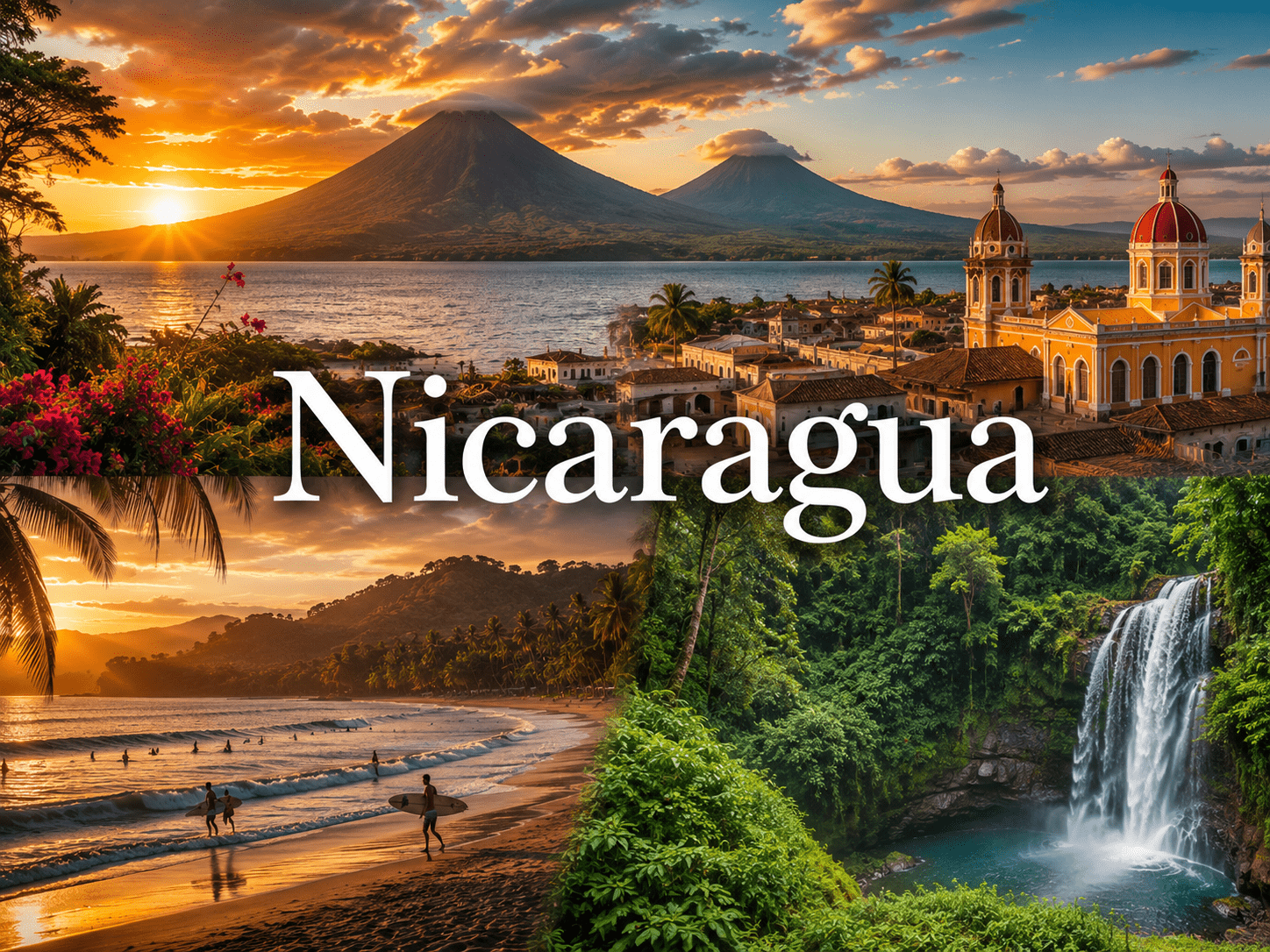
Nicaragua – A Beautiful Gem of Central America
Nicaragua is one of the most fascinating destinations in Central America, known for its volcanoes, colonial cities, tropical beaches, rich traditions, and warm hospitality. Often called the “Land of Lakes and Volcanoes,” this remarkable nation offers a unique combination of history, biodiversity, adventure tourism, and cultural heritage. From the colorful streets of Granada to the pristine waters of the Caribbean coast, the country provides unforgettable experiences for travelers, historians, and nature lovers alike.
Located between Honduras and Costa Rica, this nation has become increasingly popular among backpackers, surfers, eco-tourists, and digital nomads seeking affordable travel experiences. The region is home to dramatic volcanic landscapes, vast rainforests, historic architecture, and vibrant local markets. Visitors can explore active volcanoes, enjoy fresh seafood on tropical islands, and discover centuries-old traditions preserved through music, dance, religion, and cuisine.
Despite political and economic challenges throughout its history, the country continues to evolve while preserving its cultural identity. Indigenous heritage, Spanish colonial influence, and Afro-Caribbean traditions together create a fascinating cultural mix that makes this destination truly unique within Latin America.
Historical Background of Nicaragua
Early Indigenous Civilizations
Before Spanish colonization, the territory now known as Nicaragua was inhabited by several indigenous groups, including the Nicarao, Chorotega, and Miskito peoples. These communities developed agricultural systems, trade routes, artistic traditions, and spiritual practices long before European arrival.
The Nicarao people, from whom the nation’s name is believed to originate, lived near Lake Nicaragua and maintained complex societies with strong cultural connections to Mesoamerican civilizations. Indigenous communities cultivated maize, beans, cacao, and squash while also engaging in regional trade networks.
Spanish Colonization
Spanish explorers arrived in the early 16th century, dramatically transforming the region. Colonization brought Christianity, European governance, and new economic systems. Colonial cities such as Granada and León became important centers of Spanish influence in Central America.
The colonial era also introduced social and political changes that shaped the nation’s future. Indigenous populations suffered greatly due to disease, forced labor, and conflicts. However, many traditions survived and continue influencing local culture today.
Independence and Nation Building
Like many Central American territories, the country gained independence from Spain in 1821. It briefly joined the Federal Republic of Central America before becoming an independent republic.
Throughout the 19th and 20th centuries, the nation experienced political instability, foreign interventions, revolutions, and civil conflicts. The Sandinista Revolution of 1979 remains one of the most significant historical events in modern national history, influencing politics and society even today.
Modern Development
In recent decades, tourism, agriculture, renewable energy, and infrastructure development have played important roles in economic growth. Colonial restoration projects, eco-tourism initiatives, and conservation programs have helped increase international interest in the country.
Geographical Location and Natural Features
Where Is Nicaragua Located?
Nicaragua is located in Central America, bordered by Honduras to the north and Costa Rica to the south. The Pacific Ocean lies to the west, while the Caribbean Sea stretches along the eastern coast.
Geographic Coordinates
- Approximate Coordinates: 13°N latitude and 85°W longitude
Size and Landscape
The nation is the largest country in Central America by land area. Its geography includes:
- Active volcanoes
- Tropical rainforests
- Massive freshwater lakes
- Pacific beaches
- Caribbean islands
- Mountain ranges
- Wetlands and nature reserves
One of the country’s most famous natural landmarks is Lake Nicaragua, one of the largest freshwater lakes in Latin America.
Climate
The climate is generally tropical, with two main seasons:
Dry Season
- November to April
- Best for tourism and outdoor activities
Rainy Season
- May to October
- Lush green landscapes and fewer tourists
Coastal regions tend to be hot and humid, while highland areas offer cooler temperatures.
Culture and Traditions of Nicaragua
A Blend of Cultures
The culture of Nicaragua reflects indigenous, Spanish, and Afro-Caribbean influences. Traditional customs remain strong in rural communities, while cities combine modern lifestyles with historical heritage.
Religion
Roman Catholicism has historically been the dominant religion, although Protestant communities have grown significantly in recent decades. Religious festivals play an important role in daily life and community celebrations.
Traditional Festivals
Palo de Mayo
This colorful Afro-Caribbean festival is celebrated mainly on the Caribbean coast with energetic music and dance performances.
La Purísima
One of the most important religious traditions, La Purísima honors the Virgin Mary with songs, prayers, and public celebrations.
Holy Week Celebrations
Semana Santa attracts visitors with processions, cultural events, and beach tourism.
Music and Dance
Traditional music combines Spanish guitars, indigenous rhythms, and African percussion influences. Popular musical styles include:
- Marimba music
- Folk ballads
- Caribbean rhythms
- Salsa and cumbia
Dance performances are commonly featured during festivals and local celebrations.
Traditional Food in Nicaragua
Food culture is an essential part of daily life in Nicaragua. Meals are often prepared using fresh ingredients such as beans, rice, corn, plantains, seafood, and tropical fruits.
Popular Dishes
Gallo Pinto
A traditional rice-and-beans dish commonly eaten for breakfast.
Nacatamales
Corn dough filled with meat, vegetables, and spices wrapped in banana leaves.
Vigorón
A famous street food made with yucca, cabbage salad, and pork.
Fresh Seafood
Caribbean coastal regions are known for lobster, shrimp, and coconut-based seafood dishes.
Tropical fruits such as mangoes, papayas, pineapples, and bananas are widely available throughout the country.
Economy and Industries
Economic Overview
Nicaragua has an economy based largely on agriculture, manufacturing, tourism, and exports. While still developing economically, the nation has seen growth in renewable energy and eco-tourism sectors.
Currency
The official currency is the Nicaraguan Córdoba (NIO), although US dollars are also commonly accepted in tourist areas.
Main Industries
Agriculture
Major agricultural exports include:
- Coffee
- Sugar
- Tobacco
- Beef
- Peanuts
Tourism
Tourism has become increasingly important due to:
- Surfing destinations
- Volcano tours
- Colonial cities
- Eco-lodges
- Nature reserves
Renewable Energy
The country has invested in geothermal, hydroelectric, and wind energy projects.
Trade Partners
Major trade relationships include:
- United States
- Central American nations
- Mexico
- European countries
Major Cities in Nicaragua
Managua – The Capital City
Managua is the capital and largest city. It serves as the political, economic, and transportation center of the country.
The city features:
- Museums
- Government institutions
- Shopping centers
- Local markets
- Cultural venues
Granada
Granada is famous for colonial architecture, colorful buildings, and beautiful lakeside scenery. It is one of the oldest colonial cities in the Americas.
León
León is known for its intellectual history, art scene, and impressive cathedral architecture.
Bluefields
Bluefields showcases Afro-Caribbean culture and coastal traditions distinct from the Pacific region.
Languages Spoken in Nicaragua
Official Language
Spanish is the official language and is spoken throughout most of the country.
Regional Languages and Dialects
Along the Caribbean coast, several indigenous and Afro-Caribbean languages are also spoken, including:
- Miskito
- Creole English
- Garifuna
- Rama
English is increasingly used in tourism areas.
Tourist Attractions in Nicaragua
Volcanoes
The nation is famous for volcanic landscapes. Popular volcano destinations include:
- Masaya Volcano
- Cerro Negro
- Mombacho Volcano
Adventure travelers often enjoy volcano boarding, hiking, and crater tours.
Colonial Cities
Granada and León attract visitors with:
- Historic churches
- Museums
- Colorful architecture
- Art galleries
Beaches and Surfing
Pacific beaches are internationally known for surfing and relaxation. Popular beach destinations include:
- San Juan del Sur
- Popoyo
- Playa Maderas
Nature Reserves
Eco-tourism is growing rapidly thanks to:
- Rainforests
- Wildlife sanctuaries
- Cloud forests
- Birdwatching opportunities
Nicaragua and International Organizations
Nicaragua is a member of several international organizations, including:
- United Nations (UN)
- Organization of American States (OAS)
- Central American Integration System (SICA)
- World Trade Organization (WTO)
Useful External Resources
Internal Links Suggestions
You can internally link this article with:
- Argentina travel guide
- Barbados tourism guide
- Costa Rica adventure travel article
- Central America backpacking guide
Biodiversity and Wildlife in Nicaragua
Nicaragua is one of the most biodiverse nations in Central America. Dense rainforests, freshwater lakes, volcanoes, mangroves, and coral ecosystems create habitats for thousands of species of plants and animals. Environmental conservation has become increasingly important as eco-tourism continues growing across the region.
Rainforests and Protected Areas
Large areas of tropical rainforest remain protected through national parks and biological reserves. These protected regions help preserve endangered wildlife and support sustainable tourism.
Bosawás Biosphere Reserve
The Bosawás Biosphere Reserve is one of the largest rainforest regions in the Americas. This UNESCO-recognized reserve contains rich biodiversity and indigenous communities that continue preserving traditional lifestyles.
Wildlife found in the reserve includes:
- Jaguars
- Tapirs
- Monkeys
- Toucans
- Poison dart frogs
Marine Ecosystems
Both Pacific and Caribbean coastlines offer diverse marine life. Coral reefs, sea turtles, dolphins, and tropical fish attract scuba divers and marine researchers.
The Caribbean coast especially stands out for:
- Coral reefs
- Mangrove forests
- Coastal lagoons
- Sustainable fishing communities
Birdwatching Paradise
Bird enthusiasts visit Nicaragua to observe hundreds of bird species, including:
- Parrots
- Hummingbirds
- Herons
- Hawks
- Toucans
Nature reserves and cloud forests provide excellent birdwatching opportunities year-round.
Adventure Tourism in Nicaragua
Adventure tourism has become one of the fastest-growing sectors in Nicaragua. Travelers seeking outdoor experiences can enjoy volcano boarding, surfing, hiking, kayaking, diving, and jungle exploration.
Volcano Boarding
One of the most famous adventure activities is volcano boarding at Cerro Negro near León. Visitors slide down volcanic slopes on specially designed boards, making it one of the country’s most unique tourism experiences.
Surfing Destinations
Pacific coastal towns attract surfers from around the world due to consistent waves and affordable accommodations.
Popular Surf Beaches
- Playa Maderas
- Popoyo
- Playa Colorado
- San Juan del Sur
Surf schools and eco-hostels are widely available for beginners and experienced surfers alike.
Hiking and Trekking
Hiking opportunities range from volcano trails to rainforest treks.
Popular hiking locations include:
- Mombacho Volcano
- Miraflor Nature Reserve
- Ometepe Island
- Cloud forests in northern highlands
Kayaking and Water Sports
Lake Nicaragua and coastal lagoons provide ideal environments for:
- Kayaking
- Paddleboarding
- Fishing
- Boat tours
Ometepe Island – A Natural Wonder
What Makes Ometepe Special?
Located within Lake Nicaragua, Ometepe Island is formed by two volcanoes rising dramatically from the water. The island has become one of the country’s most iconic travel destinations.
Travelers visit Ometepe for:
- Volcano hiking
- Wildlife observation
- Organic farms
- Waterfalls
- Yoga retreats
Volcanoes of Ometepe
Concepción Volcano
An active volcano known for steep hiking trails and spectacular views.
Maderas Volcano
Covered with cloud forest vegetation and home to beautiful crater lagoons.
The island also contains archaeological sites featuring ancient petroglyphs created by indigenous civilizations.
Transportation and Travel Around Nicaragua
International Airports
The main international gateway is located in Managua. International flights connect the nation with destinations across North America, Latin America, and parts of Europe.
Public Transportation
Public transportation is affordable and widely used.
Chicken Buses
Colorful repurposed school buses operate between towns and cities. They provide inexpensive travel experiences and are popular among budget travelers.
Shuttle Services
Tourist shuttle companies offer comfortable transport between major attractions.
Domestic Travel
Travelers can move around the country using:
- Buses
- Boats
- Taxis
- Rental cars
- Domestic flights to Caribbean regions
Road conditions vary depending on location, with highways generally better maintained near urban areas.
Best Time to Visit Nicaragua
Dry Season Travel
The best time to visit Nicaragua is generally from November to April during the dry season.
Benefits include:
- Sunny weather
- Better road conditions
- Ideal beach activities
- Excellent volcano trekking
Green Season Travel
The rainy season offers advantages as well:
- Greener landscapes
- Fewer tourists
- Lower hotel prices
- Cooler temperatures in some areas
Rain usually occurs in afternoon showers rather than constant storms.
Traditional Arts and Crafts
Handcrafted Products
Artisans across Nicaragua create beautiful handmade goods using traditional techniques passed through generations.
Popular crafts include:
- Pottery
- Wood carvings
- Leather products
- Hammocks
- Textiles
- Ceramics
Markets and Artisan Towns
Local markets are excellent places to discover authentic cultural products. Masaya is especially known for handicrafts and artisan workshops.
Travelers often purchase:
- Handwoven bags
- Painted ceramics
- Traditional jewelry
- Decorative masks
Education System in Nicaragua
Structure of Education
The education system includes:
- Primary education
- Secondary education
- Higher education
- Technical training
Government and private institutions operate throughout the country.
Universities
Major universities are concentrated in:
- Managua
- León
- Granada
Higher education programs increasingly focus on:
- Tourism
- Agriculture
- Engineering
- Medicine
- Environmental sciences
Literacy and Development
Literacy rates have improved significantly over recent decades due to national education campaigns and international cooperation programs.
Sports and Recreation
Baseball Popularity
Baseball is one of the most popular sports in Nicaragua. Many communities passionately support local teams and regional competitions.
Football and Boxing
Football continues growing in popularity, while boxing has produced internationally recognized athletes.
Outdoor Recreation
Outdoor recreation plays a major role in local life:
- Surfing
- Fishing
- Hiking
- Horseback riding
- Cycling
Adventure tourism has encouraged development of outdoor sports facilities and training programs.
Local Lifestyle and Hospitality
Friendly Communities
Travelers frequently describe the people of Nicaragua as welcoming and friendly. Family traditions remain important, and communities often gather for festivals, religious events, and local celebrations.
Rural Life
Rural regions maintain slower-paced lifestyles centered around agriculture and local traditions. Visitors can experience:
- Coffee farms
- Traditional cooking
- Horse ranches
- Village festivals
Eco-lodges and homestays offer opportunities to interact with local families and learn about daily life.
Coffee Culture in Nicaragua
World-Class Coffee Production
Highland regions produce internationally respected coffee varieties. Volcanic soil and mountain climates create excellent growing conditions.
Coffee-growing areas include:
- Jinotega
- Matagalpa
- Nueva Segovia
Coffee Tourism
Coffee plantation tours allow visitors to:
- Learn harvesting techniques
- Taste fresh coffee
- Explore mountain scenery
- Understand export industries
Many eco-tourism lodges are located near coffee farms.
Hidden Gems in Nicaragua
Little Corn Island
Little Corn Island offers a peaceful Caribbean atmosphere with:
- White sand beaches
- Clear blue waters
- Relaxed island lifestyle
- Excellent snorkeling
Motor vehicles are limited, creating a tranquil environment.
Somoto Canyon
Somoto Canyon attracts adventure travelers interested in:
- River tubing
- Cliff jumping
- Rock formations
- Guided canyon tours
Apoyo Lagoon
This volcanic crater lagoon is popular for:
- Swimming
- Kayaking
- Eco-resorts
- Relaxation retreats
Safety and Travel Tips
Travelers visiting Nicaragua should follow standard travel precautions similar to other international destinations.
Helpful Travel Tips
- Carry local cash for rural areas
- Learn basic Spanish phrases
- Use bottled water when necessary
- Respect local customs and traditions
- Avoid isolated areas late at night
Tourist areas are generally welcoming and accessible for international visitors.
Cuisine Beyond Traditional Dishes
Street Food Culture
Street vendors offer delicious local snacks throughout cities and towns.
Popular snacks include:
- Fried plantains
- Corn-based dishes
- Fresh fruit juices
- Grilled meats
Caribbean Coastal Cuisine
Caribbean cooking differs significantly from Pacific cuisine due to Afro-Caribbean influences and seafood traditions.
Common ingredients include:
- Coconut milk
- Seafood
- Tropical spices
- Cassava
This regional diversity makes food exploration an exciting part of traveling across the country.
Environmental Challenges and Sustainability
Conservation Efforts
Environmental organizations and local communities continue working to protect forests, lakes, and wildlife habitats.
Key sustainability initiatives include:
- Eco-tourism programs
- Reforestation projects
- Wildlife conservation
- Sustainable farming
Climate Concerns
Like many tropical countries, Nicaragua faces environmental risks related to:
- Hurricanes
- Deforestation
- Coastal erosion
- Climate change
International cooperation and conservation programs remain important for long-term sustainability.
Digital Nomad and Backpacker Appeal
Affordable living costs, natural beauty, and improving tourism infrastructure have made Nicaragua increasingly attractive to:
- Backpackers
- Remote workers
- Surf travelers
- Eco-tourists
Hostels, co-working spaces, and beachside cafés have expanded in tourism-focused towns.
Government and Political Structure
Nicaragua operates as a republic with executive, legislative, and judicial branches. The political system has evolved through decades of historical change, revolutions, reforms, and constitutional developments.
Executive Branch
The president serves as both head of state and head of government. Presidential elections are nationally significant events that influence economic policies, international relations, and development programs.
Legislative System
The National Assembly is responsible for creating laws, approving budgets, and overseeing governance processes.
International Relations
The country maintains diplomatic relationships with nations across Latin America, North America, Europe, Asia, and international organizations.
Famous Landmarks in Nicaragua
Masaya Volcano National Park
One of the most famous natural attractions in Nicaragua is Masaya Volcano National Park. Visitors can view glowing volcanic activity from observation areas near the crater.
The park offers:
- Night volcano tours
- Hiking trails
- Lava landscapes
- Visitor museums
León Cathedral
Located in León, León Cathedral is one of the most impressive colonial structures in Central America. It is recognized as a UNESCO World Heritage Site and represents centuries of architectural history.
Granada’s Colonial Streets
Granada attracts travelers with:
- Brightly painted colonial buildings
- Horse-drawn carriages
- Historic churches
- Lakeside scenery
Walking through Granada feels like stepping into a preserved colonial era.
San Juan del Sur
This Pacific coastal town has become internationally known for:
- Surf culture
- Beach nightlife
- Ocean views
- Backpacker tourism
Unique and Interesting Facts About Nicaragua
Largest Country in Central America
Nicaragua is the largest nation in Central America by land area.
Land of Lakes and Volcanoes
The country is often called the “Land of Lakes and Volcanoes” because of its dramatic geography and numerous volcanic formations.
Freshwater Sharks
Lake Nicaragua is famous for historically containing freshwater bull sharks, a rare phenomenon in the natural world.
Birthplace of Poetry Traditions
The nation has a strong literary culture and is known for producing important poets and writers who influenced Latin American literature.
Two Coastlines
The country uniquely borders both:
- Pacific Ocean
- Caribbean Sea
This creates distinct regional cultures and ecosystems.
Business and Investment Opportunities
Growing Tourism Industry
Tourism development continues creating investment opportunities in:
- Hotels
- Eco-lodges
- Restaurants
- Transportation
- Adventure tourism
Agriculture and Exports
Agriculture remains one of the strongest economic sectors.
Important exports include:
- Coffee
- Tobacco
- Beef
- Sugar
- Gold
Renewable Energy Potential
The volcanic geography provides opportunities for geothermal energy projects. Wind and hydroelectric power also contribute to sustainable energy production.
Real Estate Development
Coastal and tourism areas have attracted foreign investors interested in:
- Beachfront properties
- Vacation rentals
- Eco-resorts
Detailed Guide to Major Cities
Managua
Managua is the country’s commercial and political heart. The city offers:
- International businesses
- Museums
- Universities
- Shopping districts
- Cultural centers
Popular attractions include:
- Puerto Salvador Allende
- National Palace of Culture
- Revolution Square
Granada
Granada is among the oldest European-established cities in the Americas. Travelers enjoy:
- Boat tours through lake islets
- Colonial architecture
- Art galleries
- Traditional markets
León
León is known for:
- Student culture
- Revolutionary history
- Museums
- Street art
- Cathedral rooftop tours
The city has a strong intellectual and artistic atmosphere.
Matagalpa
Located in mountainous regions, Matagalpa is famous for:
- Coffee plantations
- Cool climate
- Green landscapes
- Eco-tourism
Festivals and Celebrations
Religious Traditions
Religious festivals remain deeply important across Nicaragua.
Semana Santa
Holy Week celebrations include:
- Processions
- Traditional foods
- Family gatherings
- Beach travel
Saint Patron Festivals
Different towns celebrate patron saints with:
- Fireworks
- Music
- Dancing
- Horse parades
Cultural Events
Music festivals, poetry events, and artisan fairs highlight the country’s creative traditions throughout the year.
Local Markets and Shopping Experiences
Traditional Markets
Markets remain essential to daily life. Travelers can buy:
- Fresh fruits
- Handmade crafts
- Local textiles
- Traditional foods
Popular Shopping Areas
Masaya Market is one of the best-known artisan markets, attracting visitors seeking authentic handmade products.
Internet and Technology Growth
Expanding Connectivity
Internet access and mobile technology usage have expanded significantly in urban areas.
Digital entrepreneurship continues growing in:
- Tourism services
- Online education
- E-commerce
- Remote work industries
Digital Nomad Appeal
Affordable living and tropical environments continue attracting remote workers to:
- San Juan del Sur
- Granada
- León
Co-working spaces and café culture are gradually expanding.
Sample Travel Itinerary for Nicaragua
7-Day Travel Plan
Day 1–2: Managua and León
Explore museums, cathedrals, and volcano boarding adventures.
Day 3–4: Granada and Ometepe
Enjoy colonial architecture, lake tours, and volcano hikes.
Day 5–6: Pacific Beaches
Relax on surf beaches and experience coastal nightlife.
Day 7: Nature Reserves
Visit cloud forests or volcanic lagoons before departure.
Why Travelers Love Nicaragua
Travelers appreciate Nicaragua because it combines:
- Affordability
- Natural beauty
- Authentic culture
- Adventure tourism
- Friendly communities
Unlike heavily commercialized tourism destinations, many regions still preserve authentic local experiences and traditional lifestyles.
UNESCO and Cultural Heritage
Several heritage locations and conservation initiatives receive international recognition through organizations such as:
- UNESCO
- United Nations environmental programs
- International conservation networks
Official Resources
Challenges and Future Outlook
Economic Challenges
Like many developing nations, Nicaragua faces challenges related to:
- Poverty reduction
- Infrastructure development
- Political stability
- Employment growth
Future Opportunities
However, opportunities continue expanding through:
- Eco-tourism
- Renewable energy
- Sustainable agriculture
- International trade
- Digital entrepreneurship
Tourism and environmental sustainability may play increasingly important roles in future national development.
Final Summary
Nicaragua stands out as one of Central America’s most fascinating destinations due to its natural beauty, volcanic landscapes, colonial history, rich traditions, and affordable travel experiences. From surfing on Pacific beaches to exploring tropical islands and colorful cities, the country offers experiences suitable for every type of traveler.
Its combination of biodiversity, cultural heritage, traditional cuisine, and adventure tourism continues attracting global attention. Whether visitors are interested in volcano hiking, eco-tourism, history, literature, or beach relaxation, the nation provides a remarkable mix of experiences rarely found in a single destination.
As infrastructure and tourism continue developing, the country is expected to remain an increasingly important destination within Latin America while preserving its authentic identity and environmental treasures.
Nicaragua Key Facts Table
| Category | Information |
|---|---|
| Official Name | Republic of Nicaragua |
| Capital City | Managua |
| Region | Central America |
| Official Language | Spanish |
| Currency | Nicaraguan Córdoba (NIO) |
| Population | Over 6 million |
| Major Religions | Christianity |
| Climate | Tropical |
| Largest Lake | Lake Nicaragua |
| Famous Attractions | Granada, Ometepe, León, Volcanoes |
| Main Industries | Agriculture, Tourism, Manufacturing |
| Major Exports | Coffee, Beef, Gold, Sugar |
| UN Membership | Yes |
| Time Zone | Central Standard Time |
| Coastlines | Pacific Ocean & Caribbean Sea |
SEO-Friendly FAQ Section
Is Nicaragua safe for tourists?
Most tourist destinations are generally welcoming for travelers who follow standard travel precautions.
What is Nicaragua famous for?
The country is famous for volcanoes, colonial cities, surfing beaches, lakes, and eco-tourism.
What language is spoken in Nicaragua?
Spanish is the official language, although indigenous and Caribbean languages are also spoken in some regions.
When is the best time to visit Nicaragua?
The dry season from November to April is generally considered the best time for tourism.
What food should travelers try in Nicaragua?
Popular dishes include gallo pinto, nacatamales, vigorón, and fresh seafood.

