



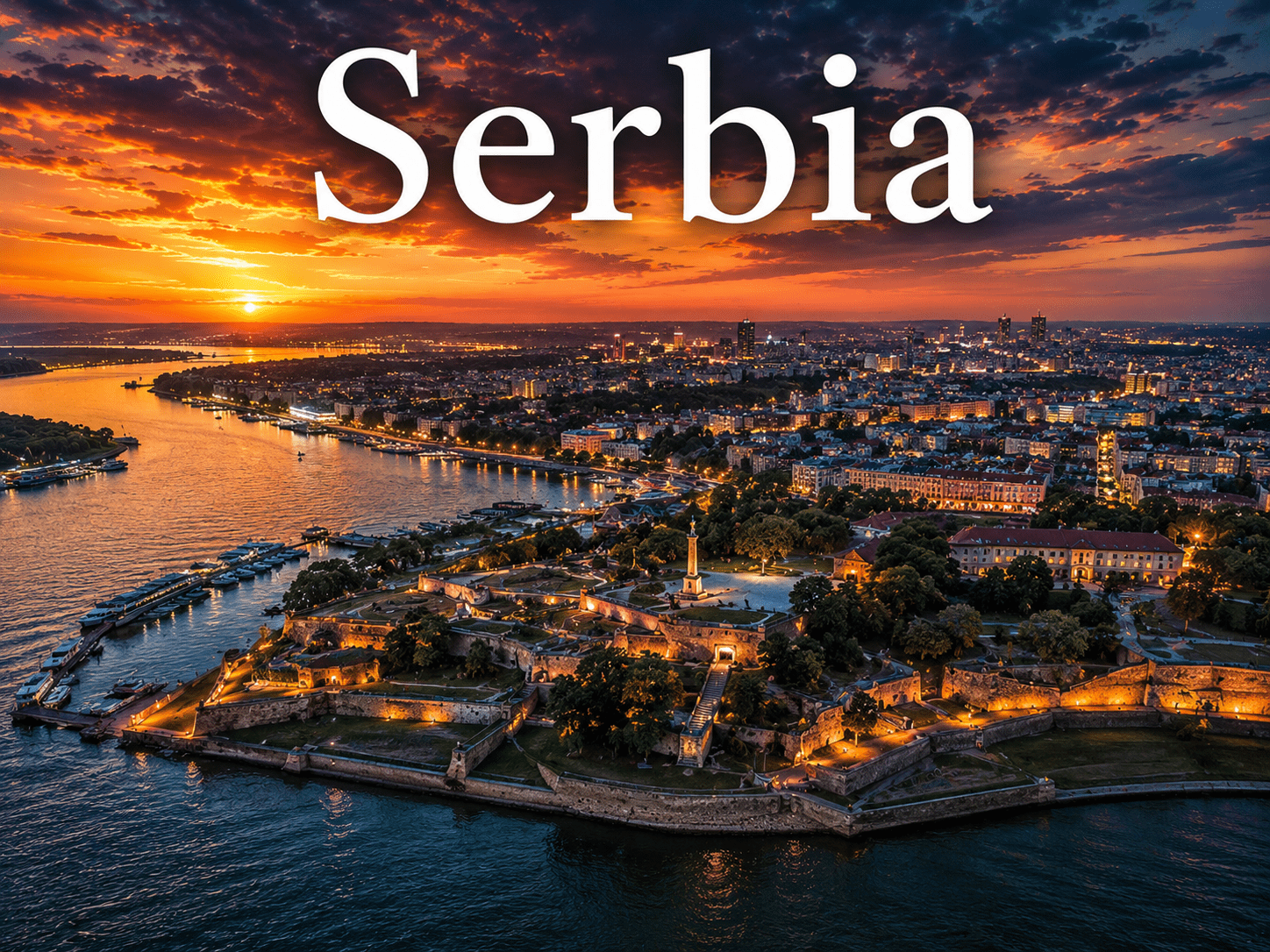
Introduction to Serbia
Serbia is one of the most fascinating countries in Southeast Europe, known for its rich history, energetic cities, medieval monasteries, mountain landscapes, and vibrant cultural traditions. Located in the heart of the Balkan Peninsula, Serbia connects Central Europe with Southeast Europe and has served as an important crossroads for civilizations for centuries.
Travelers visit Serbia to experience lively urban culture, historic fortresses, scenic rivers, delicious cuisine, and welcoming hospitality. From the bustling streets of Belgrade to peaceful mountain villages, the country offers a mix of historical depth and modern European energy.
The charm of Serbia comes from its diversity. Ottoman, Austro-Hungarian, Roman, and Slavic influences have shaped the architecture, traditions, and cultural identity of the nation. Music festivals, traditional cuisine, religious heritage, and natural beauty continue to attract tourists from around the world.
Modern Serbia is also becoming an increasingly popular destination for digital nomads, backpackers, food lovers, and cultural travelers looking for authentic experiences in Europe.
Historical Background of Serbia
Ancient History of Serbia
The territory of Serbia has been inhabited since prehistoric times. Archaeological discoveries show that ancient civilizations flourished in the region thousands of years ago.
One of the earliest known cultures in the area was the Vinča civilization, which developed advanced settlements near the Danube River. The region later became part of major empires and kingdoms throughout European history.
Important Historical Influences
- Roman Empire
- Byzantine Empire
- Medieval Serbian Kingdoms
- Ottoman Empire
- Austro-Hungarian Empire
The Romans built roads, military camps, and cities across what is now Serbia. Several Roman emperors were born in this region, including Constantine the Great.
Medieval Serbia
During the Middle Ages, Serbia emerged as a powerful kingdom and later became an empire under the rule of Stefan Dušan in the 14th century.
The medieval Serbian Empire expanded across much of the Balkans and became an important political and cultural force. Orthodox Christianity strongly influenced the identity of Serbia, leading to the construction of monasteries, churches, and religious centers that still exist today.
Many monasteries built during this period are now UNESCO World Heritage Sites and remain symbols of national heritage.
Ottoman Rule and Resistance
The Ottoman Empire conquered much of the Balkans, including Serbia, after the Battle of Kosovo in 1389. Ottoman rule lasted for several centuries and greatly influenced local culture, food, architecture, and society.
Despite foreign rule, the people of Serbia preserved their language, traditions, and religious identity. National uprisings during the 19th century eventually led to greater autonomy and independence from the Ottoman Empire.
Modern Serbia
The modern history of Serbia includes participation in both World Wars, the formation of Yugoslavia, and political changes following the breakup of Yugoslavia in the 1990s.
Today, Serbia is an independent republic working toward economic growth, infrastructure development, tourism expansion, and stronger European partnerships.
Belgrade has become one of Europe’s fastest-growing cultural and nightlife destinations, helping modern Serbia attract international attention.
Geography and Location of Serbia
Where Is Serbia Located?
Serbia is located in Southeast Europe in the central Balkan region. The country is landlocked and serves as an important transportation corridor connecting Eastern and Western Europe.
Geographic Coordinates
- Latitude: Approximately 44° North
- Longitude: Approximately 21° East
Neighboring Countries
Serbia shares borders with:
- Hungary
- Romania
- Bulgaria
- North Macedonia
- Croatia
- Bosnia and Herzegovina
- Montenegro
Its central location has made Serbia historically important for trade, migration, and cultural exchange.
Landscape and Natural Features
The geography of Serbia includes mountains, plains, rivers, forests, and valleys.
Major Natural Features
- Danube River
- Sava River
- Tara Mountains
- Kopaonik Mountains
- Fruška Gora
- Đerdap Gorge
Northern Serbia is mostly flat and fertile, while southern regions are mountainous and scenic.
The Danube River, one of Europe’s longest rivers, flows through Serbia and supports transportation, tourism, and agriculture.
Climate in Serbia
Serbia experiences a continental climate with four distinct seasons.
Spring
- Mild temperatures
- Blooming landscapes
- Popular for sightseeing
Summer
- Warm and sunny
- Ideal for festivals and outdoor activities
Autumn
- Cool weather
- Beautiful mountain scenery
Winter
- Snowfall in mountainous regions
- Popular for skiing and winter tourism
The changing seasons make Serbia attractive for year-round travel.
Culture and Traditions in Serbia
Serbian Hospitality
Hospitality is an important cultural value in Serbia. Guests are often welcomed warmly with homemade food, drinks, and conversation.
Family traditions remain strong throughout the country, especially in smaller towns and villages.
Religion in Serbia
The majority of people in Serbia follow Eastern Orthodox Christianity. The Serbian Orthodox Church has played a major role in preserving national identity throughout history.
Religious holidays and traditions remain important parts of daily life in Serbia.
Other religious communities include:
- Islam
- Catholic Christianity
- Protestant Christianity
Traditional Music and Dance
Music is deeply connected to the culture of Serbia. Traditional folk songs and dances are commonly performed during weddings, festivals, and celebrations.
Traditional Instruments
- Gusle
- Accordion
- Flute
- Tamburica
Folk dancing, especially the traditional “kolo,” remains popular across Serbia.
Modern music festivals also attract international visitors each year.
Cuisine of Serbia
The cuisine of Serbia reflects Balkan, Ottoman, and Central European influences.
Popular Foods in Serbia
Ćevapi
Grilled minced meat served with bread and onions.
Sarma
Cabbage rolls filled with meat and rice.
Pljeskavica
A large grilled meat patty often compared to a Balkan-style burger.
Ajvar
A flavorful pepper-based spread commonly served with bread and grilled dishes.
Meals in Serbia are often rich, hearty, and prepared using fresh local ingredients.
Languages Spoken in Serbia
Official Language
The official language of Serbia is Serbian.
The Serbian language uses both:
- Cyrillic script
- Latin script
English is commonly spoken in tourist areas and larger cities.
Minority Languages
Several minority languages are also spoken in Serbia, including:
- Hungarian
- Bosnian
- Slovak
- Romanian
- Croatian
This linguistic diversity reflects the multicultural history of the Balkan region.
Major Cities in Serbia
Belgrade – Capital of Serbia
Belgrade is the capital and largest city of Serbia. Located at the meeting point of the Danube and Sava rivers, Belgrade is one of Europe’s oldest continuously inhabited cities.
The city is famous for:
- Historic fortresses
- Nightlife
- Museums
- Riverfront cafes
- Music festivals
- Cultural events
Belgrade combines historical architecture with modern entertainment and urban development.
Novi Sad
Novi Sad is known as the cultural capital of Serbia. The city hosts the internationally famous EXIT music festival and is recognized for its relaxed atmosphere and beautiful architecture.
Niš
Niš is one of the oldest cities in Europe and an important historical center in Serbia. The city played a major role during Roman times and the Ottoman era.
Kragujevac
Kragujevac is an important industrial and educational city in Serbia. It has historical importance related to modern Serbian state development.
Tourism in Serbia
Why Visit Serbia?
Tourism in Serbia continues to grow because the country offers:
- Historic landmarks
- Mountain landscapes
- Vibrant nightlife
- River cruises
- Medieval monasteries
- Affordable travel experiences
Many travelers appreciate that Serbia provides authentic cultural experiences at lower costs compared to many Western European destinations.
Popular Tourist Attractions
Belgrade Fortress
A historic fortress overlooking the Danube and Sava rivers.
Kopaonik National Park
A major ski and mountain tourism destination.
Tara National Park
Known for forests, hiking trails, and scenic viewpoints.
Studenica Monastery
One of the most important Orthodox monasteries in Serbia.
Đerdap Gorge
A spectacular river gorge along the Danube River.
External DoFollow Links
- United Nations Serbia Profile: https://www.un.org/en/member-states/serbia
- UNESCO Serbia Heritage Sites: https://whc.unesco.org/en/statesparties/rs
- World Bank Serbia Overview: https://www.worldbank.org/en/country/serbia
Economy of Serbia
Overview of the Economy of Serbia
The economy of Serbia has developed significantly over the past two decades through industrial modernization, foreign investment, tourism growth, and infrastructure expansion. Today, Serbia is considered one of the emerging economies of Southeast Europe and serves as an important commercial bridge between Eastern and Western Europe.
The strategic geographic position of Serbia makes the country an important transportation and logistics center in the Balkan region. Trade routes, highways, railways, and river networks help support economic activities throughout the country.
Modern Serbia has diversified its economy through manufacturing, agriculture, technology, energy production, and service industries. Urban centers such as Belgrade and Novi Sad continue to attract international businesses and startup companies.
Currency Used in Serbia
The official currency of Serbia is the Serbian dinar.
Currency Facts
- Currency Name: Serbian Dinar
- Currency Code: RSD
- Central Bank: National Bank of Serbia
Although the country is not part of the Eurozone, euros are accepted in some tourism-related businesses and international hotels.
Major Industries in Serbia
Several industries contribute strongly to the economy of Serbia.
Manufacturing Industry
Manufacturing is one of the most important sectors in Serbia.
Main manufacturing products include:
- Automobiles
- Machinery
- Electronics
- Chemicals
- Textiles
- Food products
Industrial development continues to expand through international investment and export partnerships.
Agriculture
Agriculture remains highly important in Serbia, especially in fertile northern regions.
Major agricultural products include:
- Wheat
- Corn
- Sunflowers
- Fruits
- Vegetables
- Grapes
The country is particularly famous for raspberry production and fruit exports.
Information Technology
The technology sector in Serbia has grown rapidly in recent years. Belgrade and Novi Sad have become centers for software development, gaming companies, and digital startups.
Young professionals and strong engineering education systems support the growing tech industry in Serbia.
Energy and Mining
Mining and energy production also contribute to economic growth in Serbia.
Natural resources include:
- Coal
- Copper
- Gold
- Lithium
- Zinc
Energy projects and renewable energy investments continue to expand across the country.
Trade and International Business
Main Trade Partners of Serbia
Serbia maintains trade relationships with many countries in Europe and beyond.
Important Trade Partners
- Germany
- Italy
- China
- Russia
- Hungary
- Romania
Exports from Serbia include:
- Agricultural products
- Vehicles
- Machinery
- Electronics
- Metals
Imports include fuel, industrial equipment, consumer goods, and technology products.
Foreign Investment in Serbia
Foreign investment has increased steadily in Serbia due to:
- Competitive labor costs
- Strategic location
- Skilled workforce
- Infrastructure improvements
International companies continue to open factories and business centers throughout Serbia.
Tourism in Serbia
Growth of Tourism in Serbia
Tourism in Serbia has expanded rapidly thanks to cultural tourism, music festivals, nature tourism, and affordable travel costs.
Travelers choose Serbia for:
- Historic cities
- Mountain resorts
- River cruises
- Nightlife
- Food culture
- Festivals
The tourism industry supports hotels, restaurants, transportation, entertainment, and local businesses across the country.
Famous Tourist Attractions in Serbia
Belgrade Fortress
Belgrade Fortress is one of the most visited landmarks in Serbia. The fortress overlooks the meeting point of the Danube and Sava rivers and reflects centuries of military history.
Visitors enjoy:
- Historic walls
- Museums
- Scenic viewpoints
- Parks
- Cultural events
The fortress area is especially popular during sunset.
Kopaonik National Park
Kopaonik is the largest ski resort in Serbia and one of the country’s most popular mountain destinations.
Activities include:
- Skiing
- Snowboarding
- Hiking
- Mountain biking
- Nature photography
The park attracts visitors throughout both winter and summer seasons.
Tara National Park
Tara National Park is famous for forests, rivers, wildlife, and mountain scenery.
Nature lovers visit this area of Serbia for:
- Hiking trails
- Wildlife observation
- River viewpoints
- Eco-tourism activities
The park is also home to rare plant and animal species.
Novi Sad and Petrovaradin Fortress
Novi Sad is known for its relaxed atmosphere and cultural heritage. Petrovaradin Fortress overlooks the Danube River and hosts the world-famous EXIT music festival.
This festival has become one of the largest music events in Europe and greatly contributes to tourism in Serbia.
Đerdap Gorge
Đerdap Gorge, also called the Iron Gates, is one of the most spectacular natural attractions in Serbia.
The gorge features:
- Massive cliffs
- Danube River views
- Archaeological sites
- Scenic driving routes
River cruises through the area are especially popular among tourists.
Nature and Wildlife in Serbia
Natural Beauty of Serbia
The natural environment of Serbia includes mountains, forests, rivers, caves, and wetlands.
The country offers excellent opportunities for:
- Hiking
- Rafting
- Skiing
- Cycling
- Wildlife tourism
Protected landscapes help preserve biodiversity and natural ecosystems across Serbia.
National Parks in Serbia
Major National Parks
- Tara National Park
- Kopaonik National Park
- Đerdap National Park
- Fruška Gora National Park
These protected areas attract both local and international visitors seeking outdoor adventures.
Festivals and Nightlife in Serbia
Music Festivals
Music festivals are an important part of modern culture in Serbia.
Famous Festivals
- EXIT Festival
- Guča Trumpet Festival
- Belgrade Beer Fest
These events attract thousands of international visitors every year.
Nightlife in Belgrade
Belgrade is widely known for having one of Europe’s most energetic nightlife scenes.
Popular nightlife experiences include:
- River clubs
- Live music venues
- Rooftop bars
- Traditional restaurants
- Dance clubs
The nightlife industry has become a major tourism attraction in Serbia.
Transportation in Serbia
Air Transportation
Nikola Tesla Airport in Belgrade is the main international gateway to Serbia.
The airport connects the country with:
- Europe
- Middle East
- Asia
- North America
Regional airports also support domestic and international tourism.
Railway Network
Rail transportation in Serbia continues to modernize through infrastructure projects and international cooperation.
Train routes connect major cities and neighboring countries.
Road Transportation
Road travel is one of the easiest ways to explore Serbia.
Transportation options include:
- Buses
- Rental cars
- Taxis
- Highway travel
Highway systems continue to improve throughout the country.
Best Time to Visit Serbia
Spring Season
Spring is one of the best times to visit Serbia because temperatures are mild and landscapes become colorful and green.
Summer Season
Summer is ideal for:
- Festivals
- River cruises
- Outdoor cafes
- Mountain tourism
Warm weather makes summer one of the busiest tourism periods in Serbia.
Autumn Season
Autumn offers cooler temperatures and beautiful natural scenery, especially in mountain and forest regions.
Winter Season
Winter tourism in Serbia focuses mainly on ski resorts and mountain destinations like Kopaonik.
Snow-covered landscapes attract winter sports enthusiasts from across Europe.
Interesting Facts About Serbia
Unique Facts About Serbia
- Serbia is home to one of Europe’s oldest cities, Belgrade.
- Roman Emperor Constantine the Great was born in Niš.
- The country has a strong coffee culture.
- Rakija, a fruit brandy, is considered a traditional national drink.
- The EXIT Festival is internationally famous.
- The Danube River flows through much of Serbia.
- Traditional hospitality is deeply important in Serbian culture.
International Organizations and Global Relations
United Nations Membership
Serbia is a member of the United Nations and participates in international diplomacy, development programs, and regional cooperation initiatives.
Other International Memberships
Serbia is also connected with:
- United Nations
- Council of Europe
- Organization for Security and Co-operation in Europe
- International Monetary Fund
- World Bank
The country also continues discussions related to European Union integration.
Food and Culinary Experiences in Serbia
Traditional Cuisine of Serbia
The cuisine of Serbia is one of the highlights of traveling through the Balkans. Influenced by Ottoman, Central European, Mediterranean, and Slavic traditions, Serbian food is rich, flavorful, and deeply connected to family culture.
Meals in Serbia are often prepared using fresh ingredients, grilled meats, homemade bread, dairy products, and seasonal vegetables. Traditional cooking methods remain popular in both urban and rural regions.
Visitors exploring Serbia quickly discover that food is more than daily nourishment—it is an important social experience connected to hospitality and tradition.
Popular Dishes in Serbia
Ćevapi
Ćevapi are small grilled minced meat sausages served with flatbread, onions, and sauces. This dish is one of the most recognizable foods in Serbia and is commonly enjoyed in restaurants and street food stalls.
Sarma
Sarma consists of cabbage leaves stuffed with meat, rice, and spices. Families across Serbia often prepare this dish during holidays and celebrations.
Pljeskavica
Pljeskavica is a large grilled meat patty usually served in bread with toppings and sauces. It is one of the most popular fast-food dishes in Serbia.
Gibanica
Gibanica is a traditional pastry filled with cheese, eggs, and layers of dough. It is commonly eaten for breakfast or family gatherings.
Ajvar
Ajvar is a roasted red pepper spread widely used throughout Serbia. It is served alongside grilled meat, bread, and vegetable dishes.
Traditional Drinks in Serbia
Rakija
Rakija is a traditional fruit brandy and one of the most famous drinks in Serbia. Homemade rakija is commonly offered to guests as a symbol of hospitality.
Popular flavors include:
- Plum
- Apricot
- Pear
- Grape
Serbian Coffee Culture
Coffee culture is very important in Serbia. Cafes are central parts of social life, especially in Belgrade and Novi Sad.
People often spend hours enjoying conversations over coffee in restaurants, outdoor terraces, and riverside cafes.
Shopping in Serbia
Popular Shopping Destinations
Shopping in Serbia combines modern shopping centers with traditional local markets.
Visitors can explore:
- Fashion boutiques
- Handmade crafts
- Antique shops
- Farmers markets
- Modern malls
Belgrade is the main shopping center of Serbia, offering both luxury and affordable shopping experiences.
Souvenirs from Serbia
Popular souvenirs include:
- Handmade pottery
- Rakija bottles
- Traditional textiles
- Wooden crafts
- Orthodox religious art
- Local wines
These products reflect the cultural heritage and artistic traditions of Serbia.
Education System in Serbia
Development of Education
Education plays an important role in modern Serbia. The country has a long academic tradition and several respected universities.
Primary and secondary education are widely accessible, while universities continue attracting both domestic and international students.
Universities in Serbia
Major Universities
- University of Belgrade
- University of Novi Sad
- University of Niš
These institutions offer programs in:
- Engineering
- Medicine
- Technology
- Arts
- Business
- Sciences
Higher education development continues to support innovation and economic growth in Serbia.
Sports in Serbia
Football in Serbia
Football is the most popular sport in Serbia. Local clubs have passionate supporters, and the national team regularly participates in international competitions.
Young athletes throughout Serbia actively participate in football academies and local leagues.
Basketball Success
Basketball is another major sport in Serbia. Serbian players and coaches have achieved international recognition in European leagues and the NBA.
Basketball culture remains extremely strong across the country.
Tennis Achievements
Serbia gained worldwide sports recognition through the success of Novak Djokovic, one of the greatest tennis players in history.
His achievements inspired millions of young athletes and increased global attention toward Serbian sports.
Festivals and Cultural Events in Serbia
EXIT Festival
EXIT Festival is one of Europe’s largest music festivals and takes place every year in Novi Sad.
The event attracts international artists and thousands of visitors, helping strengthen tourism in Serbia.
Guča Trumpet Festival
The Guča Trumpet Festival celebrates traditional Balkan brass music and rural cultural traditions.
Visitors experience:
- Live performances
- Traditional food
- Folk dancing
- Cultural celebrations
The festival reflects the energetic spirit and musical traditions of Serbia.
Transportation and Travel Tips
Getting Around Serbia
Traveling across Serbia is relatively affordable and convenient.
Transportation Options
- Buses
- Trains
- Rental cars
- Domestic flights
- Taxis
Intercity buses are especially popular for long-distance travel.
Travel Costs in Serbia
Compared to many Western European countries, Serbia offers relatively affordable travel experiences.
Visitors can often find:
- Budget accommodations
- Affordable restaurants
- Low transportation costs
- Reasonably priced attractions
This affordability has helped increase tourism in Serbia among backpackers and international travelers.
Safety and Travel Advice
Is Serbia Safe for Tourists?
Serbia is generally considered safe for travelers. Major tourist areas are welcoming and accessible for international visitors.
Basic travel precautions include:
- Protecting valuables
- Using trusted transportation
- Following local regulations
- Staying informed about weather conditions
The hospitality culture of Serbia often makes visitors feel comfortable and welcome.
Health and Emergency Services
Healthcare services are available in major cities throughout Serbia.
Travelers should:
- Carry travel insurance
- Keep emergency contacts available
- Use bottled water in remote areas if needed
- Follow seasonal weather advice
Preparation helps ensure a smooth travel experience in Serbia.
Nature and Outdoor Activities in Serbia
Adventure Tourism
Adventure tourism continues to grow in Serbia due to the country’s mountains, rivers, forests, and national parks.
Popular activities include:
- Hiking
- Rafting
- Skiing
- Cycling
- Camping
- Fishing
Nature tourism supports local communities and eco-tourism development across Serbia.
River Tourism
The Danube and Sava rivers provide opportunities for:
- Boat cruises
- Waterfront dining
- River festivals
- Scenic sightseeing
River tourism is especially popular during summer in Serbia.
Why Serbia Is Unique
The Cultural Identity of Serbia
The uniqueness of Serbia comes from its combination of:
- Rich history
- Balkan traditions
- Orthodox heritage
- Energetic nightlife
- Natural beauty
- Warm hospitality
The country successfully blends ancient traditions with modern European culture.
Visitors often appreciate the authenticity of Serbia, where local traditions remain strong while cities continue modernizing rapidly.
Final Summary
Serbia is one of the most exciting destinations in Southeast Europe. The country offers a remarkable combination of history, culture, food, nightlife, mountains, rivers, and welcoming hospitality.
From medieval monasteries and Roman history to modern festivals and vibrant cities, Serbia provides diverse experiences for every traveler. Belgrade’s nightlife, Novi Sad’s festivals, mountain resorts, traditional cuisine, and scenic landscapes continue attracting tourists from around the world.
The growing economy, improving infrastructure, and expanding tourism industry are helping modern Serbia gain international recognition as a top Balkan travel destination.
Visitors can enjoy:
- Historical landmarks
- River cruises
- Mountain adventures
- Delicious cuisine
- Music festivals
- Traditional hospitality
- Affordable travel experiences
With its cultural richness and energetic atmosphere, Serbia remains one of Europe’s most underrated travel destinations.
Key Facts About Serbia
| Category | Information |
|---|---|
| Country Name | Serbia |
| Continent | Europe |
| Region | Balkans |
| Capital City | Belgrade |
| Official Language | Serbian |
| Currency | Serbian Dinar (RSD) |
| Population | Over 6 million |
| Major Religion | Eastern Orthodox Christianity |
| Climate | Continental |
| Main Rivers | Danube and Sava |
| Main Industries | Manufacturing, Agriculture, IT, Tourism |
| Famous Festival | EXIT Festival |
| Best Time to Visit | Spring and Summer |

