



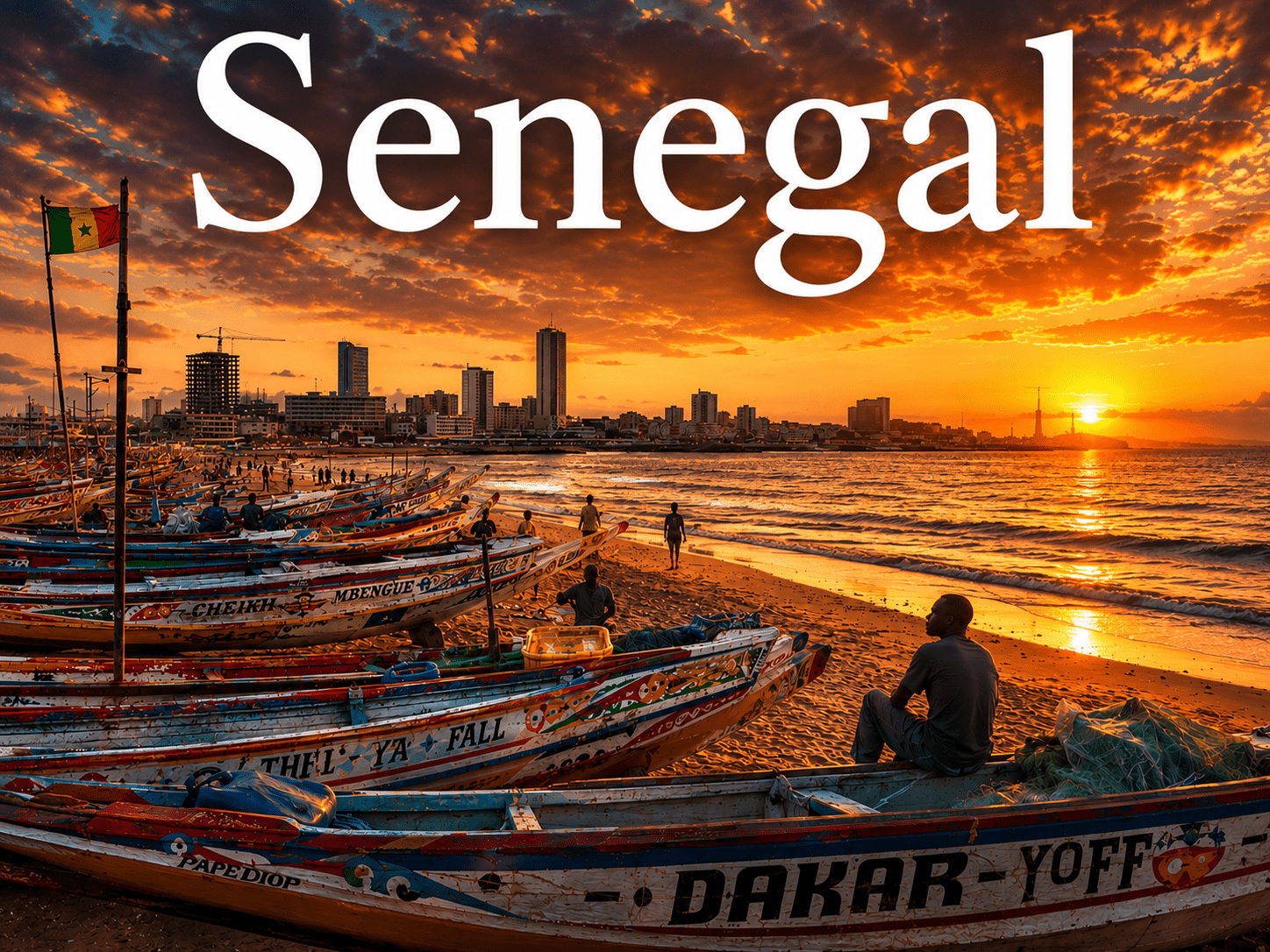
Introduction to Senegal
Senegal is one of the most fascinating countries in West Africa, known for its rich culture, friendly people, historical landmarks, colorful traditions, and Atlantic coastline. Positioned at the western edge of Africa, Senegal serves as an important cultural and economic gateway between Africa and the rest of the world. Travelers from across the globe visit Senegal to experience vibrant cities, traditional music, delicious cuisine, and breathtaking natural landscapes.
The reputation of Senegal is strongly connected to the idea of “Teranga,” a Wolof word that represents hospitality, generosity, and warmth. This spirit can be felt throughout the country, from the busy streets of Dakar to peaceful fishing villages along the coast. Whether someone is interested in history, wildlife, beaches, or African culture, Senegal offers an unforgettable experience.
Modern Senegal successfully combines traditional African heritage with contemporary development. The country is widely respected for political stability, artistic creativity, and strong democratic values. With growing tourism, improving infrastructure, and expanding international connections, Senegal continues to attract visitors, investors, and researchers alike.
Historical Background of Senegal
Ancient History of Senegal
The history of Senegal dates back thousands of years. Archaeological evidence suggests that ancient communities lived in the region long before recorded history. Early inhabitants practiced farming, fishing, hunting, and trade, helping establish settlements across the area.
Several powerful African empires influenced the territory that is now Senegal. These empires helped shape the region’s culture, economy, and political systems.
Major Historical Empires
- Ghana Empire
- Mali Empire
- Songhai Empire
- Jolof Empire
Among these, the Jolof Empire played a major role in the development of Senegal. It united various Wolof kingdoms and became one of the strongest political structures in West Africa during the medieval period.
Trade routes passing through Senegal connected West Africa to North Africa and the Middle East. Gold, salt, leather, textiles, and agricultural products moved through these trading networks for centuries.
European Arrival and Colonial Rule
European traders arrived along the coast of Senegal during the 15th century. Portuguese explorers were among the first Europeans to establish contact with local kingdoms. Later, French, Dutch, and British traders competed for influence in the region.
One of the darkest chapters in the history of Senegal involved the Atlantic slave trade. Gorée Island became an important center where enslaved Africans were transported across the Atlantic Ocean. Today, the island remains an important historical site and memorial to those affected by slavery.
France eventually gained control over most of Senegal during the 19th century. The territory became part of French West Africa, and French influence transformed administration, education, architecture, and trade systems.
Colonial cities developed rapidly during this period. Saint-Louis became a major political and economic center under French rule and played an important role in regional governance.
Independence of Senegal
Senegal achieved independence from France on April 4, 1960. The country’s first president was Léopold Sédar Senghor, a respected poet, philosopher, and political leader. Senghor promoted African culture and identity through the philosophy of “Negritude,” which celebrated African heritage and creativity.
Since independence, Senegal has maintained a reputation as one of the most politically stable nations in Africa. Peaceful democratic transitions and relatively stable governance have helped the country build strong international relationships and encourage economic development.
Today, Senegal continues to modernize while preserving its cultural traditions and historical identity.
Geography and Location of Senegal
Where Is Senegal Located?
Senegal is located in West Africa along the Atlantic Ocean. The country occupies the westernmost point of mainland Africa, making it strategically important for maritime trade and transportation.
Geographic Coordinates
- Latitude: Around 14° North
- Longitude: Around 14° West
Neighboring Countries
Senegal shares borders with:
- Mauritania to the north
- Mali to the east
- Guinea to the southeast
- Guinea-Bissau to the southwest
The country also surrounds The Gambia, a narrow nation stretching into the center of Senegal along the Gambia River.
Climate of Senegal
The climate in Senegal is generally tropical and warm throughout the year. The country experiences two major seasons.
Dry Season
- November to May
- Cooler temperatures
- Less humidity
- Best season for tourism
Rainy Season
- June to October
- Higher rainfall
- Greener landscapes
- Increased humidity
The northern parts of Senegal are more influenced by the Sahel region and tend to be drier, while southern areas receive more rainfall and support richer vegetation.
Natural Landscapes of Senegal
The landscapes of Senegal are diverse and beautiful. Visitors can experience:
- Sandy Atlantic beaches
- Savannah plains
- Mangrove forests
- River valleys
- Wetlands
- Semi-arid Sahel terrain
The Senegal River is one of the country’s most important waterways and supports agriculture, transportation, and fishing communities.
Coastal regions are especially popular for tourism due to their beaches, fishing culture, and ocean views.
Culture and Traditions in Senegal
The Meaning of Teranga
One of the defining characteristics of Senegal is the national spirit of hospitality known as “Teranga.” This cultural value represents kindness, respect, generosity, and welcoming behavior toward guests.
Visitors to Senegal often describe the local people as warm and friendly. Community relationships and family connections are highly valued throughout society.
Ethnic Diversity in Senegal
Senegal is home to several ethnic groups that contribute to the country’s cultural richness.
Major Ethnic Groups
- Wolof
- Fulani
- Serer
- Jola
- Mandinka
- Toucouleur
The Wolof ethnic group forms the largest population group in Senegal, and the Wolof language is widely spoken across urban and rural areas.
Religion in Senegal
Religion plays an important role in everyday life throughout Senegal.
Main Religions
- Islam
- Christianity
- Traditional African beliefs
The majority of people in Senegal practice Islam, particularly through Sufi brotherhoods such as the Mouride and Tijaniyya orders. These religious communities strongly influence culture, education, and social traditions.
Religious tolerance is highly respected in Senegal, where Muslims and Christians often celebrate major festivals together peacefully.
Traditional Music and Dance
Music is deeply connected to the cultural identity of Senegal. Traditional drumming, singing, storytelling, and dance performances remain central to ceremonies and celebrations.
One of the country’s most famous music styles is “mbalax,” which blends traditional African rhythms with modern instruments.
Traditional Musical Instruments
- Sabar drums
- Kora
- Balafon
The international success of Senegalese artists has helped introduce the culture of Senegal to audiences around the world.
Cuisine of Senegal
The food culture of Senegal reflects a combination of African, French, and coastal influences.
Popular Foods in Senegal
Thieboudienne
A traditional dish made with fish, rice, vegetables, and spices. It is often considered the national dish of Senegal.
Yassa
Prepared with chicken or fish, onions, mustard, and lemon sauce.
Mafé
A rich peanut-based stew served with rice or bread.
Seafood is especially important in coastal regions of Senegal, where fishing communities provide fresh fish and shellfish daily.
Languages Spoken in Senegal
Official Language of Senegal
The official language of Senegal is French. French is used in government institutions, schools, business environments, and media communication.
National Languages
Although French is official, many local languages are spoken throughout Senegal.
Commonly Spoken Languages
- Wolof
- Pulaar
- Serer
- Jola
- Mandinka
Wolof is the most widely spoken language and serves as a common communication language in many urban areas.
Major Cities in Senegal
Dakar – Capital of Senegal
Dakar is the capital and largest city of Senegal. Located on the Cape Verde Peninsula along the Atlantic coast, Dakar serves as the country’s political, cultural, and economic center.
The city is known for:
- Vibrant nightlife
- Music and arts
- Markets
- Museums
- Beaches
- Modern business districts
Dakar also acts as an important transportation hub connecting Senegal to international destinations.
Saint-Louis
Saint-Louis is one of the oldest colonial cities in West Africa and remains an important historical destination in Senegal. The city is famous for its colonial architecture, bridges, and cultural festivals.
Touba
Touba is one of the most important religious cities in Senegal. It serves as the spiritual center of the Mouride Brotherhood and attracts millions of pilgrims every year.
Thiès
Thiès is an important industrial and transportation center in Senegal. The city plays a major role in railway services, trade, and education.
Internal Links
- Read also: Argentina travel guide
- Explore more: Barbados tourism guide
External DoFollow Links
World Bank Senegal Data: https://www.worldbank.org/en/country/senegal
United Nations Senegal Profile: https://www.un.org/en/member-states/senegal
UNESCO Heritage Sites: https://whc.unesco.org/en/statesparties/sn
Economy of Senegal
Overview of the Economy of Senegal
The economy of Senegal is considered one of the most stable and steadily growing economies in West Africa. Over the past several decades, Senegal has expanded important sectors such as agriculture, mining, fishing, tourism, telecommunications, and infrastructure development. Government reforms and international investments have also contributed to economic modernization across the country.
The strategic location of Senegal on the Atlantic coast makes it an important regional center for trade and transportation. Ports, highways, and airport projects continue to strengthen the role of Senegal as a gateway between Africa, Europe, and the Americas.
The economy of Senegal combines traditional industries with emerging modern sectors. While agriculture remains important for employment, urban industries and services continue to grow rapidly, especially around Dakar.
Currency Used in Senegal
The official currency of Senegal is the West African CFA franc, commonly abbreviated as XOF.
Currency Facts
- Currency Name: West African CFA Franc
- Currency Code: XOF
- Shared With: Several West African countries
- Central Banking System: BCEAO (Central Bank of West African States)
The shared currency system helps maintain regional economic cooperation and financial stability within West Africa.
Major Industries in Senegal
Several industries play a major role in the economic growth of Senegal.
Agriculture
Agriculture remains one of the largest employment sectors in Senegal. Farmers produce crops such as:
- Peanuts
- Millet
- Rice
- Corn
- Cotton
- Sugarcane
Peanut production has historically been one of the most important agricultural activities in Senegal.
Fishing Industry
The fishing sector is another essential part of the economy of Senegal. Coastal waters provide abundant fish resources that support local communities and export markets.
Seafood products from Senegal are exported to Europe and other international markets. Fishing communities along the Atlantic coast continue to play an important role in local culture and employment.
Mining and Natural Resources
Mining activities are expanding in Senegal, especially in the extraction of:
- Phosphates
- Gold
- Zircon
- Limestone
Recent offshore oil and natural gas discoveries have also increased international attention toward the energy sector of Senegal.
Tourism
Tourism contributes significantly to the economy of Senegal. International travelers visit the country for:
- Beaches
- Wildlife parks
- Historical sites
- Music festivals
- Cultural experiences
The tourism industry supports hotels, transportation services, restaurants, local crafts, and tour operators across Senegal.
Main Trade Partners of Senegal
Senegal maintains trade relationships with countries across Africa, Europe, Asia, and the Americas.
Important Trade Partners
- France
- China
- India
- Nigeria
- Mali
- Spain
Exports from Senegal include fish products, phosphates, peanuts, gold, and petroleum-related resources.
Imports include machinery, vehicles, fuel products, electronics, and manufactured goods.
Tourism in Senegal
Why Visit Senegal?
Tourism in Senegal continues to grow because the country offers a combination of history, culture, wildlife, beaches, music, and adventure. Visitors can explore lively cities, peaceful islands, nature reserves, and UNESCO heritage sites within a single journey.
The hospitality culture of Senegal makes travelers feel welcome and comfortable throughout their visit.
Top Tourist Attractions in Senegal
Gorée Island
Gorée Island is one of the most famous historical destinations in Senegal. Located near Dakar, the island is known for its connection to the Atlantic slave trade.
The House of Slaves museum serves as a memorial honoring millions of Africans affected by slavery. Today, Gorée Island attracts historians, students, and tourists from around the world.
The island’s colorful colonial buildings and quiet streets create a powerful atmosphere that reflects both beauty and historical tragedy.
Lake Retba (Pink Lake)
Lake Retba, also known as the Pink Lake, is one of the most unique natural attractions in Senegal. The lake became famous because of its pink-colored water caused by algae and high salt concentration.
Visitors often enjoy:
- Boat rides
- Salt harvesting tours
- Photography
- Cultural experiences with local workers
The lake is located close to Dakar and remains one of the most photographed places in Senegal.
Djoudj National Bird Sanctuary
Djoudj National Bird Sanctuary is one of the most important bird reserves in the world. Located in northern Senegal, the sanctuary hosts millions of migratory birds annually.
Bird species found here include:
- Pelicans
- Flamingos
- Herons
- Cormorants
Nature lovers and wildlife photographers frequently visit this protected area during migration seasons.
Niokolo-Koba National Park
Niokolo-Koba National Park is one of the largest wildlife reserves in West Africa. The park protects diverse ecosystems and endangered animal species.
Wildlife found in the park includes:
- Lions
- Leopards
- Elephants
- Hippos
- Antelopes
- Monkeys
The park is recognized internationally for biodiversity conservation in Senegal.
Dakar Attractions
Dakar offers some of the best urban attractions in Senegal.
Popular Places in Dakar
- African Renaissance Monument
- IFAN Museum of African Arts
- Local markets
- Corniche coastal road
- Art galleries
- Music clubs
Dakar also hosts international cultural festivals and sporting events throughout the year.
Wildlife and Nature in Senegal
Biodiversity of Senegal
The natural environment of Senegal includes coastal ecosystems, wetlands, savannahs, forests, and river habitats. These landscapes support rich biodiversity and attract ecotourism activities.
Birdwatching is especially popular in Senegal because the country lies on important migratory routes between Europe and Africa.
Protected Areas in Senegal
Several protected national parks and reserves preserve the wildlife of Senegal.
Important Protected Areas
- Niokolo-Koba National Park
- Djoudj National Bird Sanctuary
- Saloum Delta National Park
- Langue de Barbarie National Park
Conservation programs help protect endangered species and fragile ecosystems across Senegal.
Transportation in Senegal
Air Travel
Air transportation in Senegal is centered around Blaise Diagne International Airport near Dakar. The airport connects the country to destinations across Africa, Europe, and the Middle East.
Several international airlines operate regular flights to Senegal.
Road Transportation
Road networks continue to improve throughout Senegal, especially between major cities.
Common transportation options include:
- Buses
- Shared taxis
- Private cars
- Minibuses
Urban transportation in Dakar can become busy during peak hours, but public transport remains widely available.
Rail Development
Railway modernization projects are helping improve transportation infrastructure in Senegal. New train systems are supporting urban mobility and economic growth.
Best Time to Visit Senegal
Ideal Travel Season
The best time to visit Senegal is during the dry season from November to May.
Benefits of Visiting During Dry Season
- Comfortable temperatures
- Lower humidity
- Better wildlife viewing
- Easier transportation
- Ideal beach weather
This period is especially popular for tourism activities, safaris, and cultural exploration.
Rainy Season Travel
The rainy season in Senegal occurs between June and October.
During this time:
- Landscapes become greener
- Temperatures increase
- Humidity rises
- Some rural roads become difficult to access
However, nature lovers may enjoy the lush scenery and birdlife during this season.
Unique and Interesting Facts About Senegal
Fascinating Facts About Senegal
- Senegal is one of the most politically stable countries in Africa.
- Dakar once served as the finish point of the famous Paris-Dakar Rally.
- The Statue of African Renaissance is one of the tallest monuments in Africa.
- Wrestling is one of the most popular traditional sports in Senegal.
- The country is globally known for mbalax music and drumming traditions.
- Lake Retba became internationally famous for its naturally pink water.
- Hospitality and “Teranga” are deeply important cultural values in Senegal.
International Organizations and Global Memberships
United Nations Membership
Senegal became a member of the United Nations shortly after gaining independence in 1960.
The country actively participates in:
- Peacekeeping missions
- Climate discussions
- Regional diplomacy
- International development programs
Other International Organizations
Senegal is also a member of:
- African Union
- ECOWAS
- Organization of Islamic Cooperation
- World Trade Organization
- International Monetary Fund
- World Bank
International partnerships continue to support economic and infrastructure development in Senegal.
Festivals and Celebrations in Senegal
Cultural Festivals in Senegal
Festivals are an important part of life in Senegal, reflecting the country’s music, religion, traditions, and artistic heritage. Throughout the year, communities organize colorful celebrations filled with dancing, drumming, storytelling, and local food.
The festival atmosphere in Senegal attracts visitors from across the world who want to experience authentic West African culture.
Dakar Biennale
The Dakar Biennale, also known as Dak’Art, is one of the most important contemporary African art festivals in the world. Artists, photographers, sculptors, and designers from many countries gather in Dakar to showcase their work.
The event strengthens the reputation of Senegal as a major cultural center in Africa.
Grand Magal of Touba
The Grand Magal is one of the largest religious pilgrimages in West Africa. Millions of Mouride Muslims travel to Touba every year to honor Sheikh Ahmadou Bamba, the founder of the Mouride Brotherhood.
During this important event, Senegal experiences large gatherings, religious ceremonies, prayers, and charitable activities.
Saint-Louis Jazz Festival
The Saint-Louis Jazz Festival is internationally recognized for bringing together African and international musicians. Jazz lovers visit Senegal to enjoy performances in the historic colonial city of Saint-Louis.
The festival highlights the strong musical identity of Senegal and its global artistic influence.
Traditional Arts and Crafts in Senegal
Handicrafts and Local Markets
Traditional craftsmanship remains an important cultural and economic activity in Senegal. Local artisans create handmade products using techniques passed down through generations.
Popular handicrafts include:
- Wood carvings
- Leather goods
- Jewelry
- Traditional fabrics
- Pottery
- Paintings
Markets across Senegal are filled with colorful handmade products that reflect the creativity of local communities.
Textile and Fashion Culture
Fashion plays an important role in the identity of Senegal. Traditional clothing is often made from brightly colored fabrics with detailed embroidery.
Common traditional outfits include:
- Boubou robes
- Kaftans
- Head wraps
Modern fashion designers in Senegal are also gaining international recognition by blending African traditions with contemporary styles.
Food Experiences in Senegal
Street Food in Senegal
Street food is a major part of everyday life in Senegal. Markets and roadside stalls offer affordable and flavorful local meals.
Popular street foods include:
- Grilled fish
- Fried pastries
- Roasted peanuts
- Sandwiches with spicy fillings
- Fresh tropical fruits
The food culture of Senegal reflects strong community traditions where families and friends often share meals together.
Seafood Cuisine
Because of its Atlantic coastline, seafood is extremely important in Senegal. Coastal communities depend heavily on fishing for employment and food production.
Popular seafood dishes include:
- Grilled fish with rice
- Shrimp stews
- Fried seafood platters
- Spiced fish dishes
Fresh ingredients and aromatic spices make Senegalese cuisine unique and memorable.
Education System in Senegal
Development of Education in Senegal
Education continues to expand across Senegal through government programs and international partnerships. Schools, universities, and vocational institutions are helping improve literacy and workforce skills.
French is the primary language used in formal education throughout Senegal, although local languages are also widely spoken in communities.
Universities in Senegal
Several universities and higher education institutions operate in Senegal, especially in Dakar.
Major areas of study include:
- Engineering
- Medicine
- Business
- Agriculture
- Technology
- Arts and humanities
Educational reforms continue to support modernization and youth development in Senegal.
Shopping in Senegal
Popular Markets in Senegal
Shopping in Senegal offers visitors a chance to experience local culture and traditional craftsmanship.
Popular Items to Buy
- Handmade jewelry
- African textiles
- Wooden masks
- Leather bags
- Paintings
- Musical instruments
Markets in Dakar are especially popular for souvenirs and local products.
Bargaining Culture
Negotiation is common in many markets across Senegal. Visitors are often expected to bargain respectfully when purchasing handicrafts or souvenirs.
This practice is considered part of the shopping experience and local business culture.
Safety and Travel Tips for Senegal
Is Senegal Safe for Tourists?
Senegal is generally considered one of the safer travel destinations in West Africa. The country has a stable political environment and a welcoming tourism culture.
However, travelers should still follow normal precautions such as:
- Avoid displaying valuables openly
- Use trusted transportation services
- Stay informed about local travel advice
- Keep copies of important documents
Tourist areas in Senegal are usually friendly and accessible for international visitors.
Health Tips for Travelers
Visitors to Senegal should prepare for tropical weather conditions.
Important travel recommendations include:
- Drink bottled or filtered water
- Use sunscreen regularly
- Carry mosquito protection
- Follow vaccination recommendations
- Purchase travel insurance
Consulting a healthcare professional before traveling to Senegal is always advisable.
Transportation Tips in Senegal
Getting Around Senegal
Traveling within Senegal can be done through several transportation options.
Common Transport Choices
- Shared taxis
- Private taxis
- Intercity buses
- Rental cars
- Domestic flights
Dakar also has growing public transportation systems that support daily commuting.
Traveling Between Cities
Road travel is one of the most common ways to explore Senegal. Major highways connect important cities and tourist destinations.
Travelers visiting remote regions should plan transportation carefully, especially during the rainy season.
Best Beaches in Senegal
Coastal Destinations
The Atlantic coastline is one of the biggest tourism attractions in Senegal.
Popular Beach Areas
- Saly
- Cap Skirring
- Yoff Beach
- Ngor Island
These coastal destinations attract visitors interested in:
- Relaxation
- Surfing
- Fishing
- Swimming
- Beach resorts
Beach tourism continues to support local economies throughout Senegal.
Sports in Senegal
Football in Senegal
Football is the most popular sport in Senegal. The national team has achieved major success in African and international competitions.
Young athletes across Senegal dream of becoming professional football players, and local matches attract passionate supporters.
Traditional Wrestling
Traditional wrestling is another highly respected sport in Senegal. Wrestling events combine athletic competition with music, dance, and traditional ceremonies.
Large wrestling matches often attract huge audiences and media attention.
Why Senegal Is Unique
The Global Importance of Senegal
Senegal stands out as a country that combines history, cultural richness, democratic stability, artistic creativity, and natural beauty. Few destinations in Africa offer such a balanced combination of beaches, wildlife, music, history, and modern urban life.
The welcoming spirit of the people makes Senegal especially memorable for visitors. Whether exploring historical islands, attending festivals, tasting local food, or enjoying traditional music, travelers often leave with a deep appreciation for the culture and identity of Senegal.
Final Summary
Senegal is one of the most culturally vibrant and historically important countries in West Africa. From the lively capital city of Dakar to peaceful coastal villages and wildlife reserves, the country offers experiences for every type of traveler.
The rich history of Senegal, including its role in ancient African empires and the Atlantic slave trade, gives the nation deep historical significance. At the same time, modern economic growth, tourism development, and international partnerships continue to shape the future of Senegal.
Visitors can enjoy:
- Historical landmarks
- Beaches and coastal resorts
- National parks
- Traditional music
- Religious festivals
- Delicious cuisine
- Friendly hospitality
With political stability, cultural diversity, and expanding tourism infrastructure, Senegal remains one of the top travel destinations in Africa.
Key Facts About Senegal
| Category | Information |
|---|---|
| Country Name | Senegal |
| Continent | Africa |
| Region | West Africa |
| Capital City | Dakar |
| Official Language | French |
| Common Languages | Wolof, Pulaar, Serer, Mandinka |
| Currency | West African CFA Franc (XOF) |
| Population | Over 18 million |
| Major Religion | Islam |
| Independence Day | April 4, 1960 |
| Main Industries | Agriculture, Fishing, Mining, Tourism |
| Famous Attraction | Gorée Island |
| Climate | Tropical |
| Best Time to Visit | November to May |

