



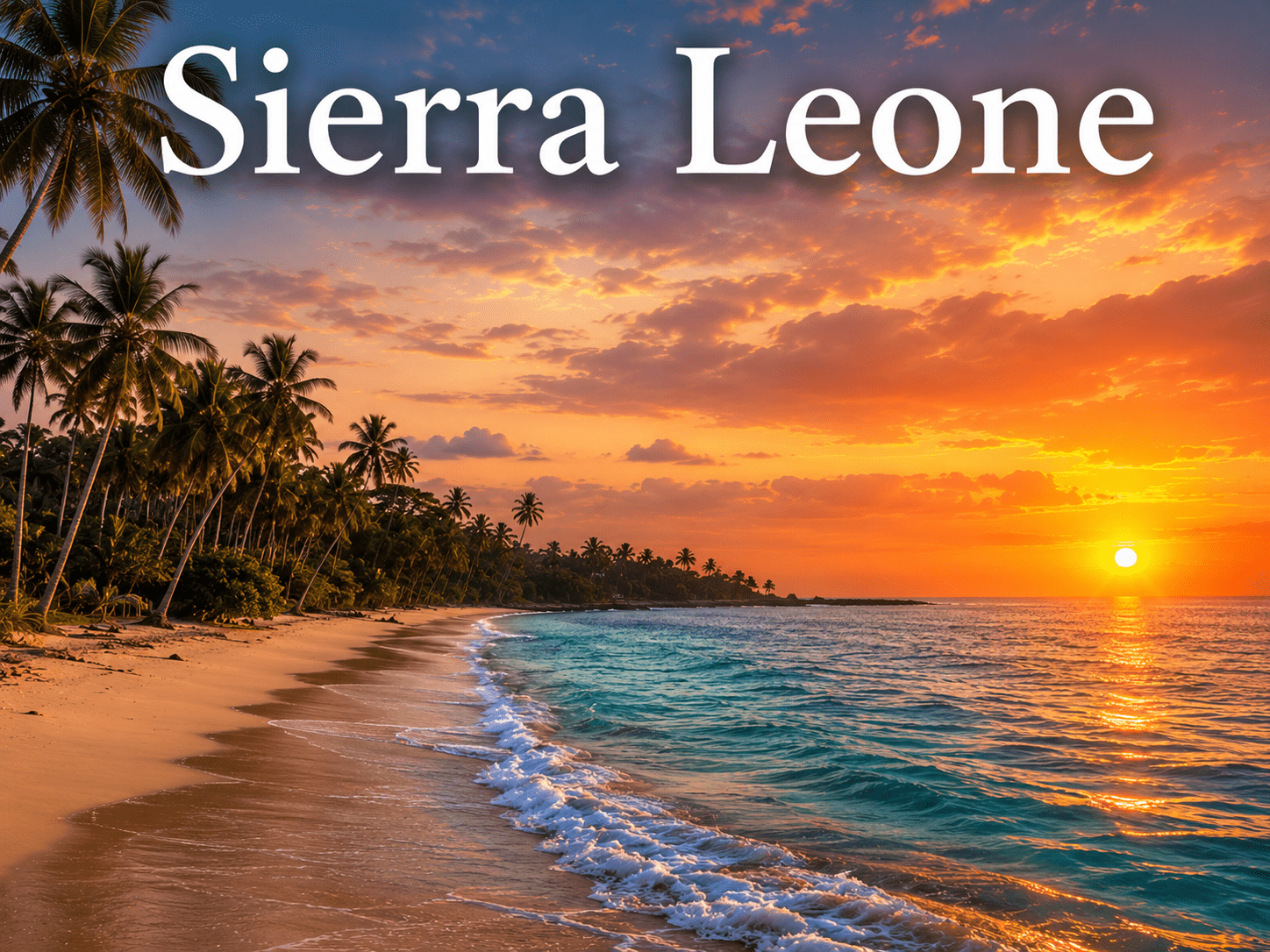
Introduction to Sierra Leone
Sierra Leone is a beautiful West African country known for its Atlantic coastline, tropical beaches, rich cultural heritage, wildlife, and resilient history. Located on the southwestern coast of Africa, Sierra Leone offers travelers a combination of natural beauty, vibrant traditions, and warm hospitality.
The country attracts visitors interested in eco-tourism, history, cultural experiences, and coastal adventures. From the lively capital city of Freetown to remote rainforest reserves and peaceful island communities, Sierra Leone provides diverse travel opportunities.
Modern Sierra Leone continues rebuilding and growing through tourism, infrastructure development, environmental conservation, and international cooperation. Travelers increasingly recognize the country as one of Africa’s emerging tourism destinations.
The cultural diversity and friendly communities of Sierra Leone make it especially appealing for visitors seeking authentic experiences beyond traditional tourist routes.
Historical Background of Sierra Leone
Early History of Sierra Leone
The history of Sierra Leone dates back thousands of years, with indigenous communities living in the region long before European contact.
Different ethnic groups developed agricultural systems, trade networks, and traditional kingdoms throughout the territory that is now Sierra Leone.
The coastal location made the region important for maritime trade and cultural exchange in West Africa.
European Arrival and Colonial Influence
Portuguese explorers arrived along the coast during the 15th century. The mountainous coastline inspired the name Sierra Leone, which means “Lion Mountains.”
During the colonial era, the region became connected to the Atlantic slave trade. European traders established trading posts along the coast, and many local communities suffered from the effects of slavery and colonial exploitation.
Freetown and Freed Slaves
One of the most important chapters in the history of Sierra Leone was the establishment of Freetown as a settlement for freed African slaves.
Formerly enslaved Africans from:
- Britain
- North America
- The Caribbean
were resettled in the region during the late 18th century.
This history strongly shaped the cultural identity of Sierra Leone, especially through the development of the Krio community and Creole traditions.
Independence of Sierra Leone
Sierra Leone gained independence from Britain on April 27, 1961.
After independence, the country experienced political changes, economic challenges, and periods of instability. A civil war lasting from 1991 to 2002 had a major impact on the nation and its people.
Since the end of the conflict, Sierra Leone has focused on peacebuilding, reconstruction, democratic development, and economic recovery.
Geography and Location of Sierra Leone
Where Is Sierra Leone Located?
Sierra Leone is located on the western coast of Africa along the Atlantic Ocean.
Geographic Coordinates
- Latitude: Approximately 8° North
- Longitude: Approximately 11° West
Neighboring Countries
Sierra Leone shares borders with:
- Guinea
- Liberia
The Atlantic Ocean forms the country’s western coastline.
The strategic coastal location has historically influenced trade, transportation, and cultural interactions in Sierra Leone.
Landscape and Natural Features
The geography of Sierra Leone includes:
- Tropical beaches
- Rainforests
- Mountains
- Rivers
- Wetlands
- Coastal islands
The country’s landscapes support rich biodiversity and eco-tourism opportunities.
Climate of Sierra Leone
Sierra Leone has a tropical climate with two primary seasons.
Dry Season
- November to April
- Lower humidity
- Popular for tourism
Rainy Season
- May to October
- Heavy tropical rainfall
- Lush green landscapes
The climate supports agriculture, forests, and wildlife throughout Sierra Leone.
Culture and Traditions in Sierra Leone
Ethnic Diversity in Sierra Leone
The culture of Sierra Leone reflects the traditions of many ethnic communities.
Major ethnic groups include:
- Temne
- Mende
- Limba
- Krio
- Loko
- Fula
This diversity contributes to the vibrant cultural identity of Sierra Leone.
Religion in Sierra Leone
Religion plays an important role in daily life throughout Sierra Leone.
The population includes:
- Muslims
- Christians
- Traditional belief systems
Religious tolerance and peaceful coexistence are widely respected in Sierra Leone.
Music and Dance in Sierra Leone
Music is deeply connected to social life and cultural celebrations in Sierra Leone.
Traditional music includes:
- Drumming
- Folk songs
- Dance performances
Modern genres influenced by Afrobeat, reggae, and hip-hop are also popular among younger generations.
Festivals and ceremonies across Sierra Leone often feature colorful musical performances and dancing.
Cuisine of Sierra Leone
Traditional Food in Sierra Leone
The cuisine of Sierra Leone combines African flavors with coastal influences.
Meals often include:
- Rice
- Fish
- Cassava
- Vegetables
- Palm oil
- Spices
Rice is considered a staple food throughout Sierra Leone.
Popular Dishes
Cassava Leaf Stew
Cassava leaf stew is one of the most famous dishes in Sierra Leone, prepared with leafy vegetables, palm oil, meat, or fish.
Jollof Rice
Jollof rice is widely enjoyed across West Africa and remains very popular in Sierra Leone.
Grilled Seafood
Fresh seafood is commonly available along the Atlantic coastline of Sierra Leone.
Fish, shrimp, crab, and lobster are often served with spicy sauces and rice dishes.
Languages Spoken in Sierra Leone
Official Language
The official language of Sierra Leone is English.
English is used in:
- Government
- Education
- Media
- Business
Krio Language
Krio is the most widely spoken language in Sierra Leone and serves as a common language connecting different ethnic groups.
The language developed from English and African linguistic influences.
Local Languages
Several indigenous languages are also spoken throughout Sierra Leone, including:
- Temne
- Mende
- Limba
- Fula
This linguistic diversity reflects the multicultural identity of the country.
Major Cities in Sierra Leone
Freetown – Capital of Sierra Leone
Freetown is the capital and largest city of Sierra Leone. Located along the Atlantic coast, Freetown is the political, cultural, and economic center of the country.
The city is known for:
- Beaches
- Historic landmarks
- Markets
- Harbor views
- Cultural diversity
Freetown also has historical importance connected to freed slaves and anti-slavery movements.
Bo
Bo is one of the largest cities in Sierra Leone and an important educational and commercial center.
Kenema
Kenema is located in the eastern region of Sierra Leone and is known for agriculture and diamond mining activities.
Makeni
Makeni is an important northern city in Sierra Leone with growing economic and educational development.
Tourism in Sierra Leone
Why Visit Sierra Leone?
Tourism in Sierra Leone is growing because of:
- Tropical beaches
- Wildlife reserves
- Cultural experiences
- Historical sites
- Eco-tourism
- Adventure travel
Travelers increasingly visit Sierra Leone to explore less-crowded destinations and authentic African culture.
Popular Tourist Attractions
River Number Two Beach
One of the most beautiful beaches in Sierra Leone, famous for white sand and turquoise water.
Tacugama Chimpanzee Sanctuary
A wildlife conservation center protecting rescued chimpanzees.
Bunce Island
A historic island connected to the Atlantic slave trade.
Tiwai Island Wildlife Sanctuary
Known for rainforest biodiversity and rare wildlife species.
Internal Links
- Read also: Argentina travel guide
- Explore more: Barbados tourism guide
External DoFollow Links
World Bank Sierra Leone Overview: https://www.worldbank.org/en/country/sierraleone
United Nations Sierra Leone Profile: https://www.un.org/en/member-states/sierra-leone
UNESCO Sierra Leone Information: https://whc.unesco.org
Economy of Sierra Leone
Overview of the Economy of Sierra Leone
The economy of Sierra Leone is based on natural resources, agriculture, fishing, trade, and growing tourism activities. Over the years, Sierra Leone has worked toward rebuilding infrastructure, expanding investment opportunities, and improving economic stability following periods of conflict and health crises.
The country possesses valuable natural resources and fertile agricultural land that support economic growth. Development programs and international partnerships continue helping modern Sierra Leone improve transportation, education, healthcare, and business sectors.
The strategic Atlantic coastline also supports maritime trade and fishing industries throughout Sierra Leone.
Currency Used in Sierra Leone
The official currency of Sierra Leone is the Sierra Leonean leone.
Currency Facts
- Currency Name: Leone
- Currency Code: SLE
- Central Bank: Bank of Sierra Leone
Cash transactions remain common across many regions of Sierra Leone, although digital banking services continue expanding.
Main Industries in Sierra Leone
Mining Industry
Mining is one of the most important sectors of the economy of Sierra Leone.
Natural resources include:
- Diamonds
- Gold
- Bauxite
- Rutile
- Iron ore
Diamond mining is especially famous internationally and has historically shaped the economy of Sierra Leone.
Agriculture
Agriculture supports a large portion of the population in Sierra Leone.
Major agricultural products include:
- Rice
- Cassava
- Cocoa
- Coffee
- Palm oil
- Peanuts
Farming remains essential for food production and rural employment in Sierra Leone.
Fishing Industry
The Atlantic Ocean provides important fishing opportunities for Sierra Leone.
Fishing supports:
- Local food supplies
- Employment
- Seafood exports
Coastal communities throughout Sierra Leone depend heavily on fishing for daily livelihoods.
Tourism Industry
Tourism in Sierra Leone continues growing because of:
- Beaches
- Wildlife tourism
- Historical attractions
- Eco-tourism
- Cultural experiences
The tourism sector contributes to hotels, transportation, restaurants, and local businesses.
Trade and International Business
Main Trade Partners of Sierra Leone
Sierra Leone trades with countries in Africa, Europe, Asia, and the Middle East.
Important Trade Partners
- China
- United States
- European Union countries
- India
- United Kingdom
Exports from Sierra Leone mainly include minerals, agricultural products, and seafood.
Infrastructure Development
Infrastructure projects continue improving transportation and business activities in Sierra Leone.
Development priorities include:
- Roads
- Ports
- Electricity systems
- Airports
- Telecommunications
Modernization efforts are helping attract investment to Sierra Leone.
Tourism in Sierra Leone
Growth of Tourism
Tourism in Sierra Leone has expanded steadily as international travelers discover the country’s natural beauty and cultural heritage.
Travelers visit Sierra Leone for:
- Tropical beaches
- Wildlife experiences
- Rainforest adventures
- Historical tourism
- Community tourism
The country remains less crowded than many major tourist destinations, offering more authentic travel experiences.
Best Tourist Attractions in Sierra Leone
River Number Two Beach
River Number Two Beach is one of the most famous attractions in Sierra Leone.
The beach is known for:
- White sand
- Palm trees
- Clear Atlantic water
- Relaxed atmosphere
Visitors often enjoy swimming, photography, and local seafood restaurants.
Tacugama Chimpanzee Sanctuary
Tacugama Chimpanzee Sanctuary protects rescued chimpanzees and promotes wildlife conservation in Sierra Leone.
Activities include:
- Wildlife observation
- Eco-tourism
- Educational tours
- Forest hikes
The sanctuary plays an important role in environmental protection.
Bunce Island
Bunce Island is one of the most historically important locations in Sierra Leone because of its connection to the Atlantic slave trade.
The island preserves:
- Historical ruins
- Colonial structures
- Educational exhibits
Visitors interested in African history often explore Bunce Island while visiting Sierra Leone.
Tiwai Island Wildlife Sanctuary
Tiwai Island is a rainforest reserve famous for biodiversity and rare wildlife.
Visitors to Sierra Leone may see:
- Monkeys
- Rare birds
- Forest wildlife
- Tropical vegetation
Eco-tourism activities support conservation efforts in the area.
Outamba-Kilimi National Park
Outamba-Kilimi National Park protects forests, savannah landscapes, and wildlife habitats in northern Sierra Leone.
Nature tourism opportunities include:
- Hiking
- Wildlife observation
- Birdwatching
- River exploration
Wildlife and Nature in Sierra Leone
Biodiversity of Sierra Leone
The ecosystems of Sierra Leone support rich biodiversity because of tropical forests, wetlands, rivers, and coastal environments.
Wildlife species include:
- Chimpanzees
- Monkeys
- Pygmy hippos
- Crocodiles
- Tropical birds
Conservation programs help protect wildlife and forests across Sierra Leone.
Rainforests and Protected Areas
Rainforests in Sierra Leone are environmentally important for:
- Biodiversity
- Climate regulation
- Water systems
- Eco-tourism
Protected reserves help preserve the natural beauty of Sierra Leone for future generations.
Transportation in Sierra Leone
Air Transportation
Freetown International Airport serves as the main international gateway to Sierra Leone.
Flights connect the country with:
- Europe
- West Africa
- Middle East
Airport improvements continue supporting tourism growth in Sierra Leone.
Road Transportation
Road travel is one of the primary transportation methods in Sierra Leone.
Transportation options include:
- Shared taxis
- Buses
- Private vehicles
- Motorbike taxis
Road infrastructure development remains an important national priority.
Water Transportation
Boat transportation is important in coastal and island areas of Sierra Leone.
Ferries and small boats connect certain communities and tourism destinations.
Festivals and Cultural Events in Sierra Leone
Cultural Celebrations
Festivals in Sierra Leone celebrate:
- Music
- Dance
- Religion
- Community traditions
- National history
Traditional ceremonies remain important across rural and urban regions.
Independence Day
Independence Day on April 27 is one of the most significant national celebrations in Sierra Leone.
Events include:
- Parades
- Music performances
- Cultural exhibitions
- Community gatherings
Music and Entertainment
Modern music culture in Sierra Leone combines African rhythms with international influences such as reggae, Afrobeat, hip-hop, and pop music.
Entertainment venues and local performances continue growing in major cities.
Best Time to Visit Sierra Leone
Dry Season Travel
The best time to visit Sierra Leone is generally during the dry season from November to April.
Benefits of Dry Season
- Sunny weather
- Easier transportation
- Better beach conditions
- Comfortable travel experiences
This period is especially popular for tourism activities.
Rainy Season Travel
The rainy season in Sierra Leone occurs from May to October.
During this period:
- Rainfall increases
- Forests become greener
- Rivers rise
Some rural roads may become more difficult to access during heavy rains.
Interesting Facts About Sierra Leone
Unique Facts About Sierra Leone
- Sierra Leone means “Lion Mountains.”
- Freetown was established for freed slaves.
- The country has beautiful tropical Atlantic beaches.
- Chimpanzee conservation is important in Sierra Leone.
- Diamonds are one of the country’s most famous exports.
- Krio is widely spoken across the nation.
- The country has rich rainforest biodiversity.
International Organizations and Global Relations
United Nations Membership
Sierra Leone is a member of the United Nations and participates in international programs related to:
- Development
- Peacebuilding
- Health
- Environmental protection
International cooperation has played an important role in rebuilding Sierra Leone.
Other International Memberships
Sierra Leone is also connected with:
- African Union
- Economic Community of West African States
- Commonwealth of Nations
- World Bank
- International Monetary Fund
These partnerships support economic growth and regional cooperation.
Food and Culinary Experiences in Sierra Leone
Traditional Cuisine of Sierra Leone
The cuisine of Sierra Leone reflects West African traditions, coastal influences, and locally grown ingredients. Meals are often rich in flavor and prepared using rice, vegetables, fish, meat, palm oil, and spices.
Food plays an important role in family life and social gatherings throughout Sierra Leone. Visitors exploring local communities often experience warm hospitality through shared meals and traditional cooking.
The tropical climate and fertile land of Sierra Leone support agriculture and seafood production, which strongly influence local cuisine.
Popular Dishes in Sierra Leone
Cassava Leaf Stew
Cassava leaf stew is one of the most famous dishes in Sierra Leone. It is prepared with cassava leaves, palm oil, spices, meat, or fish and served with rice.
Jollof Rice
Jollof rice is widely enjoyed throughout West Africa and remains very popular in Sierra Leone.
The dish is prepared using:
- Rice
- Tomatoes
- Peppers
- Onions
- Spices
Different regions and families in Sierra Leone often prepare their own versions of jollof rice.
Groundnut Stew
Groundnut stew is made with peanuts, vegetables, spices, and meat or fish. It is a flavorful and filling meal commonly eaten across Sierra Leone.
Fresh Seafood
The Atlantic coastline provides fresh seafood for many communities in Sierra Leone.
Popular seafood dishes include:
- Grilled fish
- Lobster
- Shrimp
- Crab dishes
Seafood restaurants are especially popular in coastal tourism areas.
Shopping in Sierra Leone
Markets and Local Shopping
Shopping in Sierra Leone offers visitors opportunities to experience local culture and traditional craftsmanship.
Popular market products include:
- Handmade jewelry
- Textiles
- Wood carvings
- Paintings
- Traditional clothing
- Spices
Markets in Freetown are among the busiest commercial centers in Sierra Leone.
Souvenirs from Sierra Leone
Travelers often purchase:
- African art
- Handmade baskets
- Traditional fabrics
- Carved masks
- Beaded accessories
These souvenirs reflect the artistic traditions and cultural diversity of Sierra Leone.
Education System in Sierra Leone
Development of Education
Education continues to improve across Sierra Leone through government reforms and international partnerships.
Development priorities include:
- School construction
- Teacher training
- Literacy programs
- Technology access
Educational progress remains important for the long-term future of Sierra Leone.
Universities and Higher Education
Major universities in Sierra Leone offer programs in:
- Medicine
- Engineering
- Business
- Agriculture
- Technology
- Social sciences
Higher education institutions continue supporting workforce development and economic growth.
Sports and Recreation in Sierra Leone
Football in Sierra Leone
Football is the most popular sport in Sierra Leone. Local clubs and national competitions attract passionate fans across the country.
Young athletes in Sierra Leone actively participate in football at schools and community clubs.
Athletics and Outdoor Activities
Outdoor recreation remains important because of the natural environment of Sierra Leone.
Popular activities include:
- Hiking
- Beach sports
- Fishing
- Running
- Wildlife tourism
The coastal and rainforest landscapes create many opportunities for eco-tourism and adventure travel.
Travel Tips for Sierra Leone
Entry and Visa Information
Travel requirements for Sierra Leone may vary depending on nationality.
Visitors should usually prepare:
- Valid passport
- Travel documents
- Accommodation details
- Health information if required
Checking official travel guidelines before visiting Sierra Leone is recommended.
Currency and Payments
The Sierra Leonean leone is the official currency used throughout Sierra Leone.
Cash is commonly used in many regions, although digital payment systems continue expanding in larger cities.
Internet and Communication
Internet access is available in major cities and tourism areas of Sierra Leone.
Mobile phone networks cover many populated regions, helping travelers stay connected during their visit.
Safety and Health in Sierra Leone
Is Sierra Leone Safe for Tourists?
Sierra Leone is increasingly welcoming to international tourists, especially in major cities and tourism destinations.
Basic travel precautions include:
- Protecting valuables
- Using trusted transportation
- Staying informed about local conditions
- Following health recommendations
The hospitality and friendliness of local communities often leave positive impressions on visitors to Sierra Leone.
Health Recommendations
Travelers visiting Sierra Leone should consider:
- Travel insurance
- Vaccination guidance
- Mosquito protection
- Bottled or filtered water
- Tropical weather preparation
Healthcare services are available in major cities, especially in Freetown.
Outdoor Adventures in Sierra Leone
Beach Tourism
Beach tourism is one of the fastest-growing attractions in Sierra Leone.
Popular coastal activities include:
- Swimming
- Surfing
- Fishing
- Beach relaxation
- Photography
The uncrowded beaches of Sierra Leone are considered among the most beautiful in West Africa.
Rainforest Exploration
Rainforest tourism allows visitors to explore biodiversity and wildlife in Sierra Leone.
Nature lovers often enjoy:
- Guided hikes
- Birdwatching
- Chimpanzee observation
- River exploration
Protected reserves continue promoting eco-tourism across Sierra Leone.
Island Tourism
Several islands near the coast of Sierra Leone offer scenic landscapes and historical attractions.
Boat tours and coastal excursions are becoming increasingly popular among tourists.
Why Sierra Leone Is Unique
The Identity of Sierra Leone
The uniqueness of Sierra Leone comes from its combination of:
- Tropical beaches
- Rainforests
- Historical significance
- Cultural diversity
- Wildlife conservation
- Friendly hospitality
The country’s resilience and ongoing development continue inspiring travelers and international visitors.
Many tourists appreciate the authenticity of Sierra Leone, where local traditions and natural beauty remain central to daily life.
Final Summary
Sierra Leone is one of West Africa’s most promising and naturally beautiful destinations. The country offers a remarkable mix of Atlantic beaches, tropical forests, cultural traditions, wildlife tourism, and historical heritage.
From the historic streets of Freetown to peaceful rainforest sanctuaries and coastal villages, Sierra Leone provides unique travel experiences for adventurous visitors seeking authentic African culture.
The growing tourism industry, improving infrastructure, and strong community traditions continue shaping the future of Sierra Leone.
Visitors can enjoy:
- Tropical beaches
- Historical landmarks
- Rainforest eco-tourism
- Wildlife sanctuaries
- Traditional cuisine
- Friendly local communities
- Authentic cultural experiences
With rich history, natural beauty, and expanding tourism potential, Sierra Leone is becoming an increasingly attractive destination in West Africa.
Key Facts About Sierra Leone
| Category | Information |
|---|---|
| Country Name | Sierra Leone |
| Continent | Africa |
| Region | West Africa |
| Capital City | Freetown |
| Official Language | English |
| Widely Spoken Language | Krio |
| Currency | Sierra Leonean Leone (SLE) |
| Population | Over 8 million |
| Major Religions | Islam and Christianity |
| Climate | Tropical |
| Main Industries | Mining, Agriculture, Fishing, Tourism |
| Famous Attraction | River Number Two Beach |
| Best Time to Visit | November to April |

