



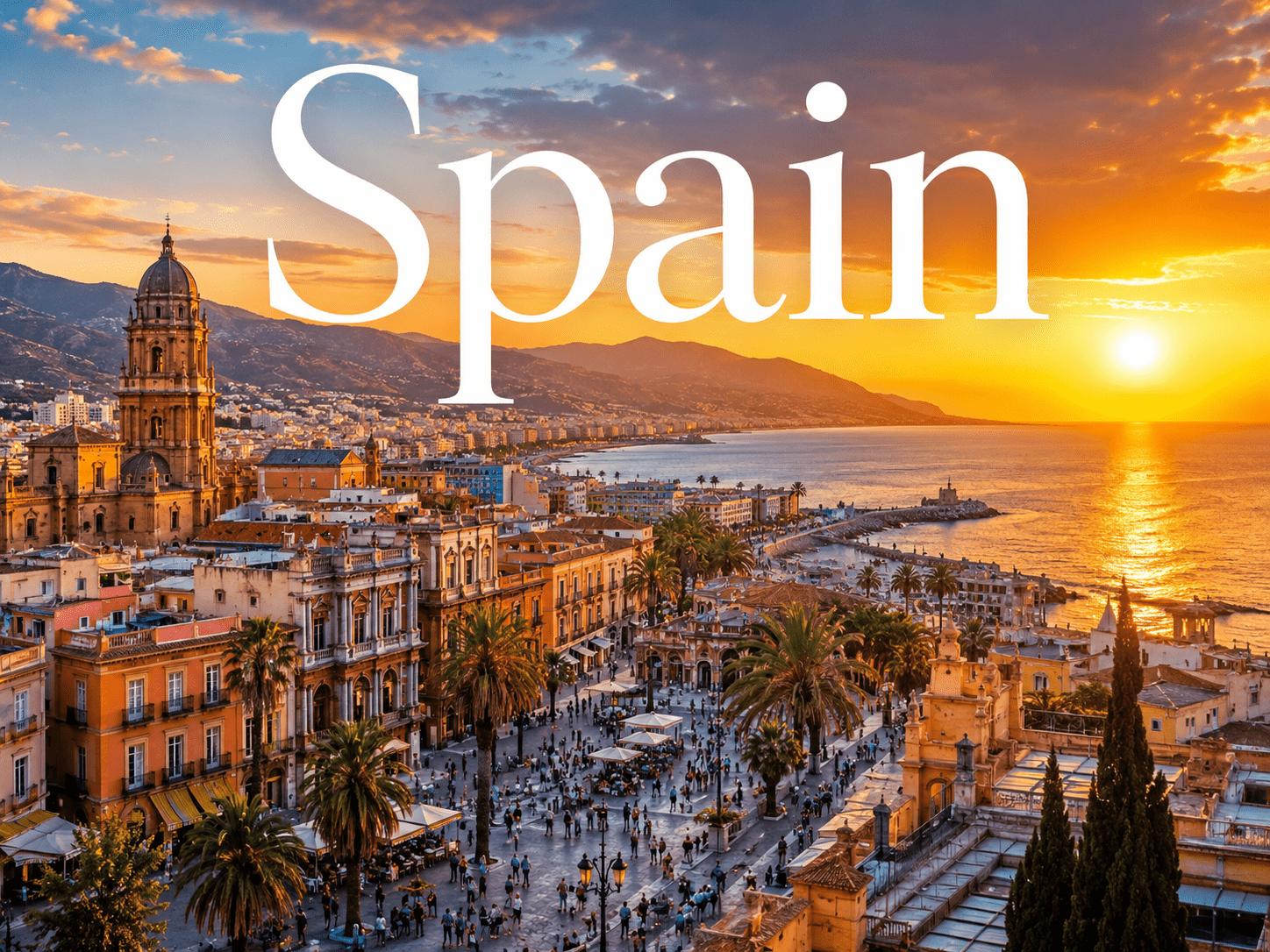
Introduction to Spain
Spain is one of the most culturally rich and historically influential countries in Europe. Known for its vibrant cities, Mediterranean coastline, world-famous cuisine, and artistic heritage, Spain attracts millions of travelers every year.
From flamenco music and historic castles to modern architecture and sunny beaches, Spain offers a wide variety of travel experiences in a single destination.
The country is especially famous for:
- Cultural festivals
- Historic landmarks
- Mediterranean beaches
- Artistic heritage
- Vibrant nightlife
- Diverse regional identities
Modern Spain is a global tourism powerhouse that blends tradition with modern lifestyle, making it one of Europe’s most visited countries.
Historical Background of Spain
Ancient Civilizations in Spain
The history of Spain dates back thousands of years. Early inhabitants included Iberian tribes, followed by Roman conquest, which left a deep cultural and architectural legacy.
During Roman rule, Spain developed:
- Roads
- Cities
- Aqueducts
- Trade networks
Roman influence is still visible in many historic sites across Spain today.
Islamic Influence in Spain
One of the most significant historical periods in Spain was the Moorish rule, which lasted nearly 800 years in parts of the country.
During this time, Spain saw advancements in:
- Architecture
- Science
- Agriculture
- Mathematics
Famous monuments from this era remain major tourist attractions.
Christian Reconquest and Kingdoms
The Reconquista shaped medieval Spain, eventually leading to the unification of the country under Catholic monarchs.
This era influenced:
- Castles
- Churches
- Royal traditions
- Political structure
Modern Spain
Modern Spain became a constitutional monarchy and developed into a democratic European nation with strong economic and cultural influence.
Today, Spain is known for stability, tourism, and cultural exports.
Geography and Location of Spain
Where Is Spain Located?
Spain is located in southwestern Europe on the Iberian Peninsula.
Neighboring countries include:
- Portugal
- France
- Andorra
It is also close to North Africa across the Strait of Gibraltar.
Geographic Features
The geography of Spain is highly diverse and includes:
- Mountains (Pyrenees, Sierra Nevada)
- Coastal regions
- Plains
- Islands
- Forests
- Deserts
Islands of Spain
Spain includes two major island groups:
- Balearic Islands (Mediterranean Sea)
- Canary Islands (Atlantic Ocean)
Climate of Spain
The climate of Spain varies by region:
- Mediterranean climate along the coast
- Continental climate in central regions
- Oceanic climate in the north
- Subtropical climate in the Canary Islands
Culture and Lifestyle in Spain
Cultural Identity of Spain
The culture of Spain is diverse and regionally distinct. Each region has its own traditions, language variations, and cultural identity.
Key cultural elements include:
- Flamenco dance
- Bullfighting traditions (historical)
- Festivals
- Local cuisines
- Music and art
Languages Spoken in Spain
The official language of Spain is Spanish (Castilian), but regional languages include:
- Catalan
- Basque
- Galician
Music and Dance
Music plays a central role in Spain culture.
Famous styles include:
- Flamenco
- Classical guitar music
- Folk music traditions
Flamenco is especially associated with southern Spain.
Religion in Spain
The majority of people in Spain follow Christianity, primarily Roman Catholicism, although modern Spain is highly secular and culturally diverse.
Cuisine of Spain
Food Culture in Spain
Food is an essential part of life in Spain, with strong regional variations and Mediterranean influences.
Meals often include:
- Olive oil
- Seafood
- Rice
- Vegetables
- Meat dishes
Dining culture in Spain is social and relaxed.
Famous Spanish Dishes
Paella
Paella is one of the most iconic dishes in Spain, originally from Valencia, made with rice, saffron, seafood, or meat.
Tapas
Tapas are small dishes shared socially across bars and restaurants in Spain.
Gazpacho
Gazpacho is a cold tomato-based soup popular in southern Spain during summer.
Jamón Ibérico
Cured ham is a famous delicacy in Spain, known for its rich flavor.
Major Cities in Spain
Madrid – Capital of Spain
Madrid is the capital and largest city of Spain, known for:
- Royal Palace
- Museums
- Nightlife
- Business districts
Barcelona
Barcelona is one of the most famous cities in Spain, known for:
- Gaudí architecture
- Beaches
- Art culture
- Football
Seville
Seville represents traditional Andalusian culture in Spain, famous for flamenco and historic architecture.
Valencia
Valencia is known for modern architecture and the origin of paella in Spain.
Tourism in Spain
Why Visit Spain?
Tourism in Spain is extremely popular because of:
- Beaches
- Historic cities
- Cultural festivals
- Architecture
- Nightlife
- Food experiences
Famous Attractions in Spain
Sagrada Família
Sagrada Família is one of the most famous landmarks in Spain.
Alhambra
Alhambra is a historic Moorish palace and fortress in Spain.
Prado Museum
Prado Museum is one of the world’s most important art museums in Spain.
External DoFollow Links
- UNESCO Spain Heritage Sites: https://whc.unesco.org/en/statesparties/es
- Spain Tourism Official: https://www.spain.info
- World Bank Spain Data: https://www.worldbank.org/en/country/spain
Economy of Spain
The economy of Spain is one of the largest in Europe and is highly diversified across tourism, manufacturing, agriculture, services, and technology. Over the years, Spain has developed into a modern industrial nation with strong global trade connections.
Key drivers of the economy of Spain include:
- Tourism and hospitality
- Automotive manufacturing
- Renewable energy
- Agriculture and wine production
- Banking and finance
- Real estate and construction
Tourism plays a particularly important role, making Spain one of the most visited countries in the world.
Currency Used in Spain
The official currency of Spain is the Euro (€).
Currency Facts
- Currency Name: Euro
- Currency Code: EUR
- Central Bank: European Central Bank (ECB)
Cashless payments are widely accepted across Spain, especially in cities and tourist destinations.
Main Industries in Spain
Tourism Industry
Tourism is one of the strongest sectors in Spain. Millions of visitors travel each year for:
- Beaches
- Historic cities
- Cultural festivals
- Museums
- Nightlife
Automotive Industry
The automotive sector is highly developed in Spain, with major factories producing cars for European and global markets.
Agriculture and Wine Production
Agriculture plays an important role in rural Spain, producing:
- Olive oil
- Grapes (wine production)
- Citrus fruits
- Vegetables
- Cereals
Wine regions in Spain are globally recognized for quality and tradition.
Renewable Energy
Modern Spain is a leader in renewable energy, especially:
- Wind energy
- Solar power
- Hydroelectric energy
Transportation in Spain
Public Transportation System
Transportation in Spain is modern, efficient, and well-connected. It includes:
- High-speed trains (AVE)
- Metro systems
- Buses
- Trams
- Domestic flights
High-speed rail connects major cities like Madrid, Barcelona, and Seville quickly and comfortably.
Airports in Spain
Major international airports in Spain include:
- Madrid-Barajas Airport
- Barcelona-El Prat Airport
- Malaga Airport
- Valencia Airport
These airports connect Spain to destinations worldwide.
Road Trips and Travel Routes
Road travel in Spain is popular due to scenic routes such as:
- Andalusian countryside drives
- Coastal Mediterranean highways
- Northern mountain roads
Tourism Highlights of Spain
Why Tourism is Strong in Spain
Tourism is a defining feature of Spain because of:
- Warm Mediterranean climate
- Rich historical heritage
- Diverse landscapes
- Cultural festivals
- World-famous cuisine
Beaches of Spain
The coastline of Spain offers some of Europe’s best beaches.
Popular beach regions include:
- Costa Brava
- Costa del Sol
- Balearic Islands
These areas attract millions of tourists every year.
Islands of Spain
Balearic Islands
The Balearic Islands are known for:
- Ibiza nightlife
- Mallorca beaches
- Menorca nature
Canary Islands
The Canary Islands are part of Spain and offer volcanic landscapes, year-round warm weather, and unique ecosystems.
Festivals and Cultural Events in Spain
Famous Festivals in Spain
Festivals are a major part of life in Spain and reflect regional traditions.
La Tomatina
A famous tomato-throwing festival celebrated in Buñol.
Running of the Bulls
Held in Pamplona, this festival is one of the most famous events in Spain.
Feria de Abril
A traditional Andalusian festival featuring music, dance, and food.
Music and Nightlife in Spain
Nightlife in Spain is vibrant and lively, especially in cities like Madrid and Barcelona. Popular experiences include:
- Flamenco shows
- Nightclubs
- Beach parties
- Tapas bars
Adventure and Outdoor Tourism in Spain
Hiking and Nature Tourism
Outdoor tourism in Spain includes:
- Pyrenees mountain hiking
- Camino de Santiago pilgrimage routes
- National parks
Water Sports
Coastal Spain offers:
- Surfing
- Sailing
- Diving
- Windsurfing
Wine Tourism
Wine regions in Spain attract travelers for vineyard tours and tastings, especially in La Rioja and Ribera del Duero.
Best Time to Visit Spain
Spring and Autumn Travel
The best time to visit Spain is during:
- Spring (March to May)
- Autumn (September to November)
These seasons offer pleasant weather and fewer crowds.
Summer Travel
Summer in Spain is ideal for beaches, festivals, and island tourism, though it can be hot in inland areas.
Winter Travel
Winter in Spain is perfect for:
- Skiing in the Pyrenees
- Cultural city visits
- Fewer tourists
Interesting Facts About Spain
- Spain has 17 autonomous regions with unique identities.
- It is home to the world’s second-most spoken native language.
- The country has over 40 UNESCO World Heritage Sites.
- Flamenco originated in southern Spain.
- Spain is a global leader in tourism.
- The Sagrada Família has been under construction for over 100 years.
International Organizations and Global Relations
United Nations Membership
Spain is a member of the United Nations and actively participates in global diplomacy and peacekeeping efforts.
European Union
Spain is a key member of the European Union, benefiting from free trade, travel, and economic cooperation across Europe.
Other Memberships
Spain is also part of:
- NATO
- World Trade Organization
- OECD
These memberships strengthen its global economic and political influence.
Food and Culinary Experiences in Spain
The cuisine of Spain is one of the most celebrated in the world, shaped by Mediterranean ingredients, regional diversity, and centuries of cultural influence. Food is not just a necessity in Spain—it is a social experience tied to lifestyle, tradition, and celebration.
Meals in Spain often include:
- Olive oil
- Seafood
- Fresh vegetables
- Rice
- Cured meats
- Wine
Dining is typically relaxed, social, and spread across multiple courses.
Famous Foods in Spain
Paella
Paella is one of the most iconic dishes in Spain, originating from Valencia. It is prepared with rice, saffron, vegetables, and seafood or meat.
Tapas Culture
Tapas are small shared dishes found across Spain. They include:
- Olives
- Patatas bravas
- Cheese
- Fried seafood
- Meat bites
Tapas culture is central to social dining in Spain.
Gazpacho
Gazpacho is a cold tomato soup popular in southern Spain, especially during hot summers.
Jamón Ibérico
Jamón Ibérico is a premium cured ham that is highly valued in Spain for its rich flavor and traditional preparation.
Shopping in Spain
Shopping Experiences in Spain
Shopping in Spain offers a mix of luxury brands, traditional markets, and artisan crafts.
Visitors can buy:
- Fashion items
- Handmade ceramics
- Leather goods
- Local food products
- Souvenirs
Famous Markets in Spain
Traditional markets in Spain provide cultural experiences along with shopping.
Popular markets include:
- La Boqueria (Barcelona)
- Mercado de San Miguel (Madrid)
- Local flea markets across cities
Fashion and Luxury Shopping
Cities like Madrid and Barcelona are global fashion hubs in Spain, featuring:
- International brands
- Designer boutiques
- Modern shopping centers
Education System in Spain
Structure of Education in Spain
Education in Spain is well-developed and publicly funded.
The system includes:
- Primary education
- Secondary education
- Vocational training
- Universities
Universities in Spain
Higher education in Spain is internationally respected. Popular universities offer programs in:
- Business
- Engineering
- Arts
- Medicine
- Tourism studies
Many international students choose Spain for higher education due to its quality and lifestyle.
Sports and Recreation in Spain
Popular Sports in Spain
Sports are a major part of culture in Spain, with millions of fans across the country.
Popular sports include:
- Football (soccer)
- Tennis
- Basketball
- Cycling
Football Culture
Football is the most popular sport in Spain, with world-famous clubs such as:
- FC Barcelona
- Real Madrid
Matches attract global audiences and passionate fans.
Outdoor Activities in Spain
Outdoor recreation in Spain includes:
- Hiking in mountains
- Beach sports
- Cycling routes
- Water sports
Travel Tips for Spain
Entry and Visa Information
Travel requirements for Spain depend on nationality. As part of the Schengen Area, many travelers can enter with a valid Schengen visa.
Currency and Payments
The Euro is used throughout Spain, and digital payments are widely accepted in cities and tourist areas.
Safety for Tourists
Spain is generally considered safe for travelers, especially in tourist regions. Basic precautions include:
- Watching belongings in crowded areas
- Using official taxis or transport apps
- Staying aware in busy tourist spots
Lifestyle and Daily Life in Spain
Work-Life Balance
Life in Spain is known for a relaxed pace, long social meals, and strong emphasis on family and leisure.
Siesta Tradition
Some regions in Spain traditionally observe siesta hours in the afternoon, although this is less common in modern cities.
Why Spain Is Unique
Cultural Identity of Spain
The uniqueness of Spain comes from its blend of:
- Historic civilizations
- Regional diversity
- Mediterranean lifestyle
- Artistic heritage
- Modern urban culture
Every region of Spain offers a different cultural experience, making it one of Europe’s most diverse destinations.
Final Summary
Spain is a vibrant European country that combines history, culture, nature, and modern life in a seamless way. From ancient Roman ruins and Moorish palaces to modern cities, beaches, and festivals, Spain offers one of the richest travel experiences in the world.
Visitors to Spain can enjoy:
- Historic landmarks
- Mediterranean beaches
- World-famous cuisine
- Cultural festivals
- Art and architecture
- Vibrant nightlife
- Outdoor adventures
With its diversity, hospitality, and global cultural influence, Spain remains one of the most beloved travel destinations worldwide.
Key Facts About Spain
| Category | Information |
|---|---|
| Country Name | Spain |
| Continent | Europe |
| Capital City | Madrid |
| Currency | Euro (€) |
| Language | Spanish |
| Government | Constitutional Monarchy |
| Famous Cities | Madrid, Barcelona, Seville |
| Famous Dish | Paella |
| Climate | Mediterranean & Continental |
| Major Sport | Football |
| Tourism Rank | Top Global Destination |

