



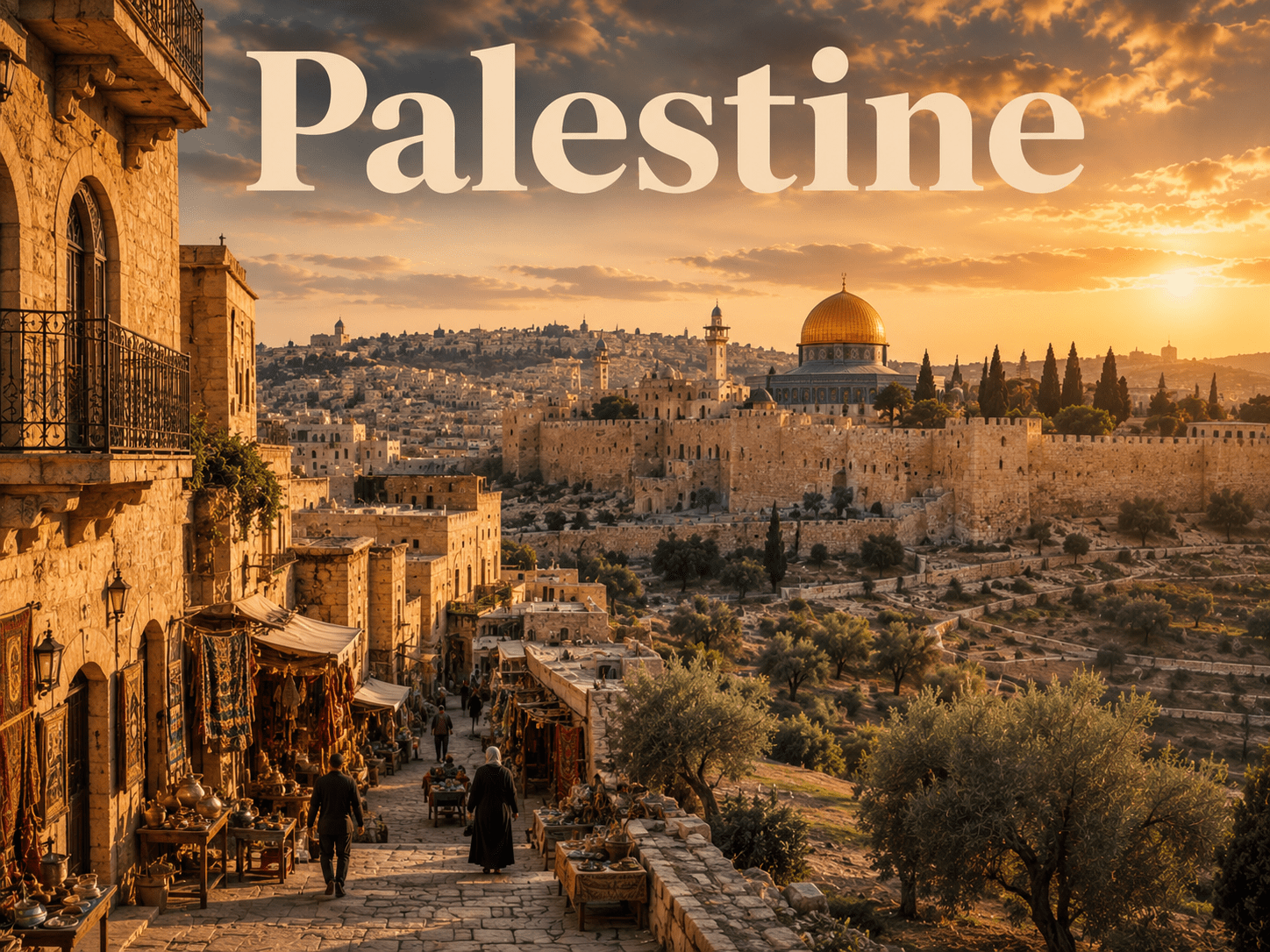
Introduction
Palestine is a region with deep historical significance, cultural richness, and centuries of heritage that have influenced civilizations across the Middle East. The area is recognized for historic cities, religious importance, traditional communities, and landscapes that range from hills and valleys to coastal environments and desert regions. Travelers, historians, and researchers continue to study and explore this area because of its cultural and historical impact.
The region has been home to ancient societies and has played an important role in trade, religion, and cultural exchange for thousands of years. Historic routes connected different civilizations and contributed to the development of cities and communities that remain significant today.
Modern communities continue preserving traditions through food, music, art, language, and social customs.
Historical Background
The history of this region extends back many thousands of years and includes numerous civilizations and historical periods.
Ancient Settlements
Archaeological discoveries indicate that some of the world’s earliest settlements existed in this area.
Ancient communities developed:
- Agriculture
- Trade systems
- Architecture
- Religious practices
Over time, various civilizations influenced cultural and political development.
Historical Civilizations
Different empires and kingdoms governed the region across different periods.
Historical influences included:
- Ancient Near Eastern civilizations
- Greek influence
- Roman administration
- Islamic periods
- Ottoman governance
Trade and migration helped shape social and cultural development.
Modern Historical Developments
The twentieth century introduced major political and social changes that affected communities and institutions.
Historical developments during modern periods continue to influence regional discussions and international relations.
Geographic Location and Natural Environment
The region occupies an important geographical position connecting Asia, Africa, and Europe.
Geographic Coordinates
Approximate coordinates:
31.9° North latitude and 35.2° East longitude
Neighboring Areas
The region shares borders and connections with:
- Jordan
- Egypt
- Israel
Natural Landscapes
Landscape diversity includes:
- Hills
- Valleys
- Desert areas
- Coastal regions
- Agricultural lands
Natural environments contribute to agriculture, tourism, and cultural identity.
Major Geographic Features
Important natural areas include:
- Jordan Valley
- Dead Sea region
- Mountain landscapes
- Mediterranean coastal areas
Culture and Traditions
Culture reflects centuries of historical development and diverse influences.
Religion
Religion plays a major role in daily life and cultural traditions.
Major religious traditions include:
- Islam
- Christianity
Religious practices influence:
- Community life
- Festivals
- Social traditions
- Family customs
Music and Arts
Music and artistic traditions continue preserving cultural identity.
Traditional cultural expressions include:
- Folk music
- Dabke dance
- Poetry
- Handicrafts
Food and Cuisine
Traditional cuisine includes dishes recognized across the Middle East.
Popular foods include:
- Musakhan
- Maqluba
- Hummus
- Falafel
- Kanafeh
Food traditions often represent hospitality and community values.
Festivals and Cultural Events
Celebrations frequently include:
- Traditional performances
- Family gatherings
- Religious observances
- Cultural festivals
Internal Links:
External DoFollow Links:
Economy and Industries
Economic activity across the Palestinian territories has historically included agriculture, trade, manufacturing, tourism, and service industries. Local markets, family businesses, and small enterprises contribute significantly to everyday economic life.
Urban and rural regions often have different economic characteristics. Cities generally support commerce and services, while agricultural communities focus on farming and local production.
Agriculture
Agriculture has long been important to local communities and cultural identity.
Major agricultural products include:
- Olives
- Citrus fruits
- Grapes
- Dates
- Vegetables
- Wheat
Olive cultivation holds particular cultural and economic importance and has been practiced for generations.
Manufacturing and Small Industries
Industrial activities commonly include:
- Food processing
- Textiles
- Stone and marble production
- Handicrafts
- Furniture manufacturing
Traditional craftsmanship remains an important source of cultural expression and economic activity.
Tourism Sector
Tourism has historically played an important role because of religious, cultural, and historical sites.
Visitors often travel for:
- Religious heritage experiences
- Historical exploration
- Cultural tourism
- Architecture
- Local markets
Historic locations continue attracting visitors interested in history and culture.
Currency and Trade Information
Currencies commonly used in economic transactions include:
- Israeli New Shekel (ILS)
- Jordanian Dinar (JOD)
- United States Dollar (USD)
Trade activities often involve:
- Agricultural products
- Stone and construction materials
- Manufactured goods
- Consumer products
Official Language and Common Dialects
Language represents an important part of cultural identity and daily communication.
Official Language
The primary official language is:
Arabic
Arabic is widely used in:
- Education
- Media
- Government institutions
- Business communication
- Daily life
Commonly Used Languages
Additional languages frequently used include:
- English
- Hebrew
English is commonly used in tourism, education, and international communication.
Regional Dialects
Different communities use regional Arabic dialects with variations in pronunciation and vocabulary.
Language diversity reflects centuries of cultural interaction and historical influence.
Major Cities and Urban Centers
Cities combine history, culture, education, and commercial activity.
Jerusalem
Jerusalem
Jerusalem is among the world’s most historically and religiously significant cities.
Important features include:
- Religious landmarks
- Historical architecture
- Cultural heritage
- Ancient neighborhoods
Ramallah
Ramallah
Ramallah is known for:
- Business activity
- Cultural institutions
- Educational centers
- Modern urban development
Bethlehem
Bethlehem
Bethlehem is widely recognized for:
- Religious significance
- Historic sites
- Traditional markets
- Cultural heritage
Hebron
Hebron
Hebron is known for:
- Traditional crafts
- Historical importance
- Local markets
- Architectural heritage
Gaza City
Gaza City
Gaza City has historically functioned as an important urban and coastal center.
Important characteristics include:
- Mediterranean coastline
- Commercial activity
- Historical significance
Tourist Attractions and Places to Explore
Historic and cultural locations attract visitors interested in heritage and architecture.
Church of the Nativity
Church of the Nativity
Highlights include:
- Historic architecture
- Religious significance
- Cultural heritage
Old City of Jerusalem
Old City of Jerusalem
Visitors often explore:
- Ancient streets
- Historic landmarks
- Religious sites
- Traditional markets
Jericho
Jericho
Jericho is frequently described as one of the oldest continuously inhabited cities in the world.
Popular features include:
- Archaeological locations
- Historical landscapes
- Cultural sites
Dead Sea Region
Dead Sea
The area is known for:
- Unique water characteristics
- Scenic landscapes
- Natural environments
International Organizations and Global Participation
Palestine participates in various international organizations and cultural institutions.
Participation includes involvement with:
- United Nations Educational, Scientific and Cultural Organization
- Organization of Islamic Cooperation
- Regional and international institutions
Unique and Interesting Facts
The region contains many historical and cultural features that continue attracting researchers, historians, and travelers from around the world.
- Jericho is frequently described as one of the oldest continuously inhabited cities in the world.
- Olive trees have significant cultural and economic importance and some trees in the region are believed to be centuries old.
- Traditional embroidery styles represent regional identity and artistic heritage.
- Folk dance traditions such as Dabke remain important during celebrations and social gatherings.
- Historical trade routes connected local communities with Asia, Africa, and Europe.
- Religious and historical sites attract visitors from many countries each year.
- Traditional markets continue preserving local craftsmanship and culinary culture.
- Stone architecture found in older towns reflects centuries of construction techniques and artistic design.
Best Time to Visit
Travel experiences can vary depending on climate and seasonal conditions.
Spring Season (March to May)
Spring is often considered one of the most comfortable periods for travel because:
- Temperatures are moderate
- Landscapes become greener
- Outdoor activities become more comfortable
- Historical site exploration becomes easier
Autumn Season (September to November)
Advantages include:
- Pleasant temperatures
- Suitable conditions for sightseeing
- Comfortable weather for city exploration
Summer Season
Summer can bring higher temperatures in many areas, especially inland regions.
Travelers may prefer:
- Early morning activities
- Indoor attractions during hotter periods
Transportation and Getting Around
Transportation options vary depending on region and travel routes.
Road Transportation
Road travel remains one of the most common transportation methods.
Common options include:
- Taxis
- Shared transportation services
- Private vehicles
- Public buses
Public Transportation
Local transportation frequently includes:
- Minibuses
- Shared taxis
- Bus services
These transportation systems connect cities and surrounding communities.
Walking and Local Exploration
Historic urban areas are often explored on foot because many traditional districts contain:
- Narrow streets
- Local markets
- Historical neighborhoods
- Cultural sites
Travel Tips
Helpful suggestions for visitors include:
- Carry local currency when visiting smaller markets
- Keep travel documents available
- Review local travel information before planning journeys
- Carry comfortable walking shoes for historical areas
- Learn a few Arabic phrases for easier communication
Final Summary
Palestine represents a region with deep historical roots, cultural richness, and diverse traditions that have developed across many centuries. Historic cities, religious sites, traditional markets, and local communities contribute to a distinctive identity that continues influencing everyday life.
Architecture, cuisine, music, crafts, and community traditions preserve connections with the past while modern urban areas support cultural and economic activity. Historical significance and cultural heritage continue making the region important for travelers, researchers, and people interested in world history.
From ancient cities and religious landmarks to local traditions and landscapes, Palestine offers experiences that connect history, culture, and everyday life.
Key Facts Table
| Category | Information |
|---|---|
| Official Name | State of Palestine |
| Administrative Center | Ramallah |
| Continent | Asia |
| Region | Middle East |
| Coordinates | Approximately 31.9°N, 35.2°E |
| Official Language | Arabic |
| Common Languages | Arabic, English, Hebrew |
| Currency Used | Israeli New Shekel (ILS), Jordanian Dinar (JOD), United States Dollar (USD) |
| Major Industries | Agriculture, tourism, manufacturing, trade |
| Major Agricultural Products | Olives, citrus fruits, grapes, vegetables |
| Religion | Islam and Christianity |
| International Participation | UNESCO and other international institutions |
| Major Cities | Jerusalem, Bethlehem, Hebron, Ramallah, Gaza City |
| Major Attractions | Church of the Nativity, Old City of Jerusalem, Jericho, Dead Sea Region |
| Best Travel Season | March–May and September–November |

