



Introduction
Haiti is one of the most culturally rich and historically significant nations in the Caribbean. Located on the island of Hispaniola, Haiti stands out for its unique blend of African, French, and indigenous influences. From its revolutionary history to its vibrant traditions, Haiti offers travelers and researchers an incredibly diverse experience.
As the first independent Black republic in the world, Haiti holds a special place in global history. Despite facing economic and political challenges, Haiti continues to shine through its resilient people, artistic heritage, and natural beauty.
🏛 History of Haiti
Early Indigenous Civilization
Before European contact, Haiti was inhabited by the Taíno people. They called the island Ayiti, meaning “land of mountains,” which later became the modern name Haiti.
Colonial Era
In 1492, Christopher Columbus arrived on the island, marking the beginning of Spanish colonization. Eventually, the western part of the island, now known as Haiti, was ceded to France in 1697 under the Treaty of Ryswick.
France turned Haiti into one of its most profitable colonies, known as Saint-Domingue, relying heavily on enslaved African labor to produce sugar, coffee, and indigo.
Haitian Revolution (1791–1804)
The Haitian Revolution is one of the most important events in world history. Enslaved people in Haiti revolted against French rule, leading to independence in 1804.
This made Haiti:
- The first independent Caribbean nation
- The first Black republic
- The only country born from a successful slave revolt
Post-Independence Struggles
After independence, Haiti faced:
- Economic isolation
- Heavy debt imposed by France
- Political instability
Despite these challenges, Haiti has maintained its independence and cultural identity.
🌎 Geography of Haiti
Location and Coordinates
Haiti is located in the Caribbean region of North America. It occupies the western third of the island of Hispaniola.
- Coordinates: 18.9712° N, 72.2852° W
- Continent: North America (Caribbean region)
Neighboring Countries
- Dominican Republic (to the east)
Surrounding Water Bodies
- Caribbean Sea (south)
- Atlantic Ocean (north)
Terrain and Landscape
Haiti is known for its mountainous terrain:
- Mountain ranges cover about 75% of the country
- Fertile valleys and plains support agriculture
Climate
Haiti has a tropical climate:
- Hot and humid throughout the year
- Rainy season: April to November
- Hurricane risk during late summer
🎭 Culture of Haiti
Religion
Religion plays a vital role in Haiti:
- Roman Catholicism (majority)
- Protestant Christianity
- Vodou (deeply rooted spiritual system)
Vodou in Haiti is often misunderstood—it is a rich spiritual tradition blending African beliefs with Catholic elements.
Festivals and Celebrations
Haiti is known for vibrant festivals:
- Carnival (Kanaval) – colorful parades and music
- Independence Day (January 1)
- Flag Day (May 18)
Music and Dance
Music is central to Haiti’s identity:
- Kompa (popular dance music)
- Rara (festival music)
- Traditional drumming
Food Culture
Haiti’s cuisine is flavorful and diverse:
- Griot (fried pork)
- Diri ak djon djon (rice with black mushrooms)
- Soup Joumou (pumpkin soup, symbol of independence)
Food in Haiti reflects African, French, and Caribbean influences.
🗣 Language in Haiti
Official Languages
Haiti has two official languages:
- Haitian Creole
- French
Common Usage
- Haitian Creole is spoken by nearly all citizens
- French is used in government, education, and formal settings
The widespread use of Creole makes Haiti unique in the Caribbean.
🏙 Major Cities of Haiti
Port-au-Prince (Capital)
The capital of Haiti, Port-au-Prince, is:
- The economic and political center
- Home to major markets and cultural landmarks
Cap-Haïtien
- Known for colonial architecture
- Gateway to historic sites like Citadelle Laferrière
Les Cayes
- Coastal city
- Important for agriculture and fishing
Jacmel
- Famous for arts and crafts
- Cultural hub with vibrant festivals
🌐 Haiti in Global Organizations
Haiti is an active member of several international organizations:
- United Nations (UN)
- Caribbean Community (CARICOM)
- Organization of American States (OAS)
- World Bank and IMF
You can learn more from:
💰 Economy of Haiti
Overview of Haiti’s Economy
Haiti has one of the most developing economies in the Caribbean region. Despite its rich natural and cultural resources, Haiti faces structural challenges such as political instability, natural disasters, and limited infrastructure.
However, Haiti continues to make progress through international partnerships, local entrepreneurship, and growing sectors like tourism and manufacturing.
Key Economic Sectors in Haiti
1. Agriculture
Agriculture plays a crucial role in Haiti’s economy, employing a large portion of the population.
Major agricultural products include:
- Coffee
- Mangoes
- Sugarcane
- Rice
- Corn
Haiti is especially known for exporting high-quality coffee and mangoes to global markets.
2. Manufacturing
The manufacturing sector in Haiti is primarily focused on:
- Textiles and garments
- Assembly industries
Many international companies operate in Haiti due to relatively low labor costs.
3. Tourism
Tourism in Haiti is gradually growing. The country offers:
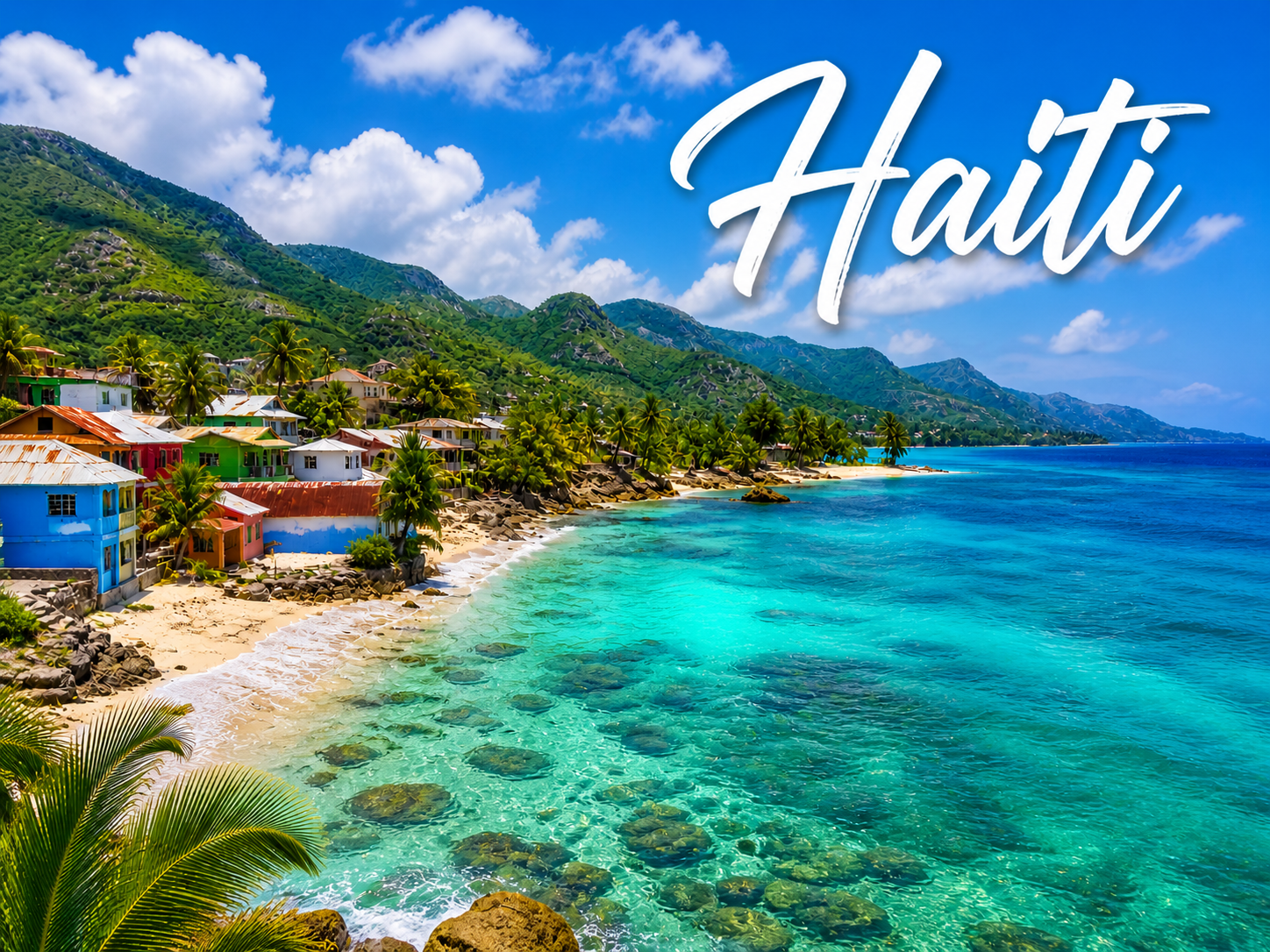
- Beautiful beaches
- Historical landmarks
- Cultural experiences
With increased investment, Haiti’s tourism sector has strong potential for expansion.
4. Remittances
A significant part of Haiti’s economy depends on remittances sent by Haitians living abroad.
Currency of Haiti
The official currency of Haiti is:
- Haitian Gourde (HTG)
US dollars are also widely accepted in many parts of Haiti, especially in tourist areas.
Major Trade Partners
Haiti’s main trade partners include:
- United States
- Dominican Republic
- Canada
- France
Exports from Haiti include textiles, agricultural goods, and essential oils.
Economic Challenges
Haiti faces several economic challenges:
- Poverty and unemployment
- Limited infrastructure
- Vulnerability to natural disasters
Organizations like the
- World Bank
- International Monetary Fund
provide financial and developmental support to Haiti.
🏝 Tourist Attractions in Haiti
Natural Attractions
1. Labadee Beach
Located on the northern coast, Labadee is one of the most famous destinations in Haiti. It offers:
- Crystal-clear waters
- Water sports
- Cruise ship access
2. Bassin Bleu
A hidden natural paradise in Haiti, Bassin Bleu features:
- Waterfalls
- Deep blue pools
- Hiking trails
Historical Landmarks
1. Citadelle Laferrière
One of the most iconic landmarks in Haiti, the
Citadelle Laferrière
is:
- A UNESCO World Heritage Site
- Built after independence for defense
2. Sans-Souci Palace
Near the Citadelle, the
Sans-Souci Palace
was once a royal residence and symbolizes the strength of Haiti’s early monarchy.
Cultural Attractions
1. Jacmel Art Scene
The coastal town of Jacmel is known for:
- Handmade crafts
- Papier-mâché masks
- Artistic festivals
2. Iron Market (Marché en Fer)
Located in Port-au-Prince, this vibrant market reflects daily life in Haiti.
✨ Unique Facts About Haiti
Here are some fascinating facts about Haiti:
- Haiti was the first country to abolish slavery permanently.
- The name Haiti means “Land of Mountains.”
- Haiti shares an island with the Dominican Republic.
- It has one of the richest artistic cultures in the Caribbean.
- Haiti’s flag was created by removing the white stripe from the French flag.
🌆 More About Cities in Haiti
Cap-Haïtien – Historical Capital
Cap-Haïtien is often called the cultural capital of Haiti. It features:
- Colonial buildings
- Access to major historic landmarks
Jacmel – Artistic Heart
Jacmel is:
- A UNESCO-recognized creative city
- Known for vibrant Carnival celebrations
Gonaïves – Independence City
Gonaïves holds historical importance as the place where Haiti declared independence in 1804.
✈️ Best Time to Visit Haiti
Ideal Travel Season
The best time to visit Haiti is:
- November to March
During this period:
- Weather is pleasant
- Lower humidity
- Ideal for sightseeing
Avoiding Hurricane Season
Hurricane season in Haiti typically runs from:
- June to October
Travelers should plan accordingly.
🚗 Transportation in Haiti
Getting Around
Transportation options in Haiti include:
- Tap-taps (shared colorful buses)
- Private taxis
- Car rentals
Air Travel
Main airport:
- Toussaint Louverture International Airport (Port-au-Prince)
🧭 Travel Tips for Haiti
- Learn basic Haitian Creole phrases
- Carry cash (limited card usage)
- Respect local customs and traditions
- Travel with a guide in remote areas
🔗 External DoFollow Links
- United Nations: https://www.un.org
- World Bank: https://www.worldbank.org
- UNESCO: https://whc.unesco.org
🎭 Deep Cultural Insights of Haiti
Traditions and Daily Life
Haiti is deeply rooted in tradition, where family, community, and spirituality play central roles. In rural areas of Haiti, life often revolves around agriculture and local markets, while urban centers reflect a blend of modern and traditional lifestyles.
Respect, hospitality, and resilience define the people of Haiti, making it a welcoming destination for visitors.
Religion and Spirituality
Religion in Haiti is a unique blend of:
- Roman Catholicism
- Protestant Christianity
- Vodou spirituality
Vodou is an essential cultural element in Haiti, often misunderstood globally. It combines African traditions with Christian elements and focuses on harmony with spirits known as lwa.
Festivals and Celebrations
1. Carnival (Kanaval)
The most famous festival in Haiti, Carnival features:
- Colorful costumes
- Street parades
- Live music
Cities like Jacmel and Port-au-Prince host some of the biggest celebrations in Haiti.
2. Independence Day
Celebrated on January 1, this day marks the freedom of Haiti in 1804. Haitians traditionally eat Soup Joumou, symbolizing independence.
Music and Dance
Music is the heartbeat of Haiti:
- Kompa – popular dance music
- Rara – street festival music
- Twoubadou – acoustic folk style
Dance and rhythm are integral to social gatherings in Haiti.
🍽 Food Guide of Haiti
Traditional Haitian Dishes
Food in Haiti reflects its diverse heritage:
- Griot – marinated fried pork
- Diri ak djon djon – rice with black mushrooms
- Soup Joumou – pumpkin soup
- Pikliz – spicy pickled vegetables
Street Food Culture
Street food is vibrant in Haiti, offering:
- Fried snacks
- Fresh fruits
- Local beverages
🗺 7-Day Travel Itinerary for Haiti
Day 1: Arrival in Port-au-Prince
Explore:
- Local markets
- Museums
- Cultural centers
Day 2: City Exploration
Visit:
- National Palace area
- Iron Market
Day 3: Travel to Cap-Haïtien
Discover:
- Colonial architecture
- Coastal views
Day 4: Citadelle & Sans-Souci
Visit:
- Citadelle Laferrière
- Sans-Souci Palace
Day 5: Relax at Beaches
Head to:
- Labadee
- Northern coast beaches
Day 6: Jacmel Cultural Tour
Enjoy:
- Art galleries
- Handicrafts
- Local cuisine
Day 7: Departure
Return to Port-au-Prince and prepare for departure.
🌍 Haiti and Global Presence
Haiti actively participates in international cooperation. It is a member of:
- United Nations
- Caribbean Community
- Organization of American States
These memberships help Haiti engage in global development and diplomacy.
🤔 Interesting & Lesser-Known Facts About Haiti
- Haiti was the first Caribbean nation to gain independence.
- The revolution of Haiti influenced global movements against slavery.
- Art in Haiti is considered one of the most expressive in the world.
- Haiti has a strong oral storytelling tradition.
- The country has breathtaking yet lesser-explored natural landscapes.
🔗 Internal Link Suggestion
If you enjoyed reading about Haiti, explore another destination:
➡️ Argentina Travel Guide (internal blog link)
📊 Final Summary
Haiti is a nation of extraordinary history, culture, and resilience. From its revolutionary past to its vibrant traditions, Haiti offers a unique perspective on Caribbean life.
While challenges remain, Haiti continues to evolve, making it a destination filled with authenticity and depth. Whether you’re interested in history, culture, or natural beauty, Haiti has something to offer every traveler.
📋 Key Facts About Haiti
| Category | Details |
|---|---|
| Country Name | Haiti |
| Capital | Port-au-Prince |
| Continent | North America (Caribbean) |
| Coordinates | 18.9712° N, 72.2852° W |
| Official Languages | Haitian Creole, French |
| Currency | Haitian Gourde (HTG) |
| Population | ~11 million |
| Independence | 1804 |
| Major Religion | Christianity & Vodou |
| Climate | Tropical |
| Major Cities | Port-au-Prince, Cap-Haïtien, Jacmel |
| UN Membership | Yes |
List of All 195 Countries
- Afghanistan
- Albania
- Algeria
- Andorra
- Angola
- Antigua and Barbuda
- Argentina
- Armenia
- Australia
- Austria
- Azerbaijan
- Bahamas
- Bahrain
- Bangladesh
- Barbados
- Belarus
- Belgium
- Belize
- Benin
- Bhutan
- Bolivia
- Bosnia and Herzegovina
- Botswana
- Brazil
- Brunei
- Bulgaria
- Burkina Faso
- Burundi
- Cabo Verde
- Cambodia
- Cameroon
- Canada
- Central African Republic
- Chad
- Chile
- China
- Colombia
- Comoros
- Congo (Congo-Brazzaville)
- Costa Rica

