



Introduction
Honduras is a captivating Central American nation known for its lush rainforests, ancient Mayan ruins, and stunning Caribbean coastline. Located in the heart of Central America, Honduras offers a unique mix of natural beauty, cultural diversity, and historical significance.
From the world-famous coral reefs of the Caribbean to the archaeological wonders of the Mayan civilization, Honduras is a destination that blends adventure, history, and relaxation. Despite being less explored than its neighbors, Honduras continues to attract travelers seeking authentic experiences.
🏛 History of Honduras
Early Indigenous Civilizations
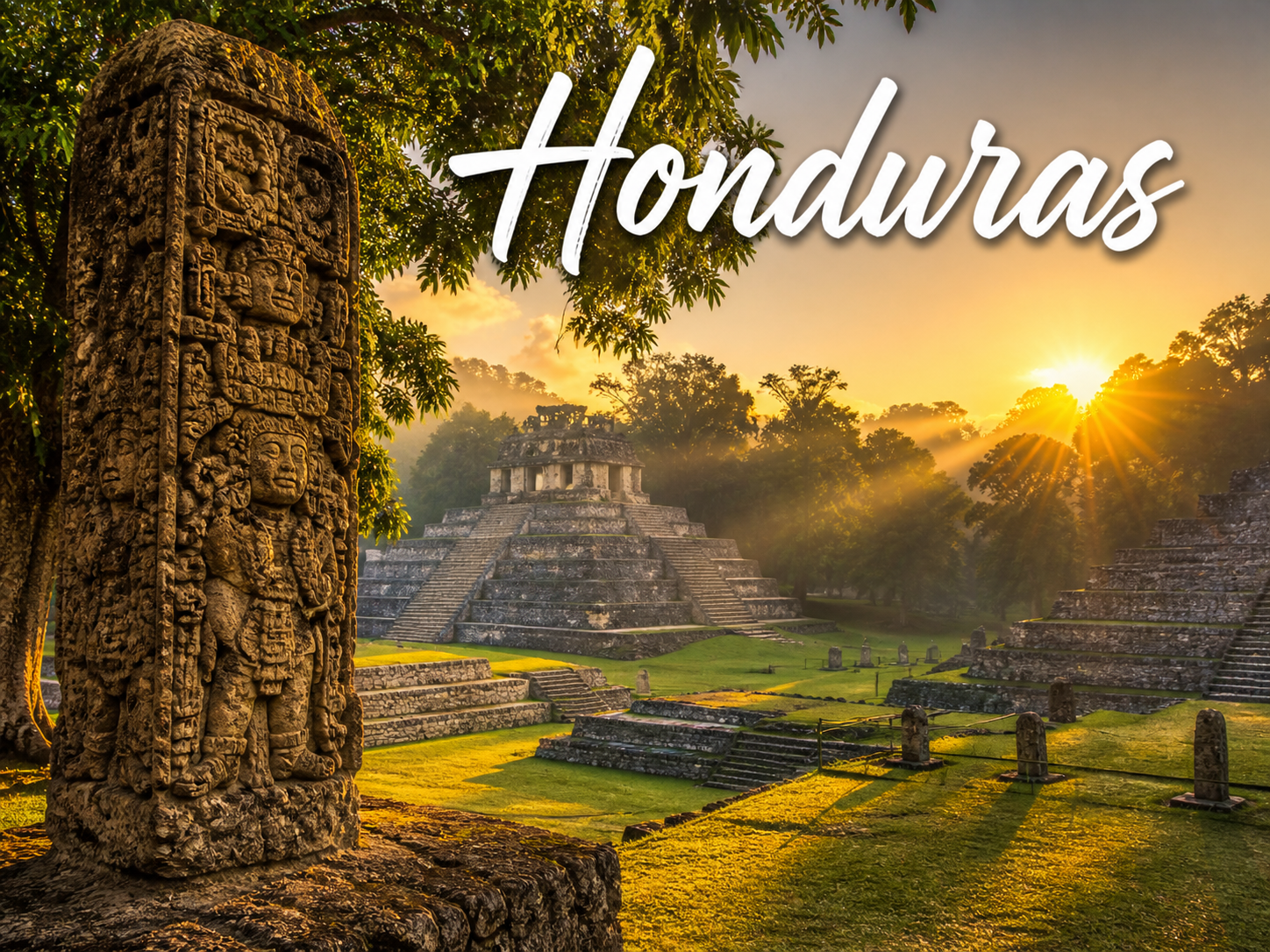
Before European arrival, Honduras was home to several indigenous groups, including the Maya civilization. One of the most important archaeological sites in Honduras is
Copán Ruins,
which served as a major Mayan city between the 5th and 9th centuries.
The Maya left behind:
- Intricate stone carvings
- Hieroglyphic inscriptions
- Advanced astronomical knowledge
Spanish Colonization
In 1502,
Christopher Columbus
arrived on the coast of Honduras during his fourth voyage to the Americas.
Soon after:
- Spain colonized Honduras
- Indigenous populations declined due to disease and forced labor
- Mining and agriculture became key economic activities
Independence and Nation Formation
Honduras gained independence from Spain in 1821. Initially, it became part of the Federal Republic of Central America before becoming a fully independent nation in 1838.
Modern History
In the 20th century, Honduras experienced:
- Political instability
- Military rule
- Economic dependence on agriculture
Today, Honduras is a developing democratic nation working toward stability and growth.
🌎 Geography of Honduras
Location and Coordinates
Honduras is located in Central America.
- Coordinates: 15.1999° N, 86.2419° W
- Continent: North America (Central America region)
Neighboring Countries
Honduras shares borders with:
- Guatemala (west)
- El Salvador (southwest)
- Nicaragua (southeast)
Coastlines
Honduras has access to:
- Caribbean Sea (north)
- Pacific Ocean via the Gulf of Fonseca (south)
Natural Landscape
The geography of Honduras is incredibly diverse:
- Mountain ranges dominate the interior
- Dense rainforests in the east (Mosquitia region)
- Coastal plains and beaches
One of the most famous natural areas is
Río Plátano Biosphere Reserve,
a UNESCO World Heritage Site known for biodiversity.
Climate
Honduras has a tropical climate:
- Warm temperatures year-round
- Rainy season: May to November
- Dry season: December to April
🎭 Culture of Honduras
Religion
Religion plays an important role in Honduras:
- Roman Catholicism (majority)
- Protestant Christianity
Religious festivals are widely celebrated across Honduras.
Traditions and Festivals
Popular festivals in Honduras include:
- Semana Santa (Holy Week)
- Feria Juniana (San Pedro Sula festival)
- Garifuna cultural celebrations
Music and Dance
Music in Honduras reflects cultural diversity:
- Punta (Garifuna dance music)
- Folk and Latin rhythms
Food Culture
Cuisine in Honduras is flavorful and traditional:
- Baleadas (flour tortillas with beans and cheese)
- Tamales
- Fried fish with coconut rice
Food in Honduras combines indigenous, Spanish, and African influences.
🗣 Language in Honduras
Official Language
- Spanish (primary language)
Indigenous and Regional Languages
Several indigenous languages are spoken in Honduras, including:
- Garifuna
- Miskito
English is also spoken in Caribbean coastal areas.
🏙 Major Cities of Honduras
Tegucigalpa (Capital)
The capital city of Honduras, Tegucigalpa, is:
- Political center
- Known for colonial architecture
- Surrounded by mountains
San Pedro Sula
- Industrial and economic hub
- Major transportation center
La Ceiba
- Coastal city
- Gateway to the Bay Islands
Roatán
- Popular tourist island
- Known for beaches and coral reefs
🌐 Honduras in Global Organizations
Honduras is a member of major international organizations:
- United Nations
- World Bank
- Organization of American States
These memberships support development and global cooperation.
💰 Economy of Honduras
Overview of Honduras’ Economy
Honduras has a developing economy that relies heavily on agriculture, manufacturing, and remittances. While Honduras faces challenges such as income inequality and infrastructure limitations, it has shown steady growth through exports and international trade.
The strategic location of Honduras in Central America also supports regional commerce and logistics.
Key Economic Sectors in Honduras
1. Agriculture
Agriculture remains one of the most important sectors in Honduras.
Major crops include:
- Bananas
- Coffee
- Sugarcane
- Palm oil
Honduras is one of the largest coffee producers in Central America, exporting high-quality beans worldwide.
2. Manufacturing and Industry
The manufacturing sector in Honduras is focused on:
- Textile production (maquiladoras)
- Food processing
- Assembly industries
Export-oriented manufacturing plays a major role in the economy of Honduras.
3. Tourism
Tourism is rapidly growing in Honduras, thanks to:
- Natural beauty
- Coral reefs
- Cultural heritage
The Bay Islands, especially
Roatán,
are among the top tourist destinations in Honduras.
4. Remittances
Remittances from Hondurans living abroad contribute significantly to the economy of Honduras, supporting millions of households.
Currency of Honduras
The official currency of Honduras is:
- Honduran Lempira (HNL)
US dollars are accepted in some tourist areas.
Major Trade Partners
Honduras trades with:
- United States
- Guatemala
- El Salvador
- Mexico
Main exports from Honduras include:
- Coffee
- Bananas
- Apparel
Economic Challenges
Honduras faces several ongoing challenges:
- Poverty and unemployment
- Vulnerability to natural disasters
- Infrastructure limitations
Global institutions such as the
- International Monetary Fund
- World Bank
provide support to the development of Honduras.
🏝 Tourist Attractions in Honduras
Natural Attractions
1. Bay Islands
The Bay Islands are a major highlight of Honduras, especially:
- Roatán
- Utila
These islands are famous for:
- Coral reefs (part of the Mesoamerican Barrier Reef)
- Scuba diving
- Marine biodiversity
2. Río Plátano Biosphere Reserve
The
Río Plátano Biosphere Reserve
is one of the most important ecological areas in Honduras, offering:
- Rainforests
- Wildlife
- Indigenous communities
Historical and Cultural Attractions
1. Copán Ruins
The
Copán Ruins
are one of the most important Mayan sites in Central America.
Visitors can explore:
- Temples
- Hieroglyphic stairways
- Ancient plazas
2. Comayagua
A historic city in Honduras, Comayagua is known for:
- Colonial architecture
- One of the oldest clocks in the Americas
Adventure Tourism
Honduras is perfect for adventure lovers:
- Jungle trekking
- River rafting
- Zip-lining
✨ Unique Facts About Honduras
Here are some interesting facts about Honduras:
- The name Honduras means “depths” in Spanish.
- Honduras is home to the second-largest coral reef system in the world.
- The ancient Mayan civilization thrived in Honduras.
- Honduras has one of the richest biodiversities in Central America.
- The country celebrates a unique “Rain of Fish” phenomenon in some regions.
🌆 More About Cities in Honduras
San Pedro Sula – Economic Hub
San Pedro Sula is:
- The industrial capital of Honduras
- A major commercial center
La Ceiba – Adventure City
La Ceiba is known for:
- Festivals
- Eco-tourism
- Access to national parks
Roatán – Tourism Center
Roatán
is:
- The most popular tourist destination in Honduras
- Famous for diving and beaches
✈️ Best Time to Visit Honduras
Ideal Travel Season
The best time to visit Honduras is:
- December to April (dry season)
This period offers:
- Pleasant weather
- Ideal conditions for sightseeing and beach activities
Rainy Season
Rainy season in Honduras:
- May to November
Travelers should prepare for occasional heavy rainfall.
🚗 Transportation in Honduras
Getting Around
Transportation options in Honduras include:
- Buses (most common)
- Taxis
- Domestic flights
Airports
Main international airports in Honduras:
- Toncontín International Airport (Tegucigalpa)
- Ramón Villeda Morales International Airport (San Pedro Sula)
🧭 Travel Tips for Honduras
- Learn basic Spanish phrases
- Use trusted transportation services
- Follow local travel advisories
- Respect cultural norms
🔗 External DoFollow Links
- United Nations: https://www.un.org
- World Bank: https://www.worldbank.org
- UNESCO: https://whc.unesco.org
🎭 Deep Cultural Insights of Honduras
Traditions and Daily Life
Honduras is a country where traditions and community life remain deeply rooted. In rural areas of Honduras, families often live close to nature, relying on agriculture and local trade. Urban areas in Honduras reflect modernization, but still maintain strong cultural values.
Hospitality is a defining characteristic of people in Honduras, and visitors often experience warm and welcoming interactions.
Religion and Spiritual Life
Religion is an integral part of life in Honduras:
- Roman Catholicism (majority)
- Protestant Christianity
Religious events and church gatherings are common across Honduras, especially during major festivals.
Festivals and Celebrations
Semana Santa (Holy Week)
One of the most important celebrations in Honduras, Semana Santa features:
- Colorful street carpets
- Religious processions
- Cultural events
Garifuna Festivals
The Garifuna people of Honduras celebrate their heritage through:
- Music
- Dance
- Traditional rituals
These festivals highlight the Afro-Caribbean roots of Honduras.
Music and Dance
Music plays a central role in Honduras:
- Punta – energetic Garifuna dance
- Folk music traditions
- Modern Latin influences
Dance is widely practiced during celebrations and social gatherings in Honduras.
🍽 Food Guide of Honduras
Traditional Honduran Dishes
Cuisine in Honduras is diverse and flavorful:
- Baleadas – tortillas filled with beans, cheese, and cream
- Sopa de Caracol – conch soup
- Tamales – wrapped corn dough with fillings
- Fried fish with coconut rice
Food in Honduras reflects indigenous, Spanish, and Caribbean influences.
Street Food Culture
Street food is popular in Honduras, offering:
- Quick snacks
- Fresh juices
- Local specialties
🗺 7-Day Travel Itinerary for Honduras
Day 1: Arrival in Tegucigalpa
Explore:
- Local markets
- Museums
- Historic areas
Day 2: Travel to Copán
Visit the famous
Copán Ruins
and learn about Mayan history.
Day 3: Explore Copán Region
Enjoy:
- Archaeological parks
- Cultural tours
Day 4: Travel to La Ceiba
Discover:
- Coastal scenery
- Local culture
Day 5: Bay Islands Adventure
Head to
Roatán
for:
- Beaches
- Diving
- Relaxation
Day 6: Nature Exploration
Visit rainforests or national parks in Honduras.
Day 7: Return & Departure
Return to Tegucigalpa and prepare for departure.
🌍 Honduras and Global Presence
Honduras is an active participant in international cooperation. It is a member of:
- United Nations
- Caribbean Community
- Organization of American States
These organizations help Honduras engage in global development, trade, and diplomacy.
🤔 Interesting & Lesser-Known Facts About Honduras
- Honduras has one of the largest coral reef systems in the world.
- The ancient Mayan civilization flourished in Honduras.
- The country has incredible biodiversity with thousands of plant and animal species.
- Honduras celebrates a unique “Rain of Fish” phenomenon.
- Coffee from Honduras is among the best in Central America.
🔗 Internal Link Suggestion
If you enjoyed reading about Honduras, explore another destination:
➡️ Argentina Travel Guide (internal blog link suggestion)
📊 Final Summary
Honduras is a country rich in natural beauty, cultural diversity, and historical significance. From the ancient ruins of the Maya to the vibrant Caribbean coast, Honduras offers travelers a unique and authentic experience.
Whether you are interested in adventure tourism, cultural exploration, or relaxing beach vacations, Honduras has something for everyone. With growing tourism and development, Honduras continues to emerge as an exciting destination in Central America.
📋 Key Facts About Honduras
| Category | Details |
|---|---|
| Country Name | Honduras |
| Capital | Tegucigalpa |
| Continent | North America (Central America) |
| Coordinates | 15.1999° N, 86.2419° W |
| Official Language | Spanish |
| Currency | Honduran Lempira (HNL) |
| Population | ~10 million |
| Independence | 1821 |
| Climate | Tropical |
| Major Cities | Tegucigalpa, San Pedro Sula, La Ceiba |
| Major Attraction | Copán Ruins |
| UN Membership | Yes |
List of All 195 Countries
- Afghanistan
- Albania
- Algeria
- Andorra
- Angola
- Antigua and Barbuda
- Argentina
- Armenia
- Australia
- Austria
- Azerbaijan
- Bahamas
- Bahrain
- Bangladesh
- Barbados
- Belarus
- Belgium
- Belize
- Benin
- Bhutan
- Bolivia
- Bosnia and Herzegovina
- Botswana
- Brazil
- Brunei
- Bulgaria
- Burkina Faso
- Burundi
- Cabo Verde
- Cambodia
- Cameroon
- Canada
- Central African Republic
- Chad
- Chile
- China
- Colombia
- Comoros
- Congo (Congo-Brazzaville)
- Costa Rica

