



Introduction
Japan is a captivating island nation in East Asia, known for its unique blend of ancient traditions and cutting-edge modernity. From serene temples and historic shrines to bustling cities and advanced technology, Japan offers an extraordinary travel experience.
With its rich culture, diverse landscapes, and global influence, Japan attracts millions of visitors every year. Whether you are drawn to its history, cuisine, or innovation, Japan provides a perfect balance of past and present.
🏛 History of Japan
Ancient Japan
The history of Japan dates back thousands of years, with early settlements evolving into a structured society influenced by Chinese and Korean cultures.
Imperial Era
The imperial system has played a significant role in shaping Japan’s identity. The Emperor remains a symbolic figure in modern Japan.
Feudal Japan and Samurai Culture
During the feudal period, Japan was ruled by powerful warlords known as daimyō, supported by samurai warriors. This era defined much of Japan’s cultural heritage.
Modernization and Global Influence
In the late 19th century, Japan underwent rapid modernization during the Meiji Restoration, transforming into a global power.
World War II and Recovery
After the
World War II,
Japan rebuilt its economy and became one of the world’s leading industrial nations.
🌎 Geography of Japan
Location and Coordinates
Japan is located in East Asia, consisting of an archipelago of islands.
- Coordinates: 36.2048° N, 138.2529° E
- Continent: Asia
Neighboring Countries
Japan is close to:
- China
- South Korea
- Russia
Major Islands
The main islands of Japan include:
- Honshu
- Hokkaido
- Kyushu
- Shikoku
Natural Features
Japan is known for its natural beauty:
- Mountains
- Volcanoes
- Forests
The iconic
Mount Fuji
is one of the most recognizable landmarks in Japan.
Climate
Japan experiences a varied climate:
- Snowy winters in the north
- Mild conditions in central regions
- Subtropical weather in the south
🎭 Culture of Japan
Traditions and Lifestyle
Culture in Japan is deeply rooted in respect, discipline, and harmony. Traditional practices remain an important part of life in Japan, even in highly modern cities.
Religion
Religion in Japan includes:
- Shinto
- Buddhism
Shrines and temples are common throughout Japan.
Festivals and Celebrations
Festivals in Japan are colorful and meaningful:
- Cherry Blossom Festival
- Gion Matsuri
Arts and Entertainment
Japan is known for:
- Traditional arts (tea ceremony, calligraphy)
- Modern entertainment (anime, gaming)
Food Culture of Japan
Cuisine in Japan is globally loved:
- Sushi
- Ramen
- Tempura
Food reflects precision and presentation in Japan.
🗣 Language in Japan
Official Language
- Japanese
Dialects
Different regions of Japan have unique dialects, adding cultural diversity.
🏙 Major Cities of Japan
Tokyo (Capital)
Tokyo is:
- Capital of Japan
- Global financial center
Osaka
Osaka is:
- Known for food culture
- Major economic hub
Kyoto
Kyoto is:
- Cultural heart of Japan
- Famous for temples
Hiroshima
Hiroshima is:
- Historical significance
- Symbol of peace
🌐 Japan in Global Organizations
Japan is a member of:
G7
United Nations
💰 Economy of Japan
Overview of Japan’s Economy
Japan has one of the largest and most advanced economies in the world. It is known for its innovation, manufacturing strength, and high-quality exports. After rebuilding rapidly in the post-war era, Japan became a global leader in technology, automotive production, and electronics.
Today, Japan is considered a highly developed economy with strong industrial infrastructure and global trade connections. The country’s economic success is driven by precision engineering, skilled labor, and continuous innovation.
Key Economic Sectors
1. Technology and Electronics
Technology is one of the strongest pillars of Japan’s economy. The country is known for producing high-quality electronics, robotics, and advanced systems used worldwide.
Major companies include:
- Sony
- Panasonic
- Nintendo
These companies reflect the global technological leadership of Japan.
2. Automotive Industry
The automotive sector is a major contributor to exports in Japan. The country produces reliable and fuel-efficient vehicles that are sold worldwide.
3. Manufacturing
Manufacturing in Japan is known for precision and quality. Industries include:
- Machinery
- Robotics
- Steel production
4. Services Sector
The services sector in Japan includes:
- Finance
- Tourism
- Retail
Major cities like Tokyo serve as global financial hubs.
Currency of Japan
The official currency of Japan is:
- Japanese Yen (JPY)
Trade Partners
Japan has strong trade relationships with:
- United States
- China
- South Korea
- European Union
Exports include automobiles, electronics, and machinery.
Economic Strengths and Challenges
Strengths:
- Strong industrial base
- Advanced technology sector
- High export quality
Challenges:
- Aging population
- Labor shortages
- High public debt
Global organizations such as the
- World Bank
- International Monetary Fund
analyze and support economic policies affecting Japan.
🏝 Tourism in Japan
Overview of Tourism
Tourism plays a major role in the cultural and economic landscape of Japan. Visitors are drawn to its blend of ancient traditions and modern attractions.
🏯 Cultural Landmarks
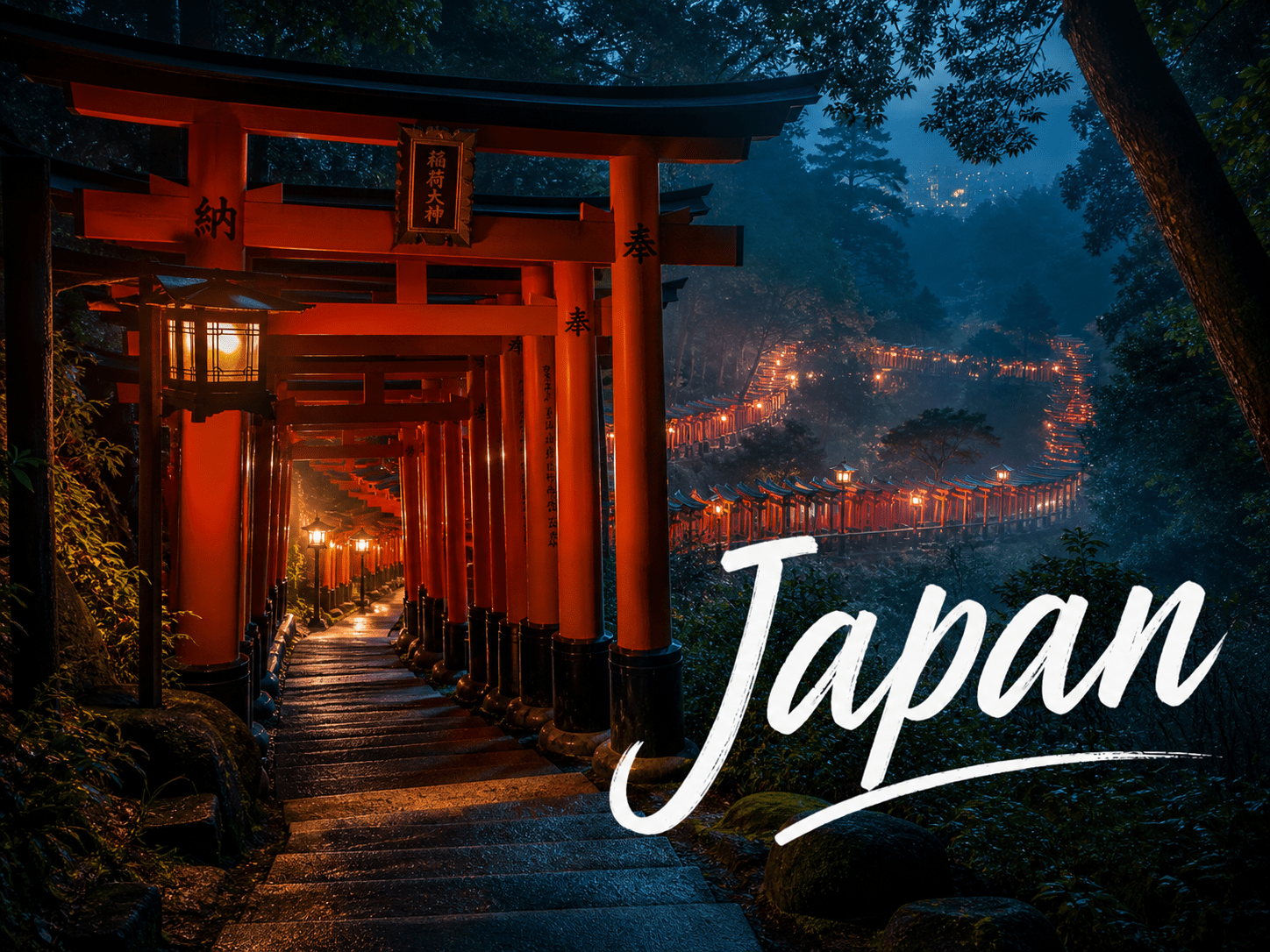
1. Fushimi Inari Shrine
The famous
Fushimi Inari Shrine
is known for its thousands of red torii gates.
2. Kinkaku-ji (Golden Pavilion)
The
Kinkaku-ji
is a stunning Zen Buddhist temple covered in gold leaf.
🗼 Modern Attractions
Tokyo Skytree
The
Tokyo Skytree
is one of the tallest towers in the world, offering panoramic views of Japan’s capital.
🌿 Natural Attractions
Mount Fuji Region
The area around
Mount Fuji
offers hiking, lakes, and scenic views.
Arashiyama Bamboo Forest
Located in Kyoto, this forest is one of the most peaceful natural attractions in Japan.
🎌 Cultural Experiences
Visitors to Japan can enjoy:
- Tea ceremonies
- Traditional festivals
- Samurai history tours
- Anime and gaming culture
✨ Unique Facts About Japan
Here are some fascinating facts about Japan:
- Japan has over 6,000 islands.
- It has one of the safest public transport systems in the world.
- Vending machines are found everywhere across Japan.
- The country has the world’s oldest continuous monarchy.
- Japan has a unique blend of modern technology and ancient traditions.
🌆 Major Cities of Japan
Tokyo
Tokyo is:
- Capital of Japan
- Global technology and finance hub
- One of the most populated cities in the world
Kyoto
Kyoto is:
- Cultural capital
- Home to ancient temples
Osaka
Osaka is:
- Known for food culture
- Commercial hub of western Japan
Hiroshima
Hiroshima is:
- City of peace
- Historical importance
✈️ Best Time to Visit Japan
Ideal Travel Seasons
The best time to visit Japan is:
- March to May (spring)
- September to November (autumn)
Seasonal Highlights
- Spring: Cherry blossoms
- Summer: Festivals
- Autumn: Colorful leaves
- Winter: Snow destinations
🚆 Transportation in Japan
Getting Around
Transportation in Japan is highly efficient:
- Bullet trains (Shinkansen)
- Metro systems
- Domestic flights
Travel Tips
- Use rail passes for long-distance travel
- Follow local etiquette
- Plan ahead during peak seasons
🔗 External DoFollow Links
- United Nations: https://www.un.org
- World Bank: https://www.worldbank.org
- UNESCO: https://whc.unesco.org
🎭 Deep Cultural Insights of Japan
Traditions and Everyday Life
Life in this island nation is shaped by respect, discipline, and harmony. In Japan, social behavior places strong emphasis on politeness, punctuality, and consideration for others. Even in modern cities, traditional values remain deeply embedded in daily life.
In rural areas of Japan, traditions are even more visible through local festivals, farming communities, and preserved historical homes. Urban life, especially in Tokyo, blends technology with culture in a seamless way that defines modern Japan.
Religion and Philosophy
Spiritual life in Japan is mainly influenced by two belief systems:
- Shinto (indigenous spirituality)
- Buddhism (introduced from Asia)
Shrines and temples are found throughout Japan, often coexisting within the same communities. Many people in Japan follow cultural religious practices rather than strict doctrine.
Festivals and Celebrations
Festivals are an essential part of cultural identity in Japan.
Cherry Blossom Season
The famous
Cherry Blossom Festival
is celebrated across Japan when sakura trees bloom, symbolizing beauty and renewal.
Gion Matsuri
One of the most important cultural events in Japan is
Gion Matsuri,
held in Kyoto with traditional floats and ceremonies.
Arts, Crafts & Performing Arts
Japan has a rich artistic heritage:
- Calligraphy (shodo)
- Origami (paper folding)
- Tea ceremony (chanoyu)
- Kabuki theater
Modern entertainment such as anime and manga also originated and evolved in Japan, gaining global popularity.
🍽 Food Guide of Japan
Traditional Japanese Cuisine
Food culture in Japan is based on freshness, presentation, and balance.
Popular dishes include:
- Sushi
- Ramen
- Tempura
- Udon and soba noodles
Each dish in Japan is carefully prepared with attention to detail.
Regional Food Differences
Cuisine varies across regions of Japan:
- Hokkaido: seafood and dairy
- Osaka: street food culture
- Kyoto: traditional refined cuisine
Street Food Culture
Street food is a major part of life in Japan:
- Takoyaki (octopus balls)
- Okonomiyaki (savory pancakes)
- Yakitori (grilled skewers)
Drinks and Desserts
Popular beverages and sweets in Japan include:
- Green tea
- Sake (rice wine)
- Mochi (rice cakes)
- Matcha desserts
🗺 7-Day Travel Itinerary for Japan
Day 1: Arrival in Tokyo
Explore:
- City skyline
- Local neighborhoods
- Food markets
Day 2: Tokyo Exploration
Visit:
- Tokyo Skytree
- Traditional shrines
Day 3: Kyoto Cultural Day
Discover:
- Fushimi Inari Shrine
Day 4: Golden Pavilion Visit
Explore:
- Kinkaku-ji
Day 5: Mount Fuji Adventure
Travel to:
- Mount Fuji
Day 6: Osaka Experience
Enjoy:
- Street food
- Nightlife
Day 7: Return & Departure
Return to Tokyo for departure from Japan.
🌍 Japan in Global Organizations
Japan plays a major role in international affairs and is a member of:
- United Nations
- G7
- World Trade Organization
🤔 Interesting & Lesser-Known Facts About Japan
- Japan has over 6,000 islands.
- It has one of the world’s highest life expectancies.
- Vending machines are everywhere across Japan.
- The bullet train system is one of the fastest in the world.
- Japan is home to over 200 volcanoes.
🔗 Internal Link Suggestion
If you enjoyed learning about Japan, explore another destination:
➡️ Italy Travel Guide (internal blog suggestion)
📊 Final Summary
Japan is a country where tradition and innovation exist side by side. From ancient temples and seasonal festivals to futuristic cities and advanced technology, Japan offers one of the most unique travel experiences in the world.
Whether you are exploring cultural landmarks, enjoying local cuisine, or traveling through high-speed trains, Japan provides unforgettable memories for every visitor.
📋 Key Facts About Japan
| Category | Details |
|---|---|
| Country Name | Japan |
| Capital | Tokyo |
| Continent | Asia |
| Coordinates | 36.2048° N, 138.2529° E |
| Language | Japanese |
| Currency | Japanese Yen (JPY) |
| Population | ~125 million |
| Government | Constitutional monarchy |
| Major Cities | Tokyo, Osaka, Kyoto, Hiroshima |
| Famous Landmark | Mount Fuji |
| UN Membership | Yes |
List of All 195 Countries
- Afghanistan
- Albania
- Algeria
- Andorra
- Angola
- Antigua and Barbuda
- Argentina
- Armenia
- Australia
- Austria
- Azerbaijan
- Bahamas
- Bahrain
- Bangladesh
- Barbados
- Belarus
- Belgium
- Belize
- Benin
- Bhutan
- Bolivia
- Bosnia and Herzegovina
- Botswana
- Brazil
- Brunei
- Bulgaria
- Burkina Faso
- Burundi
- Cabo Verde
- Cambodia
- Cameroon
- Canada
- Central African Republic
- Chad
- Chile
- China
- Colombia
- Comoros
- Congo (Congo-Brazzaville)
- Costa Rica

