



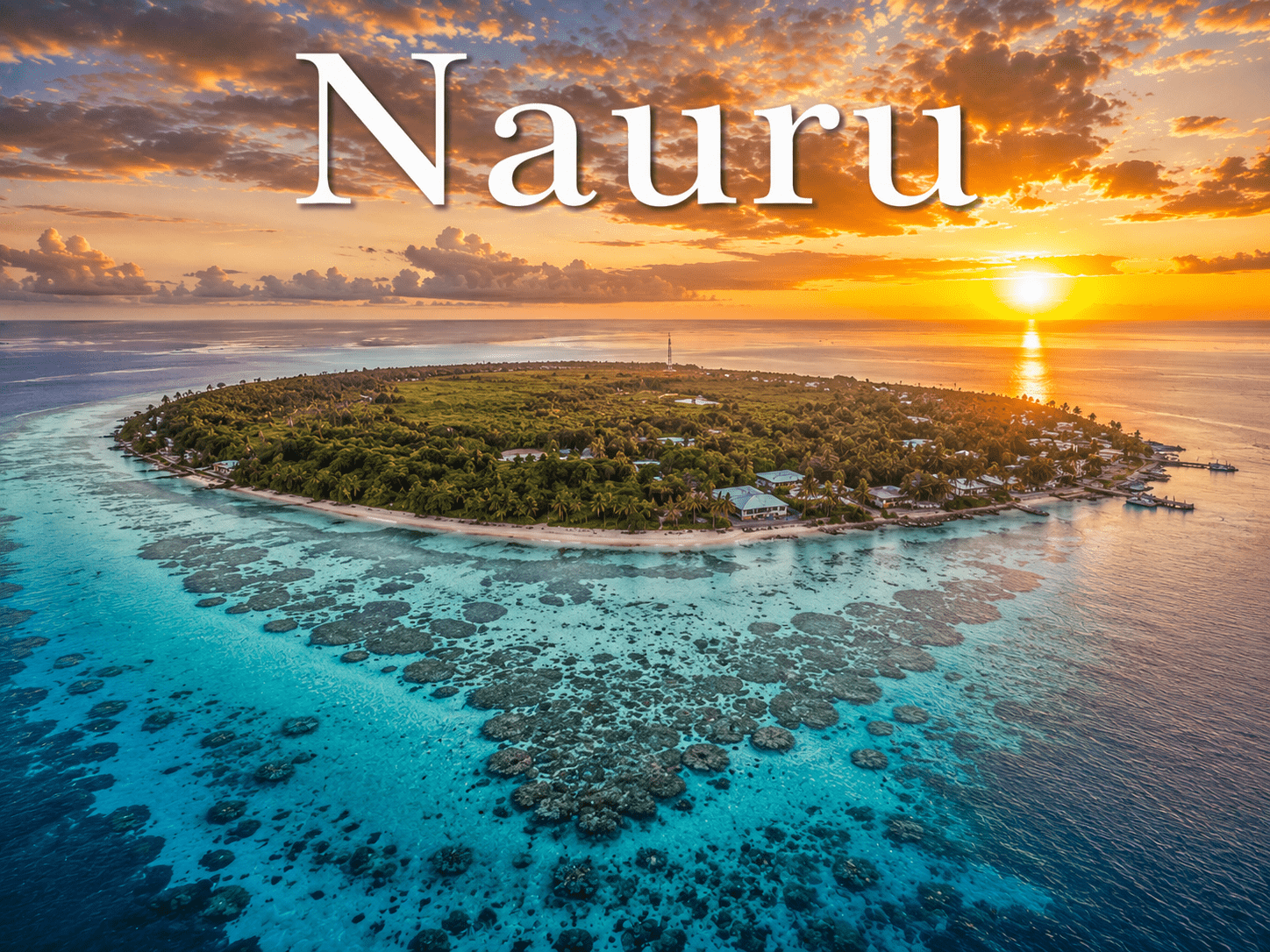
Nauru Introduction
Nauru is one of the world’s smallest island countries and one of the most unique destinations in the Pacific Ocean. Located in Micronesia northeast of Australia, Nauru is famous for tropical coastlines, coral reefs, phosphate mining history, and peaceful island culture.
Although small in size, Nauru offers fascinating history, scenic ocean views, warm tropical weather, and cultural traditions deeply connected to Pacific Island heritage. Travelers interested in remote destinations, island life, and off-the-beaten-path tourism often find Nauru especially intriguing.
The island nation is surrounded by turquoise Pacific waters and coral reefs, creating beautiful coastal scenery and marine biodiversity. Fishing, swimming, snorkeling, and nature photography are among the most enjoyable activities for visitors exploring Nauru.
Historically, Nauru became internationally important because of phosphate mining, which shaped the country’s economy and infrastructure for decades. Today, the island continues focusing on economic development, sustainability, and regional cooperation in the Pacific.
Modern Nauru combines island traditions with contemporary government institutions, education systems, and international partnerships while preserving cultural identity and community values.
Quick Facts About Nauru
| Feature | Details |
|---|---|
| Official Name | Republic of Nauru |
| Capital | No official capital city |
| Largest District | Yaren |
| Continent Region | Oceania |
| Population | Around 12,000 |
| Official Language | Nauruan and English |
| Currency | Australian Dollar |
| Government Type | Parliamentary Republic |
| Area | Approximately 21 sq km |
| Independence | 1968 |
History of Nauru
Early History of Nauru
The island of Nauru was originally settled by Micronesian and Polynesian peoples thousands of years ago.
Traditional communities relied heavily on fishing, coconut farming, and local resources for survival.
The island’s isolation allowed unique cultural traditions and languages to develop over many centuries.
European Contact
European explorers reached Nauru during the eighteenth and nineteenth centuries.
Foreign trade and colonial influence gradually changed the island’s social and economic systems.
Phosphate Mining Era
Nauru became internationally significant after large phosphate deposits were discovered.
Impact of Phosphate Mining
- Economic growth
- Infrastructure development
- International trade expansion
- Environmental changes
For many years, phosphate exports generated substantial national income.
Independence of Nauru
Nauru gained independence in 1968 and became a sovereign Pacific island nation.
Following independence, the country managed phosphate resources through national administration.
Modern Nauru
Modern Nauru continues developing infrastructure, healthcare, education, and environmental sustainability initiatives.
Regional partnerships and international cooperation remain important for economic and social development.
Geography of Nauru
Where Is Nauru Located?
Nauru is located in the central Pacific Ocean within the Micronesia region of Oceania.
Geographic Coordinates
- Latitude: 0.5228° S
- Longitude: 166.9315° E
The island is northeast of Australia and surrounded entirely by the Pacific Ocean.
Size and Landscape
Nauru is one of the world’s smallest independent countries.
Geographic Features
- Coral reefs
- Coastal cliffs
- Tropical coastline
- Central plateau
- Ocean scenery
The island can be explored relatively quickly because of its small size.
Coastal Environment
The coastline of Nauru contains rocky shores, coral reefs, and tropical ocean waters.
Coastal Activities
- Fishing
- Swimming
- Snorkeling
- Photography
Ocean views are visible from many areas across the island.
Climate of Nauru
Tropical Climate
Nauru has a tropical climate with warm temperatures throughout the year.
Weather Characteristics
- Warm ocean breezes
- Tropical humidity
- Seasonal rainfall
- Sunny coastal weather
The island experiences relatively consistent temperatures year-round.
Culture and Traditions of Nauru
Cultural Identity of Nauru
Nauru has a rich Pacific Island cultural identity shaped by Micronesian traditions and community values.
Family relationships, local customs, and island traditions remain important aspects of daily life.
Religion in Nauru
Christianity is the dominant religion in Nauru.
Churches and religious celebrations play significant roles within local communities.
Traditional Music and Dance
Music and dance are important cultural expressions in Nauru.
Cultural Performances Often Include
- Traditional singing
- Island dances
- Ceremonial celebrations
- Community festivals
Cultural events help preserve island heritage and traditions.
Food and Cuisine in Nauru
Traditional Cuisine
Cuisine in Nauru reflects Pacific Island traditions and imported international influences.
Popular Foods
- Fresh fish
- Coconut dishes
- Tropical fruits
- Rice meals
- Seafood recipes
Fishing continues playing an important role in local food culture.
Seafood Culture
Fresh seafood is commonly enjoyed throughout Nauru.
Popular Seafood Options
- Tuna
- Reef fish
- Shellfish
Ocean resources remain culturally and economically important.
Official Languages of Nauru
Nauruan Language
Nauruan is one of the official languages and reflects the island’s unique cultural heritage.
English Language
English is also widely used in education, government, and business communication.
Bilingual communication is common throughout Nauru.
Main Districts and Communities in Nauru
Yaren District
Yaren functions as the main administrative district of Nauru.
Important Facilities
- Government offices
- Parliament buildings
- Airport access
Although Nauru has no official capital city, Yaren serves many governmental functions.
Aiwo District
Aiwo is known for industrial activities and historical phosphate facilities.
Anibare District
Anibare is famous for beautiful coastal scenery and beach environments.
Popular Attractions
- Ocean views
- Beaches
- Photography locations
Tourism in Nauru
Why Visit Nauru?
Nauru attracts travelers seeking remote island experiences and peaceful Pacific scenery.
Top Reasons Tourists Visit
- Unique island culture
- Pacific Ocean landscapes
- Coral reef scenery
- Remote travel experiences
- Historical interest
The island offers a quiet atmosphere far from crowded tourism destinations.
Marine Life and Nature in Nauru
Coral Reefs
Coral reefs surrounding Nauru support marine biodiversity and tropical fish species.
Marine Activities
- Snorkeling
- Fishing
- Reef exploration
- Coastal photography
Tropical Ocean Views
Ocean scenery is one of the most attractive natural features of Nauru.
Sunrise and sunset views across the Pacific Ocean create beautiful photography opportunities.
External DoFollow Links
- United Nations Nauru Profile
- UNESCO Official Website
- World Bank Nauru Data
- Pacific Community Official Website
Nauru Economy Overview
Nauru has a small island economy historically shaped by phosphate mining, regional cooperation, fishing activities, and government services. Because of limited land area and natural resources, economic planning remains an important national priority.
Modern Nauru continues focusing on sustainability, infrastructure development, education, and environmental restoration projects.
The country also works closely with Pacific regional organizations and international partners to support long-term development.
Currency of Nauru
The official currency used in Nauru is the Australian Dollar (AUD).
Currency Facts
| Feature | Details |
|---|---|
| Official Currency | Australian Dollar |
| Currency Code | AUD |
| Banking Access | Limited banking services |
| Common Payments | Cash and cards |
Travelers are advised to prepare cash before arriving because financial services can be limited.
Phosphate Industry in Nauru
Phosphate mining played a major role in the history and economy of Nauru.
Effects of the Mining Industry
- Economic growth
- Infrastructure development
- Export revenue
- Environmental transformation
Although phosphate reserves declined over time, mining history remains deeply connected to national identity.
Fishing Industry
Fishing remains important for food supply and local economic activities.
Fishing Activities Include
- Coastal fishing
- Reef fishing
- Small-scale seafood trade
Pacific Ocean marine resources continue supporting local communities.
Tourist Attractions in Nauru
Anibare Bay
Anibare Bay is one of the most scenic coastal areas in Nauru.
Main Attractions
- Tropical ocean views
- Palm-lined beaches
- Photography spots
- Relaxing coastal atmosphere
The area is especially beautiful during sunrise hours.
Buada Lagoon
Buada Lagoon is a freshwater lagoon surrounded by tropical vegetation.
Popular Activities
- Nature walks
- Birdwatching
- Photography
The lagoon creates a peaceful contrast to coastal landscapes.
Command Ridge
Command Ridge is the highest point in Nauru and an important historical site.
Highlights
- Panoramic island views
- Historical World War II relics
- Scenic landscapes
Travelers interested in history and photography often visit this area.
Coastal Roads and Ocean Scenery
A coastal road circles the island, allowing visitors to explore ocean views and local communities easily.
Driving around the island is one of the simplest ways to experience Nauru.
Beaches and Marine Tourism in Nauru
Tropical Coastline
The Pacific coastline of Nauru offers beautiful ocean scenery and warm tropical weather.
Coastal Features
- Coral reefs
- Rocky beaches
- Clear ocean water
- Tropical sunsets
The peaceful atmosphere appeals to travelers seeking quiet island experiences.
Snorkeling and Marine Life
Coral reef ecosystems support tropical marine species around Nauru.
Marine Wildlife
- Reef fish
- Coral formations
- Sea birds
- Tropical ocean species
Snorkeling opportunities depend on ocean conditions and reef accessibility.
Fishing Experiences
Fishing remains one of the most popular traditional and recreational activities in Nauru.
Local communities maintain strong cultural connections to the Pacific Ocean.
Transportation in Nauru
Getting to Nauru
International flights connect Nauru with selected Pacific destinations and Australia.
The island’s airport serves as the main international gateway.
Transportation Around Nauru
Because of the island’s small size, transportation is relatively simple.
Common Transportation Options
- Rental vehicles
- Bicycles
- Walking
- Local transport
The circular island road allows easy access to most districts.
Festivals and Celebrations in Nauru
Independence Day Celebrations
Independence Day is one of the most important national celebrations in Nauru.
Festival Activities
- Cultural performances
- Traditional dances
- Community gatherings
- Sporting events
The celebration reflects national pride and cultural identity.
Community Festivals
Local festivals and gatherings often include music, dance, and shared meals.
Community participation remains an important part of island life.
Best Time to Visit Nauru
Dry Season
The drier months generally provide more comfortable travel conditions.
Advantages
- Sunny weather
- Better coastal visibility
- Pleasant sightseeing conditions
Tropical Weather Year-Round
Because of the tropical climate, warm temperatures remain consistent throughout the year.
Travelers should still prepare for humidity and occasional rainfall.
Food Experiences in Nauru
Fresh Seafood Cuisine
Seafood is one of the highlights of local cuisine in Nauru.
Popular Seafood Dishes
- Grilled reef fish
- Tuna meals
- Coconut seafood recipes
Fresh ingredients are commonly used in daily cooking.
Pacific Island Flavors
Cuisine often combines island traditions with imported international foods.
Common Ingredients
- Coconut
- Rice
- Fish
- Tropical fruits
Community meals remain important in social gatherings.
Modern Lifestyle in Nauru
Community-Focused Living
Life in Nauru is strongly connected to family and local community relationships.
Island culture emphasizes cooperation, tradition, and social support.
Education and Technology
Modern communication systems and educational institutions continue developing across Nauru.
Government programs support learning opportunities and public services.
Adventure and Outdoor Activities in Nauru
Coastal Exploration
Visitors often enjoy exploring beaches, coral coastlines, and ocean viewpoints.
Outdoor Activities
- Photography
- Walking tours
- Ocean sightseeing
- Fishing
Birdwatching
Sea birds and tropical bird species can be observed around coastal environments and lagoon areas.
Nature lovers appreciate the peaceful environment and island biodiversity.
Historical Tourism in Nauru
World War II History
Historical remains from World War II can still be found in parts of Nauru.
Historical Features
- Old bunkers
- Military relics
- Observation points
These sites provide insight into the island’s wartime history.
Environmental Challenges and Sustainability
Environmental Restoration
Past phosphate mining affected large areas of the island landscape.
Modern restoration and sustainability programs aim to improve environmental conditions and future development.
Climate Awareness
Like many Pacific island nations, Nauru faces environmental concerns connected to climate change and ocean ecosystems.
Regional cooperation supports environmental planning and sustainability projects.
External DoFollow Links
- United Nations Nauru Profile
- UNESCO Official Website
- World Bank Nauru Data
- Pacific Community Official Website
Unique and Interesting Facts About Nauru
Nauru Is One of the World’s Smallest Countries
Nauru is among the smallest independent nations on Earth by land area.
Despite its small size, the island has its own government, culture, language, and international representation.
Nauru Has No Official Capital City
Unlike most countries, Nauru does not officially designate a capital city.
Yaren district functions as the main administrative center where many government offices are located.
Nauru Is a Single-Island Nation
The entire country exists on one coral island surrounded by the Pacific Ocean.
Travelers can drive around the island relatively quickly using the coastal road.
Nauru Was Once Extremely Wealthy From Phosphate Mining
During the phosphate mining boom, Nauru became one of the wealthiest countries per capita in the world.
Mining exports shaped the economy and infrastructure for decades.
Nauru Has Strong Pacific Island Culture
Traditional island customs, family values, and community celebrations remain central to life in Nauru.
Cultural identity continues preserving Micronesian heritage and local traditions.
Education and Healthcare in Nauru
Education System in Nauru
Education is an important public service in Nauru.
Schools provide instruction in English and Nauruan while supporting literacy and community development.
Educational Focus Areas
- Language education
- Community learning
- Technology access
- Public education programs
Government initiatives continue improving educational opportunities for young people.
Healthcare Services in Nauru
Healthcare services are provided through hospitals and local medical facilities.
Because of the island’s small size, advanced medical treatment may sometimes require overseas support.
Healthcare Features
- Public healthcare services
- Community health programs
- Preventive healthcare initiatives
International partnerships support medical development and healthcare access.
Hidden Attractions in Nauru
Moqua Well
Moqua Well is an underground freshwater source historically important to local communities.
The area provides insight into traditional water resources and island geography.
Central Plateau Landscapes
The interior plateau reflects the island’s phosphate mining history and geological character.
Visitors interested in environmental history often explore these regions.
Quiet Coastal Viewpoints
Several peaceful coastal areas around Nauru provide excellent locations for:
- Sunset photography
- Ocean views
- Relaxation
- Walking
The calm environment makes the island appealing for slow travel experiences.
Cultural Traditions in Nauru
Community and Family Values
Strong family relationships and social cooperation remain central aspects of daily life in Nauru.
Community gatherings and celebrations play important roles in local culture.
Traditional Celebrations
Traditional celebrations often include:
- Music performances
- Island dances
- Shared meals
- Sporting activities
Festivals help preserve cultural identity and community spirit.
Handicrafts and Local Creativity
Local crafts and handmade items reflect Pacific Island artistic traditions.
Natural materials are commonly used in decorative and cultural products.
Food Experiences in Nauru
Island Seafood Traditions
Seafood remains one of the most important parts of cuisine in Nauru.
Common Seafood Options
- Tuna
- Reef fish
- Shellfish
Fishing traditions remain culturally important across generations.
Tropical Ingredients
Fresh tropical ingredients are commonly used in meals.
Popular Ingredients
- Coconut
- Banana
- Breadfruit
- Rice
- Seafood
Simple and fresh cooking styles are popular throughout the island.
Shopping and Local Markets in Nauru
Small Island Shops
Shopping in Nauru mainly focuses on small local stores and imported goods.
Travelers often purchase:
- Local souvenirs
- Handmade crafts
- Island-themed products
Community Markets
Community events and local markets occasionally feature food, crafts, and cultural products.
These gatherings provide insight into island life and local traditions.
Safety and Travel Tips for Nauru
Is Nauru Safe for Tourists?
Nauru is generally considered a peaceful destination with low levels of tourism-related crime.
Visitors usually experience a quiet and relaxed island atmosphere.
Important Travel Tips
Prepare Before Arrival
Because of the island’s remote location, travelers should organize flights, accommodation, and supplies in advance.
Carry Essential Items
Imported goods can sometimes be limited, so packing necessities is recommended.
Respect Local Culture
Polite behavior and respect for local customs are appreciated throughout Nauru.
Stay Hydrated
Warm tropical weather requires regular hydration and sun protection.
Best Experiences in Nauru
Watching Pacific Ocean Sunsets
Sunset views across the Pacific Ocean are among the most memorable experiences in Nauru.
Exploring the Island by Road
Travelers often enjoy driving or cycling around the entire island while discovering beaches and local districts.
Experiencing Remote Island Life
Nauru provides a rare opportunity to experience peaceful Pacific island culture away from crowded tourism destinations.
Visiting Historical Sites
Mining areas and World War II relics provide historical insight into the island’s past.
Nauru and International Organizations
United Nations Membership
Nauru became a member of the United Nations in 1999.
The country participates in international discussions involving climate change, sustainability, and Pacific regional cooperation.
Other International Organizations
Nauru works with several regional and international organizations, including:
- Pacific Islands Forum
- UNESCO
- Commonwealth partnerships
- Regional environmental programs
International cooperation supports economic development and environmental planning.
Final Summary
Nauru is one of the world’s most unique island nations, offering peaceful Pacific Ocean scenery, fascinating history, coral coastlines, and strong cultural traditions.
Although small in size, the island provides memorable travel experiences through remote island exploration, tropical ocean views, historical sites, and warm local hospitality.
From the coastal beauty of Anibare Bay to the historical significance of phosphate mining and the calm atmosphere of Pacific island life, Nauru presents a travel experience unlike larger tourism destinations.
Visitors interested in geography, remote islands, Pacific cultures, and quiet ocean landscapes often discover a special charm in Nauru’s simplicity and authenticity.
Key Facts About Nauru
| Category | Information |
|---|---|
| Official Name | Republic of Nauru |
| Administrative Center | Yaren |
| Region | Oceania |
| Population | Around 12,000 |
| Official Languages | Nauruan and English |
| Currency | Australian Dollar |
| Government Type | Parliamentary Republic |
| Area | Approximately 21 sq km |
| Main Ocean | Pacific Ocean |
| Major Industry | Phosphate mining |
| Independence | 1968 |
| UN Membership | Joined in 1999 |
Frequently Asked Questions About Nauru
What is Nauru famous for?
Nauru is famous for phosphate mining history, Pacific island scenery, coral reefs, and being one of the world’s smallest countries.
What is the best time to visit Nauru?
The drier months generally provide more comfortable conditions for sightseeing and outdoor exploration.
Is Nauru expensive for tourists?
Travel costs can vary because of the island’s remote location and limited tourism infrastructure.
What language is spoken in Nauru?
Nauruan and English are the official languages used throughout the island.
Is Nauru safe for travelers?
Nauru is generally considered peaceful and safe for visitors.
Internal Links
Explore more destinations:
External DoFollow Links
- United Nations Nauru Profile
- UNESCO Official Website
- World Bank Nauru Data
- Pacific Community Official Website

