



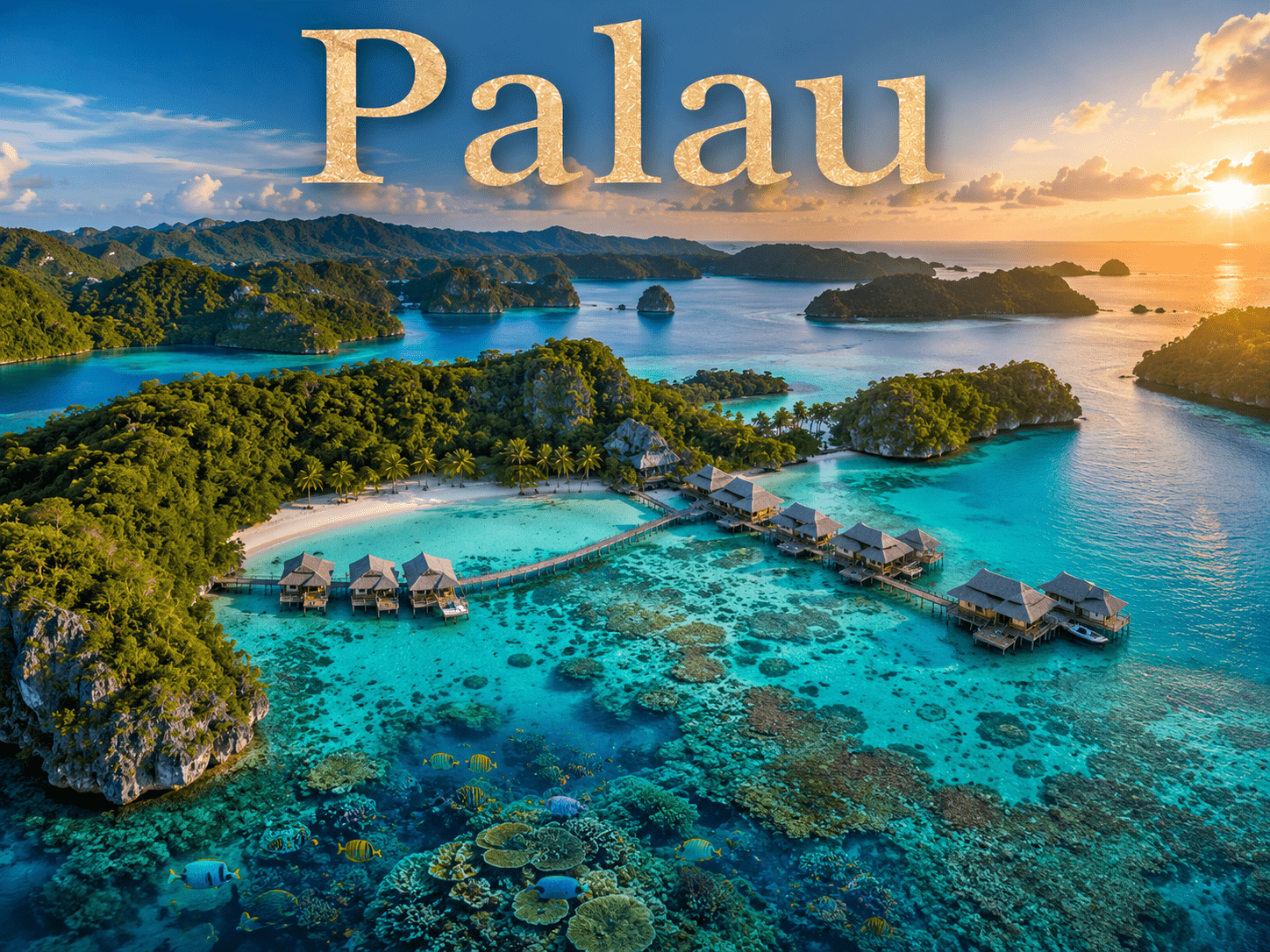
Palau – The Hidden Paradise of the Pacific Ocean
Palau is one of the world’s most breathtaking tropical island destinations, famous for crystal-clear lagoons, coral reefs, marine biodiversity, limestone islands, and rich Pacific Islander culture. Located in the western Pacific Ocean within Micronesia, the country offers extraordinary underwater adventures, untouched nature, and peaceful island life.
From turquoise waters and jungle-covered islands to vibrant coral reefs and hidden beaches, travelers experience some of the most beautiful natural scenery on Earth. The nation is internationally recognized as a leading eco-tourism destination with strong commitments to marine conservation and environmental protection.
The country is admired for:
- World-class scuba diving
- Marine biodiversity
- Tropical island scenery
- Sustainable tourism
- Pacific Island culture
Unlike heavily crowded tourism destinations, Palau provides a peaceful atmosphere where visitors can enjoy nature, island traditions, and ocean adventures in relatively untouched surroundings.
Historical Background of Palau
Early Island Settlements
The islands of Palau were inhabited thousands of years ago by Austronesian peoples who developed advanced seafaring and fishing traditions.
Early communities relied on:
- Fishing
- Agriculture
- Canoe navigation
- Inter-island trade
Colonial Periods
Over centuries, the islands came under influence from:
- Spain
- Germany
- Japan
- United States administration
Each colonial period shaped aspects of:
- Infrastructure
- Language
- Education
- Administration
World War II History
The Pacific islands played strategic roles during World War II. Several historic battle sites remain important historical landmarks today.
Independence and Modern Nationhood
Palau became an independent nation in 1994 while maintaining close international partnerships.
Geographical Location and Natural Features
Where Is Palau Located?
Palau is located in the western Pacific Ocean in the Micronesia region of Oceania.
Nearby regions include:
- Philippines
- Indonesia
- Papua New Guinea
- Federated States of Micronesia
Geographic Coordinates
- Approximate Coordinates: 7°N latitude and 134°E longitude
Island Geography
The nation consists of hundreds of islands surrounded by:
- Coral reefs
- Lagoons
- Tropical forests
- Marine ecosystems
Rock Islands
The famous Rock Islands are among the country’s most iconic natural attractions.
These limestone islands feature:
- Jungle vegetation
- Hidden lagoons
- Blue water channels
- Diving sites
Climate in Palau
Tropical Climate
Palau experiences a warm tropical climate throughout the year.
Weather Characteristics
- Warm temperatures
- High humidity
- Tropical rainfall
- Sunny coastal conditions
Best Time to Visit
The best tourism season is generally:
- November to April
This period offers:
- Better diving conditions
- Clearer water visibility
- Comfortable travel weather
Culture and Traditions of Palau
Pacific Island Heritage
The culture of Palau reflects strong Pacific Island traditions and community values.
Important cultural themes include:
- Respect for elders
- Community cooperation
- Environmental respect
- Maritime traditions
Traditional Villages
Traditional villages preserve:
- Indigenous customs
- Storytelling
- Ceremonial practices
- Handicrafts
Community Life
Family and community relationships remain central to island society.
Religion in Palau
Christianity is the dominant religion, although traditional beliefs and cultural customs still influence local traditions.
Religious Life
Churches and religious celebrations play important roles in:
- Community activities
- Festivals
- Education
- Family gatherings
Music and Arts in Palau
Traditional Music
Traditional music includes:
- Drumming
- Chanting
- Dance performances
- Ceremonial songs
Handicrafts
Local artisans create:
- Wood carvings
- Woven crafts
- Canoe decorations
- Jewelry
Dance Traditions
Cultural dances are performed during:
- Festivals
- Ceremonies
- Community events
Cuisine of Palau
Cuisine combines Pacific Island flavors with Asian and international influences.
Popular Foods
Seafood
Fresh fish and shellfish are central to local cuisine.
Taro
A traditional root crop widely used in meals.
Coconut-Based Dishes
Coconut milk and tropical fruits appear in many recipes.
Tropical Fruits
Common fruits include:
- Papaya
- Mango
- Banana
- Pineapple
Economy of Palau
Tourism-Based Economy
Palau relies heavily on tourism and marine-related industries.
Currency
The official currency is the United States Dollar (USD).
Major Economic Sectors
Key industries include:
- Tourism
- Fishing
- Agriculture
- Government services
Eco-Tourism
Marine tourism is internationally important due to:
- Diving sites
- Coral reefs
- Conservation efforts
- Luxury island resorts
Major Cities and Towns in Palau
Ngerulmud – The Capital
Ngerulmud is the official capital city.
Government institutions are located here.
Koror
Koror is the main commercial and tourism center.
The city is known for:
- Hotels
- Restaurants
- Diving operators
- Waterfront scenery
Melekeok
Melekeok is known for:
- Government buildings
- Coastal landscapes
- Quiet island atmosphere
Languages Spoken in Palau
Official Languages
The official languages include:
- Palauan
- English
Other Languages
Additional regional languages and dialects are spoken on different islands.
English is commonly used in:
- Tourism
- Education
- Government
Tourist Attractions in Palau
Rock Islands
The Rock Islands are internationally famous for:
- Kayaking
- Diving
- Snorkeling
- Hidden lagoons
Jellyfish Lake
One of the world’s most unique attractions where visitors can swim among harmless jellyfish.
Blue Corner
A globally renowned scuba diving destination with:
- Coral reefs
- Sharks
- Tropical fish
- Strong currents
Ngardmau Waterfall
A beautiful tropical waterfall surrounded by rainforest landscapes.
Palau and International Organizations
Palau is a member of several international organizations including:
- United Nations (UN)
- Pacific regional organizations
- Environmental conservation partnerships
Official Resources
Marine Biodiversity and Natural Environment in Palau
Palau is considered one of the world’s greatest marine biodiversity hotspots. The country’s pristine ocean ecosystems, coral reefs, lagoons, and tropical forests support extraordinary wildlife and eco-tourism opportunities.
The surrounding Pacific waters contain:
- Coral reefs
- Tropical fish
- Sharks
- Sea turtles
- Jellyfish lakes
- Mangrove forests
Marine conservation remains a major national priority.
Coral Reef Ecosystems
The reefs surrounding Palau are among the healthiest in the Pacific region.
These underwater ecosystems support:
- Colorful coral formations
- Reef fish
- Marine mammals
- Sea turtles
Tropical Forests and Mangroves
The islands feature dense tropical vegetation including:
- Coconut trees
- Mangrove forests
- Rainforest ecosystems
- Coastal vegetation
Mangroves help protect shorelines and marine habitats.
National Parks and Protected Areas
Rock Islands Southern Lagoon
This UNESCO-recognized region is one of the country’s most important protected marine environments.
Visitors enjoy:
- Snorkeling
- Kayaking
- Diving
- Scenic boat tours
Marine Sanctuaries
Marine protected areas preserve:
- Coral reefs
- Shark populations
- Turtle nesting sites
- Fish breeding grounds
Forest Conservation Areas
Protected inland regions conserve tropical biodiversity and freshwater ecosystems.
Wildlife in Palau
Marine Wildlife
The waters surrounding Palau support extraordinary marine species.
Popular sightings include:
- Reef sharks
- Manta rays
- Dolphins
- Sea turtles
- Barracudas
Tropical Birds
Island forests support tropical bird species and migratory birds.
Jellyfish Lake
This unique marine lake contains millions of harmless jellyfish, creating one of the world’s most unusual swimming experiences.
Festivals and Cultural Celebrations
Independence Day Celebrations
National celebrations include:
- Cultural performances
- Community events
- Traditional dances
- Music festivals
Canoe and Maritime Festivals
Traditional maritime heritage is celebrated through:
- Canoe races
- Ocean ceremonies
- Fishing traditions
Cultural Festivals
Local festivals showcase:
- Traditional crafts
- Island food
- Dance performances
- Storytelling traditions
Traditional Clothing and Heritage
Traditional Island Clothing
Traditional attire often uses:
- Natural fibers
- Tropical fabrics
- Decorative island patterns
Canoe Culture
Traditional canoe building reflects centuries of Pacific navigation and seafaring expertise.
Community Traditions
Village customs continue emphasizing:
- Respect for elders
- Family unity
- Shared responsibilities
- Environmental stewardship
Arts, Architecture, and Handicrafts
Traditional Craftsmanship
Artisans create:
- Wooden carvings
- Canoes
- Jewelry
- Woven baskets
Pacific Island Architecture
Traditional structures often feature:
- Open-air designs
- Tropical materials
- Elevated construction
Storytelling Traditions
Oral storytelling remains important in preserving:
- History
- Legends
- Cultural identity
Adventure Tourism in Palau
Scuba Diving
Palau is globally famous for scuba diving.
Popular diving experiences include:
- Coral reef dives
- Shark encounters
- Underwater caves
- Drift diving
Snorkeling
Crystal-clear waters provide exceptional snorkeling conditions.
Kayaking and Island Hopping
Travelers explore:
- Hidden lagoons
- Limestone islands
- Mangrove channels
Fishing Adventures
Sport fishing and traditional fishing experiences attract marine tourism enthusiasts.
Transportation and Travel Around Palau
International Access
Flights connect Palau with destinations across:
- Asia
- Pacific islands
- Oceania
Boat Transportation
Boats are essential for:
- Island hopping
- Tourism excursions
- Community connections
Road Networks
Road systems mainly connect populated islands and tourism areas.
Best Time to Visit Palau
Dry Season
The best tourism period is generally from:
- November to April
During this season:
- Ocean visibility improves
- Diving conditions are excellent
- Rainfall decreases
Tropical Travel Conditions
Warm temperatures continue throughout the year, making beach tourism popular in every season.
Food Culture and Culinary Traditions
Seafood Cuisine
Fresh seafood remains central to the cuisine of Palau.
Popular seafood includes:
- Tuna
- Reef fish
- Crab
- Lobster
Tropical Ingredients
Meals commonly use:
- Coconut milk
- Root vegetables
- Tropical fruits
- Rice
Fusion Influences
Cuisine reflects cultural influences from:
- Pacific Islands
- Asia
- Western cuisines
Maritime Heritage and Ocean Traditions
Ancient Navigation Skills
Pacific navigators from the region traveled vast ocean distances using:
- Stars
- Ocean currents
- Wind patterns
Fishing Culture
Fishing traditions remain important for:
- Food supply
- Community life
- Cultural identity
Education and Modern Development
Educational Growth
Modern education systems support:
- Tourism training
- Environmental studies
- Marine sciences
Sustainable Tourism
The government promotes eco-friendly tourism policies focused on:
- Conservation
- Environmental awareness
- Marine protection
Digital Connectivity
Modern infrastructure continues improving communications and tourism services.
Daily Life and Modern Lifestyle
Relaxed Island Atmosphere
Daily life in Palau reflects peaceful island living and strong community values.
Community-Oriented Society
Communities emphasize:
- Cooperation
- Cultural preservation
- Family relationships
Tourism and Hospitality
Hospitality industries continue growing alongside eco-tourism development.
Hidden Gems in Palau
Long Beach
A hidden sandbar appearing during low tide with crystal-clear turquoise waters.
Milky Way Lagoon
Famous for white mineral-rich mud believed to have natural skincare benefits.
Peleliu Island
Known for:
- World War II history
- Beaches
- Diving sites
- Historical landmarks
Environmental Sustainability
Marine Conservation Leadership
Palau is internationally respected for marine conservation efforts.
Protected areas focus on:
- Shark sanctuaries
- Coral reef protection
- Sustainable fishing
- Eco-tourism
Climate Change Challenges
Island ecosystems face risks from:
- Rising sea levels
- Coral bleaching
- Climate change impacts
Eco-Tourism Policies
Tourism strategies emphasize:
- Environmental education
- Sustainable travel
- Reef conservation
Tourism Growth and International Appeal
Tourism continues growing because Palau offers:
- World-class diving
- Tropical scenery
- Peaceful island experiences
- Marine biodiversity
- Eco-tourism adventures
The nation attracts:
- Divers
- Nature photographers
- Luxury travelers
- Adventure tourists
Government and Political Structure
Palau operates as a democratic republic with constitutional governance and strong international partnerships. Since independence, the country has focused on environmental leadership, sustainable tourism, and peaceful international cooperation.
National Government
The government oversees:
- Economic development
- Marine conservation
- Tourism policies
- Infrastructure projects
- International relations
Legislative System
The national legislature manages:
- Lawmaking
- Budget planning
- Environmental regulations
- Public administration
International Cooperation
Palau maintains diplomatic partnerships with nations across:
- Asia
- Oceania
- North America
- Pacific island regions
Famous Landmarks in Palau
Rock Islands
The Rock Islands are the country’s most iconic attraction.
These limestone islands feature:
- Hidden lagoons
- Tropical forests
- Coral reefs
- Scenic waterways
Jellyfish Lake
One of the world’s most unique natural attractions where visitors can swim among harmless jellyfish in crystal-clear water.
Blue Corner
A globally famous diving site attracting scuba divers from around the world.
Marine life includes:
- Sharks
- Barracudas
- Coral reefs
- Tropical fish
Ngardmau Waterfall
A beautiful rainforest waterfall surrounded by tropical jungle scenery.
Peleliu Historical Sites
Historic battlefields and memorials reflect the island’s World War II history.
Unique and Interesting Facts About Palau
Marine Sanctuary Leadership
Palau established one of the world’s largest marine sanctuaries.
Hundreds of Islands
The country consists of hundreds of islands scattered across the Pacific Ocean.
World-Class Diving Destination
Divers consider the nation among the best scuba diving destinations globally.
Eco-Tourism Pioneer
The country strongly promotes sustainable tourism and environmental conservation.
Rich Marine Biodiversity
Waters surrounding the islands contain extraordinary coral reef ecosystems and tropical marine species.
Business and Economic Opportunities
Tourism Industry
Tourism remains the most important economic sector in Palau.
Popular tourism industries include:
- Diving tourism
- Luxury resorts
- Eco-tourism
- Marine excursions
Fisheries
Fishing industries support:
- Local food supply
- Export markets
- Maritime employment
Sustainable Development
Economic planning increasingly focuses on:
- Environmental protection
- Renewable energy
- Sustainable tourism
Detailed Guide to Major Cities and Towns
Koror
Koror is the country’s main tourism and commercial center.
Travelers enjoy:
- Waterfront hotels
- Restaurants
- Diving operators
- Museums
- Shopping areas
Ngerulmud
Ngerulmud serves as the official capital and administrative center.
Melekeok
Melekeok offers:
- Quiet coastal scenery
- Government buildings
- Traditional island atmosphere
Festivals and Cultural Celebrations
Independence Day
National celebrations feature:
- Traditional performances
- Community events
- Cultural festivals
- Island music
Maritime Celebrations
Ocean traditions are celebrated through:
- Canoe races
- Fishing competitions
- Cultural ceremonies
Cultural Heritage Events
Festivals preserve:
- Dance traditions
- Storytelling
- Indigenous customs
- Pacific Island music
Transportation and Infrastructure
Air Transportation
International flights connect Palau with:
- Asia
- Pacific island nations
- Regional tourism destinations
Boat Travel
Boats remain essential for:
- Island transportation
- Tourism activities
- Community access
Tourism Infrastructure
Resorts, diving centers, and transportation systems continue improving for international visitors.
Education and Scientific Development
Marine Science Research
The country supports research related to:
- Coral reef conservation
- Climate change
- Marine ecosystems
- Sustainable tourism
Environmental Education
Educational initiatives encourage:
- Conservation awareness
- Eco-tourism responsibility
- Marine protection
Cuisine and Culinary Experiences
Seafood Traditions
Fresh seafood dominates local cuisine.
Popular dishes include:
- Grilled fish
- Tuna meals
- Crab dishes
- Coconut seafood recipes
Tropical Flavors
Meals often feature:
- Coconut milk
- Banana
- Taro
- Breadfruit
International Influence
Tourism and international connections have introduced:
- Asian cuisine
- Western restaurants
- Fusion island dining
Suggested 7-Day Travel Itinerary
Day 1–2: Koror
Explore museums, local markets, and waterfront districts.
Day 3: Rock Islands Tour
Enjoy kayaking, snorkeling, and island exploration.
Day 4: Diving Adventure
Experience Blue Corner and coral reef diving sites.
Day 5: Jellyfish Lake
Swim among harmless jellyfish and explore nearby lagoons.
Day 6: Peleliu Island
Visit historical sites and scenic beaches.
Day 7: Relaxation and Eco-Tourism
Enjoy beach resorts, marine conservation tours, and tropical island scenery.
Why Travelers Love Palau
Travelers admire Palau because it offers:
- Crystal-clear lagoons
- Extraordinary diving
- Peaceful island atmosphere
- Marine biodiversity
- Sustainable tourism
- Tropical paradise scenery
The country combines eco-tourism, Pacific Island culture, and ocean adventures in one of the world’s most pristine tropical environments.
UNESCO and International Recognition
Several natural and marine environments associated with Palau receive international recognition through:
- UNESCO
- United Nations
- Marine conservation organizations
Official Resources
Challenges and Future Outlook
Climate Change Risks
Environmental challenges include:
- Rising sea levels
- Coral bleaching
- Ocean warming
- Coastal erosion
Sustainable Tourism Management
Development priorities focus on:
- Eco-tourism
- Conservation
- Marine protection
- Responsible travel
Economic Diversification
The country continues exploring:
- Renewable energy
- Sustainable fisheries
- Environmental partnerships
Final Summary
Palau is one of the Pacific Ocean’s most extraordinary tropical destinations, offering crystal-clear lagoons, vibrant coral reefs, peaceful island culture, and world-class marine adventures. From the iconic Rock Islands and Jellyfish Lake to spectacular diving sites and rainforest waterfalls, the country provides unforgettable experiences for travelers seeking nature, relaxation, and eco-tourism.
Its commitment to environmental conservation and sustainable tourism has made the nation an international model for protecting marine ecosystems while welcoming visitors from around the world. Travelers can enjoy scuba diving, snorkeling, kayaking, tropical beaches, cultural festivals, and authentic Pacific Island hospitality in an atmosphere far removed from crowded tourism centers.
Whether exploring hidden lagoons, swimming among jellyfish, or relaxing beside turquoise waters, visitors discover one of the world’s most beautiful and environmentally important island nations.
Palau Key Facts Table
| Category | Information |
|---|---|
| Official Name | Republic of Palau |
| Capital City | Ngerulmud |
| Region | Oceania / Micronesia |
| Official Languages | Palauan and English |
| Currency | United States Dollar (USD) |
| Population | Around 20,000 |
| Major Religion | Christianity |
| Climate | Tropical Climate |
| Famous Natural Feature | Rock Islands |
| Main Industries | Tourism, Fishing, Services |
| Major Exports | Fish and Marine Products |
| UN Membership | Yes |
| Famous Attraction | Jellyfish Lake |
| Major Tourism Activity | Scuba Diving |
| Ocean Region | Western Pacific Ocean |
FAQ Section
What is Palau famous for?
The country is famous for scuba diving, coral reefs, Rock Islands, Jellyfish Lake, and marine biodiversity.
What language is spoken in Palau?
Palauan and English are the official languages.
What is the capital of Palau?
Ngerulmud is the capital city.
What currency is used in Palau?
The official currency is the United States Dollar (USD).
What are the best tourist attractions in Palau?
Popular attractions include Rock Islands, Blue Corner, Jellyfish Lake, Ngardmau Waterfall, and Peleliu Island.

