



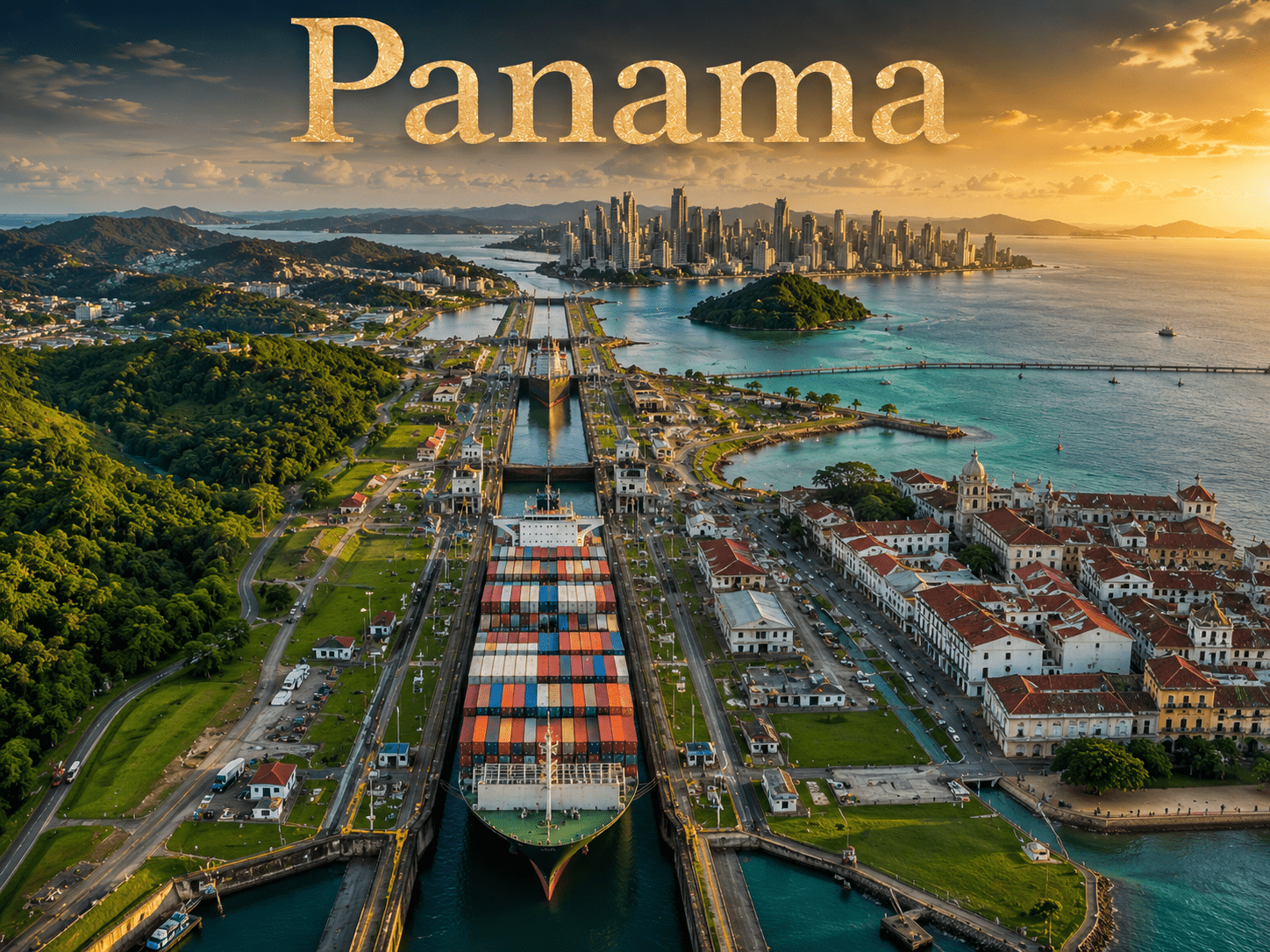
Panama – The Bridge Between Two Oceans
Panama is one of Central America’s most fascinating destinations, famous for the world-renowned canal connecting the Atlantic and Pacific Oceans, tropical rainforests, modern skyline cities, Caribbean islands, biodiversity, and vibrant Latin culture. Positioned as a natural bridge between North and South America, the country has played a major role in global trade, transportation, and maritime history.
From cosmopolitan city districts and colonial neighborhoods to jungle-covered mountains and pristine beaches, travelers experience extraordinary diversity across the nation. Visitors can explore engineering wonders, indigenous traditions, marine ecosystems, and tropical adventures within a relatively compact territory.
The country is admired for:
- The Panama Canal
- Tropical biodiversity
- Modern urban development
- Caribbean and Pacific coastlines
- Rich multicultural heritage
Unlike many destinations that focus only on beaches or cities, Panama offers a balanced mix of history, nature, commerce, and adventure tourism.
Historical Background of Panama
Indigenous Civilizations
Long before European arrival, indigenous communities inhabited the territory of Panama.
These communities developed:
- Trade networks
- Agriculture
- Fishing traditions
- Artistic crafts
Several indigenous groups continue preserving traditional lifestyles today.
Spanish Colonial Period
Spanish explorers arrived during the early 16th century, transforming the region into an important colonial trade route.
The territory became strategically important because goods from South America crossed the isthmus before shipping toward Europe.
The Gold and Silver Trade Routes
Colonial routes through Panama transported:
- Gold
- Silver
- Agricultural goods
- Precious resources
Independence and Nationhood
The country eventually separated from Spanish colonial control and later became independent in the early 20th century.
Construction of the Panama Canal
One of the most important engineering achievements in modern history was the construction of the Panama Canal, which transformed global shipping and international trade.
Geographical Location and Natural Features
Where Is Panama Located?
Panama is located in Central America between:
- Costa Rica
- Colombia
The nation borders:
- Caribbean Sea
- Pacific Ocean
Geographic Coordinates
- Approximate Coordinates: 9°N latitude and 80°W longitude
Tropical Geography
The country contains:
- Rainforests
- Beaches
- Mountains
- Islands
- Rivers
Strategic Isthmus
The narrow land bridge connecting North and South America gives Panama exceptional geographic importance.
Climate in Panama
Tropical Climate
The country experiences warm temperatures throughout the year.
Weather Characteristics
- High humidity
- Tropical rainfall
- Warm coastal temperatures
- Sunny beach conditions
Dry Season
The best tourism period generally runs from:
- December to April
Rainy Season
Rainfall supports:
- Lush rainforests
- Rivers
- Biodiversity
Culture and Traditions of Panama
Multicultural Society
Panama reflects influences from:
- Indigenous cultures
- Spanish heritage
- African traditions
- Caribbean communities
- International commerce
Traditional Celebrations
Cultural festivals feature:
- Music
- Dancing
- Traditional costumes
- Parades
Hospitality and Community
Family relationships and hospitality remain important cultural values.
Religion in Panama
Christianity is the dominant religion, especially Roman Catholicism.
Religious Traditions
Religious celebrations influence:
- Festivals
- Community life
- Public holidays
- Cultural customs
Music and Arts in Panama
Traditional Music
Musical traditions include:
- Folk rhythms
- Caribbean influences
- Latin dance styles
Dance Traditions
Popular dance forms reflect African and Spanish cultural heritage.
Handicrafts
Artisans produce:
- Textiles
- Indigenous crafts
- Jewelry
- Wood carvings
Cuisine of Panama
Cuisine combines Latin American, Caribbean, and indigenous influences.
Popular Foods
Sancocho
Traditional chicken soup with herbs and root vegetables.
Ceviche
Fresh seafood marinated with citrus and spices.
Tamales
Corn-based dishes wrapped in leaves.
Patacones
Fried plantains commonly served as side dishes.
Tropical Ingredients
Meals frequently include:
- Coconut
- Rice
- Seafood
- Tropical fruits
Economy of Panama
International Trade Hub
Panama has one of the region’s most important economies due to:
- Global shipping
- Financial services
- Tourism
- Canal operations
Currency
The official currency is the Panamanian Balboa, alongside the United States Dollar (USD).
The Panama Canal Economy
The canal generates major revenue through:
- International shipping traffic
- Maritime logistics
- Trade services
Financial Sector
The country is known for:
- Banking services
- International commerce
- Business investment
Major Cities in Panama
Panama City – The Capital
Panama City is the capital and largest city.
The city is famous for:
- Modern skyscrapers
- Historic districts
- Canal access
- International business
Colón
Colón is an important Caribbean port city connected to maritime trade.
David
David serves as a gateway to mountain and agricultural regions.
Bocas del Toro
Bocas del Toro is known for:
- Caribbean beaches
- Island tourism
- Diving
- Nightlife
Languages Spoken in Panama
Official Language
Spanish is the official language used in:
- Government
- Education
- Media
Other Languages
Additional languages include:
- English
- Indigenous languages
- Caribbean dialects
English is common in tourism and business sectors.
Tourist Attractions in Panama
Panama Canal
The world-famous canal remains the nation’s most important attraction.
Visitors can observe:
- Massive ships
- Canal locks
- Engineering systems
- Maritime museums
Casco Viejo
Historic colonial district known for:
- Architecture
- Cafés
- Churches
- Cultural heritage
San Blas Islands
A tropical paradise featuring:
- White-sand beaches
- Indigenous culture
- Turquoise waters
Bocas del Toro
Popular for:
- Diving
- Beaches
- Caribbean culture
- Island adventures
Panama and International Organizations
Panama is a member of several international organizations including:
- United Nations (UN)
- Organization of American States (OAS)
- World Trade Organization (WTO)
Official Resources
Biodiversity and Natural Environment in Panama
Panama is considered one of the most biodiverse countries in Central America. Its unique geographic location between two continents and two oceans created extraordinary ecosystems filled with tropical wildlife, rainforests, mountains, mangroves, coral reefs, and marine habitats.
Nature lovers visit the country to experience:
- Tropical rainforests
- Exotic birds
- Caribbean islands
- Pacific coast beaches
- Coral reefs
- Wildlife reserves
The country’s ecological importance attracts researchers, photographers, and eco-tourists from around the world.
Tropical Rainforests
Large rainforest regions cover parts of Panama and support rich biodiversity.
Rainforest environments contain:
- Dense jungle vegetation
- Rivers
- Waterfalls
- Tropical wildlife
Mountain Landscapes
Mountain regions offer:
- Cooler temperatures
- Scenic valleys
- Agricultural farms
- Hiking trails
Coastal Ecosystems
The nation has coastlines on both:
- Caribbean Sea
- Pacific Ocean
These coastal environments support:
- Coral reefs
- Mangrove forests
- Marine wildlife
- Fishing communities
National Parks and Protected Areas
Darién National Park
One of the most important protected rainforest regions in Central America.
The park contains:
- Dense jungle
- Rare wildlife
- Indigenous communities
- River systems
Coiba National Park
This marine park is famous for:
- Diving sites
- Coral reefs
- Marine biodiversity
- Island ecosystems
Soberanía National Park
Located near the canal region, this park is internationally recognized for birdwatching and rainforest tourism.
Wildlife in Panama
Tropical Birds
Panama is a paradise for birdwatchers.
Popular species include:
- Toucans
- Parrots
- Hummingbirds
- Eagles
Rainforest Animals
Wildlife includes:
- Monkeys
- Sloths
- Jaguars
- Reptiles
Marine Wildlife
The surrounding oceans support:
- Dolphins
- Sea turtles
- Tropical fish
- Coral ecosystems
Festivals and Cultural Celebrations
Carnival Celebrations
Carnival festivals are among the country’s biggest cultural events.
Festivities include:
- Music
- Dancing
- Street parades
- Traditional costumes
Independence Celebrations
National holidays feature:
- Historical commemorations
- Community gatherings
- Public events
Indigenous Festivals
Traditional communities preserve cultural ceremonies involving:
- Dance
- Handicrafts
- Music
- Storytelling
Indigenous Cultures and Heritage
Indigenous Communities
Several indigenous groups continue preserving their traditions in Panama.
These communities maintain:
- Native languages
- Traditional clothing
- Handicrafts
- Cultural ceremonies
Guna Culture
The Guna people are especially famous for:
- Island communities
- Textile art
- Traditional governance
Traditional Handicrafts
Local crafts include:
- Woven baskets
- Colorful textiles
- Jewelry
- Wood carvings
Arts, Architecture, and Handicrafts
Colonial Architecture
Historic districts display:
- Spanish colonial buildings
- Churches
- Plazas
- Stone streets
Modern Architecture
Urban areas feature:
- Modern skyscrapers
- Waterfront developments
- Luxury hotels
Traditional Arts
Artistic traditions combine:
- Indigenous creativity
- Caribbean influences
- Latin American styles
Adventure Tourism in Panama
Rainforest Hiking
Travelers explore:
- Jungle trails
- Waterfalls
- Wildlife reserves
- Mountain paths
Island Tourism
Popular island experiences include:
- Snorkeling
- Diving
- Sailing
- Beach relaxation
Surfing
Pacific coast beaches attract surfers due to:
- Strong waves
- Tropical scenery
- Coastal resorts
Scuba Diving
Marine tourism is growing rapidly because of:
- Coral reefs
- Tropical fish
- Shipwreck sites
Transportation and Travel Around Panama
International Airports
Major airports connect Panama with:
- North America
- South America
- Europe
- Caribbean destinations
The Canal Transportation System
The canal remains one of the world’s most important maritime trade routes.
Roads and Highways
Modern highways connect:
- Major cities
- Beach destinations
- Mountain regions
Domestic Flights and Boats
Domestic travel often includes:
- Regional flights
- Ferries
- Island boats
Best Time to Visit Panama
Dry Season
The best travel season usually runs from:
- December to April
This period offers:
- Sunny beach weather
- Better hiking conditions
- Easier island travel
Rainy Season
Rainy months bring:
- Lush greenery
- Powerful waterfalls
- Tropical rainforest beauty
Food Culture and Culinary Traditions
Seafood Cuisine
Fresh seafood is central to the cuisine of Panama.
Popular seafood dishes include:
- Ceviche
- Fried fish
- Shrimp dishes
- Coconut seafood soups
Caribbean Influences
Caribbean regions feature:
- Coconut rice
- Spicy flavors
- Tropical ingredients
Tropical Fruits
Common fruits include:
- Mango
- Papaya
- Pineapple
- Banana
Maritime Heritage and Canal Culture
Global Shipping Importance
The canal transformed Panama into a global transportation hub.
Port Cities
Maritime industries support:
- Shipping
- Logistics
- Trade
- Tourism
Canal Museums
Museums explain:
- Canal engineering
- Construction history
- Maritime trade development
Education and Modern Development
Educational Expansion
Modern educational institutions support:
- Science
- Technology
- International business
- Environmental research
Economic Growth
Urban development continues through:
- Financial investment
- Tourism infrastructure
- Transportation projects
Technology and Business
The country increasingly promotes:
- International finance
- Logistics technology
- Digital services
Daily Life and Modern Lifestyle
Urban Living
Modern life in Panama combines international business culture with Latin American traditions.
Family and Community
Strong family relationships remain central to society.
Tourism and Hospitality
Hospitality industries continue expanding rapidly.
Hidden Gems in Panama
Boquete
A mountain town famous for:
- Coffee farms
- Cool climate
- Hiking trails
- Volcano views
Pearl Islands
These islands feature:
- White-sand beaches
- Marine wildlife
- Luxury tourism
Santa Catalina
Known for:
- Surfing
- Diving
- Relaxed coastal atmosphere
Environmental Sustainability
Conservation Programs
Protected areas focus on:
- Rainforest conservation
- Marine ecosystems
- Wildlife protection
- Sustainable tourism
Climate Challenges
Environmental concerns include:
- Deforestation
- Coastal erosion
- Climate change impacts
Eco-Tourism Growth
Sustainable tourism encourages:
- Wildlife protection
- Environmental education
- Responsible travel
Tourism Growth and International Appeal
Tourism continues expanding because Panama offers:
- Modern cities
- Tropical beaches
- Rainforest adventures
- Canal tourism
- Cultural diversity
The nation attracts:
- Eco-tourists
- Business travelers
- Beach vacation visitors
- Adventure travelers
Government and Political Structure
Panama operates as a democratic republic with a constitutional government and an internationally connected economy. Due to its strategic geographic location and canal operations, the country plays an important role in global trade and diplomacy.
National Administration
The government manages:
- Infrastructure development
- Canal operations
- Tourism policies
- International trade
- Environmental conservation
International Diplomacy
The nation maintains strong international relationships with countries across:
- North America
- South America
- Europe
- Asia
Economic Stability
Panama is widely recognized for:
- Banking services
- Logistics industries
- Maritime trade
- Economic growth
Famous Landmarks in Panama
Panama Canal
The Panama Canal is one of the greatest engineering achievements in modern history.
Visitors can experience:
- Massive cargo ships
- Canal lock systems
- Observation centers
- Maritime museums
The canal connects the:
- Atlantic Ocean
- Pacific Ocean
Casco Viejo
Historic district of Panama City known for:
- Colonial architecture
- Historic churches
- Restaurants
- Cultural attractions
San Blas Islands
This Caribbean paradise features:
- White-sand beaches
- Crystal-clear waters
- Indigenous island communities
Bocas del Toro
Bocas del Toro is famous for:
- Caribbean nightlife
- Diving
- Surfing
- Island hopping
Boquete
Mountain destination popular for:
- Coffee plantations
- Hiking
- Volcano scenery
- Cool climate
Unique and Interesting Facts About Panama
The Canal Connects Two Oceans
The canal transformed international shipping and global trade.
Extraordinary Biodiversity
Panama contains:
- Tropical rainforests
- Coral reefs
- Exotic wildlife
- Thousands of plant species
Geographic Importance
The country serves as a natural land bridge between North and South America.
Two Coastlines
Travelers can visit both Caribbean and Pacific beaches during the same trip.
International Banking Hub
The nation is internationally known for:
- Finance
- Global business services
- Maritime trade
Business and Economic Opportunities
Canal Revenue
The canal remains one of the largest contributors to the economy of Panama.
Tourism Industry
Tourism continues expanding through:
- Eco-tourism
- Beach tourism
- Canal tourism
- Luxury travel
International Finance
The country supports:
- Banking industries
- Corporate services
- International trade operations
Logistics and Shipping
Strategic location supports:
- Maritime transport
- Cargo shipping
- International commerce
Detailed Guide to Major Cities
Panama City
Panama City combines:
- Modern skyscrapers
- Historic neighborhoods
- Luxury hotels
- Canal tourism
Popular attractions include:
- Casco Viejo
- Canal visitor centers
- Waterfront districts
Colón
Colón is an important Caribbean port city connected to shipping and logistics industries.
David
David serves as an agricultural and commercial center near mountain tourism regions.
Bocas del Toro
Bocas del Toro attracts visitors seeking:
- Caribbean island experiences
- Beaches
- Diving
- Nightlife
Festivals and Cultural Celebrations
Carnival
One of the biggest annual celebrations in Panama.
Festivities feature:
- Music
- Dancing
- Colorful costumes
- Street parades
Independence Day Celebrations
National celebrations include:
- Public ceremonies
- Historical commemorations
- Fireworks
- Cultural performances
Indigenous Cultural Events
Traditional communities preserve:
- Handicrafts
- Ceremonial dances
- Indigenous music
- Local storytelling
Transportation and Infrastructure
International Airports
Modern airports connect Panama with destinations worldwide.
Highways and Roads
Road systems connect:
- Cities
- Beaches
- Mountains
- Tourism regions
Canal Transportation
The canal remains one of the busiest maritime routes globally.
Domestic Travel
Travel options include:
- Regional flights
- Ferries
- Tourist boats
- Bus networks
Education and Scientific Development
Educational Institutions
Universities support:
- Environmental studies
- International business
- Maritime research
- Technology
Canal Engineering Expertise
Engineering and logistics remain important academic sectors.
Environmental Research
Scientists study:
- Rainforest ecosystems
- Marine biodiversity
- Climate change
Cuisine and Culinary Experiences
Traditional Cuisine
Cuisine reflects Caribbean, indigenous, and Spanish influences.
Popular dishes include:
- Sancocho
- Tamales
- Seafood rice dishes
- Fried plantains
Coffee Culture
Mountain regions produce high-quality coffee internationally admired by travelers.
Tropical Seafood
Fresh seafood is especially popular along coastal regions.
Suggested 7-Day Travel Itinerary
Day 1–2: Panama City
Explore the canal, Casco Viejo, museums, and waterfront areas.
Day 3: Canal and Rainforest Tour
Visit canal observation centers and nearby rainforest parks.
Day 4: San Blas Islands
Relax on tropical Caribbean beaches and experience indigenous island culture.
Day 5: Boquete
Explore coffee farms, mountain trails, and volcano scenery.
Day 6: Bocas del Toro
Enjoy island hopping, snorkeling, and Caribbean nightlife.
Day 7: Coastal Relaxation
Relax on Pacific or Caribbean beaches before departure.
Why Travelers Love Panama
Travelers admire Panama because it offers:
- Canal engineering wonders
- Tropical biodiversity
- Caribbean beaches
- Modern city life
- Rainforest adventures
- Rich cultural diversity
The country combines international sophistication with tropical nature and Latin American heritage.
UNESCO and International Recognition
Several heritage sites connected to Panama receive international recognition through:
- UNESCO
- United Nations
- Environmental organizations
Official Resources
Challenges and Future Outlook
Environmental Conservation
Development priorities focus on:
- Rainforest protection
- Marine conservation
- Sustainable tourism
- Wildlife preservation
Urban Expansion
Modern growth creates challenges related to:
- Infrastructure
- Environmental sustainability
- Population growth
Economic Diversification
Future development includes:
- Renewable energy
- Technology sectors
- Eco-tourism investment
Final Summary
Panama is one of Central America’s most exciting and strategically important destinations, offering a powerful combination of engineering history, tropical nature, cultural diversity, and international commerce. From the globally famous canal and the modern skyline of Panama City to rainforest adventures, island escapes, and Caribbean beaches, the country delivers unforgettable travel experiences for every type of visitor.
Travelers can explore colonial districts, observe giant cargo ships crossing the canal, discover indigenous island communities, hike through biodiverse rainforests, and relax beside turquoise coastlines. Its location between two oceans and two continents gives the nation extraordinary geographic and cultural diversity rarely found in such a compact destination.
Whether visiting for business, adventure, eco-tourism, or beach vacations, visitors discover a vibrant and rapidly developing country filled with natural beauty, global significance, and warm hospitality.
Panama Key Facts Table
| Category | Information |
|---|---|
| Official Name | Republic of Panama |
| Capital City | Panama City |
| Region | Central America |
| Official Language | Spanish |
| Currency | Panamanian Balboa and United States Dollar |
| Population | Over 4 million |
| Major Religion | Christianity |
| Climate | Tropical Climate |
| Famous Landmark | Panama Canal |
| Main Industries | Shipping, Banking, Tourism |
| Major Exports | Bananas, Seafood, Services |
| UN Membership | Yes |
| Famous Natural Feature | Tropical Rainforests |
| Coastlines | Caribbean Sea and Pacific Ocean |
| Major Tourism Activity | Canal and Eco-Tourism |
FAQ Section
What is Panama famous for?
The country is famous for the Panama Canal, tropical rainforests, beaches, biodiversity, and international trade.
What language is spoken in Panama?
Spanish is the official language, although English is common in tourism and business sectors.
What is the capital of Panama?
Panama City is the capital city.
What currency is used in Panama?
The country uses the Panamanian Balboa and the United States Dollar (USD).
What are the best tourist attractions in Panama?
Popular attractions include the Panama Canal, Casco Viejo, San Blas Islands, Bocas del Toro, and Boquete.

