



Introduction
A fascinating travel destination in Central Africa, Congo (Congo-Brazzaville) is renowned for its diverse wildlife, lush rainforests, and rich cultural legacy. This nation is perfect for travelers looking for nature and cultural depth because it provides a genuine African experience away from crowded tourist destinations.
This Central African country, which is situated near the equator, is endowed with powerful rivers, dense tropical forests, and distinctive biodiversity. There are enormous, mostly unspoiled wilderness areas in the landscape that present fantastic eco-tourism opportunities.
Vibrant customs, regional cuisine, and hospitable communities are all available to visitors. The nation offers a variety of experiences, from the urban lifestyle of the capital city to isolated jungle areas.
You will learn about the country’s geography, history, and cultural identity in this comprehensive guide, which will help you comprehend why it is a promising travel destination.
🏛 History of Congo (Congo-Brazzaville)
🕰 Early Civilizations
Ancient African kingdoms that flourished in Central Africa are the source of Congo’s (Congo-Brazzaville) history. The Kingdom of Kongo was one of the most prominent, contributing significantly to regional trade and cultural advancement.
These ancient societies laid the groundwork for the modern nation by creating intricate political structures and trading with nearby areas.
⚔ Colonial Era
European nations extended their influence into Central Africa in the late 1800s. Significant political and economic changes resulted from the region’s incorporation into French Equatorial Africa.
Language, governance structures, and infrastructure were all impacted by colonial rule. The use of French spread, and resource extraction became the focal point of economic activity.
🇨🇬 Independence and Modern Era
A new political era began in 1960 when the nation separated from France. It went through periods of growth and instability over time.
Congo (Congo-Brazzaville) is still developing as a sovereign state today, emphasizing international collaboration and economic advancement.
🌍 Geography of Congo (Congo-Brazzaville)
📍 Location and Coordinates
Congo (Congo-Brazzaville) is located in Central Africa and lies along the Atlantic Ocean.
- 🌍 Continent: Africa
- 📌 Coordinates: 1.4400° S, 15.5560° E
🗺 Neighboring Countries
This country shares borders with several nations:
- Gabon
- Cameroon
- Central African Republic
- Democratic Republic of the Congo
- Angola (Cabinda enclave)
Its strategic location makes it an important part of Central Africa.
🌿 Natural Landscape
The geography is dominated by:
- Dense rainforests
- River systems (including the Congo River)
- Coastal plains
- Savannah regions
These features contribute to the country’s rich biodiversity.
🌊 Congo River
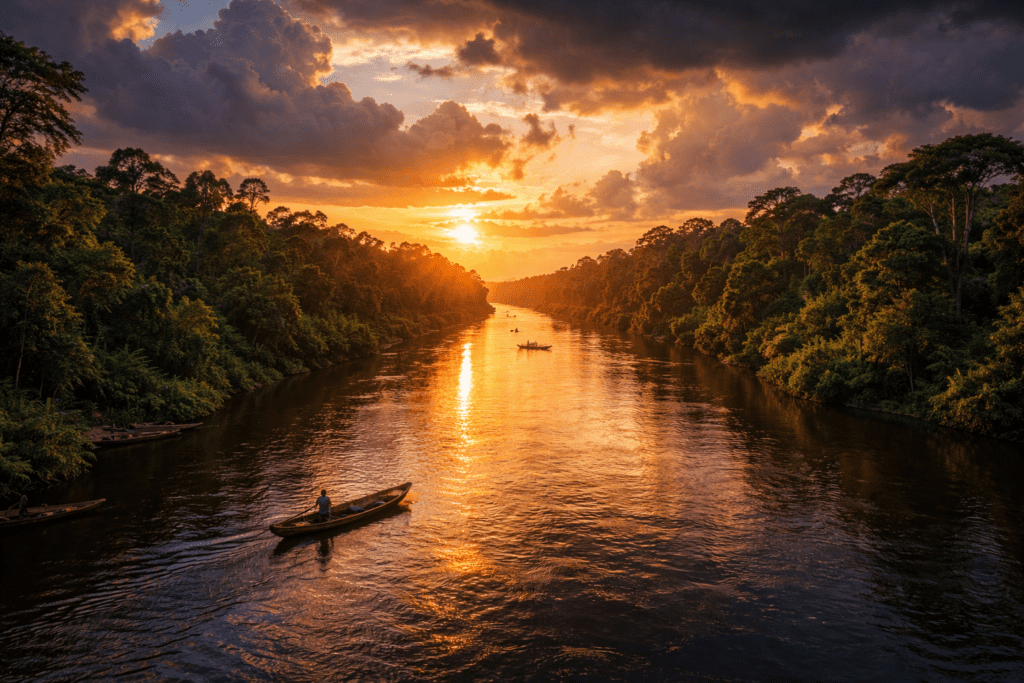
One of the most significant natural features is the Congo River, one of the largest rivers in the world. It plays a crucial role in transportation, fishing, and local livelihoods.
🎭 Culture of Congo (Congo-Brazzaville)
🕌 Religion and Beliefs
Religion plays an important role in daily life. Christianity is widely practiced, along with traditional African beliefs that continue to influence cultural practices.
🎉 Festivals and Traditions
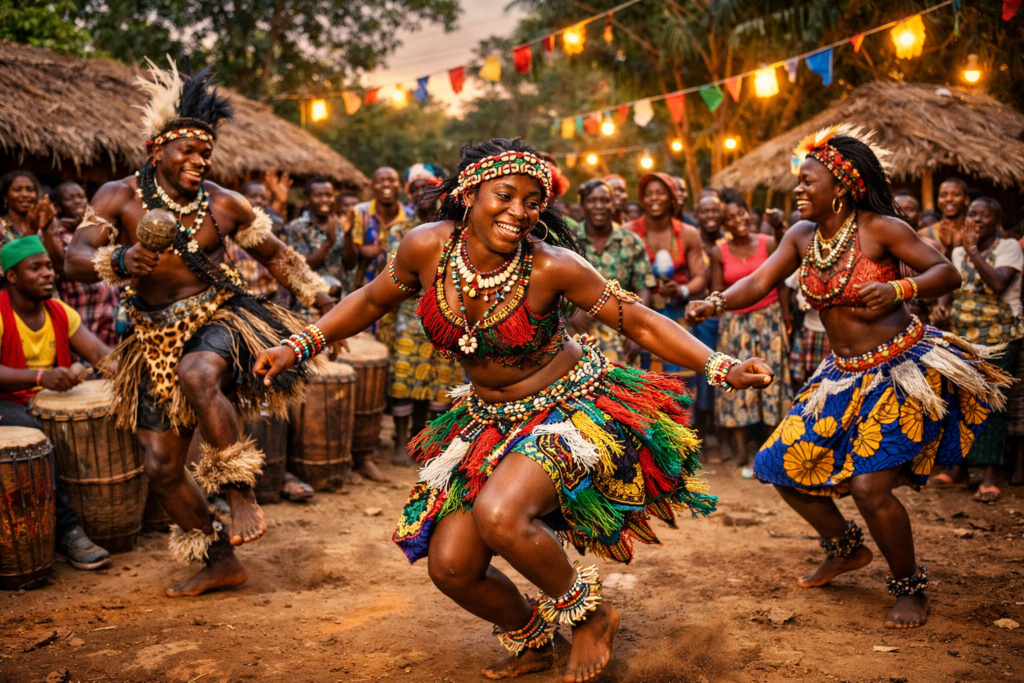
Cultural celebrations reflect the diversity of the population. Events often include:
- Music and dance
- Traditional ceremonies
- Community gatherings
These traditions highlight the rich cultural identity of the nation.
🎶 Music and Dance
Music is a central part of life, with styles influenced by African rhythms and modern genres. Dance performances are common during celebrations and social events.
🍛 Food and Cuisine
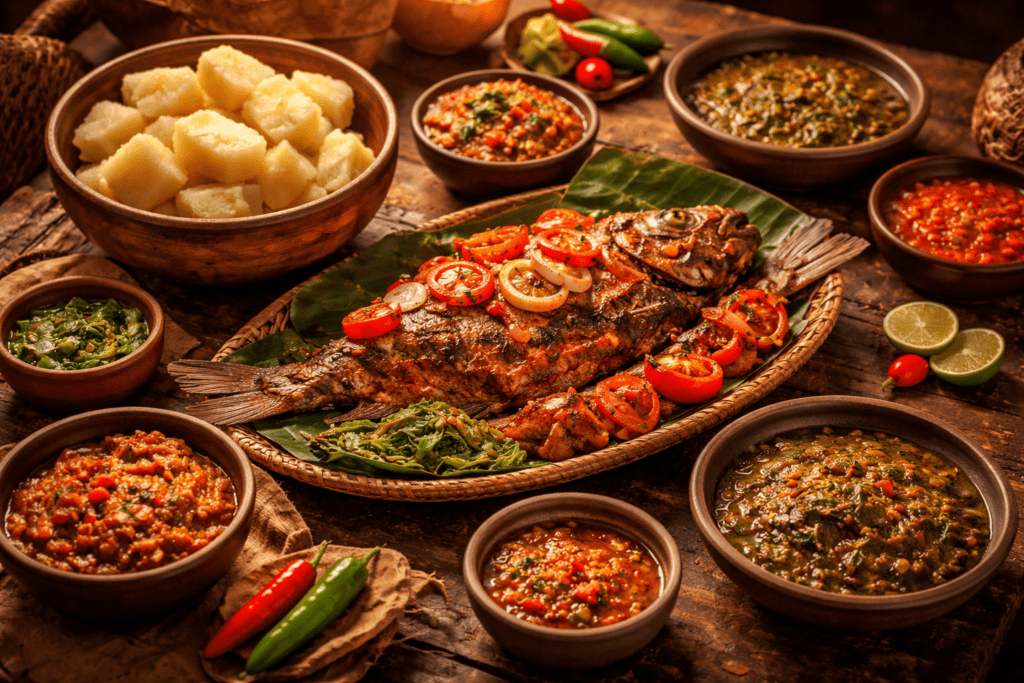
Local cuisine includes a variety of flavors and ingredients:
- Cassava and plantains
- Fish and meat dishes
- Spicy sauces
Meals often reflect regional traditions and available resources.
- https://www.un.org/en/member-states/congo
- https://www.worldbank.org/en/country/congo
- https://whc.unesco.org/en/statesparties/cg
💰 Economy of Congo (Congo-Brazzaville)
📊 Economic Overview
Natural resources, particularly oil production, are the main drivers of the Congo (Congo-Brazzaville) economy. Petroleum has shaped the nation’s economic structure over the years, making a substantial contribution to exports and government revenue.
Despite its abundance of natural resources, the nation is still striving for economic diversification in order to lessen its reliance on oil and bolster other industries like services and agriculture.
🪙 Currency and Financial System
The Central African CFA franc (XAF) is the official currency of Congo (Congo-Brazzaville). Several countries in Central Africa share it, and a regional central bank keeps an eye on it.
This stable currency system helps keep the economy in balance and supports trade in the region.
🌐 Trade and Major Partners
International trade is a big part of how economies grow. The country sends out oil, wood, and farm goods, and it brings in machines, food, and goods that have been made.
China is one of the most important trade partners.
- Countries in Europe
- The United States
- African countries in the area
These partnerships help the economy grow and build new roads and bridges.
🏭 Key Industries
Important industries include:
- Oil and gas
- Forestry and timber
- Agriculture
- Mining
Efforts are being made to expand industries such as tourism and manufacturing to create more employment opportunities.
🏙 Major Cities in Congo (Congo-Brazzaville)
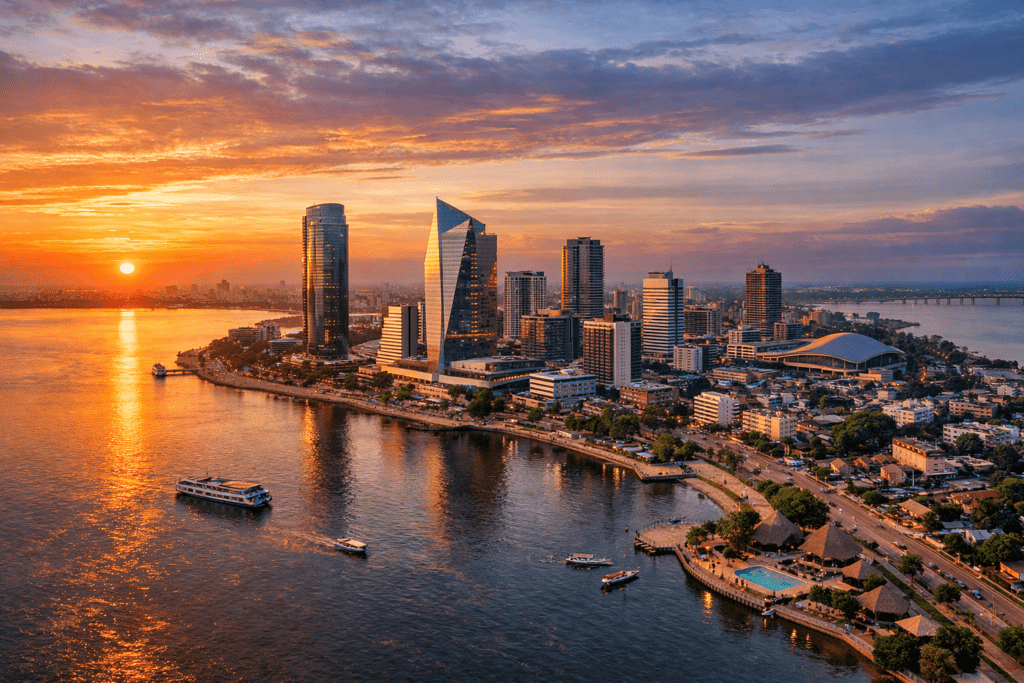
🏢 Brazzaville – The Capital City
The capital and biggest city of Congo (Congo-Brazzaville) is Brazzaville. It is the political, economic, and cultural center of the country and is on the Congo River.
People know the city for:
- Government buildings
- Important places in culture
- Views of the riverfront
It also serves as a way for people to enter the country.
🌆 Pointe-Noire – Economic Hub
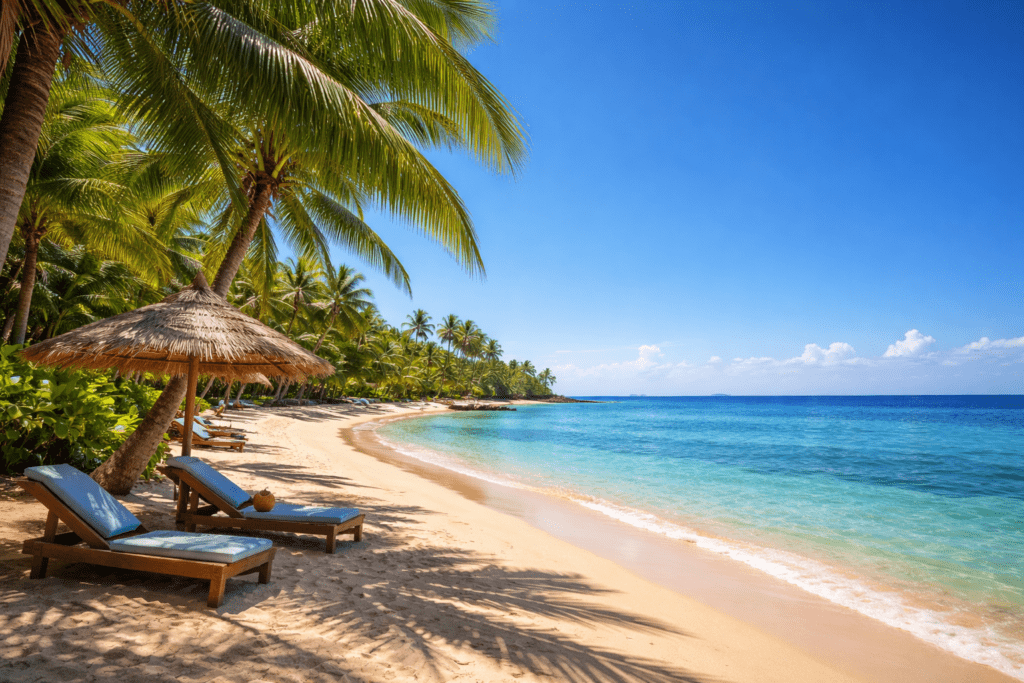
Pointe-Noire is the second-largest city and a major economic center. It is located on the Atlantic coast and plays a key role in trade and oil exports.
Highlights include:
- Port activities
- Beaches
- Commercial centers
🏡 Other Notable Cities
Other important urban areas include:
- Dolisie – a railway and trade center
- Nkayi – known for agriculture
- Ouesso – close to forest reserves
These cities contribute to regional development and connectivity.
🏝 Tourism in Congo (Congo-Brazzaville)
🌿 Natural Attractions
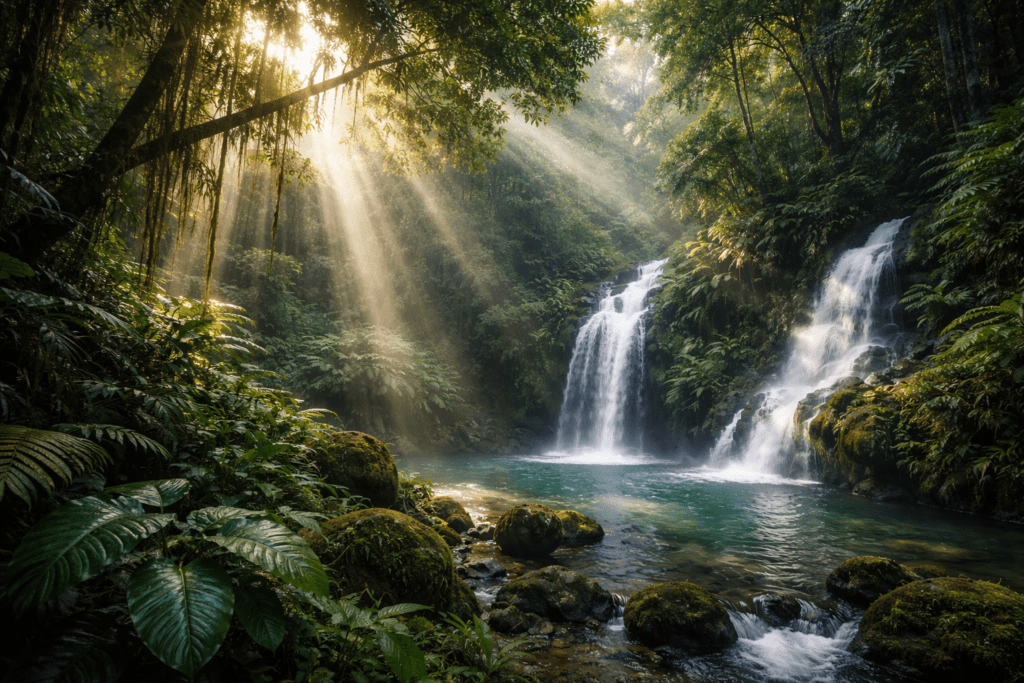
Nature is the biggest highlight of Congo (Congo-Brazzaville). The country is home to vast rainforests, rivers, and wildlife reserves that offer unique eco-tourism experiences.
Key natural attractions include:
- Tropical rainforests
- National parks
- River landscapes
These areas provide opportunities for wildlife viewing and adventure travel.
🦍 Wildlife and National Parks
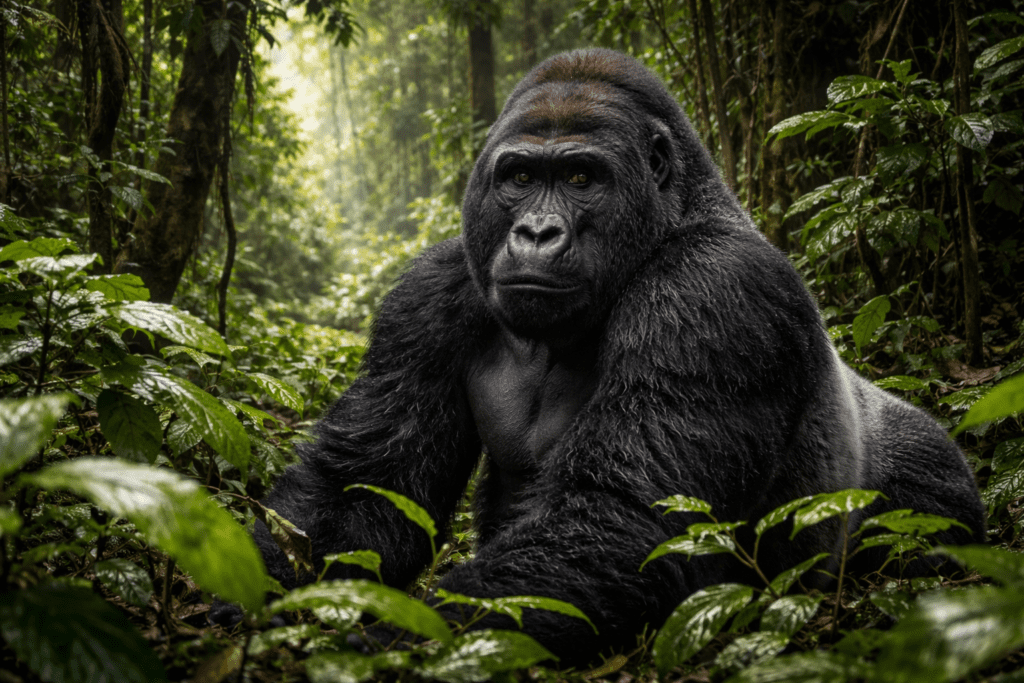
The country is famous for its biodiversity, including rare species such as gorillas, forest elephants, and exotic birds.
Protected areas help preserve this wildlife, making it a valuable destination for eco-tourism enthusiasts.
🏛 Cultural Attractions
Cultural tourism is also growing, with visitors exploring:
- Traditional villages
- Local markets
- Cultural festivals
These experiences offer insight into daily life and traditions.
🏖 Coastal Tourism
The Atlantic coastline provides scenic beaches and peaceful surroundings. Coastal cities are ideal for relaxation and enjoying ocean views.
🗣 Language in Congo (Congo-Brazzaville)
📝 Official Language
The official language of Congo (Congo-Brazzaville) is French. It is widely used in government, education, and business communication.
🗨 Commonly Spoken Languages
In addition to French, several local languages are spoken, including:
- Lingala
- Kituba
These languages are commonly used in everyday communication and reflect the country’s cultural diversity.
🌍 Multilingual Society
The multilingual nature of the population highlights strong cultural roots and regional diversity. Language plays a key role in preserving traditions and community identity.
🌐 Global Presence of Congo (Congo-Brazzaville)
🇺🇳 United Nations Membership
Congo (Congo-Brazzaville) is a member of the United Nations, participating in global discussions on development, peace, and cooperation.
🌍 Other International Organizations
The country also belongs to various regional and international bodies, including:
African Union (AU)
Economic Community of Central African States (ECCAS)
World Bank and IMF partnerships
🌤 Best Time to Visit Congo (Congo-Brazzaville)
☀️ Climate Overview
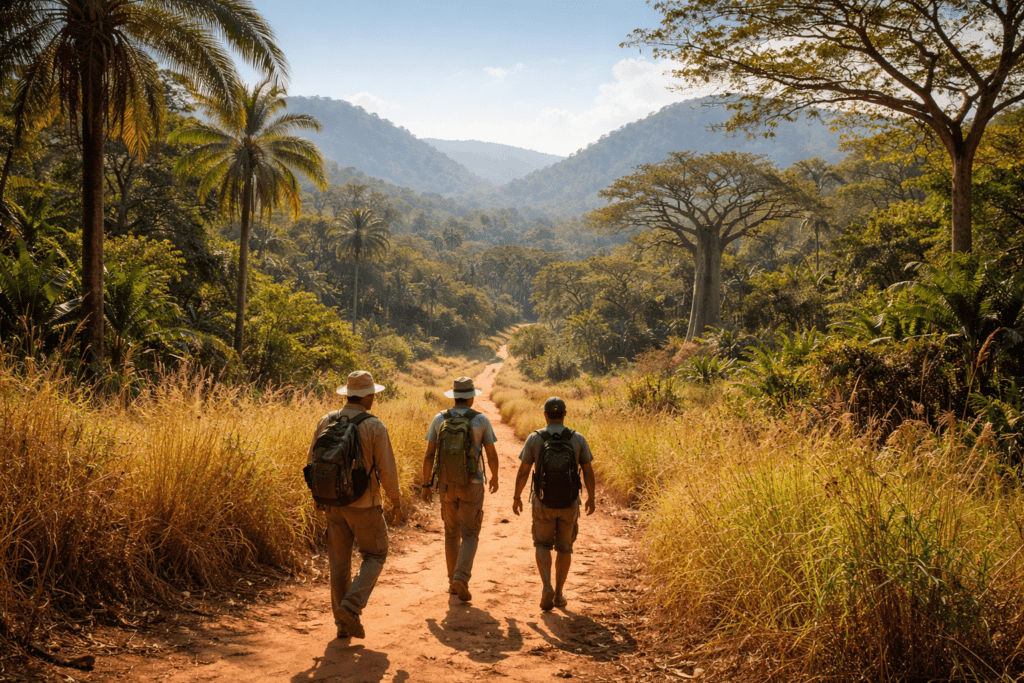
Congo (Congo-Brazzaville) has a tropical climate with warm temperatures throughout the year. The weather is generally humid, especially in rainforest regions, with seasonal rainfall patterns.
There are two main seasons:
- Wet season (October to May)
- Dry season (June to September)
🧳 Ideal Travel Season
The best time to visit is during the dry season when conditions are more comfortable for outdoor exploration. Wildlife viewing, city tours, and travel between regions become easier during this period.
Travelers can enjoy:
- Better road conditions
- Clearer skies
- Improved accessibility to national parks
🚗 How to Travel Around Congo (Congo-Brazzaville)
✈️ Air Travel
International travelers usually arrive via the main airport in Brazzaville. Domestic flights are also available for reaching remote areas.
🚙 Road Transport
Road travel is common, but infrastructure quality may vary. In major cities, taxis and private transport are widely used.
🚢 River Transport
The Congo River plays a major role in transportation. Boats are often used for travel between regions, especially where roads are limited.
🚆 Rail Transport
Railways connect key cities such as Brazzaville and Pointe-Noire, offering an alternative travel option.
🧭 Travel Tips for Congo (Congo-Brazzaville)
Carry local currency for small transactions
- Respect local customs and traditions
- Plan transportation in advance
- Travel with a guide in remote areas
- Stay updated on travel advisories
These tips would help you have a safe journey.
🌟 Unique Facts About Congo (Congo-Brazzaville)
Here are some of the most interesting and lesser-known facts:
- It is home to one of the largest rainforests in the world
- The Congo River is one of the deepest rivers in the world
- Brazzaville and Kinshasa are the closest capital cities to each other in the world
- The country has a rich biodiversity with rare species of wildlife
- Music and dance form a big part of the culture
🌍 Why Visit Congo (Congo-Brazzaville)?
For tourists who are looking for offbeat destinations, this country promises to be extremely rewarding because it offers:
✔ Untouched natural beauty
✔ Authentic cultural experience
✔ Unique wildlife experience
✔ Less crowded tourist destinations
This makes it an ideal destination for tourists who are explorers and lovers of eco-tourism.
- https://www.un.org/en/member-states/congo
- https://www.worldbank.org/en/country/congo
- https://whc.unesco.org/en/statesparties/cg
📊 Key Facts Table
| Category | Details |
| Country Name | Congo (Congo-Brazzaville) |
| Continent | Africa |
| Capital | Brazzaville |
| Largest City | Brazzaville |
| Official Language | French |
| Common Languages | Lingala, Kituba |
| Currency | Central African CFA Franc (XAF) |
| Government Type | Republic |
| Independence | 1960 |
| Main Industries | Oil, Forestry, Agriculture |
| Major River | Congo River |
| Climate | Tropical |
| Best Travel Time | June to September |
🧾 Final Summary
Congo (Congo-Brazzaville)
Congo is a travel destination that offers natural beauty, cultural diversity, and different travel experiences. The country is blessed with rainforests and wildlife. The country also has its own culture and traditions.
Congo is a country that is full of tourism potential and has its own history and geographical diversity. The country is definitely worth visiting.
If you are interested in nature, culture, and exploration, this Central African country is definitely worth visiting. The travel experiences that Congo has to offer are definitely different.
List of All 195 Countries
A
- Afghanistan
- Albania
- Algeria
- Andorra
- Angola
- Antigua and Barbuda
- Argentina
- Armenia
- Australia
- Austria
- Azerbaijan
B
12. Bahamas
13. Bahrain
14. Bangladesh
15. Barbados
16. Belarus
17. Belgium
18. Belize
19. Benin
20. Bhutan
21. Bolivia
22. Bosnia and Herzegovina
23. Botswana
24. Brazil
25. Brunei
26. Bulgaria
27. Burkina Faso
28. Burundi
C
29. Cabo Verde
30. Cambodia
31. Cameroon
32. Canada
33. Central African Republic
34. Chad
35. Chile
36. China
37. Colombia

