



Introduction
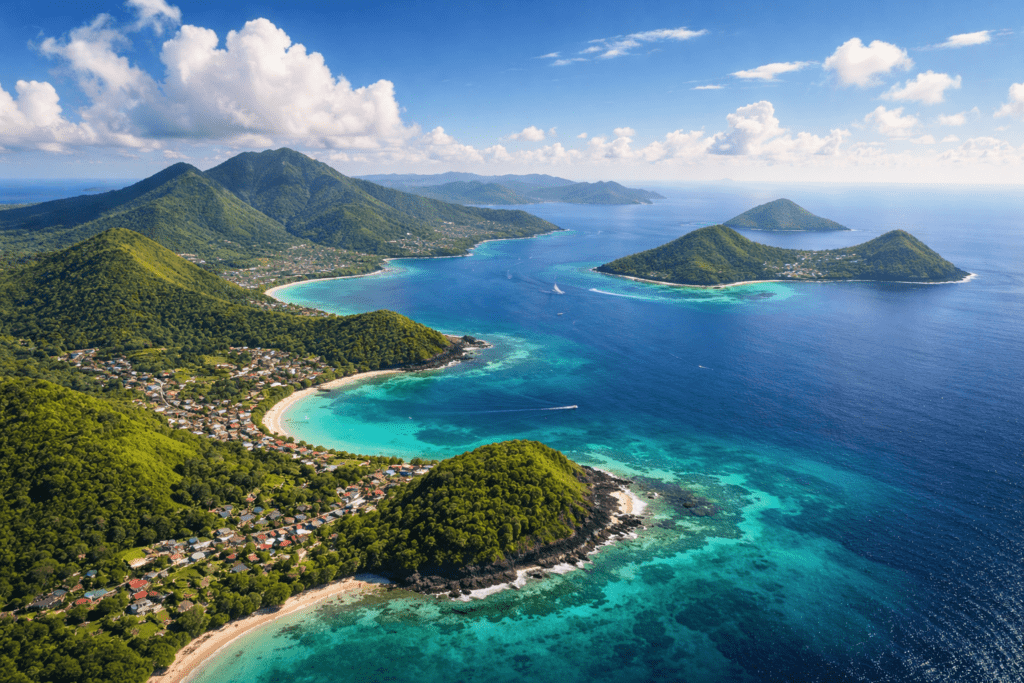
Comoros is a stunning island in the Indian Ocean that offers a unique blend of serene surroundings, cultural diversity, and natural beauty. For those looking for a genuine and less crowded experience, this archipelago is still one of the world’s most underappreciated travel destinations.
This island nation, surrounded by turquoise waters and endowed with volcanic landscapes, offers a distinctive fusion of French, Arab, and African influences. The nation offers a profoundly immersive cultural experience, from picturesque coastlines to traditional villages.
In contrast to popular tourist destinations, this location offers unspoiled beauty where visitors can discover the natural world, savor regional cuisine, and engage with traditional ways of life. This amazing location has something unique to offer, regardless of your interests in beaches, history, or culture.
You can plan an unforgettable trip by learning everything there is to know about the nation, including its history, geography, customs, and way of life.
🏛 History of Comoros
🕰 Early History and Settlement
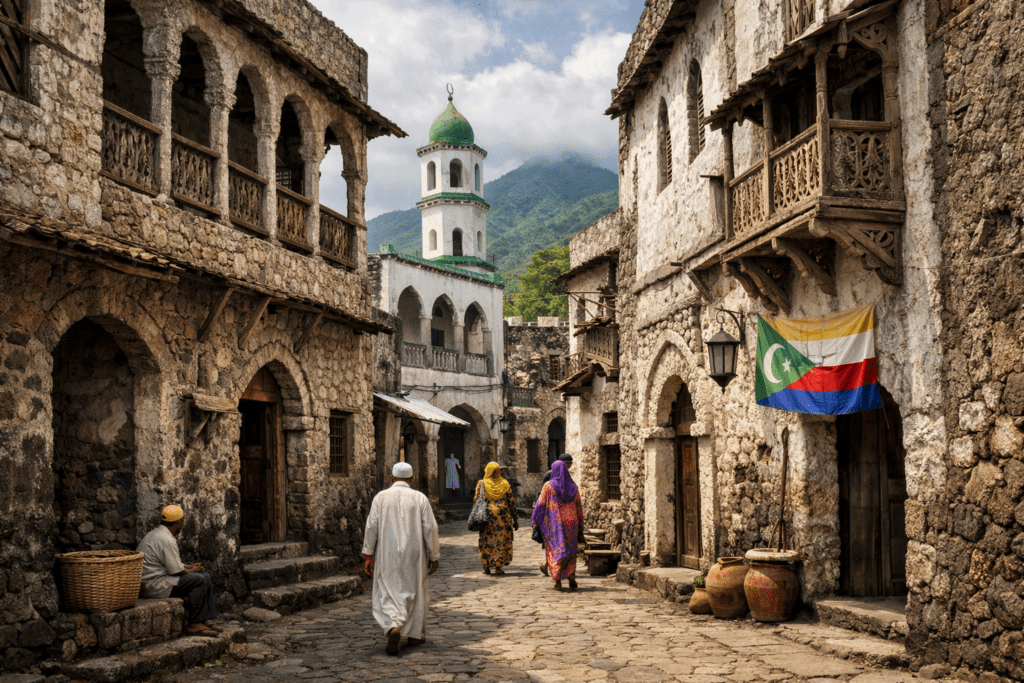
A fascinating mix of migration and cross-cultural interaction can be seen in Comoros’ history. People from Southeast Asia and Africa initially settled the islands, laying a varied foundation for the region’s growth.
The islands became a major hub along the Indian Ocean trade routes as traders from the Middle East and Persia arrived over time. Language, religion, and social structure were all impacted by these exchanges, creating a long-lasting cultural legacy.
⚔ Colonial Era and European Influence
European nations started to show interest in the area during the 19th century. The islands eventually came under French colonial rule, which profoundly altered the political and economic structures.
With goods like ylang-ylang, cloves, and vanilla becoming increasingly important worldwide, agriculture became the foundation of the economy. These exports are still crucial to the nation’s identity and commerce today.
🇰🇲 Independence and Modern Development
A new chapter in Comoros’ history began with its independence in 1975. The ensuing years were characterized by political difficulties, including multiple leadership transitions.
Notwithstanding these challenges, the country has advanced toward stability and is still growing both internationally and economically. It is now a sovereign nation with a distinct cultural identity.
🌍 Geography of Comoros
📍 Location and Coordinates
Comoros is located off the eastern coast of Africa in the Indian Ocean, positioned strategically between Mozambique and Madagascar.
- 🌍 Continent: Africa
- 🌊 Region: Indian Ocean
- 📌 Coordinates: 11.8750° S, 43.8722° E
This location gives the islands a tropical climate and stunning marine biodiversity.
🗺 Nearby Regions and Influence
Despite being divided by water, the nation has close cultural and economic ties to neighboring areas like Madagascar and East Africa. Language, cuisine, and customs all reflect these influences.
🌋 Islands and Natural Landscape
There are three primary islands in the archipelago:
- Grande Comore (Ngazidja)
- Moh‘ (Mwali)
- Anjouan (Ndzuwani)
Every island has unique scenery, from lush forests and immaculate beaches to volcanic mountains.
🌋 Volcanic Features
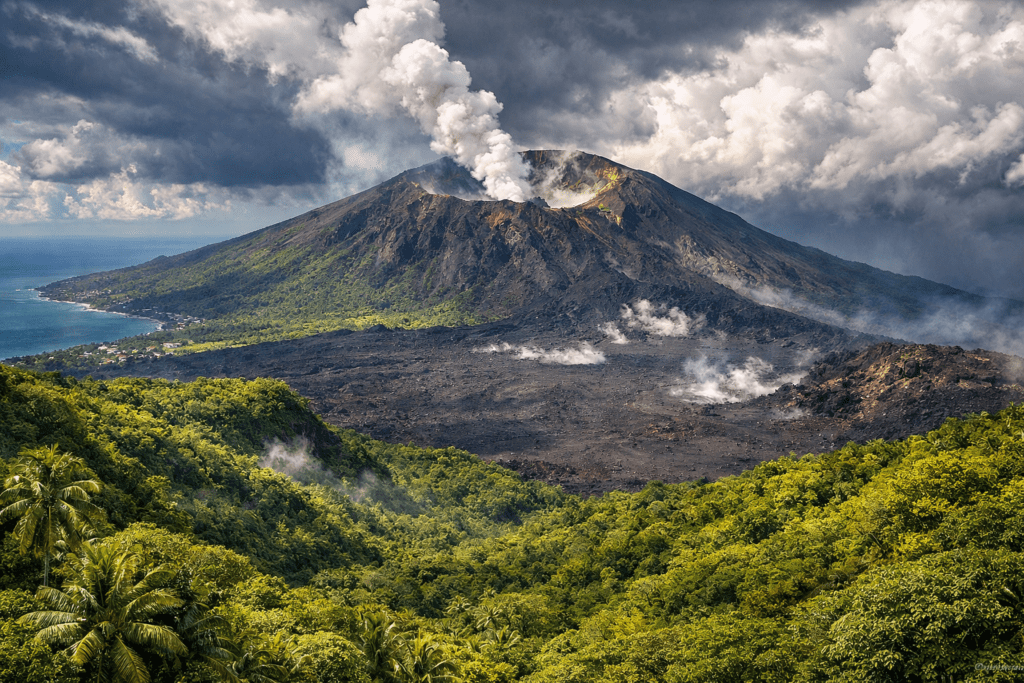
Mount Karthala, an active volcano that is known for its size and eruptions that happen from time to time, is one of the most famous natural landmarks. This geological feature helps make the soil rich and the ecosystems on the islands varied.
The natural environment has a lot of different kinds of plants and animals, like tropical plants and marine life.
🎭 Culture of Comoros
🕌 Religion and Social Life
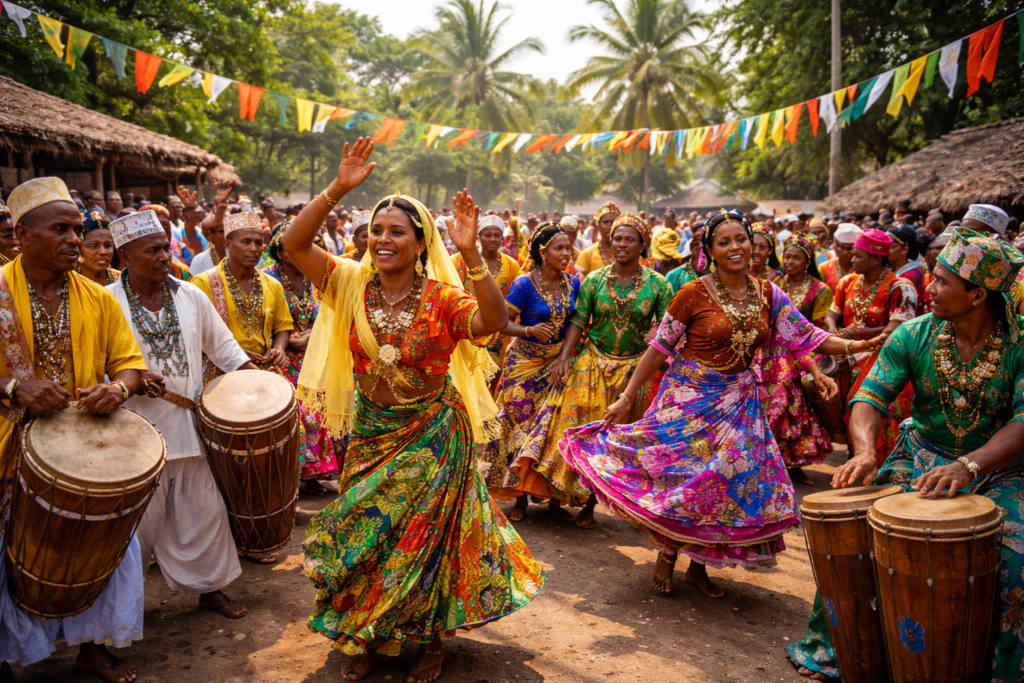
Everyday life revolves around religion, with Islam being the most popular religion. Religious principles are closely linked to cultural customs, festivals, and practices.
Social harmony is highly prized, and family and community structures are robust.
🎉 Festivals and Celebrations
Festivals in Comoros reflect both religious devotion and cultural pride. Important celebrations include:
- Eid al-Fitr
- Eid al-Adha
- National Day
These events bring communities together and highlight traditional customs, music, and cuisine.
🎶 Music and Traditional Expression
A vital component of cultural identity is music. African, Middle Eastern, and European influences can be observed in dance styles, instruments, and rhythms.
Weddings and festivals frequently feature traditional performances, resulting in lively and unforgettable events.
🍛 Cuisine and Local Flavors
The cuisine is a rich blend of spices, seafood, and tropical ingredients. Common elements include:
- Rice and coconut-based dishes
- Fresh seafood
- Spices such as cloves and vanilla
Popular meals often combine simple ingredients with bold flavors, reflecting the region’s diverse influences.
💰 Economy of Comoros
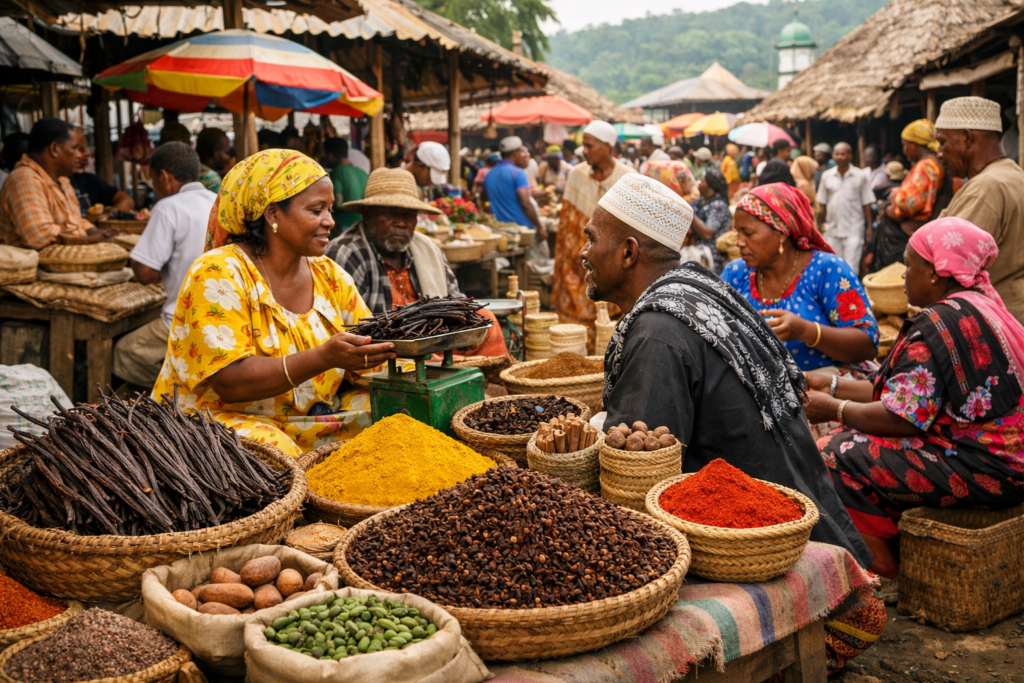
The main drivers of Comoros’ economy are small-scale trade, fishing, and agriculture. It is a developing island nation whose growth is largely dependent on exports and natural resources.
🌾 Key Industries
The main industries driving the economy include:
- Agriculture (vanilla, cloves, ylang-ylang)
- Fishing
- Small-scale manufacturing
- Tourism (emerging sector)
The country is globally recognized as one of the leading producers of ylang-ylang, a key ingredient in perfumes.
💱 Currency and Trade
- 💰 Currency: Comorian Franc (KMF)
- 🌍 Major Trade Partners:
- France
- China
- India
- Gulf countries
Exports mainly include agricultural products, while imports consist of food, fuel, and machinery.
📊 Economic Challenges and Growth
Comoros faces issues like poor infrastructure, unemployment, and reliance on imports, just like many small island economies. To increase economic stability, there is, nevertheless, an increasing emphasis on tourism and foreign investment.
Global financial organizations claim that if development strategies are successfully implemented, the nation has the potential for steady growth.
🏙 Major Cities of Comoros
🏙 Moroni (Capital City)
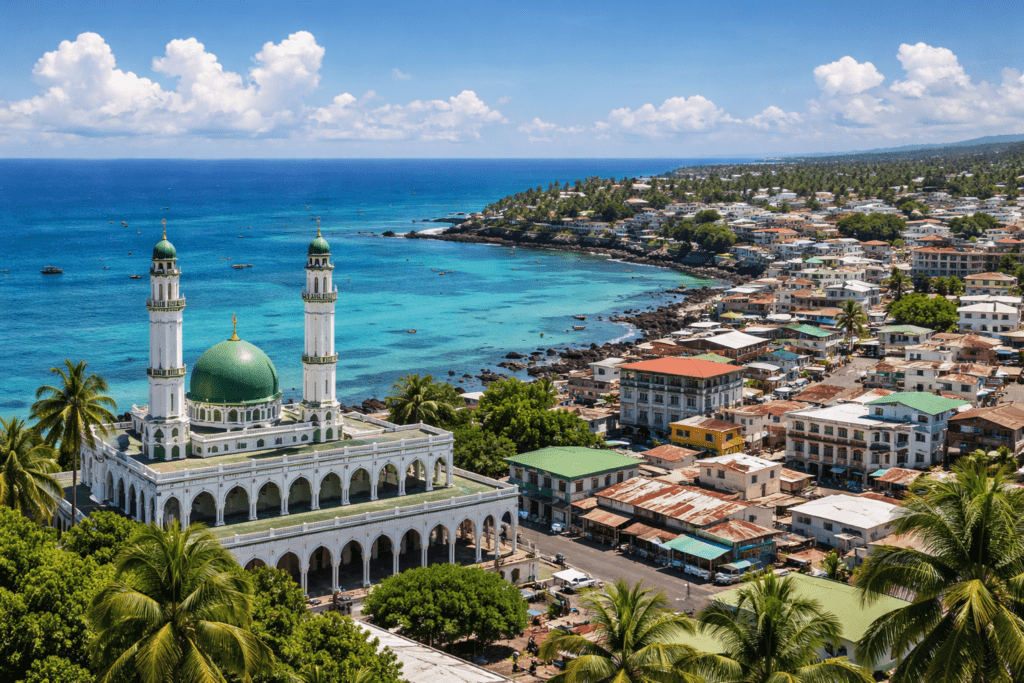
Moroni is the capital and largest city, located on Grande Comore. It serves as the political, economic, and cultural center.
Key highlights:
- Government institutions
- Port and trade center
- Traditional markets
- Coastal views
🌆 Mutsamudu
Mutsamudu, on the island of Anjouan, is renowned for its winding streets and old buildings. It has significant cultural value and is a major commercial center.
🌿 Fomboni
Although it is smaller, Fomboni on Mohě island provides a tranquil setting. For tourists looking for a peaceful, natural environment, it is perfect.
🌇 Urban Life and Development
Cities are slowly growing, with better infrastructure and services. But a lot of people still live in the country and keep their traditional ways of life.
🏝 Tourist Attractions in Comoros
🌊 Beaches and Coastal Beauty
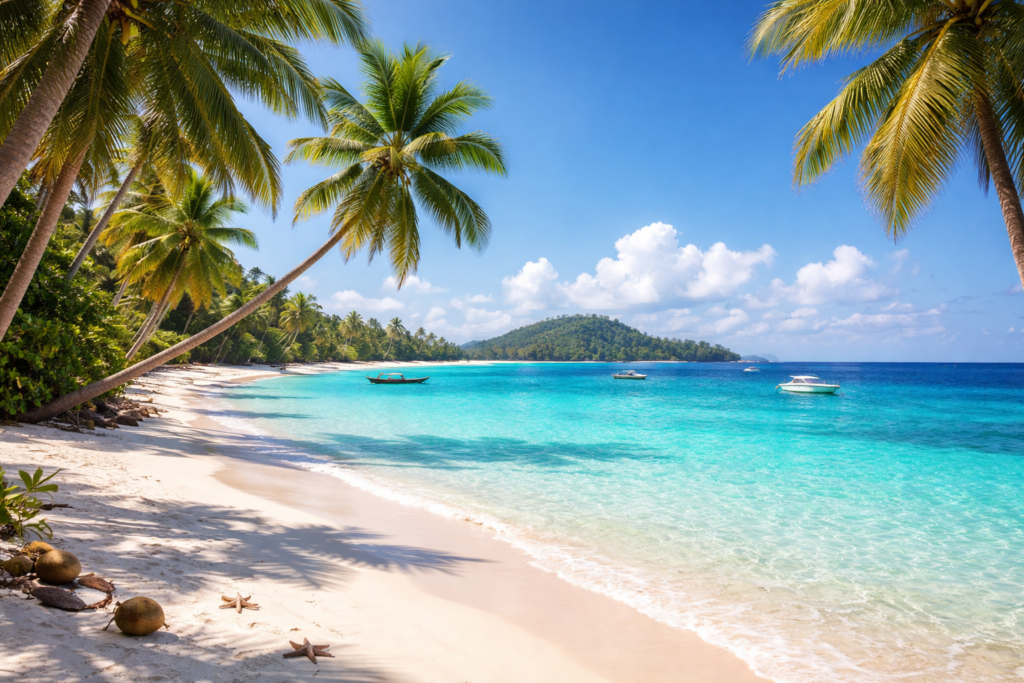
The islands are surrounded by crystal-clear waters and white sandy beaches, making them perfect for relaxation and exploration.
Popular activities:
- Swimming
- Snorkeling
- Diving
🌋 Mount Karthala
Mount Karthala is an active volcano that is one of the most famous natural attractions. It has great views and hiking trails.
🌿 Mohéli Marine Park
This protected area is known for its biodiversity and conservation efforts. Visitors can experience:
- Sea turtles
- Coral reefs
- Marine ecosystems
🏛 Cultural and Historical Sites
Travelers can explore traditional villages, mosques, and historical buildings that reflect the region’s heritage.
🌺 Nature and Wildlife
The islands are home to unique plant and animal species. The natural environment remains largely untouched, making it ideal for eco-tourism.
🗣 Languages of Comoros
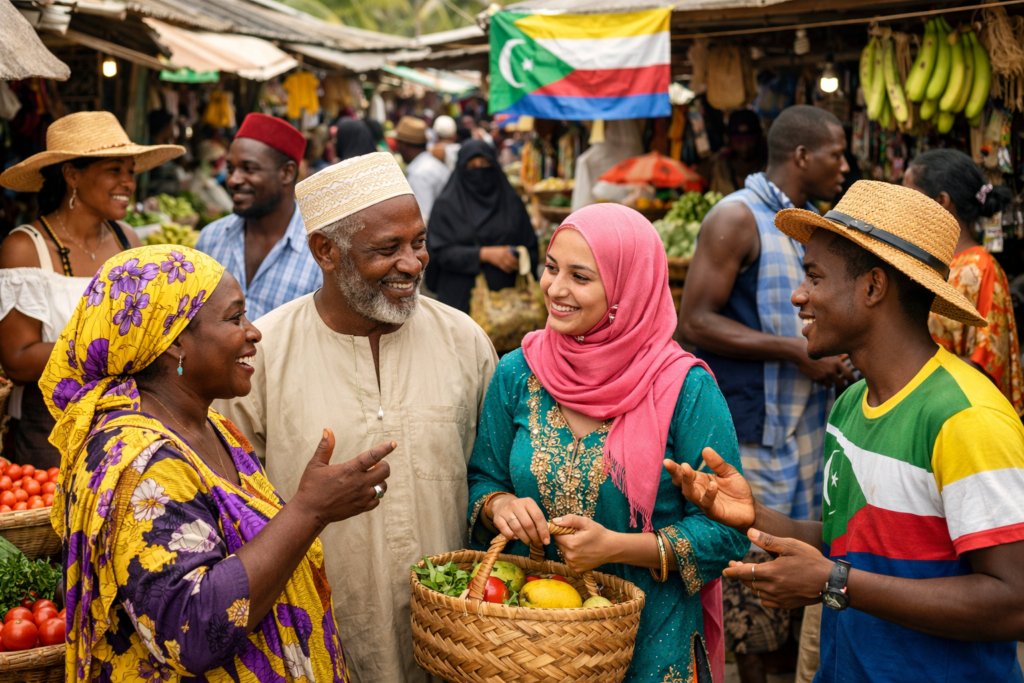
🗨 Official Languages
The country recognizes three official languages:
- Comorian (Shikomori)
- Arabic
- French
🧩 Dialects and Communication
There are many regional dialects of Comorian that are based on Arabic and Swahili. In government and schools, French is used a lot, but Arabic is important for religious reasons.
This place has people who speak many languages, which shows how diverse the culture is.
🌐 Global Presence and Organizations
🌍 United Nations Membership
Comoros is a member of the United Nations and actively participates in international cooperation and development programs.
👉 External Reference (DoFollow):
https://www.un.org/en/member-states/comoros
🤝 Other International Organizations
The country is also part of:
- African Union (AU)
- Arab League
- Organization of Islamic Cooperation (OIC)
These memberships strengthen diplomatic relations and economic partnerships.
📊 Development Support
Global institutions like the World Bank support development initiatives, including infrastructure, education, and poverty reduction.
👉 External Reference (DoFollow):
https://www.worldbank.org/en/country/comoros
🌟 Unique and Interesting Facts
Here are some intriguing details about this island nation:
- It is among the world’s least visited nations.
- Because of the production of ylang-ylang, they are referred to as the “Perfume Islands.”
- has one of the biggest active volcanoes in the area.
- strong cultural fusion of Arab, French, and African elements
- Conventional weddings can go on for several days.
🌤 Best Time to Visit Comoros
Your trip to Comoros can be substantially improved by selecting the ideal time of year. The islands have warm temperatures all year round because of their tropical climate.
☀️ Dry Season (Best Time)
The best time to explore this island destination is during the dry season:
- 📅 May to October
- 🌡 Pleasant weather
- 🌊 Ideal for beaches and outdoor activities
During this period, travelers can enjoy clear skies, calm waters, and comfortable conditions for sightseeing.
🌧 Rainy Season
- 📅 November to April
- 🌧 Higher humidity and rainfall
- 🌪 Occasional tropical storms
Although nature looks lush and vibrant, travel plans may be affected due to unpredictable weather.
✈️ How to Travel Around Comoros
Transportation across the islands is relatively simple but requires planning.
🚗 Local Transport Options
- Shared taxis (most common)
- Private car rentals
- Motorbike taxis
These options allow travelers to explore both urban and rural areas.
⛴ Inter-Island Travel
Since the country consists of multiple islands, inter-island travel is essential:
- Ferries
- Domestic flights
Travel schedules may vary, so it’s advisable to plan ahead.
🛫 International Access
The main international gateway is Prince Said Ibrahim International Airport near Moroni.
Flights connect the country to:
- East Africa
- Middle East
- France
🧭 Travel Tips for Comoros
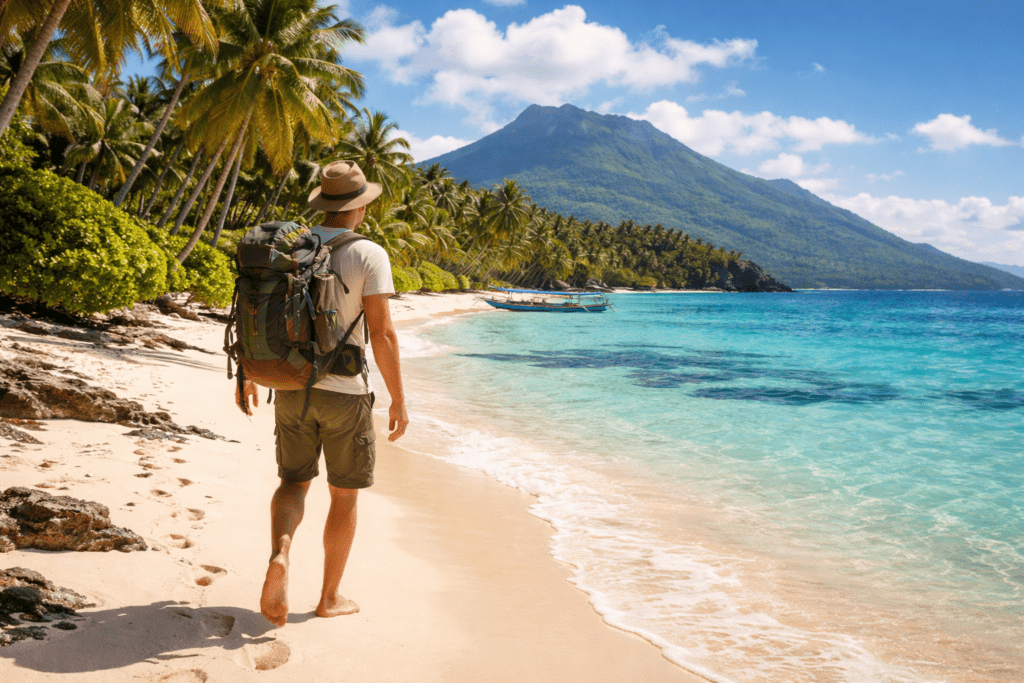
🛡 Safety Tips
- The destination is generally peaceful
- Follow local customs and dress modestly
- Avoid isolated areas at night
💱 Money Tips
- Cash is widely used
- Limited ATM availability
- Carry local currency for convenience
📱 Connectivity
- Internet access is limited in some regions
- Local SIM cards are available
🎒 Packing Tips
- Lightweight clothing
- Sunscreen and hats
- Comfortable walking shoes
🌍 Responsible Travel
Sustainable tourism is important for preserving natural beauty.
Travelers should:
- Respect local culture
- Avoid plastic waste
- Support local businesses
This helps maintain the authenticity of the destination.
👉 United Nations:
https://www.un.org/en/member-states/comoros
👉 World Bank:
https://www.worldbank.org/en/country/comoros
👉 UNESCO Heritage:
https://whc.unesco.org/en/statesparties/km
❓ FAQ Section
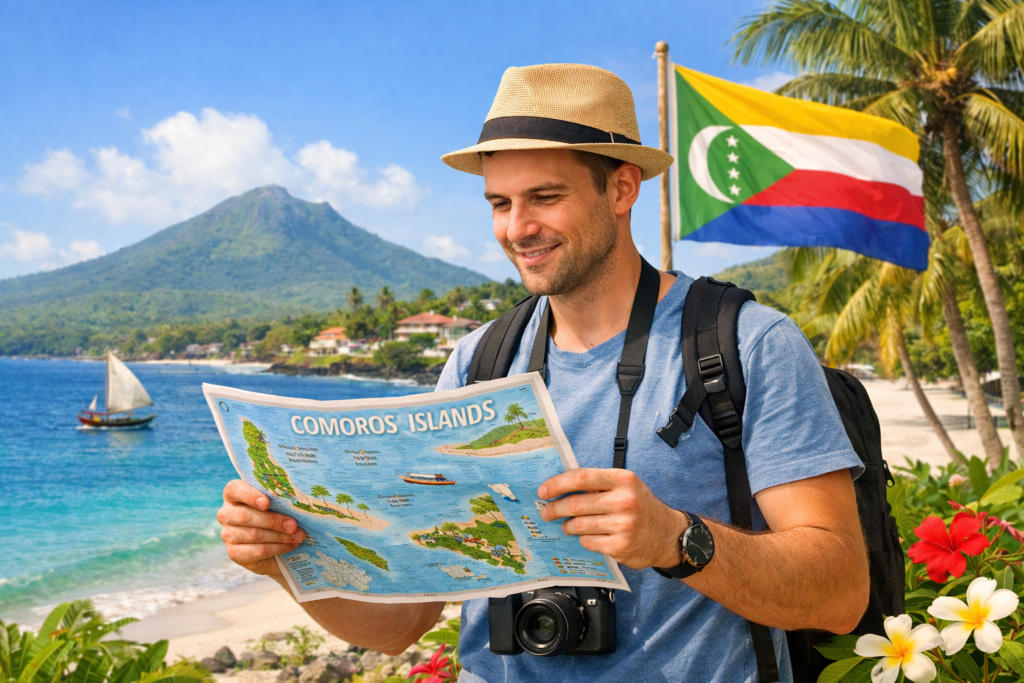
Q1. Is Comoros a good travel destination?
Yes, it is ideal for travelers seeking peaceful, natural, and less crowded locations.
Q2. What is Comoros famous for?
It is known for its beaches, volcanic landscapes, and perfume production.
Q3. Do tourists need a visa?
Most travelers can obtain a visa on arrival, but requirements may vary.
Q4. What language is spoken?
Comorian, Arabic, and French are commonly used.
🏁 Final Summary
Comoros is a distinctive island destination that blends authentic experiences, cultural diversity, and scenic beauty. The nation offers something genuinely unique, from rich customs and friendly hospitality to volcanic landscapes and marine life.
This location offers an amazing experience whether you are exploring coastal towns, sampling regional cuisine, or relaxing on serene beaches. It continues to be one of the world’s most underappreciated travel destinations due to its preserved natural environments and expanding tourism potential.
This island nation is unquestionably worth visiting for tourists looking for something different from popular travel destinations.
📊 Key Facts Table
| Category | Details |
| Country Name | Comoros |
| Capital | Moroni |
| Continent | Africa |
| Location | Indian Ocean |
| Coordinates | 11.8750° S, 43.8722° E |
| Currency | Comorian Franc |
| Population | ~800,000 |
| Official Languages | Comorian, Arabic, French |
| Main Religion | Islam |
| Major Industries | Agriculture, Fishing, Tourism |
| UN Membership | Yes |
List of All 195 Countries
A
- Afghanistan
- Albania
- Algeria
- Andorra
- Angola
- Antigua and Barbuda
- Argentina
- Armenia
- Australia
- Austria
- Azerbaijan
B
12. Bahamas
13. Bahrain
14. Bangladesh
15. Barbados
16. Belarus
17. Belgium
18. Belize
19. Benin
20. Bhutan
21. Bolivia
22. Bosnia and Herzegovina
23. Botswana
24. Brazil
25. Brunei
26. Bulgaria
27. Burkina Faso
28. Burundi
C
29. Cabo Verde
30. Cambodia
31. Cameroon
32. Canada
33. Central African Republic
34. Chad
35. Chile
36. China
37. Colombia

