


Introduction to Slovenia
Slovenia is one of Europe’s most scenic and environmentally conscious destinations, famous for alpine mountains, crystal-clear lakes, charming cities, medieval castles, and sustainable tourism. Located in Central Europe, Slovenia offers travelers a perfect combination of natural beauty, rich culture, outdoor adventure, and peaceful landscapes.
Although relatively small in size, Slovenia features extraordinary diversity. Visitors can experience:
- Alpine mountains
- Adriatic coastline
- Green forests
- Vineyards
- Historic towns
- Underground caves
all within a short travel distance.
Modern Slovenia is internationally recognized for:
- Sustainable tourism
- Nature conservation
- Adventure travel
- Outdoor sports
- High quality of life
The country attracts visitors seeking authentic European experiences away from overcrowded tourist destinations.
Historical Background of Slovenia
Early History of Slovenia
The territory of modern Slovenia has been inhabited since prehistoric times. Archaeological discoveries show that early human communities settled in the region because of fertile valleys, rivers, and access to trade routes.
Ancient Celtic and Roman civilizations strongly influenced the development of Slovenia.
Roman Influence
During the Roman period, important settlements and trade routes developed across present-day Slovenia.
Roman infrastructure contributed to:
- Urban development
- Trade expansion
- Transportation networks
- Cultural exchange
Several archaeological sites in Slovenia still preserve evidence of Roman history.
Medieval Period
Throughout the Middle Ages, Slovenia became connected with Central European kingdoms and regional powers.
Medieval castles, churches, and fortified towns built during this period remain among the most important historical attractions in Slovenia today.
Austro-Hungarian Influence
For centuries, Slovenia was connected to the Habsburg monarchy and the Austro-Hungarian Empire.
This historical period influenced:
- Architecture
- Cuisine
- Administration
- Urban culture
- Trade
The elegant European atmosphere found in many Slovenian cities reflects this heritage.
Independence of Slovenia
After being part of Yugoslavia during the 20th century, Slovenia declared independence in 1991.
Since independence, Slovenia has developed into a stable democratic country and became a member of:
- European Union
- NATO
- Schengen Area
The country is now considered one of the most developed and environmentally focused nations in Central Europe.
Geography and Location of Slovenia
Where Is Slovenia Located?
Slovenia is located in Central Europe and shares borders with:
- Italy
- Austria
- Hungary
- Croatia
Its strategic location connects the Balkans, Central Europe, and the Mediterranean region.
Geographic Coordinates
- Latitude: Approximately 46° North
- Longitude: Approximately 15° East
Landscapes and Natural Features
The landscapes of Slovenia are remarkably diverse for such a compact country.
Natural environments include:
- Alpine mountains
- Rivers
- Lakes
- Forests
- Coastal areas
- Karst caves
More than half of Slovenia is covered by forests, making it one of Europe’s greenest countries.
Climate of Slovenia
Slovenia experiences several climate zones because of its varied geography.
Alpine Climate
Mountain regions experience snowy winters and cool summers.
Continental Climate
Central areas have warm summers and cold winters.
Mediterranean Climate
Coastal areas near the Adriatic Sea enjoy mild winters and warm sunny summers.
This climate diversity allows year-round tourism in Slovenia.
Culture and Traditions in Slovenia
Cultural Identity of Slovenia
The culture of Slovenia combines Slavic traditions with Central European and Mediterranean influences.
Cultural life in Slovenia includes:
- Folk music
- Literature
- Traditional crafts
- Festivals
- Classical arts
The country values environmental protection, education, and preservation of cultural heritage.
Religion in Slovenia
Christianity, particularly Roman Catholicism, has historically played an important role in Slovenia.
Churches, monasteries, and religious festivals continue shaping cultural traditions across the country.
Traditional Festivals
Festivals in Slovenia celebrate:
- Music
- Wine
- Local traditions
- Food
- Seasonal events
Traditional costumes and folk dances are often featured during cultural celebrations.
Cuisine of Slovenia
Food Culture in Slovenia
The cuisine of Slovenia reflects influences from:
- Central Europe
- Mediterranean cuisine
- Balkan traditions
- Alpine food culture
Meals often include:
- Meat dishes
- Soups
- Fresh bread
- Cheese
- Potatoes
- Pastries
Regional diversity strongly influences culinary traditions in Slovenia.
Popular Dishes in Slovenia
Kranjska Klobasa
Kranjska klobasa is a traditional sausage and one of the most famous foods in Slovenia.
Potica
Potica is a traditional rolled pastry commonly prepared during holidays and celebrations.
Different fillings include:
- Walnut
- Honey
- Poppy seeds
- Tarragon
Štruklji
Štruklji are rolled dumplings served in sweet or savory forms throughout Slovenia.
Seafood and Mediterranean Cuisine
Coastal areas of Slovenia offer fresh seafood influenced by Adriatic culinary traditions.
Languages Spoken in Slovenia
Official Language
The official language of Slovenia is Slovene.
The language belongs to the South Slavic language group.
Minority Languages
Italian and Hungarian minority communities in Slovenia also use their own languages in certain regions.
English is widely spoken in tourism areas and among younger generations.
Major Cities in Slovenia
Ljubljana – Capital of Slovenia
Ljubljana is the capital and largest city of Slovenia.
The city is famous for:
- Beautiful bridges
- Riverside cafes
- Green urban planning
- Historic architecture
- Castle views
Ljubljana is considered one of Europe’s most environmentally friendly capitals.
Maribor
Maribor is the second-largest city in Slovenia and is known for:
- Wine culture
- Historic districts
- Riverfront scenery
- Cultural festivals
Koper
Koper is an important coastal city in Slovenia with Mediterranean influences and Adriatic tourism.
Bled
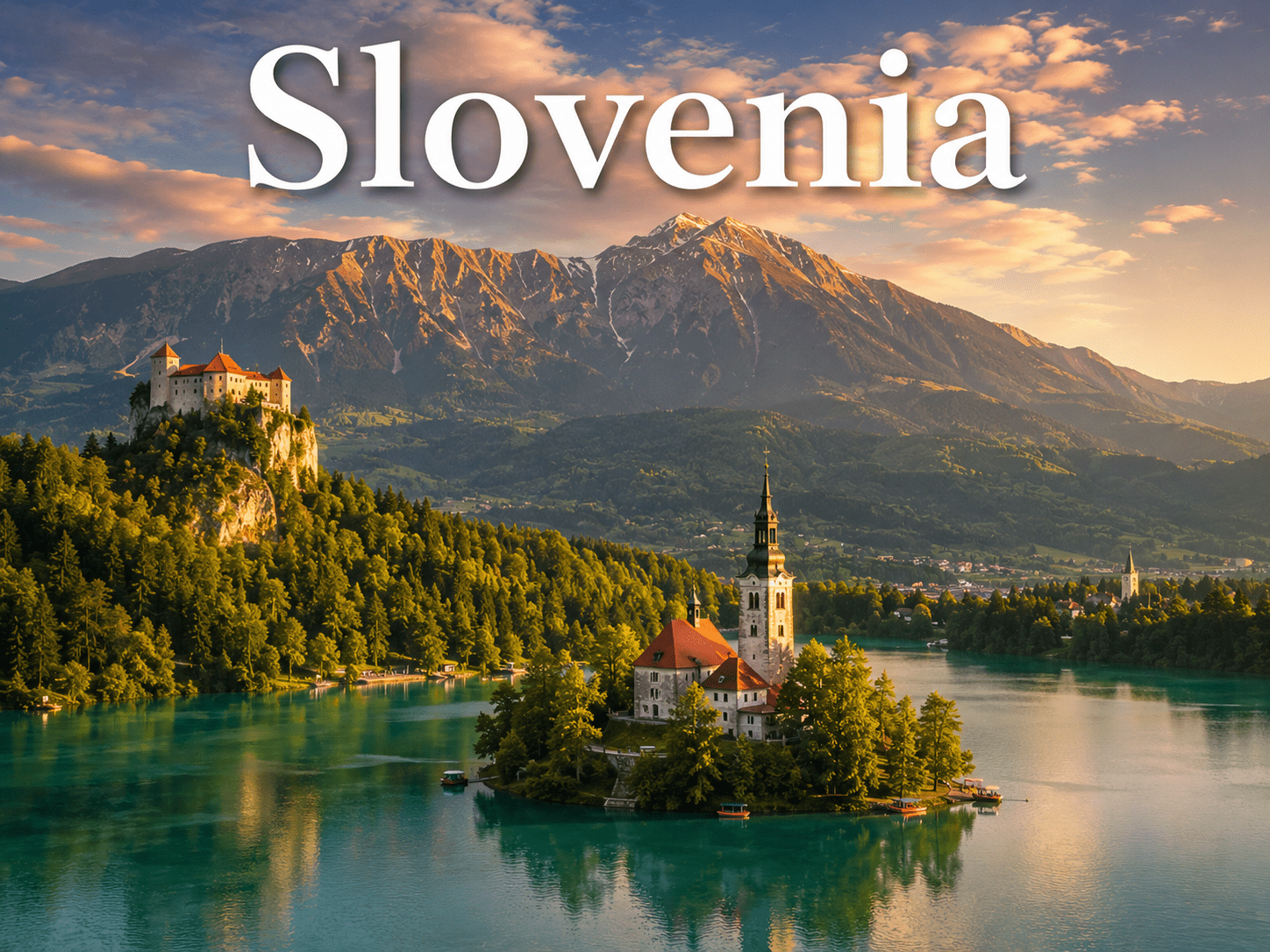
Bled is one of the most famous tourism destinations in Slovenia because of its lake, island church, and mountain scenery.
Tourism in Slovenia
Why Visit Slovenia?
Tourism in Slovenia continues growing because of:
- Nature tourism
- Sustainable travel
- Outdoor adventure
- Historic cities
- Lakes and mountains
- Wellness tourism
Travelers appreciate the peaceful atmosphere and natural beauty found across Slovenia.
Famous Tourist Attractions in Slovenia
Lake Bled
Lake Bled is the most iconic attraction in Slovenia.
The lake features:
- Emerald-green water
- Island church
- Mountain scenery
- Medieval castle
Ljubljana Castle
Ljubljana Castle overlooks the capital city and offers panoramic views of Slovenia’s capital region.
Postojna Cave
Postojna Cave is one of Europe’s most famous cave systems and a major tourism attraction in Slovenia.
Triglav National Park
Triglav National Park protects alpine landscapes, rivers, forests, and mountain peaks in Slovenia.
Outdoor activities include:
- Hiking
- Rafting
- Climbing
- Wildlife observation
External DoFollow Links
World Bank Slovenia Overview: https://www.worldbank.org/en/country/slovenia
United Nations Slovenia Profile: https://www.un.org/en/member-states/slovenia
UNESCO Slovenia Heritage Sites: https://whc.unesco.org/en/statesparties/si
Economy of Slovenia
Overview of the Economy of Slovenia
The economy of Slovenia is one of the most developed and stable in Central Europe. Since gaining independence in 1991, Slovenia has transformed into a modern market economy with strong industrial production, international trade, tourism, and technological innovation.
Membership in the European Union has strengthened economic growth and increased investment opportunities across Slovenia. The country benefits from its strategic location connecting Central Europe, the Balkans, and the Mediterranean region.
Modern Slovenia is recognized for:
- Sustainable economic policies
- Manufacturing industries
- Green technologies
- Tourism
- Logistics
- International trade
The country maintains high living standards and modern infrastructure.
Currency Used in Slovenia
The official currency of Slovenia is the euro.
Currency Facts
- Currency Name: Euro
- Currency Code: EUR
- Central Bank: Bank of Slovenia
The use of the euro supports international trade and tourism throughout Slovenia.
Main Industries in Slovenia
Manufacturing Industry
Manufacturing plays an important role in the economy of Slovenia.
Key sectors include:
- Automotive components
- Pharmaceuticals
- Electronics
- Machinery
- Chemicals
Industrial exports support economic stability and international trade.
Tourism Industry
Tourism is one of the fastest-growing industries in Slovenia because of:
- Alpine landscapes
- Lakes
- Adventure tourism
- Sustainable travel
- Wellness tourism
- Historic cities
Nature-based tourism remains especially important in Slovenia.
Agriculture and Wine Production
Agriculture in Slovenia includes:
- Vineyards
- Dairy farming
- Fruit cultivation
- Forestry
The wine industry is particularly respected, and several wine regions in Slovenia attract international visitors.
Trade and International Business
Main Trade Partners of Slovenia
Slovenia trades extensively with European countries.
Important trade partners include:
- Germany
- Italy
- Austria
- Croatia
- France
Exports from Slovenia include:
- Machinery
- Vehicles
- Pharmaceuticals
- Industrial products
Infrastructure Development
Modern infrastructure supports transportation and economic growth across Slovenia.
Key development areas include:
- Railways
- Highways
- Ports
- Airports
- Renewable energy projects
The country’s transportation network efficiently connects major European markets.
Nature and Wildlife in Slovenia
Green Landscapes of Slovenia
Nature is one of the greatest attractions of Slovenia.
The country contains:
- Forests
- Rivers
- Waterfalls
- Mountains
- Lakes
- Protected parks
More than half of Slovenia is covered by forests, making it one of Europe’s greenest nations.
Triglav National Park
Triglav National Park is the largest protected natural area in Slovenia.
The park features:
- Alpine peaks
- Rivers
- Lakes
- Hiking trails
- Wildlife habitats
Mount Triglav is the highest mountain in Slovenia and a national symbol.
Caves of Slovenia
Karst cave systems are among the most famous natural wonders in Slovenia.
Postojna Cave
Postojna Cave attracts visitors with:
- Underground rail tours
- Limestone formations
- Massive cave chambers
Škocjan Caves
The Škocjan Caves are recognized as a UNESCO World Heritage Site because of their geological importance.
Wildlife in Slovenia
Wildlife species found in Slovenia include:
- Brown bears
- Wolves
- Lynx
- Deer
- Eagles
Protected natural areas help preserve biodiversity across the country.
Winter Tourism in Slovenia
Ski Resorts in Slovenia
Winter tourism is highly popular in Slovenia because of the Alpine climate and mountain resorts.
Popular ski destinations include:
- Kranjska Gora
- Vogel
- Maribor Pohorje
Visitors enjoy affordable winter sports compared to many Western European destinations.
Winter Activities
Travelers visiting Slovenia during winter can enjoy:
- Skiing
- Snowboarding
- Ice skating
- Snow hiking
- Thermal spa tourism
Snow-covered alpine scenery creates spectacular winter landscapes.
Transportation in Slovenia
Public Transportation
The transportation system in Slovenia is modern, organized, and efficient.
Transportation options include:
- Trains
- Buses
- Taxis
- Cycling infrastructure
Travelers can easily move between cities and tourism regions.
Railway System
Rail travel connects major cities and neighboring countries throughout Slovenia.
Scenic railway routes provide beautiful views of mountains, rivers, and valleys.
Airports in Slovenia
The main international airport in Slovenia is Ljubljana Jože Pučnik Airport.
The airport connects the country with:
- European capitals
- International tourism destinations
- Business centers
Festivals and Cultural Events in Slovenia
Traditional Festivals
Traditional celebrations in Slovenia include:
- Folk festivals
- Wine festivals
- Music events
- Seasonal celebrations
These festivals preserve local customs and cultural identity.
Ljubljana Festival
The Ljubljana Festival is one of the largest cultural events in Slovenia.
The festival features:
- Classical music
- Theater
- Dance performances
- International artists
Christmas Markets
Christmas markets are very popular during winter in Slovenia.
Visitors enjoy:
- Holiday decorations
- Handmade crafts
- Traditional food
- Warm drinks
- Live music
Ljubljana’s Christmas atmosphere attracts many international tourists.
Nightlife in Slovenia
Entertainment and Social Life
Nightlife in Slovenia combines relaxed European cafes with modern entertainment venues.
Popular nightlife activities include:
- Riverside dining
- Wine bars
- Music clubs
- Cultural performances
Ljubljana is especially known for its vibrant social atmosphere.
Wine Culture
Wine production has a long tradition in Slovenia.
Travelers often explore:
- Vineyards
- Wine tastings
- Wine festivals
- Traditional wine cellars
The country’s wine regions contribute significantly to tourism.
Best Time to Visit Slovenia
Summer Travel
Summer is one of the best seasons for visiting Slovenia because of:
- Hiking weather
- Lake tourism
- Festivals
- Outdoor sports
Warm temperatures make summer ideal for exploring nature.
Winter Travel
Winter attracts travelers interested in:
- Skiing
- Snow tourism
- Christmas markets
- Thermal spas
The alpine scenery of Slovenia becomes especially beautiful during snowy months.
Interesting Facts About Slovenia
Unique Facts About Slovenia
- Slovenia is one of the greenest countries in Europe.
- More than half of the country is covered by forests.
- Lake Bled is one of Europe’s most photographed lakes.
- Mount Triglav is a national symbol of Slovenia.
- The country has thousands of caves.
- Sustainable tourism is strongly promoted in Slovenia.
- Beekeeping traditions are culturally important.
International Organizations and Global Relations
European Union Membership
Slovenia became a member of the European Union in 2004.
EU membership strengthened:
- Economic growth
- Infrastructure development
- Tourism
- International trade
Other International Memberships
Slovenia is also connected with:
- United Nations
- NATO
- Schengen Area
- World Bank
- International Monetary Fund
International cooperation continues supporting development and stability.
Food and Culinary Experiences in Slovenia
Traditional Cuisine of Slovenia
The cuisine of Slovenia reflects a rich combination of Central European, Mediterranean, Alpine, and Balkan culinary traditions. Local dishes vary by region and are often prepared using fresh seasonal ingredients, homemade recipes, and traditional cooking methods.
Food culture in Slovenia plays an important role in family gatherings, festivals, and social life. Travelers often enjoy authentic countryside restaurants, mountain lodges, and local food markets while exploring the country.
The culinary traditions of Slovenia are known for:
- Fresh ingredients
- Artisan cheeses
- Homemade pastries
- Wine culture
- Regional specialties
Popular Dishes in Slovenia
Kranjska Klobasa
Kranjska klobasa is one of the most famous traditional foods in Slovenia.
The sausage is commonly served with:
- Mustard
- Bread
- Sauerkraut
It remains a national culinary symbol.
Potica
Potica is a rolled pastry traditionally prepared during holidays and celebrations in Slovenia.
Popular fillings include:
- Walnut
- Honey
- Tarragon
- Poppy seeds
Štruklji
Štruklji are rolled dumplings served in sweet or savory styles throughout Slovenia.
Different versions may include:
- Cottage cheese
- Herbs
- Fruit fillings
- Cream sauces
Seafood and Mediterranean Dishes
Coastal regions of Slovenia near the Adriatic Sea offer fresh seafood dishes inspired by Mediterranean cuisine.
Shopping in Slovenia
Shopping Experiences in Slovenia
Shopping in Slovenia combines modern retail centers with traditional artisan markets and local craft shops.
Travelers can find:
- Handmade crafts
- Traditional clothing
- Honey products
- Crystal items
- Wines
- Wooden souvenirs
Local Markets
Local markets in Slovenia are popular for fresh food, handmade products, and cultural experiences.
Visitors often purchase:
- Regional cheese
- Organic products
- Local wine
- Traditional pastries
- Artisan goods
Christmas Markets
Christmas markets are among the most beautiful seasonal attractions in Slovenia.
The markets feature:
- Holiday lights
- Traditional foods
- Handmade decorations
- Warm beverages
- Music performances
Ljubljana becomes especially festive during winter celebrations.
Education System in Slovenia
Development of Education
Education is highly valued in Slovenia, and the country maintains strong literacy and academic standards.
The education system includes:
- Public schools
- Universities
- Technical institutes
- Research centers
Government investment in science and education supports innovation and economic development.
Universities in Slovenia
Universities in Slovenia attract students from across Europe and beyond.
Popular areas of study include:
- Engineering
- Environmental sciences
- Medicine
- Information technology
- Arts
Higher education contributes significantly to research and skilled workforce development.
Sports and Recreation in Slovenia
Popular Sports in Slovenia
Sports are an important part of life in Slovenia, especially outdoor and winter activities.
Popular sports include:
- Skiing
- Cycling
- Basketball
- Football
- Hiking
- Climbing
The mountainous geography creates ideal conditions for adventure tourism and recreation.
Winter Sports
Winter sports tourism is highly developed in Slovenia.
Travelers can enjoy:
- Alpine skiing
- Snowboarding
- Ice climbing
- Cross-country skiing
The alpine resorts attract both professional athletes and recreational visitors.
Outdoor Adventures
Outdoor enthusiasts visiting Slovenia often experience:
- Hiking trails
- River rafting
- Paragliding
- Mountain biking
- Cave exploration
Adventure tourism is one of the fastest-growing travel sectors in the country.
Travel Tips for Slovenia
Entry and Visa Information
As part of the Schengen Area, Slovenia allows easy travel for many European visitors and international tourists.
Travel requirements may vary depending on nationality.
Currency and Payments
The euro is used throughout Slovenia, and electronic payments are widely accepted.
Travelers can easily access:
- ATMs
- Banking services
- Digital payments
- Public transportation cards
Internet and Communication
Internet infrastructure in Slovenia is modern and reliable.
Public Wi-Fi and mobile network coverage are widely available across cities and tourism regions.
Safety and Health in Slovenia
Is Slovenia Safe for Tourists?
Slovenia is considered one of the safest countries in Europe for international travelers.
Visitors often appreciate:
- Clean cities
- Organized transportation
- Friendly local communities
- Safe outdoor tourism
The peaceful atmosphere contributes to the country’s strong tourism reputation.
Healthcare Services
Healthcare services in Slovenia are modern and accessible.
Travel insurance is recommended for international visitors exploring mountain and outdoor destinations.
Outdoor Adventures in Slovenia
Lake Tourism
Lake tourism is one of the most famous attractions in Slovenia.
Popular lakes include:
- Lake Bled
- Lake Bohinj
Visitors enjoy:
- Boating
- Swimming
- Photography
- Hiking
- Relaxation
Cave Exploration
The cave systems of Slovenia are internationally famous.
Travelers explore:
- Underground rivers
- Limestone formations
- Massive cave chambers
- Guided underground tours
Postojna Cave and Škocjan Caves are among the country’s most important natural attractions.
Mountain Tourism
Mountain tourism attracts outdoor enthusiasts to Slovenia throughout the year.
Popular activities include:
- Hiking
- Climbing
- Skiing
- Nature photography
- Wildlife observation
Triglav National Park remains one of the top destinations for adventure tourism.
Why Slovenia Is Unique
The Identity of Slovenia
The uniqueness of Slovenia comes from its remarkable combination of:
- Green landscapes
- Alpine scenery
- Sustainable tourism
- Medieval towns
- Outdoor adventure
- Peaceful atmosphere
Few European countries offer such environmental diversity within such a compact territory.
Travelers often admire the clean cities, eco-friendly lifestyle, and natural beauty found across Slovenia.
Final Summary
Slovenia is one of Europe’s most beautiful and environmentally conscious destinations. From the alpine lakes of Bled and Bohinj to the charming streets of Ljubljana and the underground wonders of its cave systems, the country offers unforgettable experiences for travelers seeking nature, culture, and adventure.
The peaceful atmosphere, sustainable tourism policies, and scenic landscapes continue attracting visitors from around the world.
Travelers visiting Slovenia can enjoy:
- Alpine mountains
- Crystal-clear lakes
- Medieval castles
- Cave exploration
- Outdoor sports
- Wine tourism
- Cultural festivals
With modern infrastructure, rich traditions, and extraordinary natural beauty, Slovenia remains one of Europe’s hidden treasures.
Key Facts About Slovenia
| Category | Information |
|---|---|
| Country Name | Slovenia |
| Continent | Europe |
| Region | Central Europe |
| Capital City | Ljubljana |
| Official Language | Slovene |
| Currency | Euro (EUR) |
| Population | Around 2 million |
| Climate | Alpine, Continental, Mediterranean |
| Main Industries | Manufacturing, Tourism, Technology |
| Famous Attraction | Lake Bled |
| Highest Mountain | Mount Triglav |
| Best Time to Visit | May to September and Winter Ski Season |

