



Introduction
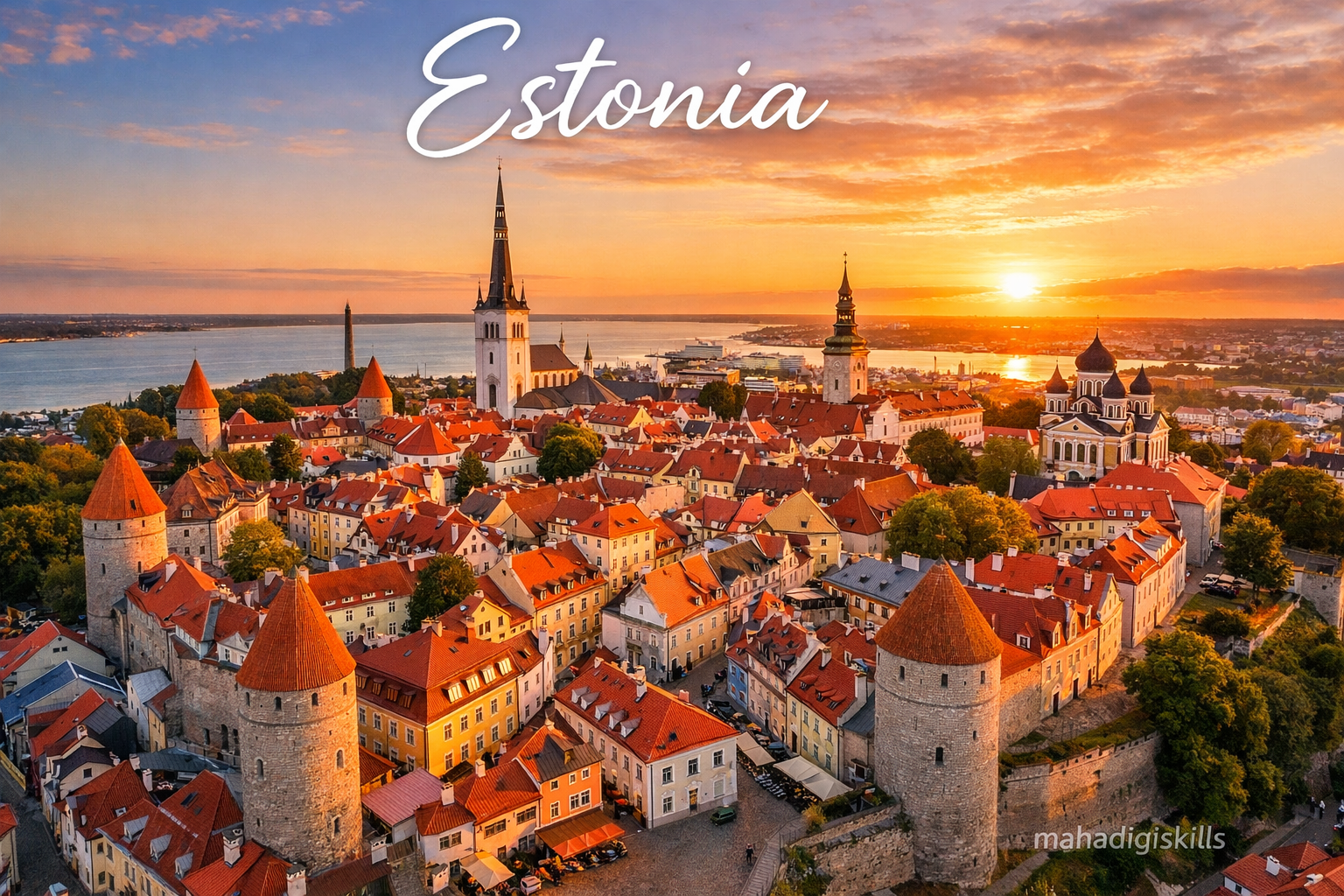
Estonia is a beautiful country in Northern Europe, located along the eastern coast of the Baltic Sea. Known for its medieval cities, dense forests, innovative digital society, and charming coastal landscapes, the country has become one of the most interesting destinations in the Baltic region.
Although relatively small in population, Estonia is widely recognized for its advanced technology, high quality of life, and well-preserved cultural heritage. Travelers exploring Estonia often find a fascinating mix of historic architecture, scenic nature, and modern urban culture.
From the cobblestone streets of Tallinn’s Old Town to the peaceful islands scattered across the Baltic Sea, the country offers a wide variety of experiences for visitors.
This guide explores the history, geography, culture, economy, tourism, and travel opportunities found across Estonia.
Historical Background
The history of Estonia stretches back thousands of years and reflects influences from Viking traders, medieval kingdoms, and European empires.
Early Settlements
Archaeological evidence suggests that humans have lived in the region of Estonia for more than 9,000 years. Early inhabitants relied on fishing, hunting, and farming to survive in the forested landscapes.
Over time, communities developed trade connections with neighboring regions around the Baltic Sea.
Viking and Medieval Period
During the Viking Age, Estonia became an important area for maritime trade. Viking merchants and explorers traveled through the Baltic region, establishing trade routes that connected Scandinavia with Eastern Europe.
Later, during the 13th century, the territory came under the influence of German crusading orders, including the Teutonic Knights.
This period introduced:
- Medieval castles
- Christianity
- European trading networks
Several towns established during this era later became important cities.
Swedish Rule
In the 16th and 17th centuries, Estonia came under the control of the Swedish Empire.
The Swedish period is sometimes referred to as the “Good Old Swedish Times” because reforms during this era improved education and governance.
Russian Empire
After the Great Northern War (1700–1721), Estonia became part of the Russian Empire.
Although governed by Russia, the region maintained cultural and economic connections with Europe. Cities such as Tallinn and Tartu continued to develop as centers of education and trade.
Independence in 1918
Following the collapse of the Russian Empire during World War I, Estonia declared independence in 1918.
The country established a democratic government and began building national institutions.
Soviet and Nazi Occupation
During World War II, Estonia experienced occupation by both the Soviet Union and Nazi Germany.
After the war, the country remained part of the Soviet Union for several decades.
Restoration of Independence
In 1991, Estonia regained independence following the dissolution of the Soviet Union.
Since then, the country has transformed into a democratic state and a leader in digital innovation.
Geography of Estonia
Estonia’s geography is characterized by forests, lakes, islands, and coastal landscapes along the Baltic Sea.
Location
Estonia lies in Northern Europe along the Baltic Sea.
Geographic coordinates:
58.60° N latitude and 25.01° E longitude
Neighboring Countries
Estonia shares borders with:
- Latvia to the south
- Russia to the east
Across the Baltic Sea lie:
- Finland to the north
- Sweden to the west
This strategic location has historically supported trade and cultural exchange.
Islands of Estonia
One of the most interesting geographical features of Estonia is its large number of islands.
The country has more than 2,000 islands in the Baltic Sea.
Important islands include:
- Saaremaa
- Hiiumaa
- Muhu
These islands are known for scenic landscapes, traditional villages, and historic windmills.
Forests and Natural Landscapes
Forests cover more than half of Estonia’s territory, making it one of the greenest countries in Europe.
Natural landscapes include:
- Dense pine forests
- Lakes and wetlands
- Coastal cliffs
- National parks
This natural environment supports a rich ecosystem and outdoor recreation.
Climate
Estonia experiences a temperate climate influenced by the Baltic Sea.
Winter
Winters are cold, with snowfall common between December and February.
Temperatures often fall below freezing, creating scenic winter landscapes.
Summer
Summers are mild and pleasant, usually between June and August.
Long daylight hours make summer the best season for outdoor travel and festivals.
Culture and Traditions
Culture in Estonia reflects influences from Nordic and Baltic traditions.
National Identity
Estonians have a strong sense of national identity connected to their language, history, and natural environment.
The Estonian language belongs to the Finno-Ugric language family, making it closely related to Finnish.
Music and Festivals
Music is an important part of cultural life in Estonia.
One of the most famous cultural events is the Estonian Song Festival, where thousands of singers perform traditional songs.
This festival symbolizes national unity and cultural pride.
Traditional Food
Cuisine in Estonia often features simple ingredients from the countryside.
Common foods include:
- Rye bread
- Potatoes
- Fish from the Baltic Sea
- Pork dishes
- Berry desserts
Traditional meals reflect the agricultural heritage of the country.
Economy of Estonia
The economy of Estonia is considered one of the most innovative in Europe.
Digital Economy
Estonia is widely known as a global leader in digital government and technology.
The country developed several digital systems including:
- Online voting
- Digital identification
- E-government services
This digital transformation has attracted international attention.
Major Industries
Important economic sectors include:
- Information technology
- Telecommunications
- Manufacturing
- Logistics and shipping
The economy is strongly connected to European markets.
Currency
Estonia uses the Euro (EUR) as its official currency.
The country adopted the Euro in 2011, strengthening economic integration with the European Union.
External Source
World Bank
https://www.worldbank.org
Major Cities in Estonia
Although Estonia is relatively small, several cities play important roles in culture and commerce.
Tallinn – The Capital
Tallinn is the capital and largest city of Estonia.
The city is famous for its medieval Old Town, which is listed as a UNESCO World Heritage Site.
Key attractions include:
- Tallinn Town Hall
- Alexander Nevsky Cathedral
- Toompea Castle
- Medieval city walls
Tallinn combines historic charm with modern technology and vibrant nightlife.
Tartu – Cultural and Academic Center
Tartu is known as the intellectual capital of Estonia.
The city is home to University of Tartu, one of the oldest universities in Northern Europe.
Students and researchers contribute to a lively cultural atmosphere.
Narva
Narva lies on the eastern border with Russia.
The city is famous for the impressive Narva Castle, which stands across the river from the Russian fortress of Ivangorod.
Tourism in Estonia
Tourism in Estonia has grown steadily over the past two decades as more travelers discover the country’s mix of medieval history, modern cities, and untouched natural landscapes. Visitors are often surprised by how much diversity exists within such a compact nation.
From UNESCO heritage towns and Baltic Sea islands to national parks filled with forests and wildlife, Estonia offers many unique travel experiences.
Travelers exploring Estonia can enjoy:
- Historic architecture and medieval streets
- Peaceful forests and nature reserves
- Baltic Sea beaches and coastal cliffs
- Cultural festivals and traditional food
Because of its efficient infrastructure and safe environment, Estonia is also considered one of the easiest countries to travel within the Baltic region.
Major Tourist Attractions in Estonia
Several destinations across Estonia attract international travelers every year.
Tallinn Old Town
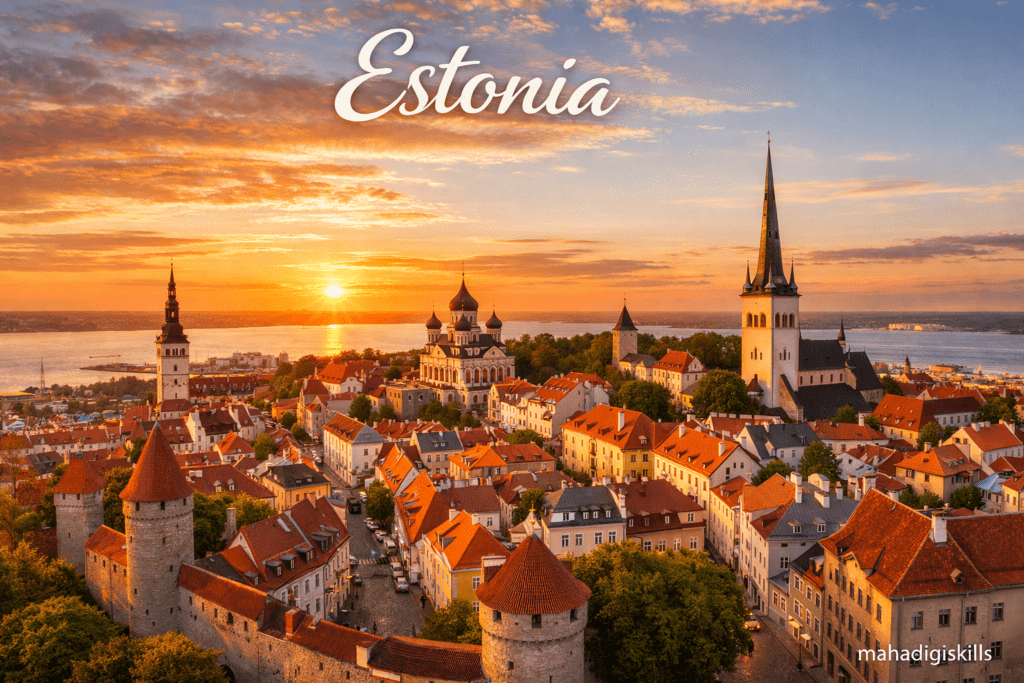
Tallinn Old Town is the most famous historical attraction in Estonia. This beautifully preserved medieval district features narrow cobblestone streets, colorful merchant houses, and towering church spires.
The historic area dates back to the 13th century and remains one of the best-preserved medieval towns in Europe.
Popular landmarks include:
- Tallinn Town Hall
- Toompea Hill
- St. Olaf’s Church
- Alexander Nevsky Cathedral
- Medieval city walls and towers
Walking through Tallinn Old Town feels like stepping back in time.
Lahemaa National Park
Lahemaa National Park is one of the largest protected natural areas in Estonia. Located about an hour from Tallinn, the park is famous for its forests, wetlands, and coastal landscapes.
Visitors to Lahemaa National Park can explore:
- Scenic hiking trails
- Traditional fishing villages
- Historic manor houses
- Wildlife habitats
The park is home to animals such as moose, lynx, and wild boar.
Saaremaa Island
Saaremaa is the largest island in Estonia and a popular destination for nature lovers.
The island is known for its:
- Windmills
- Stone churches
- Coastal cliffs
- Quiet countryside villages
One of the most famous attractions here is Kuressaare Castle, a well-preserved medieval fortress.
Saaremaa is also known for its relaxing atmosphere and spa resorts.
Hiiumaa Island
Hiiumaa is another beautiful island in Estonia that offers peaceful landscapes and traditional coastal culture.
Highlights include:
- Historic lighthouses
- Forest trails
- Sandy beaches
- Fishing villages
Hiiumaa remains less crowded than many other destinations, making it perfect for travelers seeking tranquility.
Tartu City
Tartu is considered the cultural and intellectual center of Estonia.
The city is home to:
- University of Tartu
- Estonian National Museum
- Historic town square
- Science and cultural centers
Tartu’s youthful student population creates a lively atmosphere filled with cafes, art galleries, and festivals.
Natural Landscapes
One of the greatest attractions of Estonia is its rich natural environment.
Forests
More than 50% of Estonia is covered by forests. These forests provide opportunities for hiking, wildlife observation, and outdoor recreation.
During autumn, the forests transform into colorful landscapes filled with red, orange, and golden leaves.
Lakes and Wetlands
The country has more than 1,500 lakes and extensive wetlands.
Some notable lakes include:
- Lake Peipus, one of Europe’s largest lakes
- Lake Võrtsjärv
These water bodies support fishing communities and provide scenic views.
Baltic Sea Coastline
The coastline of Estonia stretches more than 3,700 kilometers, including islands and peninsulas.
Visitors can enjoy:
- Sandy beaches
- Seaside cliffs
- Coastal hiking routes
- Birdwatching areas
The Baltic Sea coastline plays an important role in tourism and maritime culture.
Cultural Heritage
Estonia’s cultural heritage reflects centuries of European and Nordic influences.
UNESCO World Heritage Sites
One of the most famous UNESCO sites in Estonia is Tallinn Old Town, recognized for its exceptional medieval architecture.
External Source
UNESCO
https://whc.unesco.org
This historic district has remained remarkably intact for centuries.
Folk Traditions
Traditional culture continues to play an important role in Estonian society.
Folk traditions include:
- Traditional clothing
- Folk dances
- Handcrafted textiles
- Storytelling and music
Many festivals celebrate these traditions throughout the year.
Song and Dance Festival
The Estonian Song and Dance Festival is one of the largest choral events in the world.
Thousands of singers gather to perform traditional songs, celebrating national identity and cultural unity.
The festival takes place every five years and attracts visitors from around the world.
Food and Cuisine
Food culture in Estonia is influenced by agricultural traditions and coastal fishing communities.
Traditional cuisine often includes simple, hearty ingredients.
Popular Dishes
Common dishes include:
- Rye bread
- Smoked fish
- Pork dishes
- Sauerkraut
- Potato-based meals
Seasonal berries and mushrooms collected from forests also play an important role in local cuisine.
Modern Dining
In recent years, Estonia has developed a vibrant modern food scene.
Restaurants in cities such as Tallinn and Tartu combine traditional recipes with contemporary culinary techniques.
Many chefs focus on locally sourced ingredients.
Transportation in Estonia
Traveling around Estonia is convenient due to the country’s well-developed infrastructure.
Air Travel
The main international airport is Tallinn Airport, which connects Estonia to many European cities.
Domestic flights are limited because the country is relatively small.
Rail Travel
Train services connect major cities including:
- Tallinn
- Tartu
- Narva
- Pärnu
Rail travel is comfortable and affordable for visitors.
Bus Network
Long-distance buses operate across Estonia and provide reliable connections between towns and villages.
Bus transportation is widely used by both locals and tourists.
Ferry Connections
Ferries connect mainland Estonia with its islands.
Popular ferry routes include:
- Tallinn to Helsinki (Finland)
- Mainland to Saaremaa
- Mainland to Hiiumaa
Ferry travel is an important part of transportation in the Baltic region.
Best Time to Visit Estonia
Choosing the best time to visit Estonia depends on the type of experience travelers want.
Summer (June – August)
Summer is the most popular travel season.
Advantages include:
- Warm temperatures
- Long daylight hours
- Outdoor festivals
- Beach activities
Autumn (September – October)
Autumn offers beautiful landscapes as forests change color.
This season is ideal for:
- Photography
- Nature walks
- Cultural exploration
Winter (December – February)
Winter transforms Estonia into a snowy wonderland.
Popular activities include:
- Christmas markets
- Ice skating
- Winter festivals
Spring (April – May)
Spring brings blooming flowers and mild weather.
Nature reserves become vibrant as wildlife returns after winter.
Languages in Estonia
Language plays a central role in the identity of Estonia. The country has preserved its linguistic heritage while also embracing international communication.
Official Language
The Estonian language is the official language of Estonia.
It belongs to the Finno-Ugric language family, which makes it linguistically related to Finnish and distantly related to Hungarian.
Unlike many European languages, Estonian is not derived from Latin or Germanic roots, making it unique within the region.
Widely Spoken Languages
Besides Estonian, several other languages are commonly spoken in Estonia due to historical and economic connections.
These include:
- Russian
- English
- Finnish
English is widely used in tourism, education, and international business.
Society and Population
The population of Estonia is approximately 1.3 million people, making it one of the smaller countries in Europe by population.
Despite its small population, Estonia is known for its high levels of education, digital innovation, and quality of life.
Urban Population
Many residents live in urban areas, especially in cities such as:
- Tallinn
- Tartu
- Narva
- Pärnu
Tallinn alone accounts for a significant portion of the population.
Education
Estonia has one of the strongest education systems in Europe.
The country consistently ranks among the top performers in international education assessments.
Institutions such as the University of Tartu attract students and researchers from around the world.
Economy of Estonia
The economy of Estonia is known for its innovation and strong integration with European markets.
Since regaining independence in 1991, Estonia has transformed into one of the most technologically advanced economies in Europe.
Key Economic Sectors
Important industries in Estonia include:
- Information technology
- Telecommunications
- Manufacturing
- Logistics and transport
- Financial services
Technology companies and digital startups play an especially important role.
Digital Society
Estonia is often called one of the most digitally advanced societies in the world.
The country has introduced innovative services such as:
- E-government systems
- Online voting
- Digital identity cards
- E-residency programs
These initiatives allow people to access government services online.
Currency
The official currency of Estonia is the Euro (EUR).
Estonia adopted the Euro in 2011, strengthening its economic ties with the European Union.
External Source (DoFollow)
World Bank
https://www.worldbank.org
Trade Partners
Estonia maintains strong trade relationships with many European countries.
Major trade partners include:
- Finland
- Sweden
- Germany
- Latvia
- Lithuania
Trade primarily involves technology products, machinery, timber, and electronic equipment.
Estonia in International Organizations
Estonia actively participates in international organizations that support cooperation and global development.
United Nations Membership
Estonia joined the United Nations in 1991, shortly after restoring independence.
UN membership allows Estonia to participate in global initiatives related to:
- Peace and security
- Environmental protection
- Economic development
- Human rights
External Source (DoFollow)
https://www.un.org/en/member-states
European Union
Estonia became a member of the European Union in 2004.
EU membership has strengthened economic cooperation and regional integration.
NATO
Estonia is also a member of NATO, contributing to collective security in the Baltic region.
Interesting Facts About Estonia
Several fascinating facts make Estonia unique in Europe.
One of the Most Digital Countries
Estonia is famous for its digital government services, allowing citizens to vote online and access many services digitally.
Over 2,000 Islands
Estonia has more than 2,000 islands scattered across the Baltic Sea.
Many of these islands are home to small villages and natural landscapes.
Forest-Rich Country
Forests cover more than half of Estonia’s land area, making it one of the greenest countries in Europe.
Home of Skype
The original development team behind Skype, the famous communication platform, came from Estonia.
Song Festival Tradition
The Estonian Song Festival is one of the largest choral events in the world, featuring thousands of singers performing traditional music.
Travel Tips for Visiting Estonia
Traveling in Estonia is generally safe and convenient for international visitors.
Entry Requirements
Most travelers entering Estonia will need:
- A valid passport
- A visa depending on nationality
Because Estonia is part of the Schengen Area, travelers with Schengen visas can easily visit.
Local Transportation
Getting around Estonia is easy due to reliable infrastructure.
Transportation options include:
- Buses
- Trains
- Ferries
- Rental cars
Public transportation is efficient and affordable.
Cultural Etiquette
Visitors should respect local customs when traveling in Estonia.
Helpful etiquette tips include:
- Being punctual for meetings
- Respecting quiet public behavior
- Greeting people politely
Estonians generally value privacy and respectful communication.
Internal Links (SEO)
To improve internal SEO structure, you can link this article to related country blogs:
Internal linking helps search engines understand your website structure.
Final Summary
Estonia is a remarkable country that combines historic heritage, innovative technology, and breathtaking natural landscapes. Located in Northern Europe along the Baltic Sea, the nation offers travelers a fascinating blend of medieval architecture, vibrant cities, and peaceful forests.
Cities such as Tallinn and Tartu showcase centuries of cultural history, while the country’s islands, national parks, and coastal scenery highlight the beauty of its natural environment.
Beyond tourism, Estonia stands out globally for its digital transformation and forward-thinking governance. Its advanced technology infrastructure, high educational standards, and strong international connections have positioned the country as one of Europe’s most modern and dynamic societies.
Whether visitors are interested in exploring medieval towns, relaxing on Baltic Sea islands, or learning about one of the world’s most digital nations, Estonia provides a unique and memorable travel experience.
Key Facts About Estonia
| Category | Information |
|---|---|
| Capital | Tallinn |
| Continent | Europe |
| Population | ~1.3 million |
| Official Language | Estonian |
| Currency | Euro (EUR) |
| Independence Restored | 1991 |
| EU Membership | 2004 |
| UN Membership | 1991 |
| Major Cities | Tallinn, Tartu, Narva, Pärnu |
| Coastline | Baltic Sea |
List of All 195 Countries
- Afghanistan
- Albania
- Algeria
- Andorra
- Angola
- Antigua and Barbuda
- Argentina
- Armenia
- Australia
- Austria
- Azerbaijan
- Bahamas
- Bahrain
- Bangladesh
- Barbados
- Belarus
- Belgium
- Belize
- Benin
- Bhutan
- Bolivia
- Bosnia and Herzegovina
- Botswana
- Brazil
- Brunei
- Bulgaria
- Burkina Faso
- Burundi
- Cabo Verde
- Cambodia
- Cameroon
- Canada
- Central African Republic
- Chad
- Chile
- China
- Colombia
- Comoros
- Congo (Congo-Brazzaville)
- Costa Rica

