



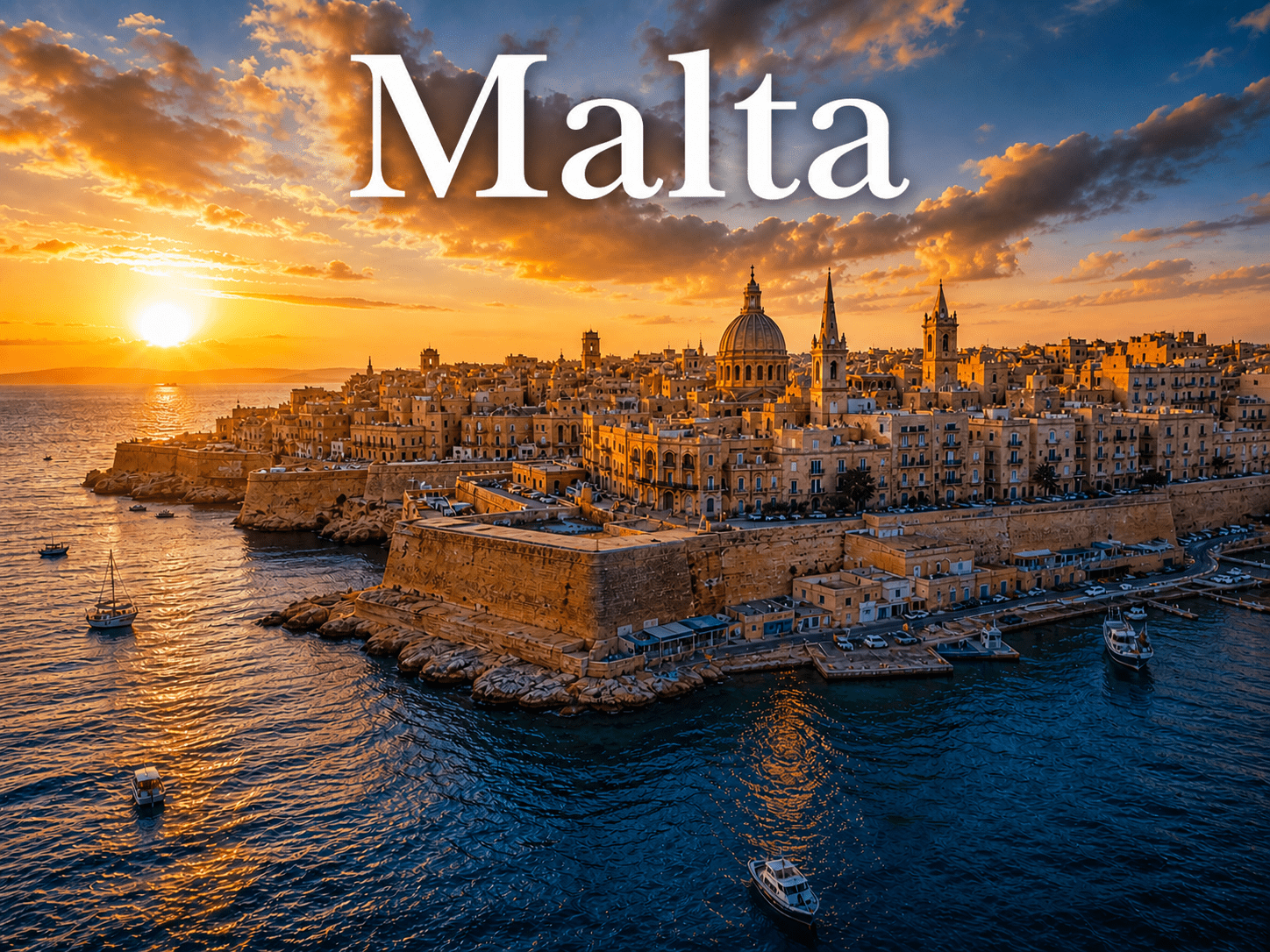
🌟 Introduction
The small but stunning Mediterranean archipelago is one of Europe’s most fascinating travel destinations. Located between Sicily and North Africa, this island country is known for its crystal-clear waters, ancient architecture, and rich cultural heritage.
This Mediterranean island nation blends history, sea views, and modern tourism in a unique way that attracts millions of visitors each year. Despite its small size, it offers an incredibly dense concentration of historical sites and natural beauty.
Travelers visiting this island country often describe it as an open-air museum surrounded by the sea.
🏛 History of the Island Nation
Ancient Civilizations
The islands have been inhabited for over 7,000 years. Early settlers built temples and structures that still exist today, making it one of the oldest cultural regions in Europe.
Phoenician and Roman Influence
Due to its strategic location in the Mediterranean Sea, the islands were controlled by:
- Phoenicians
- Romans
- Byzantines
Each civilization left architectural and cultural marks.
Medieval Period
During medieval times, knights and kingdoms shaped the region’s identity, building fortresses and coastal defenses.
Modern Era
Eventually, the island became a British colony before gaining independence in 1964. Today, it is a stable European nation with strong tourism and services industries.
🌍 Geography of the Mediterranean Archipelago
Location and Coordinates
- Coordinates: 35.9375° N, 14.3754° E
- Region: Southern Europe / Mediterranean Sea
Island Structure
The country consists of:
- Main island
- Smaller inhabited islands
- Uninhabited rocky islets
Climate
The climate is Mediterranean:
- Hot, dry summers
- Mild winters
- Over 300 days of sunshine annually
🏙 Major Cities and Towns
Valletta (Capital City)
Valletta
Valletta is a UNESCO World Heritage capital known for:
- Baroque architecture
- Historic forts
- Coastal views
It is one of the smallest capital cities in Europe but one of the richest in history.
Mdina
Mdina
Mdina is often called the “Silent City” because of its quiet medieval streets. It features:
- Narrow alleys
- Stone architecture
- Ancient walls
Sliema
A modern coastal town known for:
- Shopping
- Restaurants
- Seaside promenades
🏖 Coastal Beauty
Blue Waters
The Mediterranean waters surrounding this island nation are famous for:
- Clear visibility
- Blue lagoons
- Rocky coves
Beaches
Popular beach types include:
- Sandy beaches
- Hidden coves
- Cliffside swimming spots
Diving Spots
The underwater world includes:
- Shipwrecks
- Coral formations
- Marine caves
🎭 Culture of the Island Nation
Cultural Identity
Culture is a mix of:
- European influences
- Arabic heritage
- Mediterranean traditions
Language
- Maltese (official)
- English widely spoken
Religion
Roman Catholicism is the dominant religion, influencing festivals and traditions.
Traditions
Cultural life includes:
- Village feasts
- Fireworks festivals
- Religious processions
🏛 UNESCO Heritage Sites
The islands contain several UNESCO-listed sites including:
- Ancient temples
- Historic capital zones
- Fortified cities
🌐 International Role
The country is part of:
United Nations
European Union
💰 Economy of the Island Nation
Overview of the Economy
The economy of this Mediterranean archipelago is strongly driven by tourism, financial services, and maritime industries. Despite its small land area, it has built a highly developed and stable economy within the European region.
Tourism remains the backbone of economic activity, supported by year-round visitors attracted to culture, beaches, and historic cities.
Key Economic Sectors
1. Tourism Industry
Tourism is the largest contributor to GDP. Visitors come for:
- Historic architecture
- Beaches and coastal scenery
- Cultural festivals
Luxury travel and heritage tourism are especially important for this island country.
2. Financial Services
The nation has developed into a financial hub offering:
- Banking services
- Investment companies
- Online business infrastructure
3. Maritime Economy
Being surrounded by the Mediterranean Sea, maritime activity includes:
- Shipping
- Port services
- Yacht tourism
4. Digital Economy
In recent years, digital services and gaming industries have expanded rapidly.
Currency and Trade
- Currency: Euro (€)
Major trade partners include:
- Italy
- Germany
- United Kingdom
Exports include services, electronics, and tourism-related revenue.
Economic Strengths & Challenges
Strengths:
- Strong tourism sector
- Strategic location in Europe
- Stable political system
Challenges:
- Limited natural resources
- High dependence on tourism
- Small land area constraints
Support from:
- European Union
helps maintain economic stability.
🏖 Beaches & Coastal Attractions
Blue Lagoon Experience
One of the most iconic destinations in this Mediterranean island nation is the Blue Lagoon area, known for:
- Crystal-clear turquoise waters
- White sandy seabeds
- Swimming and snorkeling
Golden Bay
A popular sandy beach offering:
- Sunset views
- Relaxed atmosphere
- Swimming areas
Comino Island
Comino Island
Famous for:
- Quiet environment
- Natural beauty
- Minimal development
Coastal Cliffs
The coastline features dramatic limestone cliffs ideal for:
- Photography
- Hiking
- Scenic viewpoints
🏛 Historical Influence
Knights and Fortresses
The islands were once ruled by knights who built:
- Fort walls
- Coastal defenses
- Defensive towers
These structures still define much of the landscape.
Ancient Temples
Some of the oldest free-standing structures in the world exist here, predating many European civilizations.
Colonial History
The islands were influenced by several European powers before becoming independent and later part of the modern European Union.
🏙 Tourism Experience
Overview
Tourism in this island destination is highly developed, offering:
- Heritage tours
- Beach holidays
- Cultural exploration
Luxury Tourism
High-end resorts offer:
- Sea-view hotels
- Private villas
- Spa experiences
Cultural Tourism
Visitors explore:
- Ancient cities
- Museums
- Traditional villages
Adventure Tourism
Activities include:
- Diving
- Sailing
- Coastal hiking
🚤 Water Activities
Sailing Adventures
The Mediterranean waters are perfect for:
- Yacht tours
- Boat trips
- Island hopping
Diving Experiences
Underwater attractions include:
- Shipwreck sites
- Marine caves
- Coral ecosystems
Kayaking & Swimming
Calm waters make it ideal for:
- Kayaking
- Paddleboarding
- Open sea swimming
🌿 Nature & Environment
Limestone Landscapes
The terrain is shaped by limestone, creating:
- Cliffs
- Caves
- Rocky coastlines
Marine Biodiversity
The sea around this Mediterranean destination supports:
- Fish species
- Coral habitats
- Sea life ecosystems
Environmental Protection
Conservation efforts focus on:
- Coastal protection
- Marine conservation
- Sustainable tourism
✨ Unique Facts
- One of Europe’s smallest countries
- Over 300 days of sunshine annually
- Rich knight-era architecture
- UNESCO-listed heritage zones
- Famous filming location for movies and series
- Strong tourism-based economy
🎭 Culture and Daily Life
Cultural Identity
Culture in this Mediterranean archipelago is a unique blend of European, North African, and Middle Eastern influences. This cultural mix is reflected in architecture, language, cuisine, and daily life.
Despite being modern and highly developed, traditions remain deeply rooted in community life, especially in small towns and coastal villages.
Language and Communication
- Maltese (national language)
- English widely spoken
- Italian commonly understood
This multilingual environment reflects the historical influences on the island country.
Religion and Traditions
Roman Catholicism plays a major role in shaping culture, festivals, and public life. Churches, chapels, and religious celebrations are found across almost every town.
Music and Arts
Cultural expression includes:
- Traditional folk music
- Classical European influence
- Modern Mediterranean fusion
Art festivals and exhibitions are common in urban areas.
Village Life
Local villages are known for:
- Community gatherings
- Religious feasts
- Fireworks festivals
These events are a highlight of cultural identity in the Mediterranean destination.
🎉 Festivals and Celebrations
Religious Festivals
Major events include:
- Easter celebrations
- Christmas traditions
- Saint feast days
Each village often celebrates its own patron saint.
Cultural Festivals
Modern festivals include:
- Music festivals
- Film festivals
- Arts and crafts exhibitions
Fireworks Culture
Fireworks displays are an important part of celebrations and are among the most impressive in Europe.
🍽 Food Culture
Traditional Cuisine
Cuisine in this Mediterranean island nation is heavily influenced by Italian, Arabic, and British traditions.
Popular dishes include:
- Rabbit stew
- Pastizzi (savory pastries)
- Fresh seafood dishes
Seafood Cuisine
Being surrounded by the sea, seafood is a staple:
- Grilled fish
- Octopus dishes
- Shellfish platters
Street Food Culture
Street food includes:
- Pastries
- Sandwiches
- Local snacks sold in bakeries
Desserts
Sweet dishes include:
- Almond-based sweets
- Honey pastries
- Seasonal fruit desserts
🗺 7-Day Travel Itinerary
Day 1: Arrival in Valletta
Explore:
- Valletta
- Historic streets
- Waterfront views
Day 2: Cultural Exploration
Visit:
- Museums
- Fort St. Elmo
- Upper Barrakka Gardens
Day 3: Mdina Experience
Explore:
- Mdina
Walk through silent medieval streets.
Day 4: Blue Lagoon Trip
Visit:
- Comino Island
Enjoy swimming in turquoise waters.
Day 5: Beach Day
Relax at:
- Golden Bay
- Mellieħa Bay
Day 6: Southern Coast Adventure
Explore cliffs, caves, and scenic coastal views.
Day 7: Local Markets & Departure
Shop for souvenirs and enjoy final sightseeing.
🌐 International Role
This Mediterranean destination plays an important role in European cooperation and global tourism.
It is part of:
- European Union
- United Nations
🤔 Interesting Facts
- One of the smallest countries in Europe
- Over 7,000 years of history
- Popular filming location for movies and series
- Extremely high sunshine hours annually
- Rich mix of cultures and languages
- Strong tourism-based economy
🔗 Internal Link Suggestion
Explore next:
➡️ Guyana Travel Guide
🌍 🔗 5 External Links for Travel Blogs
1. 🏛 United Nations World Tourism Organization
Global authority for tourism data, travel trends, and sustainability.
2. 🌐 UNESCO World Heritage Centre
Best for linking historical sites, cultural landmarks, and heritage locations.
3. 🌎 World Bank Data
Useful for economy, population, and development statistics.
4. ✈️ International Air Transport Association (IATA)
Great for travel, aviation, and global tourism movement data.
5. 🗺 Google Arts & Culture
https://artsandculture.google.com
Perfect for linking museums, cultural heritage, and historical content.
📊 Final Summary
This Mediterranean island nation offers a rare combination of ancient history, crystal-clear seas, and vibrant culture. Despite its small size, it delivers an extraordinary travel experience with world-class beaches, fortified cities, and rich traditions.
From exploring medieval streets to swimming in blue lagoons, this destination is perfect for both relaxation and cultural discovery. It stands as one of Europe’s most unique and beautiful travel destinations.
📋 Key Facts Table
| Category | Details |
|---|---|
| Country | Malta (Mediterranean island nation) |
| Capital | Valletta |
| Region | Southern Europe |
| Coordinates | 35.9375° N, 14.3754° E |
| Language | Maltese, English |
| Currency | Euro (€) |
| Population | ~520,000 |
| Geography | Islands, cliffs, coastlines |
| Famous Feature | Blue Lagoon & Mdina |
| Climate | Mediterranean |
| EU Membership | Yes |

